
Used Conventional Daycab Trucks For Sale in Kansas
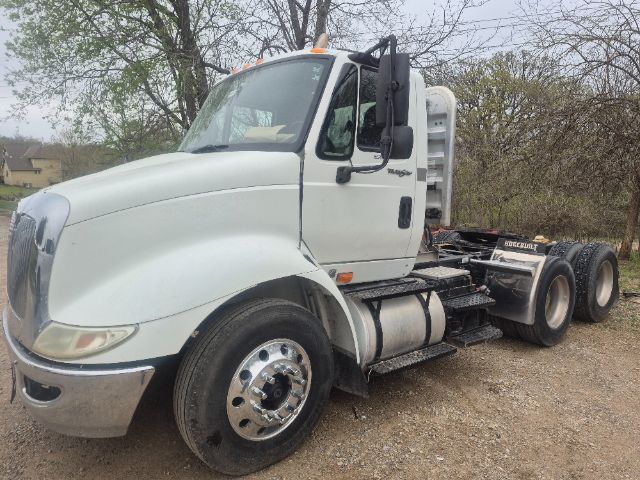
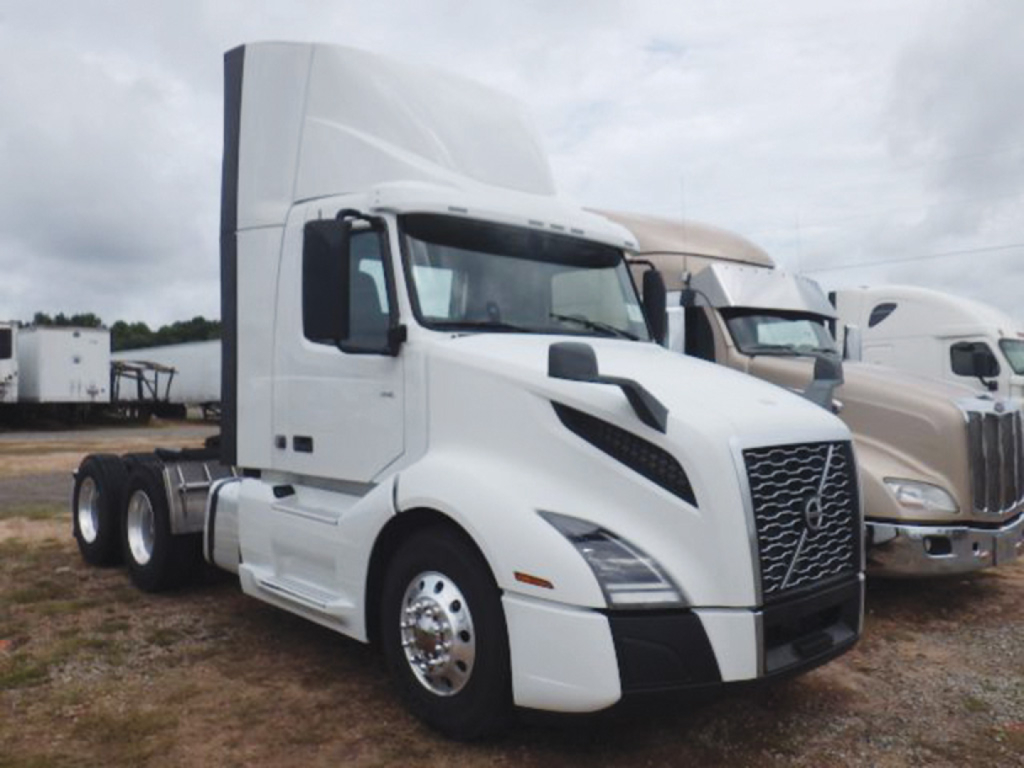
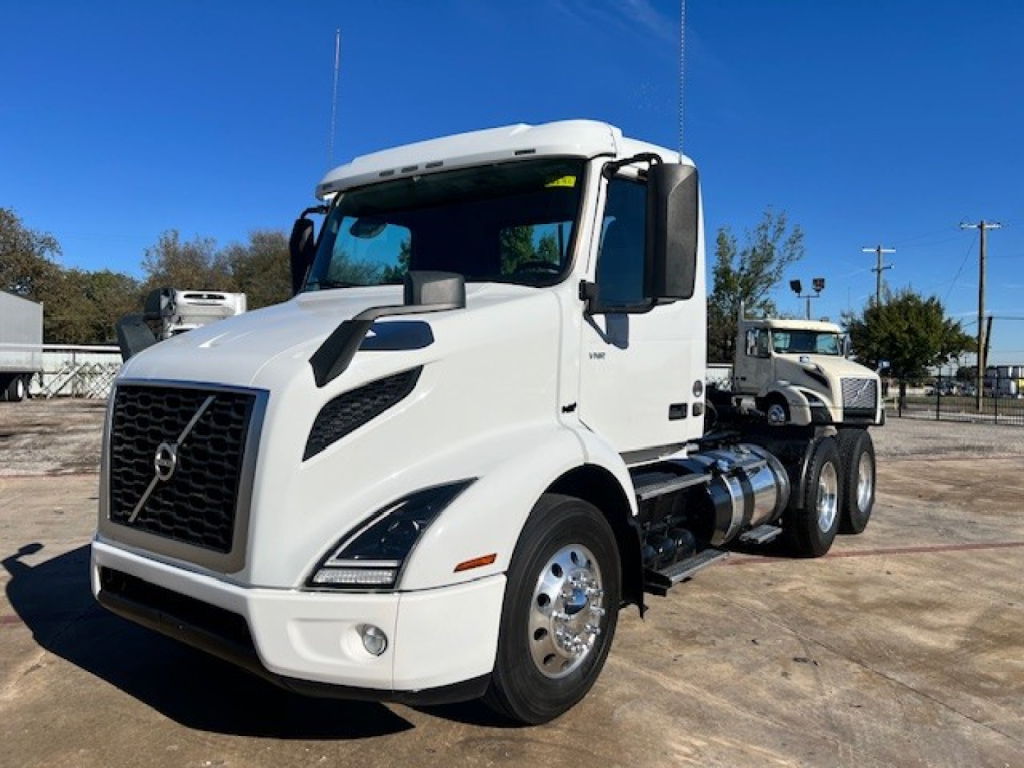
Have used conventional daycab truck to sell? List it here to reach thousands of buyers.
Used Conventional Daycab Trucks in Kansas
The biggest buying decisions usually come down to wheelbase, axle configuration, engine rating, and transmission type. Most conventional daycabs in this class are 6x4 Class 8 tractors, although 6x2 and lighter regional specs also appear. Common engines include 11-liter to 13-liter diesels from Cummins, Mack, Volvo, Detroit, and International, often rated anywhere from the mid-300 hp range up to 500 hp depending on vocation. Automated manual transmissions are common in newer regional tractors because they help with fuel economy, driver training, and clutch life, while manual 10-speed, 13-speed, and similar setups still appeal to buyers who want direct control or a simpler service approach. Rear axle ratios, suspension type, and fifth wheel position also matter, especially if the truck will pull van, flatbed, hopper, end dump, or tanker trailers with different weight distribution needs.
For used buyers, condition matters more than badge alone. A strong daycab candidate should be evaluated on engine hours, idle time, emissions system history, maintenance records, clutch or transmission service, suspension wear, steer axle condition, and signs of frame modification. In Kansas, it is smart to look closely at cooling systems, brake condition, and tire wear because trucks may see long highway stretches, gravel lots, wind exposure, and seasonal temperature swings. If the truck has an aftertreatment system, pay attention to DPF service intervals, DEF system repairs, regen history, and fault code patterns. Buyers hauling grain, livestock support equipment, construction materials, or regional dry van freight should also confirm PTO capability, wet kit compatibility if needed, air slide fifth wheel operation, and usable frame space for accessories.
Cab layout and spec consistency can make a real difference over time. Late-model aerodynamic daycabs such as Volvo VNR, Mack Anthem, and similar regional tractors are often chosen for fuel economy and driver comfort, while older conventional platforms can still fit buyers looking for mechanical familiarity or lower upfront cost. Check seat condition, dash warning status, HVAC performance, visibility, and ingress-egress if the truck will be used on frequent stop routes. A well-matched conventional daycab should fit the trailer, route length, and load profile first, then support the maintenance model and budget behind it.
Frequently Asked Questions about Used Conventional Daycab Trucks in Kansas
What is a conventional daycab truck used for?
A conventional daycab truck is a highway-style tractor without a sleeper, designed for local and regional hauling where the driver returns the same day. Common applications include dry van freight, reefer work, flatbed, tanker, grain, intermodal drayage, and dedicated industrial routes. The shorter cab helps reduce weight and often improves maneuverability in yards, terminals, and urban delivery points.
What should I look for when buying a used daycab tractor?
Focus on drivetrain spec, maintenance history, and how the truck was previously used. Key items include engine hours versus mileage, transmission type, rear axle ratio, emissions system repairs, brake and tire condition, suspension wear, and any documented engine or clutch work. It is also important to confirm the wheelbase, fifth wheel setup, and frame layout match the trailers and payloads the truck will handle.
Are automated manual transmissions a good choice in a used conventional daycab?
For many regional operations, yes. Automated manual transmissions can improve fuel economy, reduce driver fatigue, and make it easier to standardize training across multiple drivers. A used truck with an AMT should still be checked for calibration history, clutch life, software updates, and any fault codes, because proper maintenance and programming have a direct impact on shift quality and reliability.
What engine size is common in a conventional daycab truck?
Most used conventional daycab trucks in the Class 8 segment are powered by diesel engines in the 11-liter to 13-liter range. Ratings often fall between 350 and 500 horsepower depending on the intended work. Lower horsepower regional specs can be efficient for van and reefer routes, while heavier hauling or more demanding terrain may call for higher torque and a different rear axle ratio.
Why are daycab trucks popular in Kansas?
Kansas operations often combine interstate runs, local shuttle work, agricultural hauling, and terminal-to-terminal freight, which fits the strengths of a daycab tractor. Buyers often prioritize fuel economy, easy maneuvering, and the ability to get in and out of the cab frequently. A daycab also avoids the extra weight and space of a sleeper when overnight operation is not part of the route plan.