
Used Volvo Conventional Daycab Trucks For Sale in Kansas
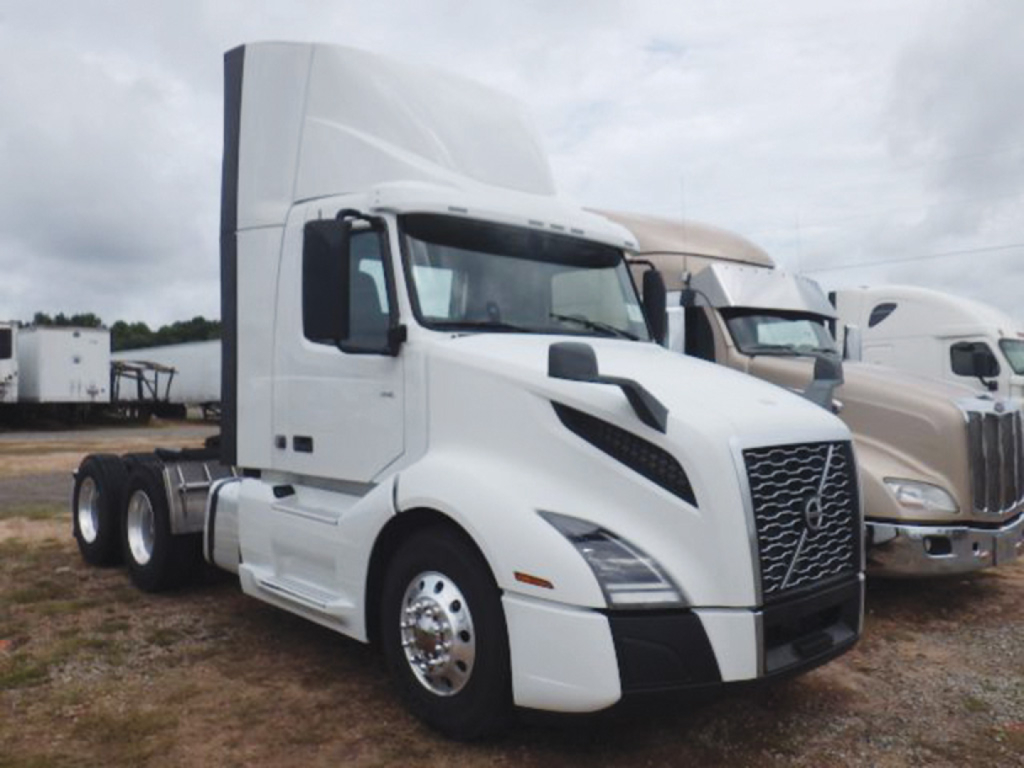
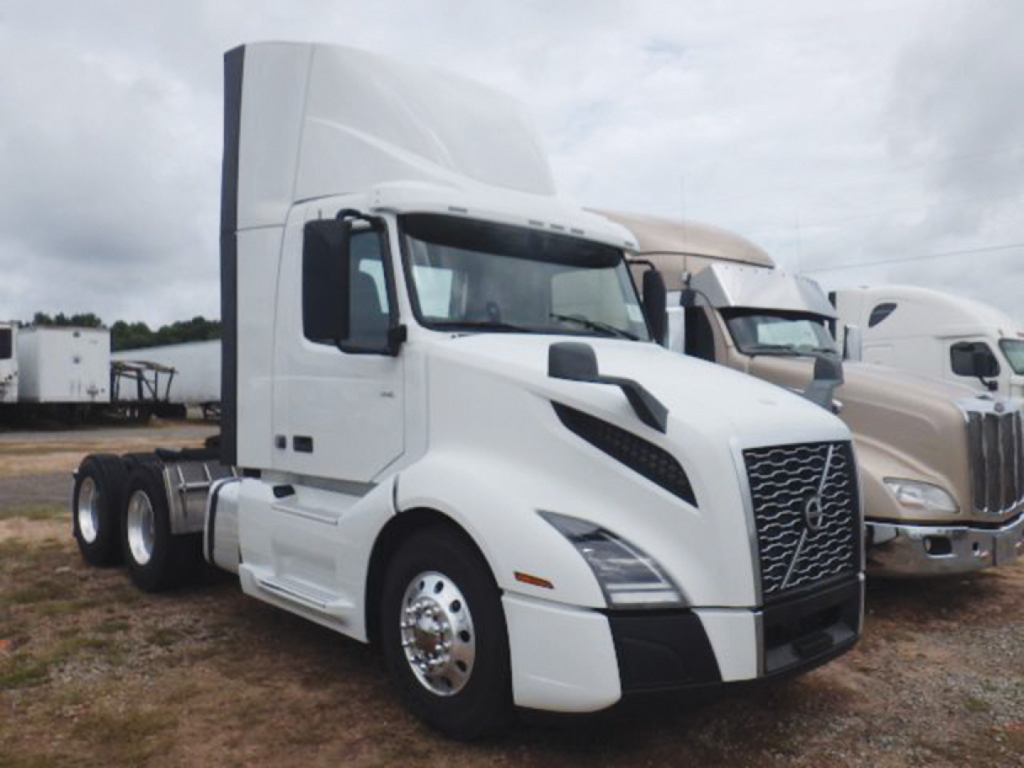
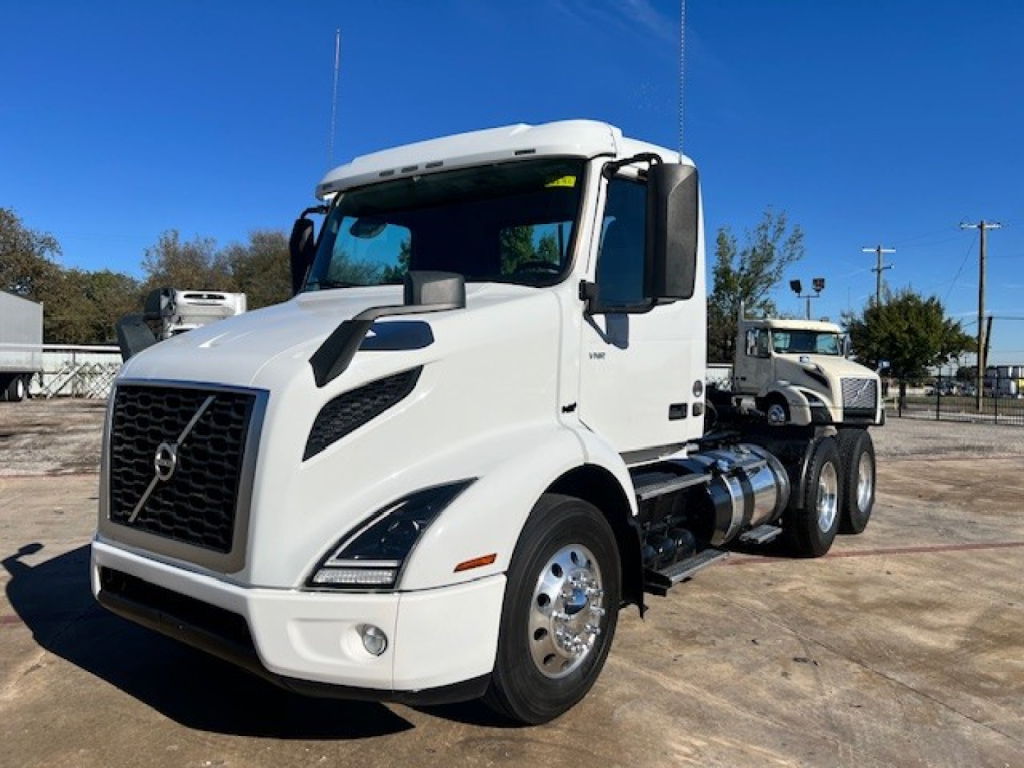
Have used volvo conventional daycab truck to sell? List it here to reach thousands of buyers.
Used Volvo Conventional Daycab Trucks in Kansas
One of the first buying decisions is powertrain spec. Many used Volvo daycabs are equipped with the Volvo D13, often in ratings around 425 to 455 horsepower, paired with the Volvo I-Shift automated manual. That combination is popular because it reduces driver fatigue, shifts consistently, and performs well in stop-and-go or mixed highway duty. Rear axle ratings around 40,000 pounds are common on tandem axle daycabs, and ratios in the 2.64 to 3.08 range are typical for fleets focused on fuel mileage and regional speed. Buyers should match axle ratio, transmission gearing, and tire size to the actual duty cycle, especially if the truck will see heavier starts, frequent city work, or higher gross combination weights.
Wheelbase, fifth wheel setup, and suspension deserve close attention on a used daycab. A shorter wheelbase improves turning radius for tight yards and urban docks, while a longer wheelbase can help with ride quality, frame space, and weight distribution. Sliding fifth wheels add flexibility when pulling different trailer lengths or managing bridge law and axle spread. Air ride suspension is common and usually preferred for ride comfort and cargo protection. It also helps to look at fairings, fuel tank capacity, and tire configuration. Regional daycabs may be spec'd with side fairings, roof fairings, and aluminum wheels for lighter weight and better fuel economy, while some trucks use super singles to cut tare weight and rolling resistance.
Condition matters more than model year alone. On a used Volvo daycab, pay attention to D13 service history, I-Shift calibration and clutch data, emissions system repairs, engine brake function, and wear in the suspension, steering, and fifth wheel assembly. Check for frame modifications, verify axle ratings and wheelbase against your trailers, and inspect cab electronics, HVAC, and driver controls since daycabs often spend long hours in multi-stop service. A well-spec'd Volvo conventional daycab can be an efficient, durable choice for fleets and owner-operators that need a dependable road tractor without the extra cost and weight of a sleeper.
Frequently Asked Questions about Used Volvo Conventional Daycab Trucks in Kansas
What is the difference between a Volvo VNL daycab and a Volvo VNR daycab?
A Volvo VNL daycab is generally oriented toward highway and regional linehaul work, while the Volvo VNR is designed with a slightly more compact package for regional and urban applications. The VNL often emphasizes aerodynamics and long-route comfort, and the VNR typically offers tighter maneuverability for distribution, city delivery, and frequent dock work. The right choice depends on turning radius needs, average trip length, trailer mix, and how much time the truck will spend in dense traffic versus open highway.
Is the Volvo D13 with I-Shift a good setup for a used daycab truck?
The Volvo D13 and I-Shift combination is one of the most common and proven specs in the used Volvo daycab market. It is widely chosen for regional freight because it delivers solid torque, good fuel economy, and smooth automated shifting that reduces driver fatigue. Buyers should still verify maintenance records, clutch and transmission software history, fault codes, and any prior emissions system work, because condition and service history have a major impact on long-term operating cost.
What wheelbase works best on a conventional daycab?
The best wheelbase depends on trailer length, axle spread requirements, and the operating environment. Shorter wheelbases are easier to maneuver in yards, feedlots, and tight customer facilities, while longer wheelbases can improve ride quality and allow more flexibility for fuel tanks, fairings, and weight distribution. Many regional tractors fall into a middle range that balances turning ability with stable highway manners, but buyers should compare wheelbase to their most common trailer and lane access conditions before deciding.
What should I inspect first on a used Volvo daycab?
Start with the engine, transmission, emissions system, suspension, and fifth wheel. Confirm the D13 has a documented service history, check for active or stored fault codes, and review any repairs involving the aftertreatment system. On I-Shift trucks, look at shift quality, clutch wear data, and driveline condition. Then inspect steer tires, tandem suspension components, frame rails, kingpin contact area on the fifth wheel, and cab systems such as HVAC, windows, and electrical accessories. These areas reveal how the truck was maintained and how much reconditioning may be needed.
Are Volvo conventional daycabs good for regional freight in Kansas?
Yes. Volvo conventional daycabs are well suited for Kansas regional applications because they combine highway efficiency with the maneuverability needed for local terminals, ag-related lanes, and short-haul industrial freight. A tandem axle daycab with a fuel-efficient rear ratio, air ride suspension, and a properly matched fifth wheel can handle repeated trailer changes and interstate miles effectively. The most important factor is choosing a spec that fits the actual load profile, terrain, and trailer types used in the operation.