
Used 2024 Conventional Daycab Trucks For Sale in Nebraska
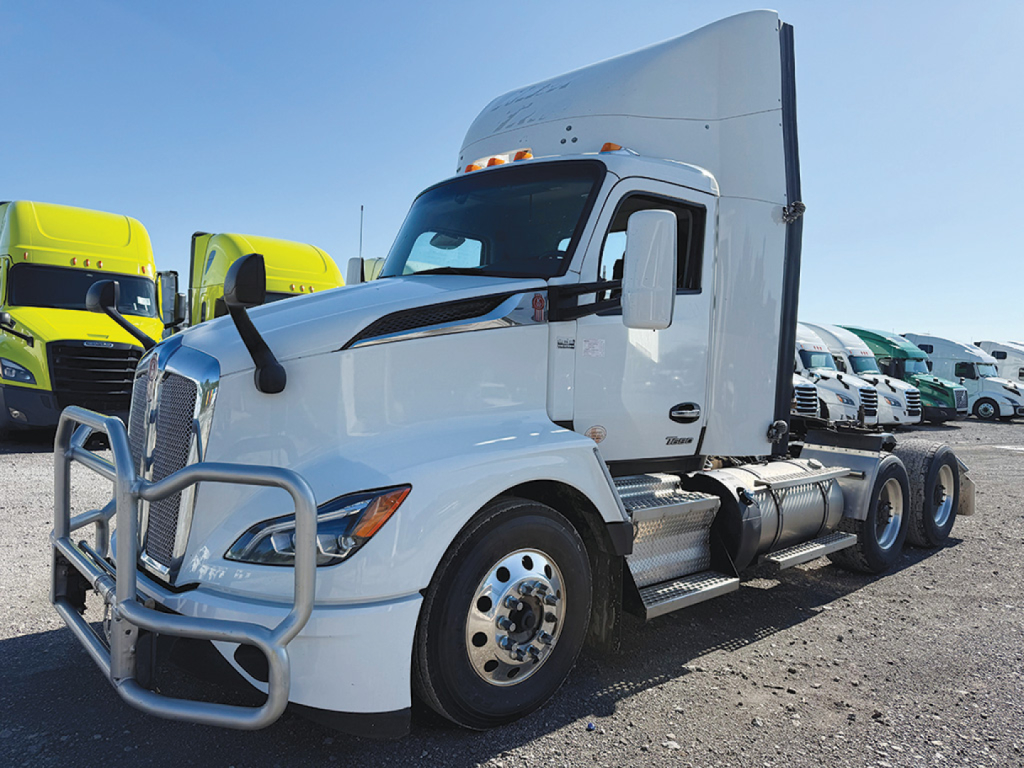
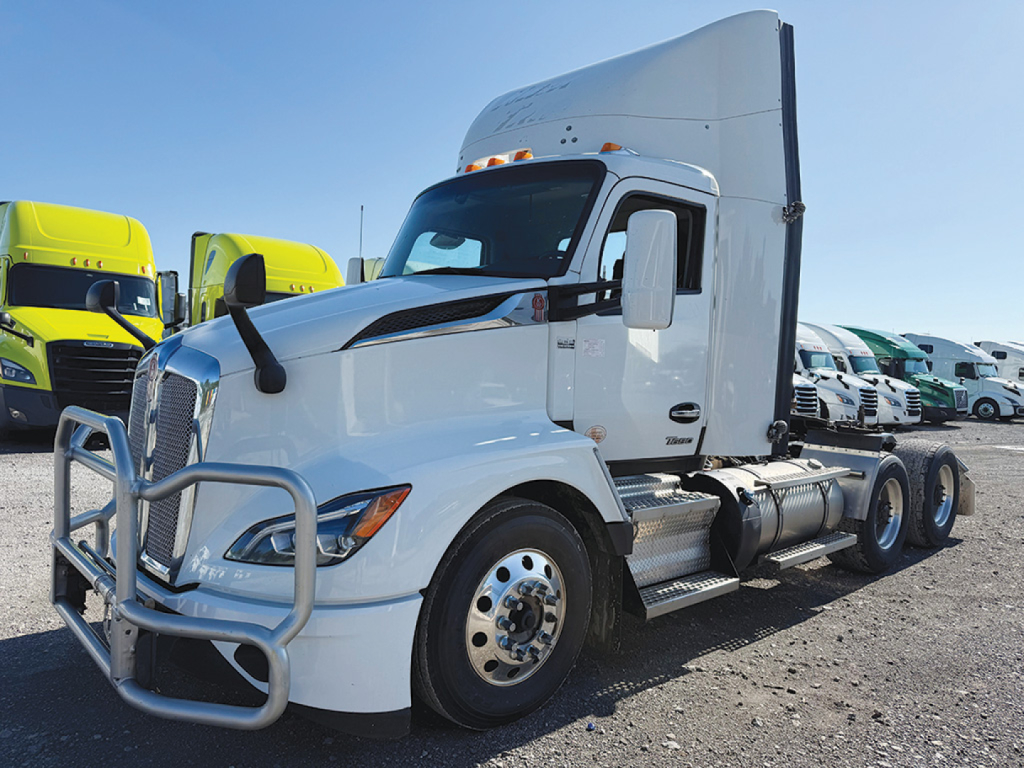
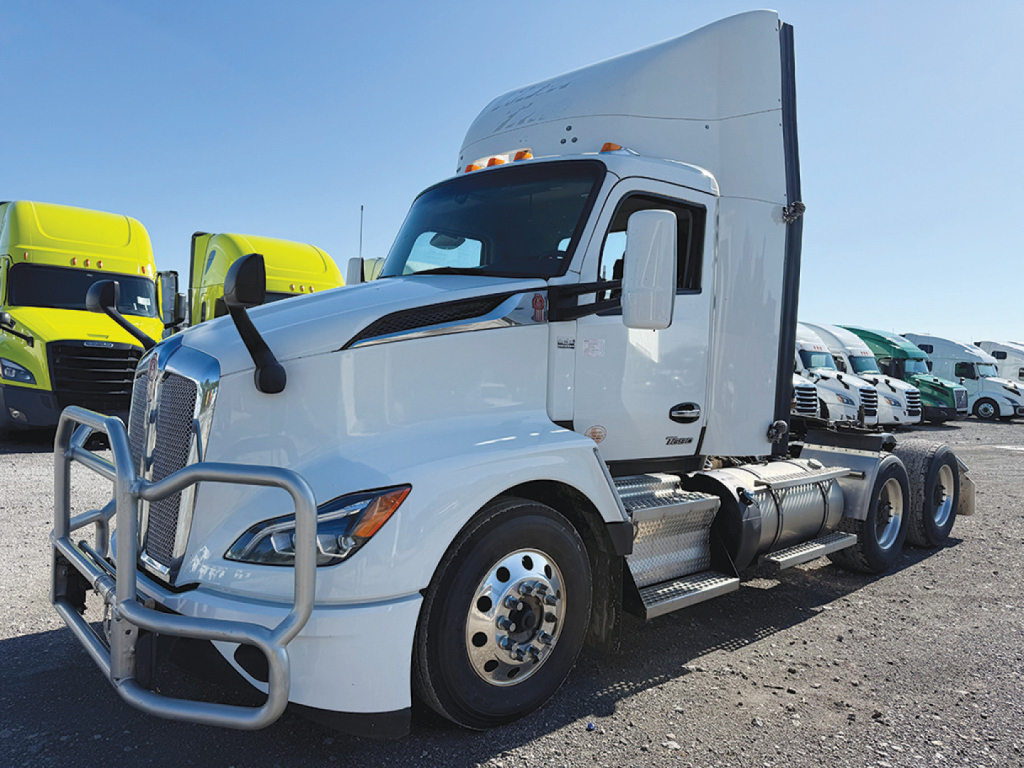
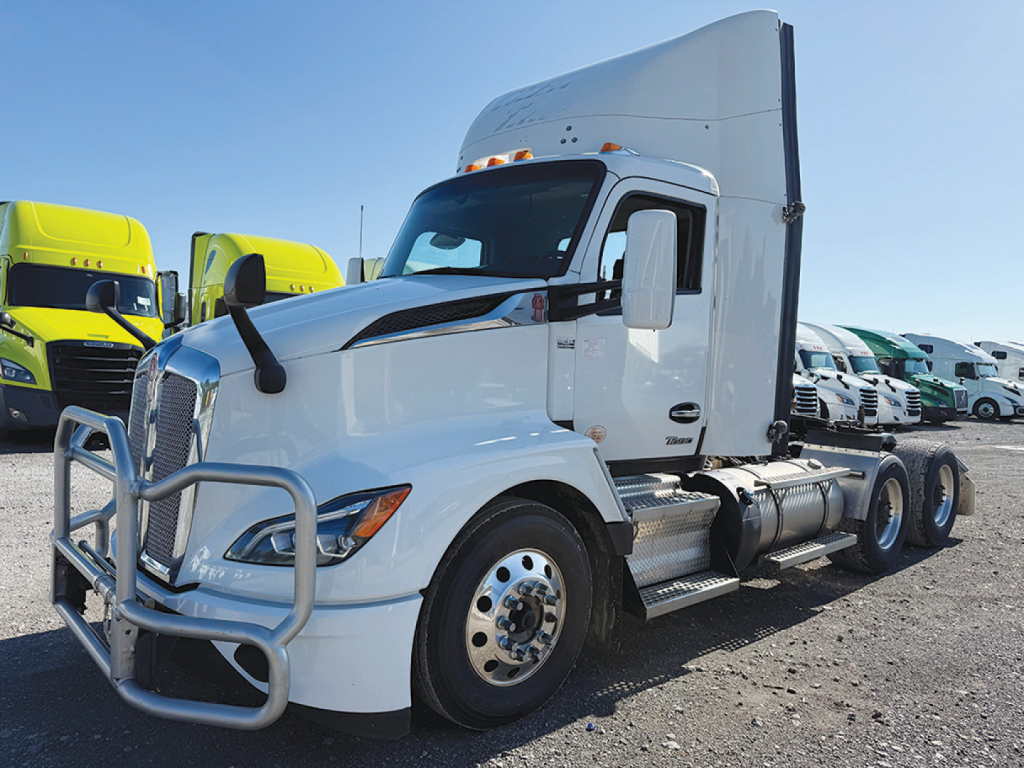
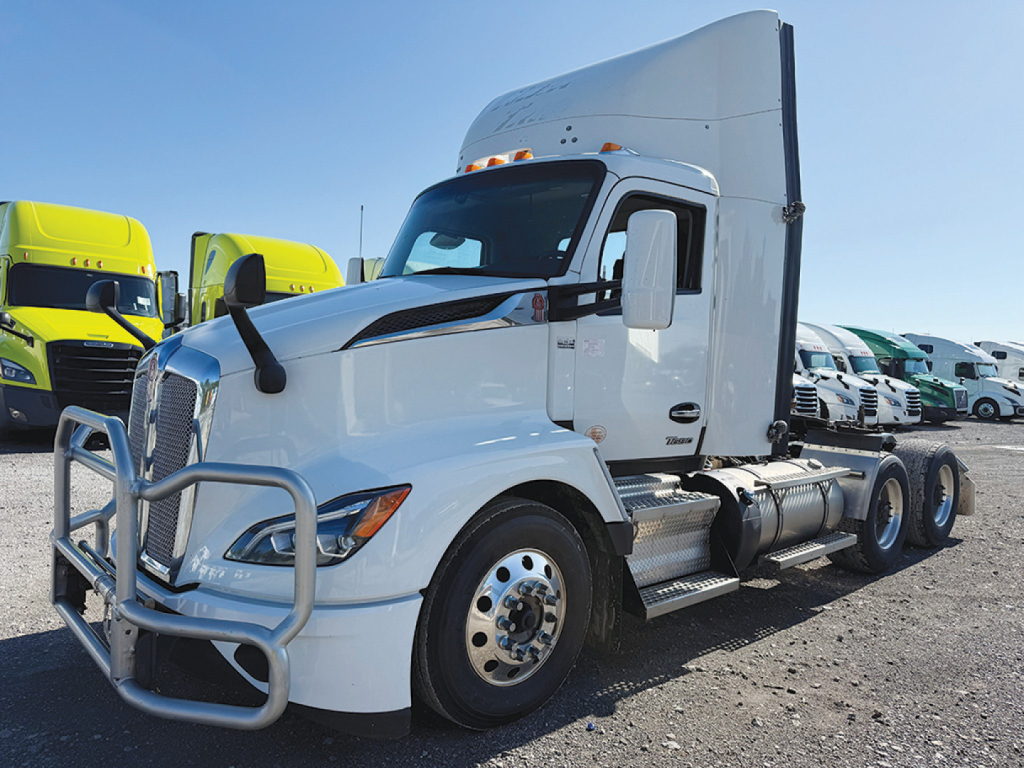
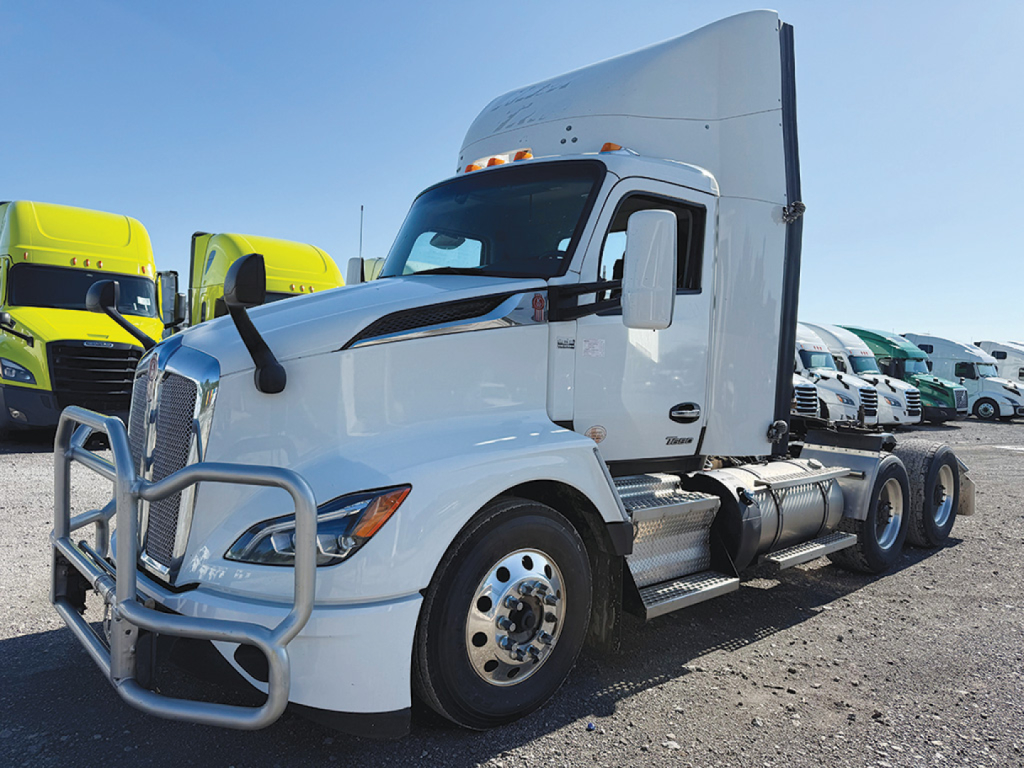
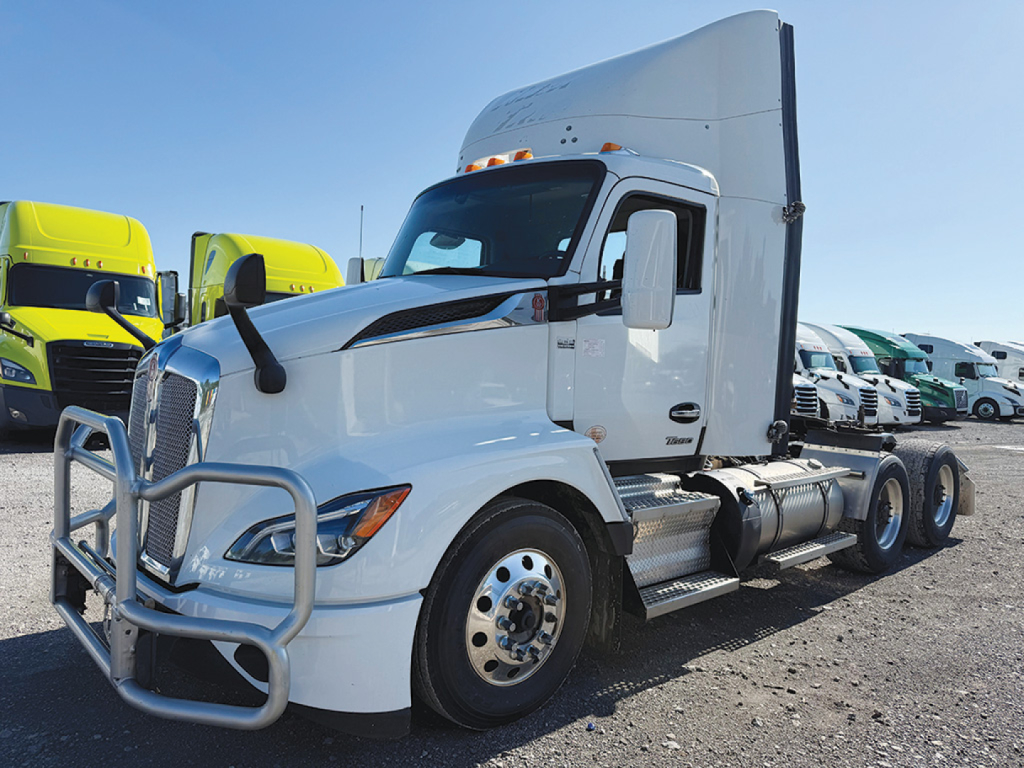
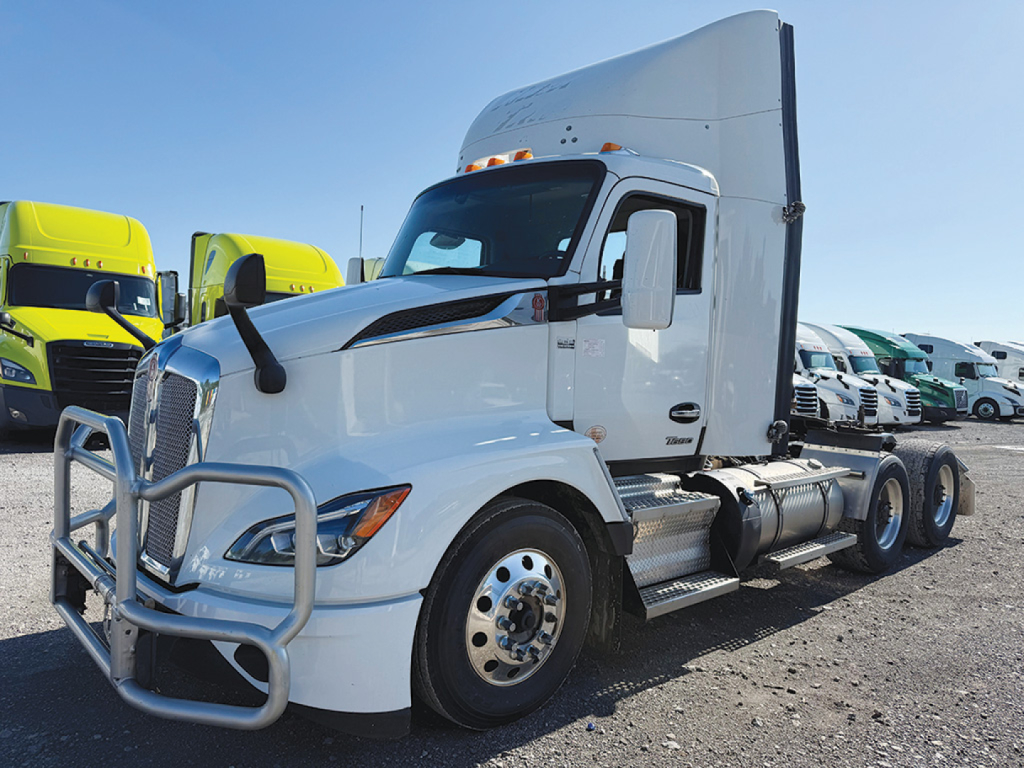
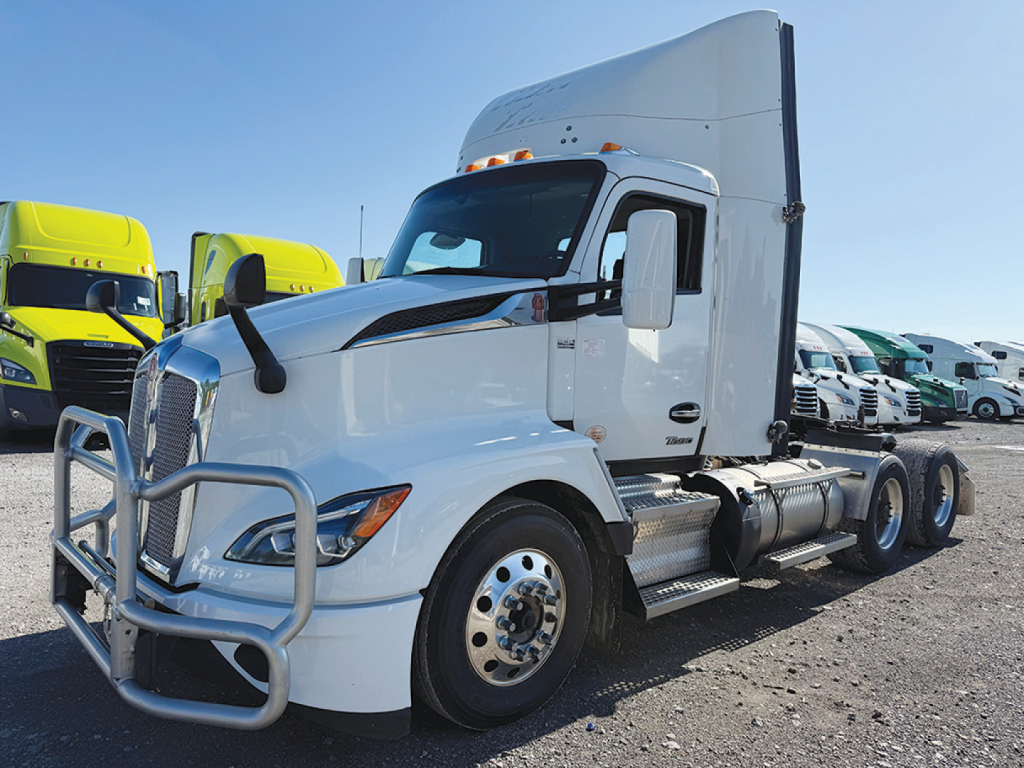
Have used 2024 conventional daycab truck to sell? List it here to reach thousands of buyers.
Used 2024 Conventional Daycab Trucks in Nebraska
For a 2024 model year truck, buyers usually expect late-generation emissions systems, integrated safety technology, and a strong mix of fuel economy and driver comfort. Common engine ratings in this class run around 400 to 500 horsepower, with popular platforms such as the Cummins X15, PACCAR MX-13, and Detroit DD13. Automated manual and fully automatic transmissions dominate the category because they simplify driver training and reduce clutch wear in stop-and-go duty. Rear axle ratings are often 40,000 pounds with highway-friendly ratios like 2.47, 2.64, or 2.85, though the right ratio depends on gross combination weight, terrain, and how often the truck starts heavy. Wheelbase is another key spec. A 178-inch to 190-inch wheelbase is common for daycabs and affects bridge law compliance, trailer swing clearance, and how the truck carries weight across the steer and drives.
Spec details matter more than badge shopping alone. Buyers should look closely at suspension type, fifth wheel style, fuel capacity, brake configuration, and tire setup. Air ride suspension remains the standard for ride quality and freight protection. Air slide fifth wheels add flexibility if the truck will pull different trailer lengths or needs kingpin setting adjustment. Disc brakes are increasingly attractive for fleets focused on stopping performance and service consistency, while 22.5 low-profile tires, 11R22.5 rubber, and even super singles can each make sense depending on maintenance preference and route profile. Aerodynamic equipment such as roof fairings, cab extenders, quarter fenders, and horizontal exhaust can improve fuel burn and keep the tractor better matched to van and reefer work.
A used 2024 conventional daycab should also be evaluated for software and electronics, not just mechanical condition. Digital dash systems, collision mitigation, cruise control, power windows, and steering wheel controls are now common and can affect uptime and driver acceptance. On a late-model truck, service history is especially important for emissions components, aftertreatment maintenance, warranty status, and calibration updates. Buyers in Nebraska often balance highway efficiency with all-season practicality, so it is smart to review tire condition, frame and cab corrosion exposure, cold-weather starting equipment, and how the truck was previously assigned. A well-spec'd 2024 daycab can be a strong choice for fleets and owner-operators who want newer technology, lower operating complexity than a sleeper, and a tractor configured for productive regional work.
Frequently Asked Questions about Used 2024 Conventional Daycab Trucks in Nebraska
What is a conventional daycab truck best used for?
A conventional daycab truck is best suited for regional hauling, dedicated routes, local and short-haul freight, and operations where the driver returns home daily. The non-sleeper design reduces empty weight and shortens overall length compared with a sleeper tractor, which can improve maneuverability in yards, customer docks, and urban delivery environments while still providing highway capability.
What engine and transmission specs are common in used 2024 conventional daycab trucks?
Used 2024 conventional daycab trucks commonly feature 13-liter to 15-liter diesel engines in the 400 to 500 horsepower range, often paired with automated manual transmissions. Popular combinations include Cummins X15, PACCAR MX-13, and Detroit DD13 engines matched with OEM automated gearboxes. These setups are favored for fuel efficiency, easier driver onboarding, and consistent performance in mixed regional duty cycles.
How do axle ratio and wheelbase affect a daycab truck’s performance?
Axle ratio influences launch feel, cruise RPM, fuel economy, and gradeability. Lower numerical ratios such as 2.47 or 2.64 generally support lower engine speed at highway cruise, while higher ratios such as 2.85 or 3.08 can improve pull in heavier applications. Wheelbase affects turning radius, trailer gap, bridge law considerations, and weight distribution. A buyer should match both specs to trailer type, average gross weight, and operating terrain.
What should I inspect on a used 2024 daycab before buying?
Focus on service records, engine hours, idle time, aftertreatment history, fault code activity, and any remaining factory warranty or extended coverage. Confirm the condition of the DPF, DEF system, brakes, tires, suspension components, and fifth wheel. On late-model trucks, it is also important to verify software updates, active safety system functionality, and calibration status because electronic issues can affect uptime as much as mechanical wear.
Are aerodynamic daycab specs worth it for regional fleets in Nebraska?
Yes, aerodynamic daycab specs can be worthwhile for Nebraska-based regional fleets, especially on steady highway lanes. Roof fairings, cab extenders, quarter fenders, and integrated hood designs can reduce drag and improve fuel economy when the tractor is matched correctly to trailer height. The benefit is strongest on consistent van and reefer work with substantial interstate miles, while severe-service or vocational applications may prioritize durability and access over aero efficiency.