
Used 2021 Conventional Daycab Trucks For Sale in Pennsylvania

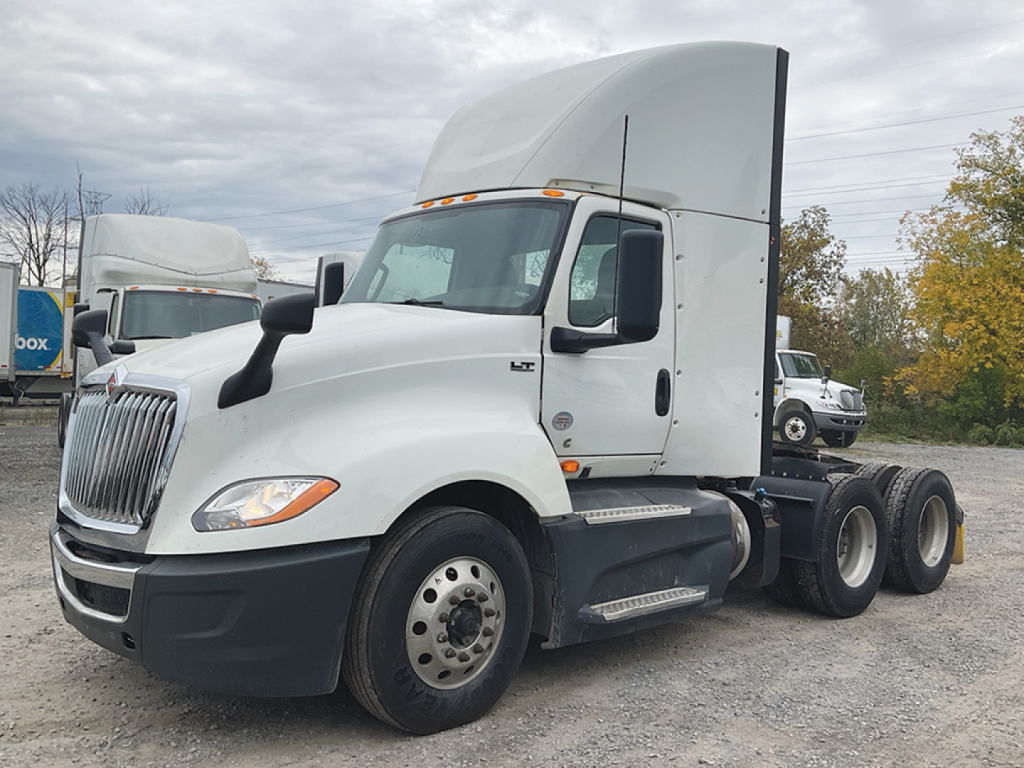
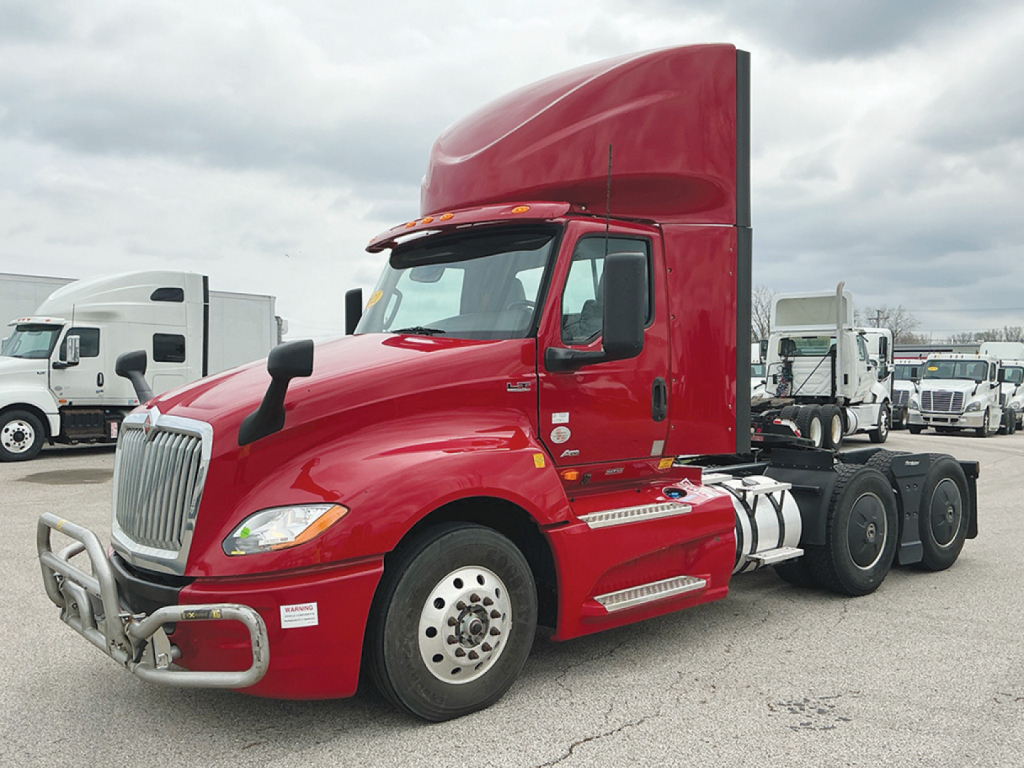
Have used 2021 conventional daycab truck to sell? List it here to reach thousands of buyers.
Used 2021 Conventional Daycab Trucks in Pennsylvania
The most common 2021 daycab specs center on 400 to 455 horsepower diesel engines, automated manual or full automatic transmissions, and either single-axle or tandem rear axle setups. Popular combinations include Detroit DD13, Navistar A26, and Volvo D13 engines paired with DT12 or I-Shift transmissions. Tandem axle daycabs often carry 40,000 lb rear ratings for heavier regional freight and trailer interchange work, while single-axle versions are common in lighter dedicated applications where fuel economy, lower operating cost, and reduced empty weight are priorities. Buyers should compare axle ratio, wheelbase, and fifth wheel type closely because a 2.79 or 3.08 ratio truck with a 165 to 178 inch wheelbase can behave very differently depending on trailer length, terrain, and average highway speed.
Cab and chassis details are just as important as the powertrain. Many 2021 conventional daycabs are equipped with air ride suspension, disc brakes, aluminum wheels, sliding or adjustable fifth wheels, quarter fenders, roof fairings, and collision mitigation systems. In a fleet environment, these features affect tire life, braking performance, driver acceptance, and trailer compatibility. Pennsylvania operators should pay close attention to corrosion exposure, especially on trucks that have seen winter road salt. Frame condition, brake component wear, suspension bushings, aftertreatment service history, and transmission calibration records deserve a hard look. If the truck will see hilly western Pennsylvania routes or heavy stop-and-go service, engine brake performance, rear axle capacity, and cooling system condition carry extra weight.
The best used 2021 conventional daycab is the one spec'd for the freight, not just the lowest price point. A buyer comparing listings should verify GVWR and GCWR targets, front axle capacity, tire size, fuel capacity, fairing setup, PTO needs, and the presence of safety tech such as adaptive cruise or collision mitigation. For trailer-pulling operations, confirm kingpin setting compatibility, fifth wheel travel, and frame spacing. For fleet buyers, 2021 model year trucks often strike a practical balance between updated emissions systems, modern driver-assist features, and enough market history to judge reliability trends. When matched correctly, a conventional daycab can deliver strong uptime, easier driver ingress and egress, and lower ownership cost than a sleeper tractor doing the same local or regional job.
Frequently Asked Questions about Used 2021 Conventional Daycab Trucks in Pennsylvania
What is a conventional daycab truck used for?
A conventional daycab truck is used for freight applications that do not require overnight accommodations for the driver. Common uses include regional hauling, local delivery, drayage, dedicated fleet lanes, warehouse shuttle work, and some vocational tractor jobs. The lack of a sleeper reduces overall length and weight, which can improve maneuverability, payload efficiency, and ease of operation in tighter loading areas.
What should I look for in a used 2021 conventional daycab truck?
Focus first on the operating match between the truck and the job. Key checkpoints include engine horsepower, transmission type, axle ratio, rear axle rating, wheelbase, and fifth wheel setup. Service history is critical on a 2021 model, especially for aftertreatment components, transmission software updates, brake wear, suspension condition, and any collision mitigation or driver-assist systems. In Pennsylvania, buyers should also inspect frame rails, crossmembers, air tanks, wiring, and brake hardware for corrosion related to winter road treatment.
Is a single-axle or tandem-axle daycab better?
It depends on trailer weight, route profile, and legal requirements. A single-axle daycab usually costs less to run, weighs less, and can offer better fuel economy in lighter-duty applications. A tandem-axle daycab is typically the better choice for heavier regional freight, higher gross combination weights, and operations that need more traction and axle capacity. The right decision comes down to your average payload, trailer type, and how often the truck runs on grades, rough yards, or mixed highway routes.
Are 2021 daycab trucks commonly equipped with automatic transmissions?
Yes. By 2021, many conventional daycab trucks were spec'd with automated manual or automatic transmissions such as Detroit DT12 and Volvo I-Shift. These transmissions are widely used in fleet and regional service because they help standardize driver performance, reduce clutch-related wear, and can improve fuel economy when matched with the correct axle ratio. Buyers should still review software calibration history and verify smooth shifting under load during inspection.
Why does wheelbase matter on a daycab tractor?
Wheelbase affects turning radius, ride quality, bridge law flexibility, trailer gap, and how the truck handles different trailer lengths. A shorter wheelbase generally improves maneuverability in urban freight and terminal work, while a longer wheelbase may offer better ride characteristics or allow room for larger fuel tanks and equipment. On a used daycab, wheelbase should be considered together with kingpin setting, sliding fifth wheel travel, axle spread, and the typical trailer dimensions used in your operation.