
Used 2021 Conventional Daycab Trucks For Sale in Oklahoma
Browse used 2021 conventional daycab trucks in Oklahoma. Compare wheelbase, axle ratings, engine, transmission, and fleet-ready specs.
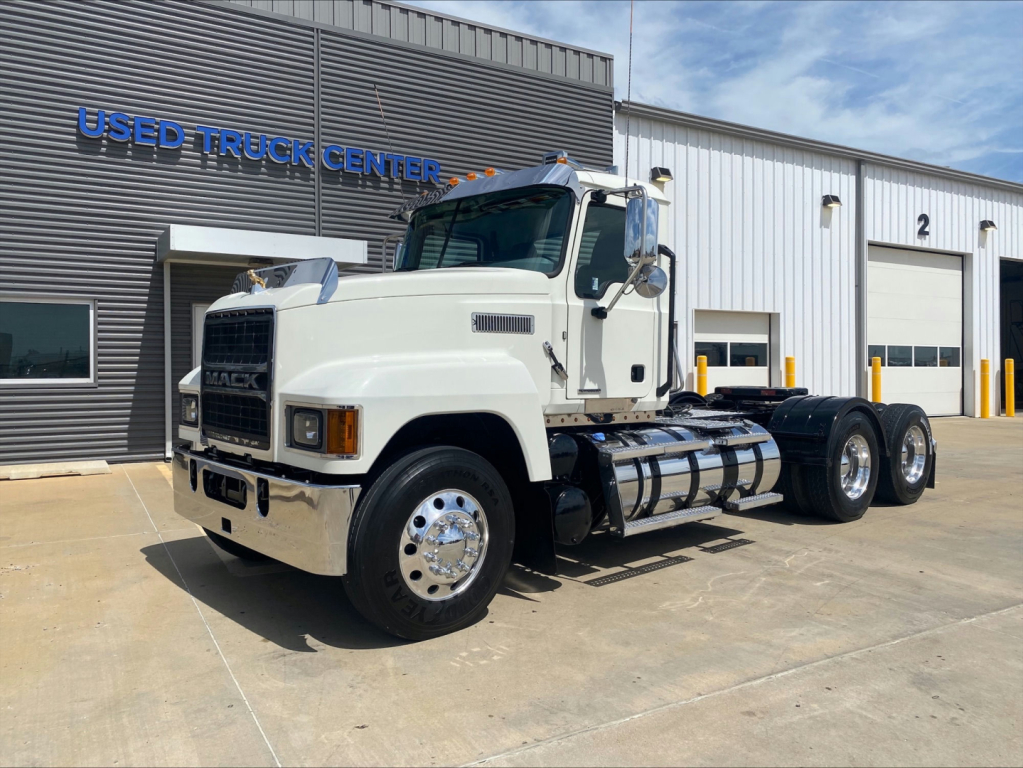

Selling a used 2021 conventional daycab truck? List your used 2021 conventional daycab truck for sale and reach thousands of commercial buyers.
Used 2021 Conventional Daycab Trucks in Oklahoma
The first decision point is usually spec, not brand. Pay close attention to horsepower, torque, rear axle ratio, wheelbase, and axle ratings because those numbers determine how the truck will actually perform in your operation. Common daycab setups in this class include 12,000 to 13,200 lb front axles and 38,000 to 40,000 lb tandem rears on air ride, with some heavier vocational-leaning specs going beyond that. Wheelbases around 180 to 205 inches are common on conventional daycabs and affect trailer swing clearance, turning radius, and how the truck carries weight on the drives. Ratios such as 3.07, 3.25, or 3.42 can make a noticeable difference in startability, cruising rpm, and fuel economy depending on trailer weight and route profile.
Most used 2021 daycabs on the market will have automated manual transmissions such as Mack mDrive or Volvo I-Shift, paired with engines in the 425 to 505 horsepower range. That is a practical power band for carriers pulling van, reefer, flatbed, tanker, or hopper trailers on regional runs. If the truck will spend most of its time grossing lighter loads at highway speed, a lower numerical ratio can help fuel economy. If it will see heavier freight, frequent city work, or more stop-and-go operation, a more aggressive ratio and higher torque engine usually make better sense. Fuel capacity, fifth wheel style, suspension type, and tire profile also matter, especially if the truck needs to match a trailer pool or fit dock, yard, or customer-site constraints.
For a 2021 used truck, condition still matters more than model year alone. Review maintenance history, idle hours, aftertreatment service records, clutch and transmission calibration history on AMTs, brake wear, tire age, and signs of frame or suspension stress. Late-model conventional daycabs may also include collision mitigation, adaptive cruise control, lane departure warning, and integrated telematics, which can be valuable for fleets focused on safety scores and driver retention. A clean 2021 daycab with the right wheelbase, gearing, and axle package can be a very efficient choice for Oklahoma fleets that need a dependable road tractor for high-cycle regional work.
Frequently Asked Questions about Used 2021 Conventional Daycab Trucks in Oklahoma
What is a conventional daycab truck best used for?
A conventional daycab truck is best suited for local and regional freight where the driver returns home or to a terminal without needing sleeper accommodations. Common applications include dedicated route work, port and rail drayage, short-haul van and reefer freight, flatbed operations, tanker work, and yard-to-yard transfer. The shorter cab and lighter overall package can improve maneuverability, reduce empty weight, and simplify maintenance compared with a sleeper tractor.
What specs matter most on a used 2021 daycab?
The most important specs are engine rating, transmission type, rear axle ratio, wheelbase, front and rear axle capacities, suspension, and fuel tank setup. These determine pull strength, cruise rpm, turning radius, bridge compliance, and compatibility with the trailers you haul. Buyers should also look at tire size, fifth wheel position or air-slide setup, and whether the truck has fleet safety systems such as collision mitigation and adaptive cruise control.
Is an automated manual transmission a good choice in a daycab?
For most regional and local applications, an automated manual transmission is a strong fit. Systems such as mDrive and I-Shift can improve driver consistency, reduce clutch abuse, and help fuel economy when matched to the right engine and axle ratio. They also lower driver fatigue in stop-and-go traffic. On a used truck, service records, software updates, calibration history, and clutch condition are important because AMT performance depends heavily on proper maintenance.
How does wheelbase affect a conventional daycab truck?
Wheelbase affects maneuverability, trailer clearance, ride quality, and weight distribution on the axles. A shorter wheelbase generally turns easier and works well in tight yards or urban freight settings. A longer wheelbase can improve ride and help with certain trailer combinations or axle loading needs. Buyers should match wheelbase to trailer length, kingpin setting, and the amount of room available at customer sites and docks.
What should I inspect on a used 2021 conventional daycab before buying?
Focus on maintenance documentation, engine hours, emissions system history, transmission operation, suspension wear, brake condition, tire age, and frame integrity. Check for active fault codes, uneven tire wear, driveline vibration, fluid leaks, and evidence of deferred maintenance. Because 2021 trucks often include advanced electronics and safety systems, it is also smart to verify that radar sensors, cameras, and driver-assist features are functioning correctly and have not been disabled after prior damage or repair.