
Used 2020 Conventional Daycab Trucks For Sale in Texas
Shop used 2020 conventional daycab trucks in Texas. Compare wheelbase, engine, transmission, axle ratio, and spec for regional haul work.
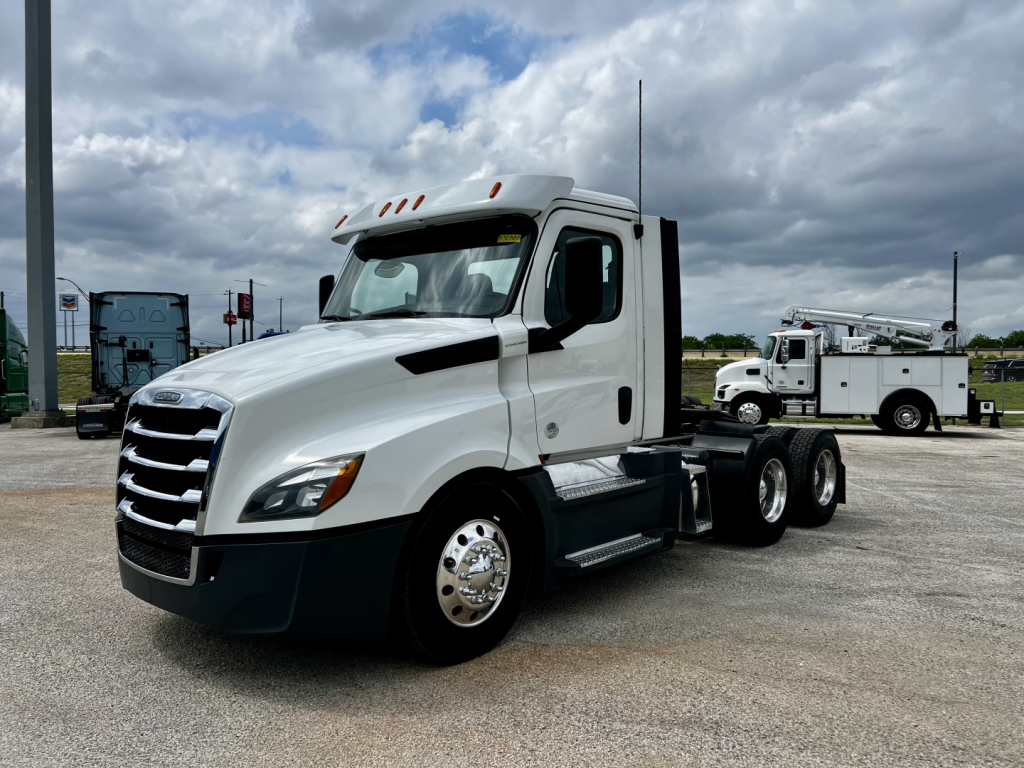

Showing 29 to 31 of 31 results
Selling a used 2020 conventional daycab truck? List your used 2020 conventional daycab truck for sale and reach thousands of commercial buyers.
Used 2020 Conventional Daycab Trucks in Texas
The biggest buying decisions usually come down to powertrain, wheelbase, and rear axle ratio. Many 2020 daycabs in this class carry engines in the 400 to 455 horsepower range, paired with automated manuals such as Detroit DT12 or Mack mDRIVE, though some still use proven 10-speed manual transmissions. For Texas applications, axle ratios like 3.08 and 3.36 are common because they help tune the truck for either fuel-efficient highway miles or better startability with heavier loads. Wheelbases around 178 to 213 inches are also typical, and that number matters because it affects trailer swing clearance, bridge law flexibility, turning radius, and how the truck fits into your operation.
A buyer should also pay close attention to axle ratings, suspension, and how the tractor was originally spec'd. Front axles in the 12,000 to 13,300 pound range and tandem rears around 40,000 pounds are common on used 2020 conventional daycabs. Air ride suspension remains popular for freight protection and driver comfort, especially in regional service. If the truck will spend time in Houston, Dallas-Fort Worth, San Antonio, or along I-35 and I-45 corridors, cooling performance, aftertreatment condition, and idle history are worth reviewing closely. Texas heat, stop-and-go traffic, and long highway pulls can all affect DPF service intervals, fan clutch operation, and overall emissions-system reliability.
Cab condition and fleet spec details matter more than many buyers expect. Look at driver-seat wear, dash fault history, telematics compatibility, PTO provisions, fifth wheel type, and tank capacity. Check the kingpin setting your trailers require and confirm the wheelbase and sliding fifth wheel position will support it without creating weight-distribution issues. A well-matched 2020 conventional daycab can deliver lower operating cost than an overbuilt tractor, while still handling regional van, reefer, flatbed, and container work with the right gearing and axle package.
Frequently Asked Questions about Used 2020 Conventional Daycab Trucks in Texas
What is a conventional daycab truck best used for?
A conventional daycab truck is best suited for local and regional hauling where the driver does not need a sleeper berth. Common uses include dedicated freight lanes, drayage, LTL support, food and beverage distribution, tanker work, and short- to medium-haul van or reefer service. The shorter overall package improves maneuverability and can reduce empty weight compared with a sleeper tractor.
What should I check first on a used 2020 daycab in Texas?
Start with engine hours, mileage, fault codes, service records, and emissions-system history. In Texas, high ambient temperatures and long highway runs make cooling-system condition, radiator cleanliness, fan operation, and aftertreatment health especially important. It is also smart to verify axle ratings, wheelbase, tire condition, and rear axle ratio so the truck matches the trailers and loads you plan to run.
Is an automated transmission better than a manual in a 2020 conventional daycab?
An automated transmission can improve fuel economy consistency, reduce driver fatigue, and help standardize operation across a fleet. A manual transmission may still appeal to buyers who want simpler driver-controlled shifting or have technicians and drivers who prefer it. The better choice depends on driver pool, route profile, maintenance support, and whether minimizing training time is a priority.
How do wheelbase and axle ratio affect daycab performance?
Wheelbase affects turning radius, trailer clearance, ride quality, and weight distribution. A shorter wheelbase is usually better in tight urban or yard environments, while a longer wheelbase can help with stability and certain trailer setups. Axle ratio determines how the truck trades fuel economy against pulling power and startability. Lower numerical ratios such as 3.08 often favor highway efficiency, while higher numerical ratios such as 3.36 can better support heavier loads or more frequent stop-and-go work.
Are 2020 conventional daycab trucks good for regional freight?
Yes. The 2020 model year is a practical target for regional fleets because many trucks from this period combine modern aerodynamics, updated powertrains, and broad parts support. A properly spec'd 2020 daycab can work well for dry van, reefer, flatbed, and container operations, provided the horsepower, transmission, wheelbase, and axle package align with the freight and operating radius.