
Used 2019 Conventional Daycab Trucks For Sale in Oklahoma
Shop used 2019 conventional daycab trucks in Oklahoma. Compare horsepower, wheelbase, axle specs, transmissions, and fleet-ready features.
Learn more
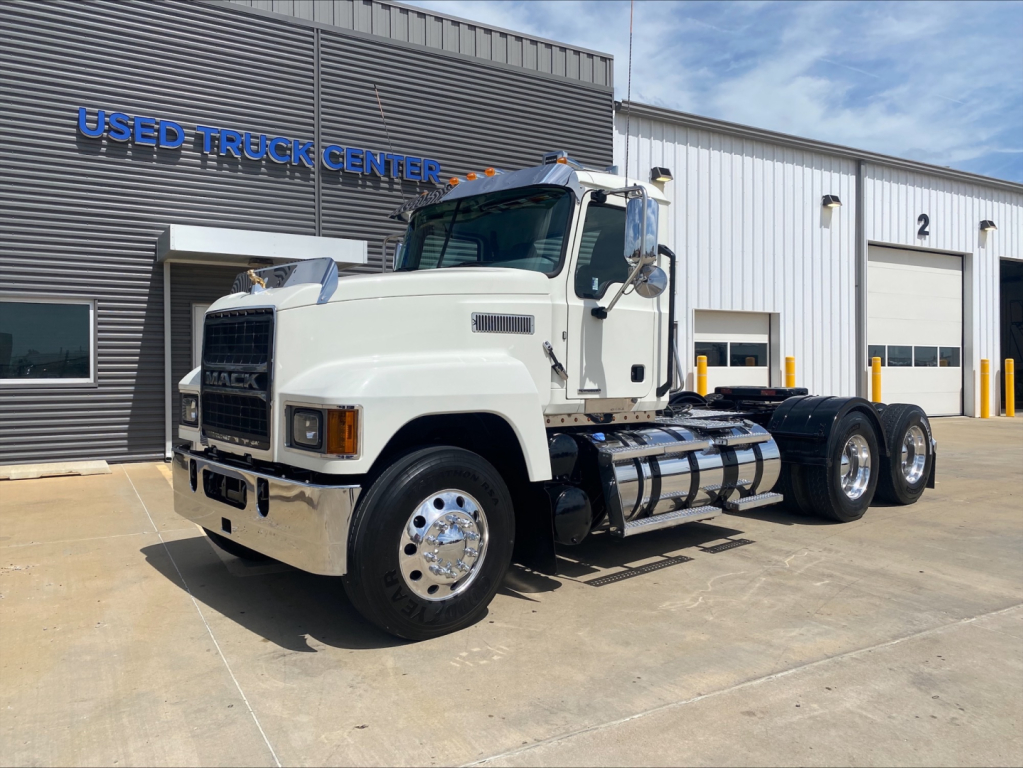
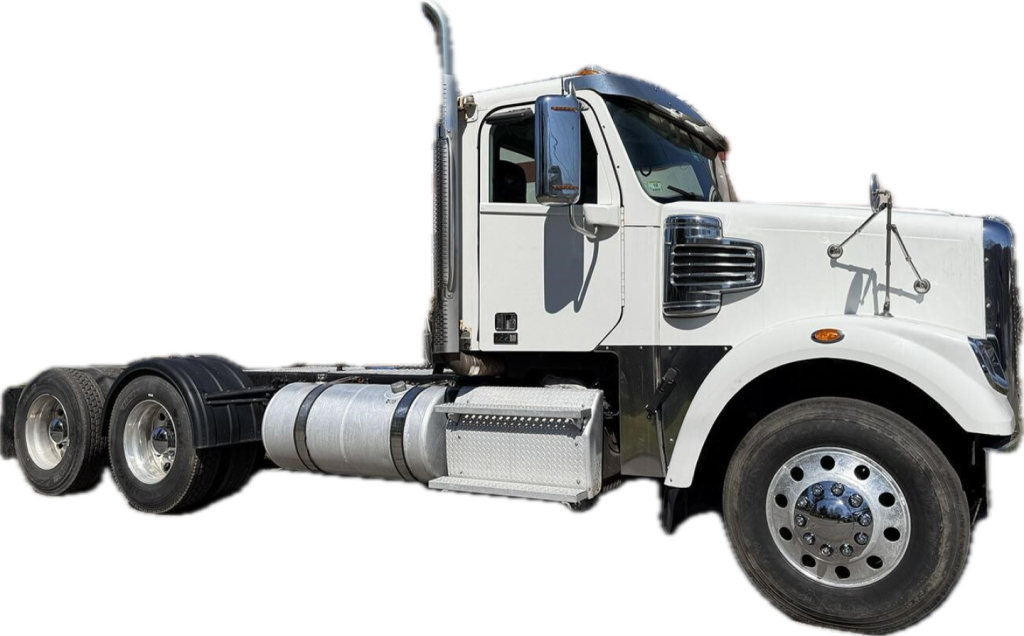
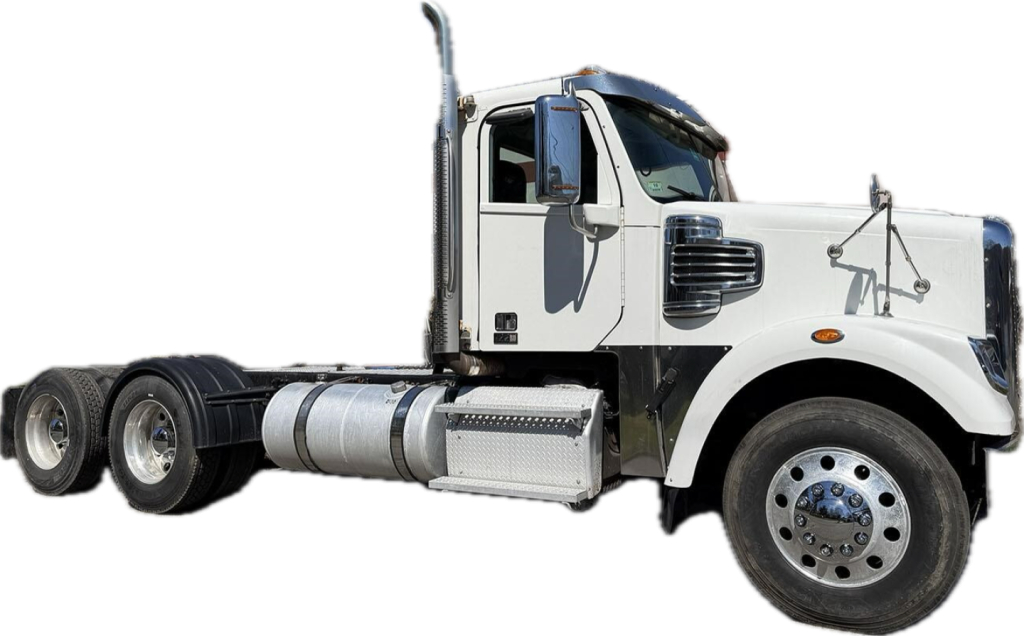
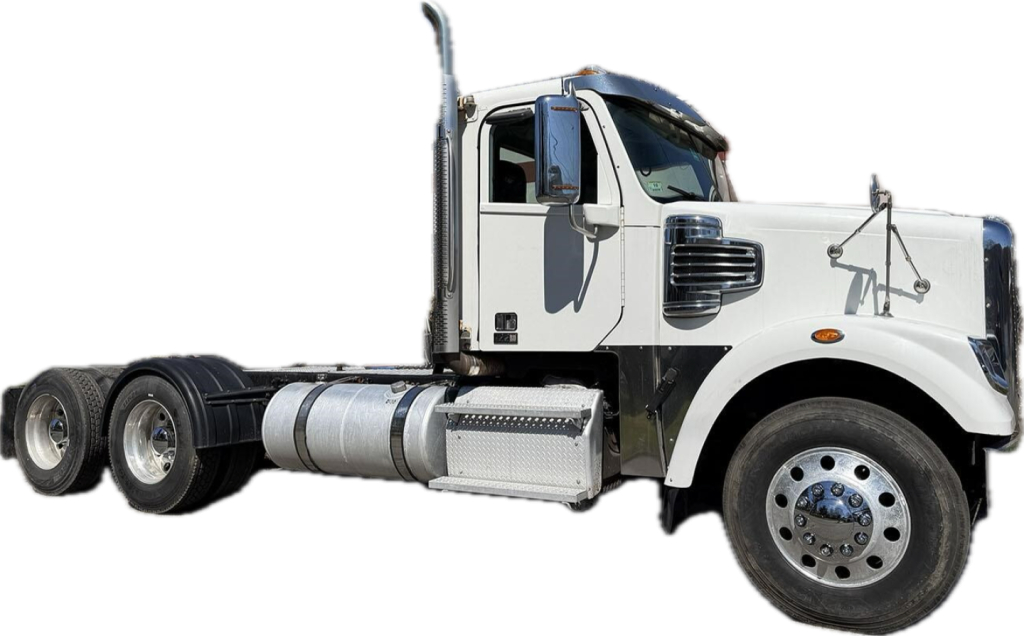
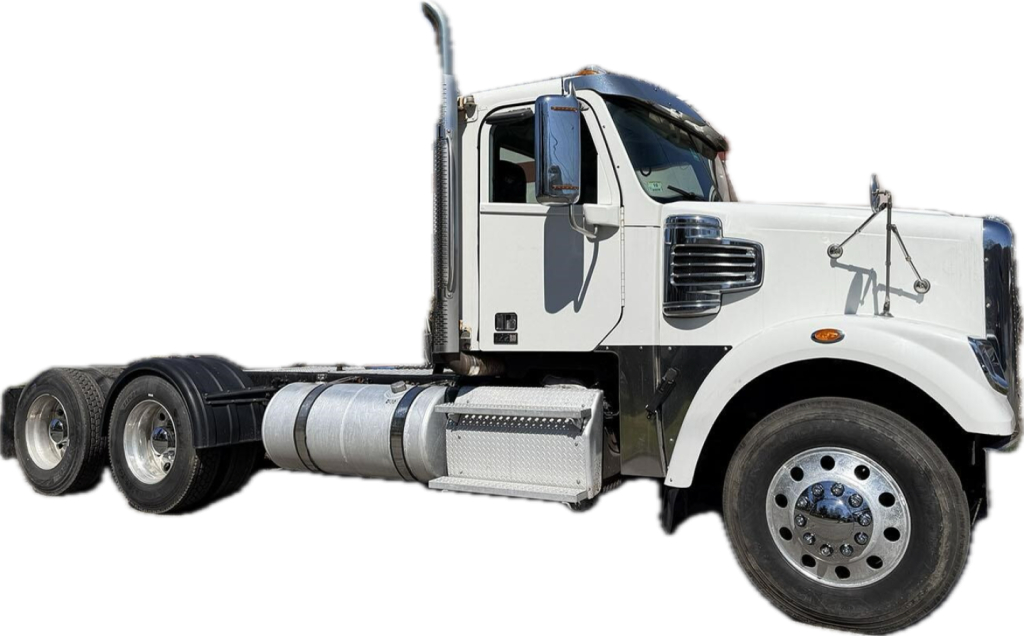
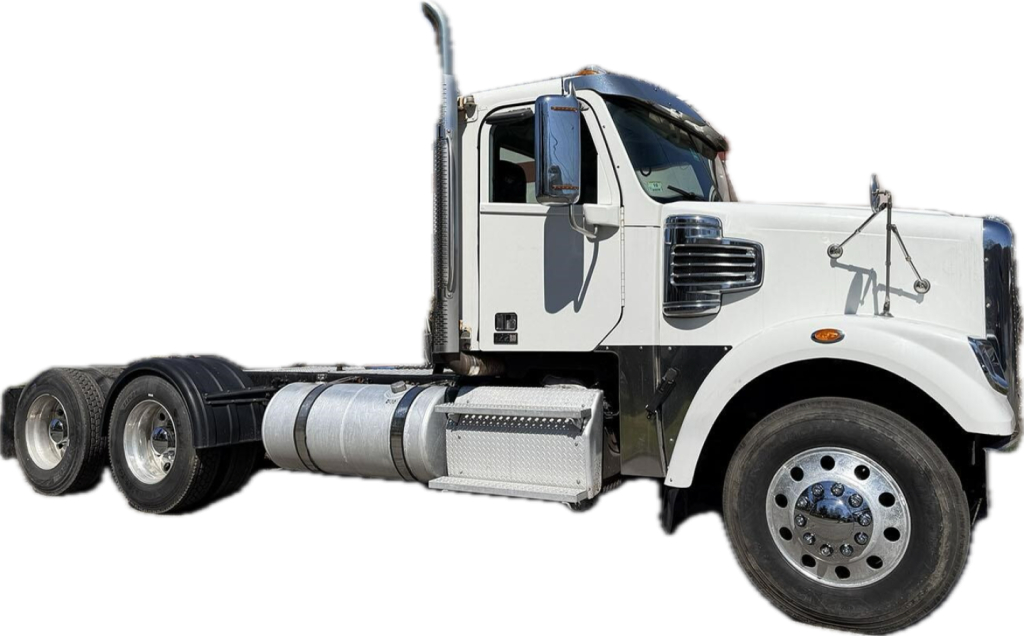
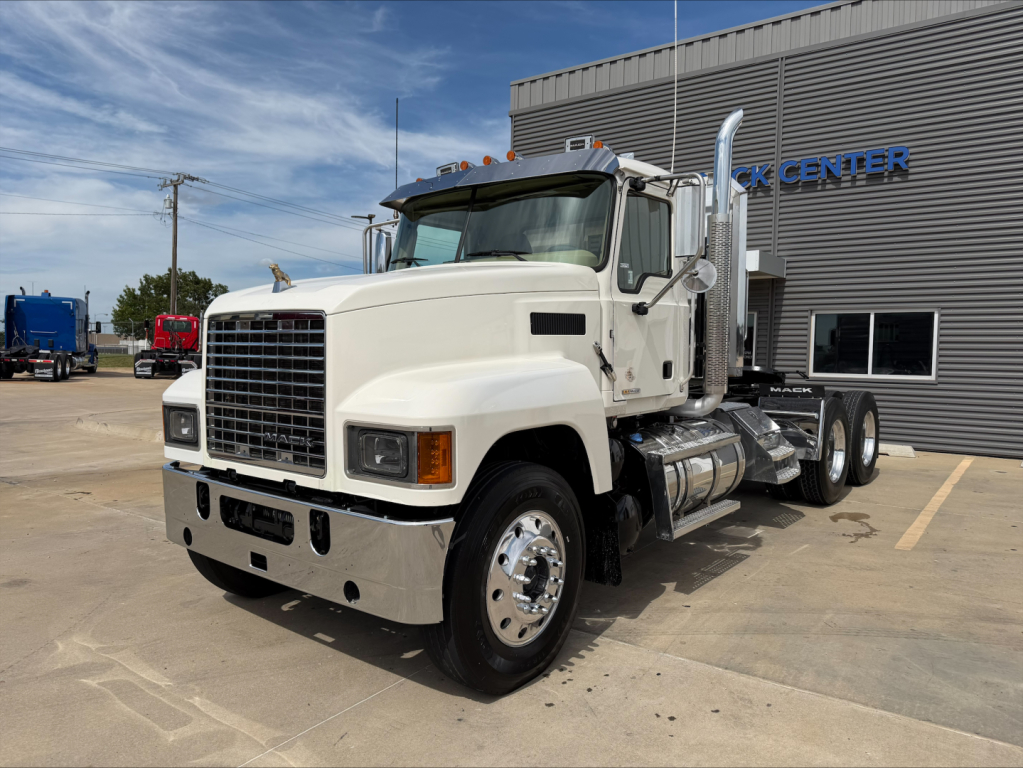
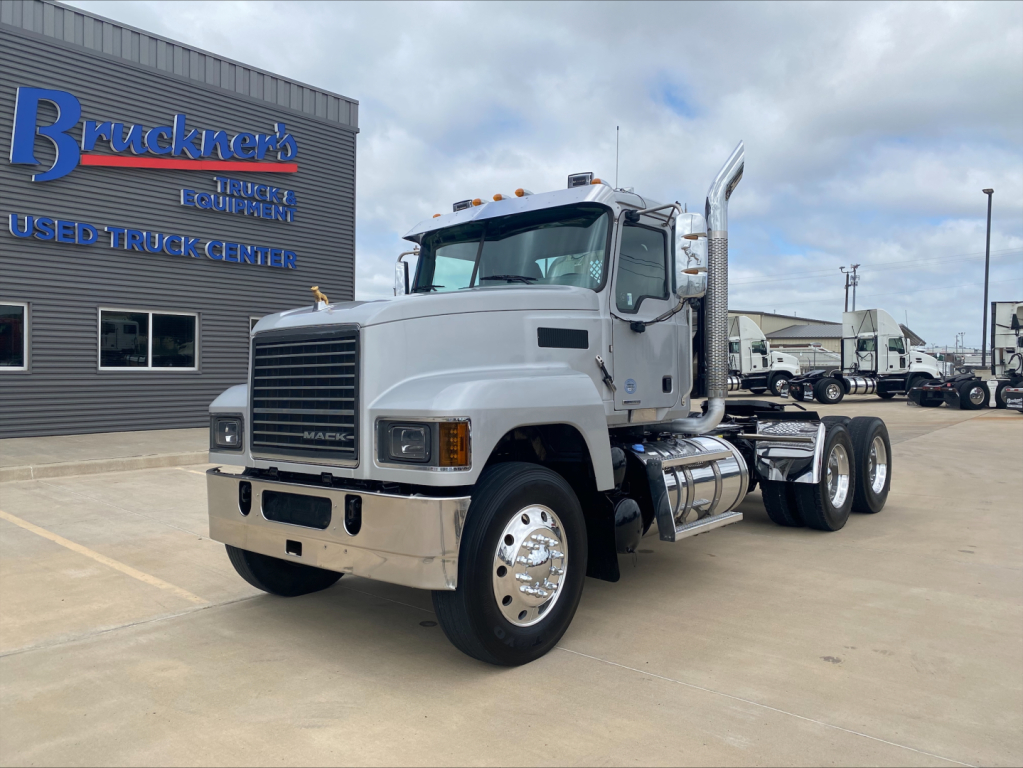
Have used 2019 conventional daycab truck to sell? List it here to reach thousands of buyers.
About Used 2019 Conventional Daycab Trucks in Oklahoma
The biggest buying decisions usually come down to engine rating, transmission type, axle ratio, and wheelbase. In this class, it is common to see engines in the 425 to 505 horsepower range, paired with either a 10-speed manual or an automated manual such as Mack mDrive. A 12,000-pound front axle and 40,000-pound rear tandem on air ride is a common highway spec, and rear ratios like 3.25 or 3.90 tell you a lot about the truck's intended use. Lower numerical ratios tend to favor fuel-efficient linehaul speeds, while deeper ratios help when the truck sees heavier starts, tighter routes, or more vocational-style service. Wheelbase matters too. A shorter daycab is easier to maneuver in urban yards and customer docks, while a longer wheelbase may provide better ride quality, frame space for tanks or accessories, and flexibility for certain trailer setups.
For many buyers, the real value in a 2019 conventional daycab is in matching the spec to the lane. A highway daycab with aerodynamic bodywork, dual fuel tanks, low-profile rubber, and an air-slide fifth wheel is built for efficient regional freight. A heavier spec with a double frame, lockers, manual transmission, or vocational gearing fits tougher jobs where durability and traction matter more than fuel economy. Safety and driver acceptance also deserve attention. Trucks from this period may include collision mitigation, adaptive cruise control, and updated dash layouts that improve usability for fleet drivers. Review aftertreatment service history, clutch and transmission calibration records on AMTs, tire wear patterns, suspension condition, and kingpin-to-back-of-cab clearance before making a final decision.
Conventional daycab trucks are also known simply as day cabs or day cab semis. They are built around one main idea: maximize payload and maneuverability without carrying the weight and cost of a sleeper. That makes them a strong choice for fleets focused on utilization, frequent driver home time, and simplified maintenance. A well-spec'd used 2019 daycab can still deliver strong resale value if the miles, idle hours, axle specs, and maintenance records line up with the work. Buyers comparing listings should look past make and paint first and focus on the core operating details that affect revenue per mile, driver fit, and long-term service costs.
Frequently Asked Questions
What is a conventional daycab truck best used for?
A conventional daycab truck is best suited for local and regional hauling where the driver returns home daily and does not need sleeper accommodations. Common applications include dedicated freight, drayage, tanker work, dump trailer pulling, intermodal service, and short-to-mid length highway lanes. The layout gives you a full conventional hood for service access and cooling capacity, but without the extra weight and length of a sleeper.
What specs matter most when buying a used 2019 daycab?
The most important specs are engine horsepower, transmission type, rear axle ratio, wheelbase, front and rear axle ratings, suspension, and fuel capacity. These determine how the truck will perform on your route and what trailers or loads it can handle efficiently. Buyers should also verify emissions system history, mileage versus engine hours, tire size, fifth wheel configuration, and any added equipment such as headache racks, wet kits, or safety systems.
Is an automated manual transmission a good choice in a 2019 conventional daycab?
For many fleets, an automated manual transmission is a very good fit because it can improve driver consistency, reduce clutch-related wear from poor shifting habits, and simplify training. It is especially useful in stop-and-go regional work and dedicated routes with multiple drivers. The key is to confirm the transmission software is current, review service records, and make sure shift performance is smooth under load, because calibration and maintenance are important to long-term reliability.
How do axle ratio and wheelbase affect a daycab's performance?
Axle ratio affects launch, gradeability, cruise rpm, and fuel economy. A numerically lower ratio such as 3.25 generally favors highway fuel efficiency, while a higher ratio such as 3.90 helps with heavier loads and more frequent starts. Wheelbase affects maneuverability, ride quality, and available frame space. Shorter wheelbases are easier around tight docks and city routes, while longer wheelbases can improve ride and allow for larger tanks or additional equipment.
Why do many buyers look for used daycab trucks in Oklahoma?
Oklahoma is a strong market for daycab tractors because it sits on major freight corridors and supports a mix of regional, energy, agricultural, and construction-related hauling. That means buyers often find both highway and heavier vocational-style specs in the same market. The region also tends to produce trucks that have seen meaningful road use without the same corrosion exposure common in harsher winter states, although condition still depends on the individual truck's history and maintenance.