
Used 2019 Mack Conventional Daycab Trucks For Sale in Oklahoma
Shop used 2019 Mack conventional daycab trucks in Oklahoma. Compare Anthem, Pinnacle, axle ratings, MP engines, mDrive specs, and duty fit.
Learn more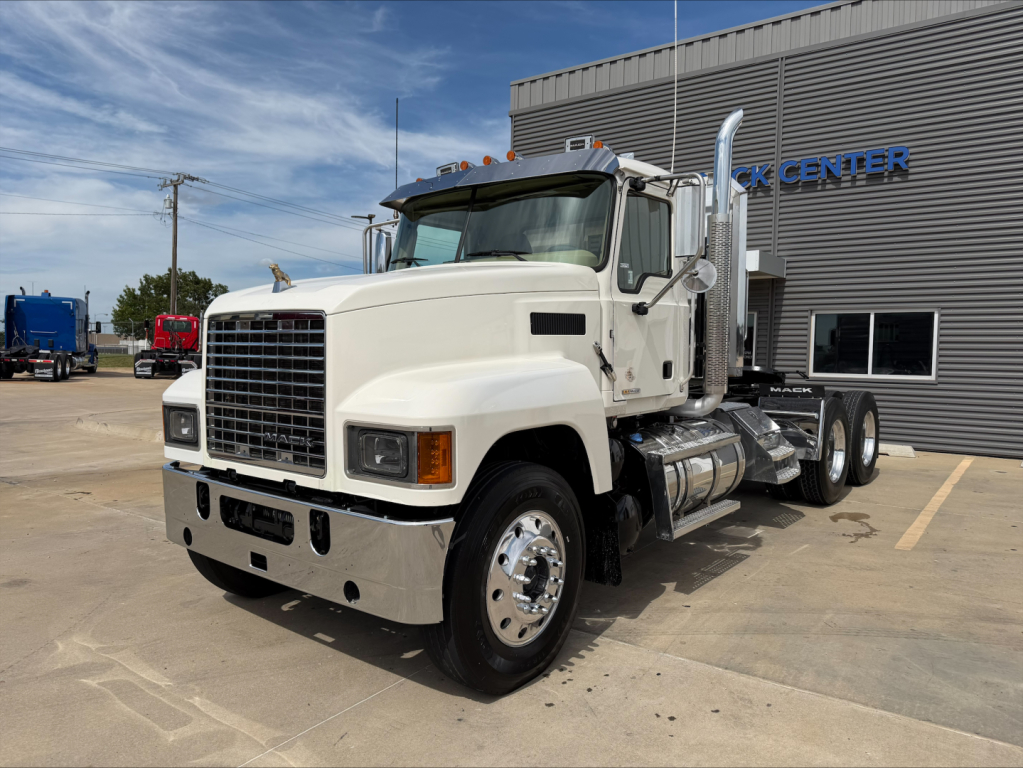
Have used 2019 mack conventional daycab truck to sell? List it here to reach thousands of buyers.
About Used 2019 Mack Conventional Daycab Trucks in Oklahoma
The key buying decision is the drivetrain. Many 2019 Mack daycabs are equipped with MP-7 or MP-8 engines, with horsepower often landing in the mid-400s to low-500s depending on the application. The mDrive automated manual is common and well suited for fleet use, stop-and-go work, and driver consistency, while some trucks may carry a manual transmission for operators who want direct control. Rear axle ratios like 3.07, 3.25, 3.36, or 3.42 tell you a lot about intended use. A taller ratio generally favors fuel economy and road speed, while a deeper ratio is better for heavier starts, off-road access, or PTO-driven applications. Wheelbase, front axle rating, and rear axle capacity also matter. A 12,000-pound front with 40,000-pound rears on air ride is a common tandem-road spec, while heavier front axles and 46,000-pound rears point toward more demanding vocational work.
For Oklahoma buyers, application matters as much as brand and year. Oilfield support, aggregate, agriculture, and short-haul freight can all call for different setups even within the same Mack daycab category. A truck with a wet kit is useful for end dump or live floor service. An air-slide fifth wheel adds flexibility if trailer lengths and kingpin settings vary. Low-profile 22.5 tires can help with ride height and fuel economy, while 24.5 rubber may be preferred in certain heavier-duty or regional applications. Safety and driver-assist features such as collision mitigation, adaptive cruise control, and integrated braking systems also show up on some 2019-era Mack tractors and can add value for fleet buyers focused on driver retention and operating risk.
Condition still comes down to miles, hours, maintenance history, and how the truck was spec'd from new. A 2019 Mack daycab that spent its life in regional highway service can be a very different machine from one used in construction or end-dump work, even if the odometer looks similar. Buyers should review aftertreatment service records, clutch and transmission performance on mDrive units, suspension condition, tire wear patterns, and any signs of frame or fifth-wheel stress. Mack conventional daycab trucks from this year remain attractive because they combine modern emissions-era power, a driver-friendly cab, and broad parts support with the simple, revenue-focused layout that local and regional operations depend on.
Frequently Asked Questions
What are the most common 2019 Mack conventional daycab models?
The most common 2019 Mack conventional daycab trucks are typically Anthem and Pinnacle configurations, although exact model designations can vary by spec and application. Anthem models are generally seen in more aerodynamic regional and highway roles, while Pinnacle-based daycabs often appear in both highway and vocational service. The right choice depends less on the badge and more on engine rating, axle package, wheelbase, PTO provisions, and suspension setup.
Is a Mack MP-7 or MP-8 better in a 2019 daycab?
An MP-7 is often a strong fit for regional freight, lighter payloads, and operations that prioritize fuel economy and lower operating cost. An MP-8 is better suited to heavier gross weights, dump work, demanding grades, and applications where higher horsepower and torque matter. Buyers should match the engine to the route profile, trailer type, and gross combined weight rather than assuming the larger engine is always the better value.
What axle and ratio specs should I look for in a used 2019 Mack daycab?
For general tandem-axle highway use, a 12,000-pound front axle with 40,000-pound rears is a common and versatile setup. Ratios around 3.07 or 3.25 are often chosen for fuel-conscious regional service, while 3.36 or 3.42 can make more sense for heavier starts, dump trailers, or mixed on-road and off-road work. A heavier front axle and higher rear axle rating are worth considering if the truck will carry a wet kit, run PTO equipment, or see vocational duty.
Are 2019 Mack daycab trucks with mDrive a good choice for fleet use?
Yes, the mDrive automated manual is widely regarded as a practical transmission for fleet and regional operations because it helps with driver consistency, reduces shift-related abuse, and performs well in stop-and-go service. It can also help with training and driver recruitment compared with a manual transmission. On a used truck, buyers should still confirm clutch operation, software updates, service history, and overall driveline condition before making a decision.
What should I inspect first on a used 2019 Mack conventional daycab?
Start with maintenance records, engine hours, and evidence of aftertreatment repairs because those items often tell the clearest story about total operating cost. Then inspect suspension wear, frame condition, fifth-wheel movement, tire wear, brake condition, and transmission behavior under load. If the truck has a wet kit or vocational history, pay close attention to PTO function, hydraulic plumbing, and signs of hard service around the frame, crossmembers, and rear suspension.