
Used 2016 Conventional Daycab Trucks For Sale in Pennsylvania
Browse used 2016 conventional daycab trucks in Pennsylvania. Compare wheelbase, axle ratings, engine specs, transmission, and local-duty fit.
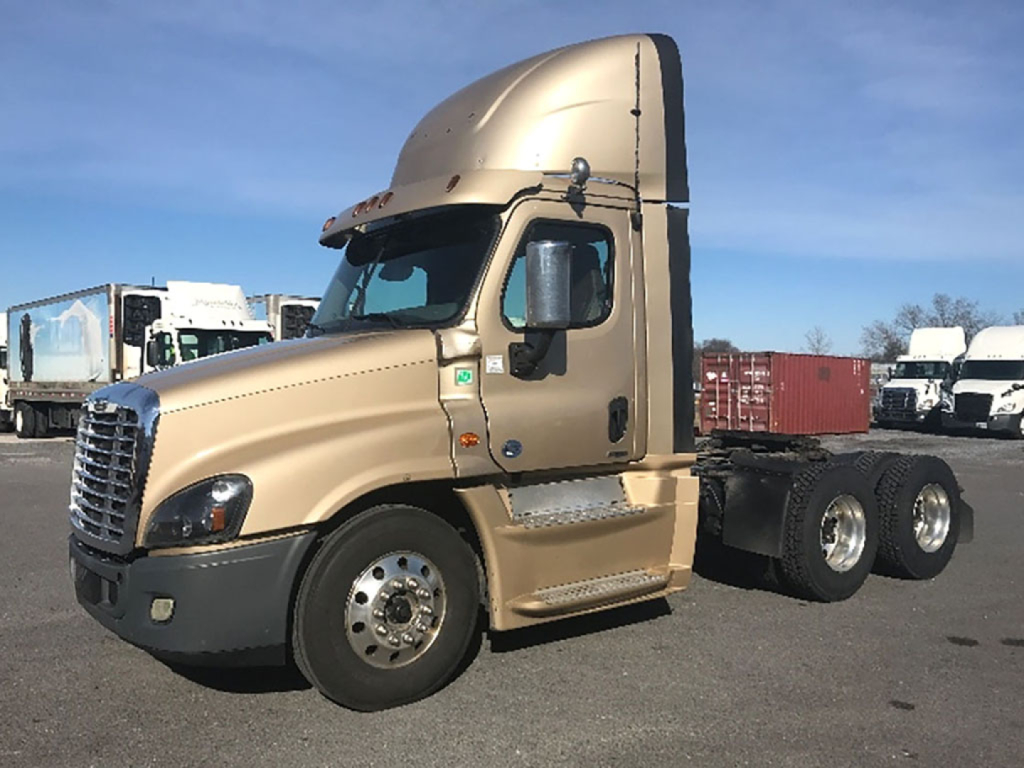
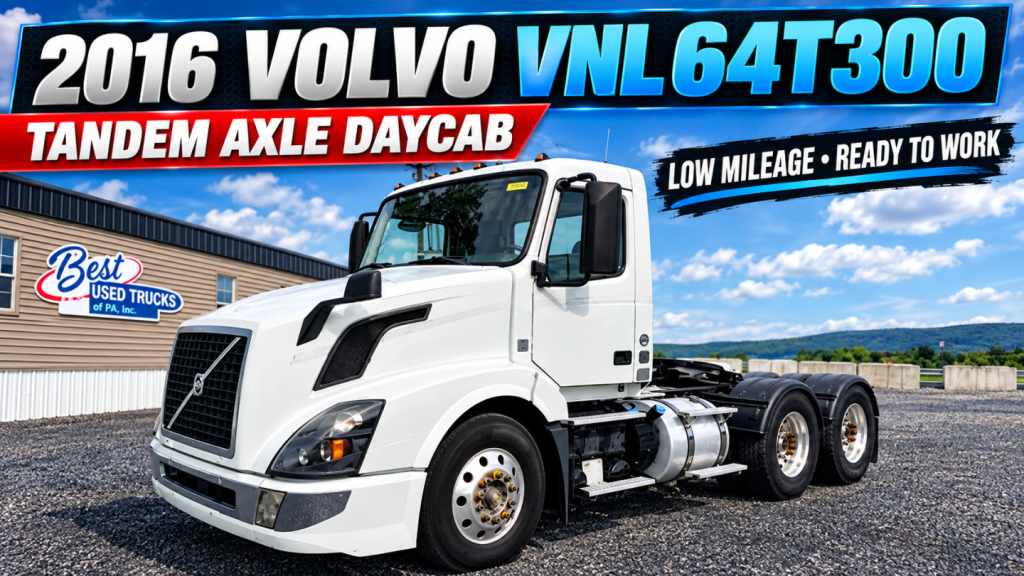
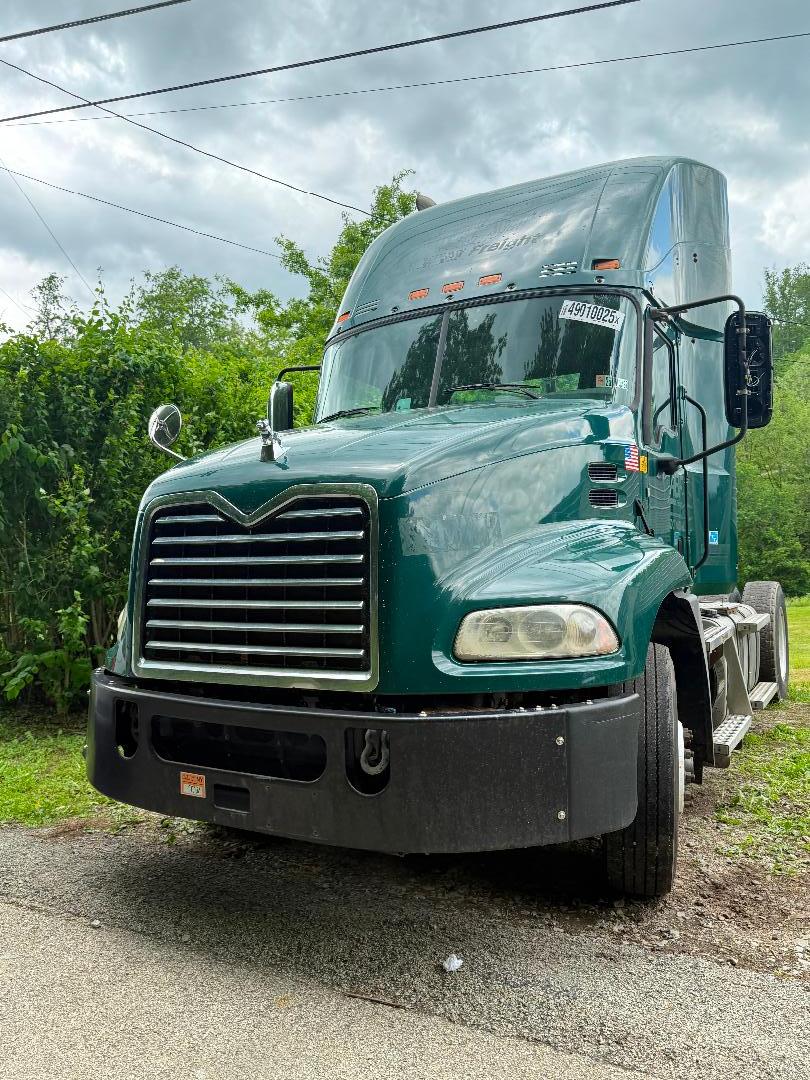
Have used 2016 conventional daycab truck to sell? List it here to reach thousands of buyers.
Used 2016 Conventional Daycab Trucks in Pennsylvania
A 2016 model year daycab often lands in a useful sweet spot for emissions, cab comfort, and drivetrain refinement without reaching the cost of much newer equipment. Common engines in this class include the Detroit DD13 and DD15, Cummins ISX series, Paccar MX engines, and Volvo D11 or D13 depending on make and model. Horsepower can range from the low 300s into the 500 HP class, but many buyers in regional freight prefer the mid-range spec that supports fuel economy and lower operating costs. Transmissions may be manual, automated manual, or full automatic, and a lot of fleet buyers specifically look for Eaton Fuller UltraShift or similar automated setups to simplify driver onboarding and reduce clutch wear. Axle ratings, suspension type, PTO readiness, and brake configuration matter just as much as engine badge when the truck is going into real work.
Pennsylvania buyers should pay close attention to rust, corrosion, and frame condition, especially on trucks that have seen winter road salt. A clean cab and strong drivetrain do not offset scaling in crossmembers, brake components, air tanks, wiring, or suspension hardware. Check steer tire wear, driveline vibration history, DEF and aftertreatment service records, and signs of hard vocational use if the truck has spent time in stop-and-go routes or heavy gross weight applications. For daycabs working the Northeast, useful features often include locking differentials, suspension dump, sliding fifth wheel, heated mirrors, engine brake, collision mitigation, and higher front axle ratings for heavier trailer loads or specialized body setups.
The best used 2016 conventional daycab truck is the one spec'd for the job it will actually do. A short wheelbase truck can be easier around tight yards, older industrial sites, and city streets, while a longer wheelbase may ride better and fit certain trailer swings or load distribution needs. Tandem axle configurations dominate the market, but the right cab height, fairing package, fuel tank layout, and air ride combination can make a noticeable difference in maintenance access and driver acceptance. Buyers comparing listings should look beyond miles alone and weigh total spec, maintenance history, emissions health, and how closely the truck matches the freight, terrain, and routing common across Pennsylvania.
Frequently Asked Questions about Used 2016 Conventional Daycab Trucks in Pennsylvania
What is a conventional daycab truck used for?
A conventional daycab truck is built for loads and routes that do not require an overnight sleeper. These trucks are commonly used for regional freight, drayage, local delivery, dedicated contract hauling, dump and bulk applications, and terminal shuttle work. The conventional hood design gives easier engine access than a cabover, and the daycab layout reduces weight and overall length compared with a sleeper tractor.
What should I check first on a used 2016 daycab in Pennsylvania?
Start with frame and undercarriage condition, especially rust from winter salt exposure. After that, review engine hours, mileage, aftertreatment history, transmission operation, suspension wear, brake condition, and tire pattern across all positions. Service records for DPF cleaning, DEF system repairs, injector work, and clutch or automated transmission maintenance can tell you more than odometer mileage alone.
Are 2016 conventional daycab trucks good for regional hauling?
Yes, 2016 daycabs are often a strong fit for regional hauling because they typically offer modern safety and emissions systems, improved cab ergonomics, and drivetrain options that were well established by that point. Many are spec'd with efficient mid-range horsepower, tandem rears, and automated manual transmissions that work well for multi-stop freight and short to medium runs. The key is matching the axle ratio, wheelbase, and engine rating to the weight and terrain of the route.
What specs matter most when comparing used conventional daycab trucks?
The most important specs are usually wheelbase, front and rear axle ratings, engine model and horsepower, transmission type, rear axle ratio, suspension, and fifth wheel configuration. Buyers should also check fuel capacity, tire size, braking system, PTO provisions, and cab features that affect uptime and driver use. A truck with the right spec for the lane often performs better than a higher horsepower truck that is mismatched to the trailers or operating environment.
How many miles is too many on a used 2016 daycab truck?
There is no single mileage cutoff that makes a 2016 daycab a bad buy. A well-maintained fleet tractor with higher miles can be a better value than a lower-mile truck with poor maintenance history, corrosion, or unresolved emissions issues. Buyers should judge miles together with engine hours, idle time, service documentation, component replacement history, and the overall condition of the chassis, cab, and driveline.