
Used 2016 Conventional Daycab Trucks For Sale in New York
Browse used 2016 conventional daycab trucks in New York. Compare wheelbase, axle ratings, engines, transmissions, and regional hauling specs.
Learn more
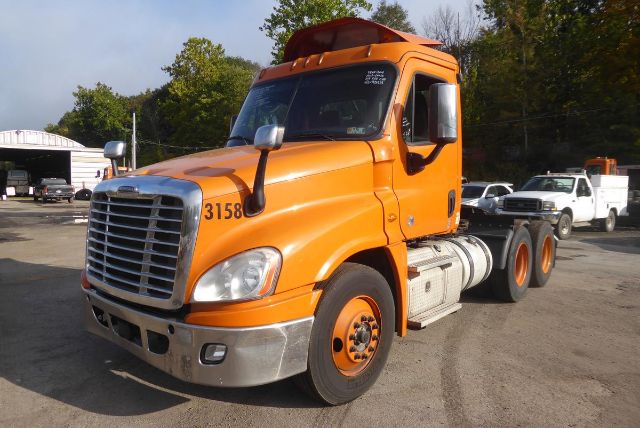
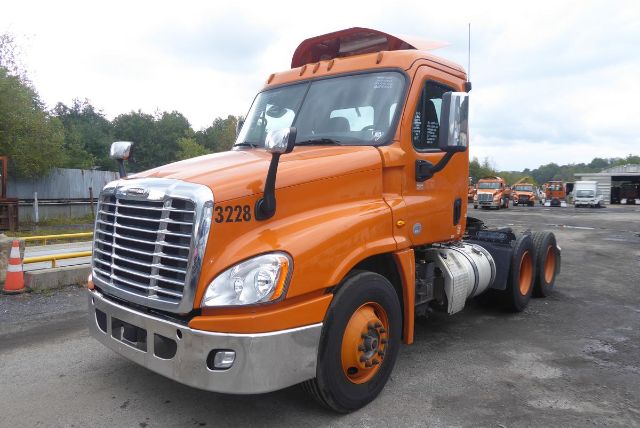
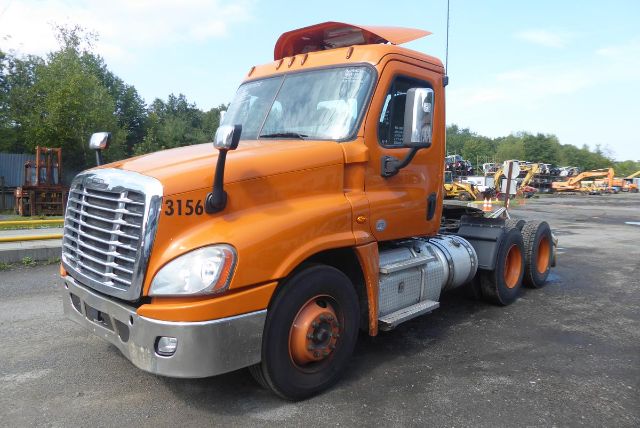
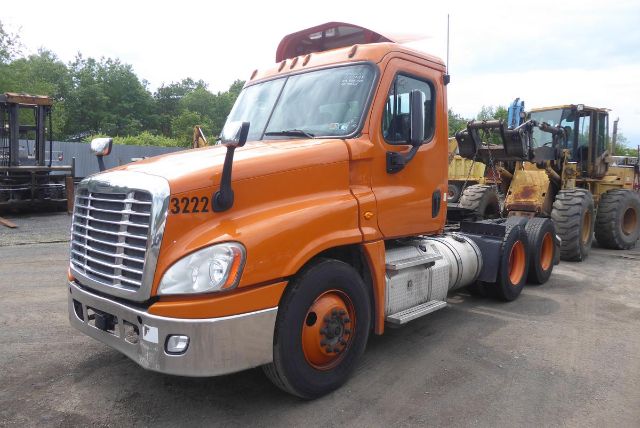
Showing 13 to 20 of 20 results
Have used 2016 conventional daycab truck to sell? List it here to reach thousands of buyers.
About Used 2016 Conventional Daycab Trucks in New York
In the 2016 model year, common spec points include 12,000 lb front axles, 23,000 lb to 40,000 lb rear axle ratings, air ride suspensions, and wheelbases often ranging from the mid-150-inch range up into the 180-inch range depending on the application. Engines in this class frequently include Detroit DD13, Volvo D11, Cummins ISX, and similar heavy-duty diesel platforms, usually paired with 10-speed manuals or 12-speed automated manuals like Detroit DT12 or Volvo I-Shift. For buyers comparing listings, rear axle ratio, engine brake type, DEF emissions equipment, and suspension design matter as much as horsepower. A 3.08 or 3.21 ratio may favor fuel economy and highway operation, while a 3.42 or deeper ratio can better support heavier starts, tighter route work, and vocational use.
Used 2016 daycabs should be evaluated closely for ECM miles versus dash miles, engine hours, aftertreatment service history, clutch or automated transmission calibration, and wear in the fifth wheel, suspension, and steering components. Air disc brakes are a valuable spec in this class because they improve stopping consistency and reduce fade in dense traffic. Cab to axle and cab to end dimensions also deserve attention, especially if the truck will pull specific trailer lengths or work around docks, terminals, and city streets. In New York, buyers often pay extra attention to rust, frame condition, and corrosion around crossmembers, battery boxes, air tanks, and cab mounts due to winter road treatment and year-round regional exposure.
The best used 2016 conventional daycab truck is the one whose existing spec matches the job with minimal rework. A single-frame tractor with a stationary fifth wheel may suit dedicated lane work, while an air-slide fifth wheel adds flexibility for changing trailer sets and kingpin settings. Tire size, hub style, fairing height, and fuel tank layout can all affect operating cost and compatibility with the rest of a fleet. When comparing trucks in this category, the smartest approach is to match the truck’s axle ratings, transmission type, suspension, and wheelbase to the freight, trailer, and route profile rather than shopping by make alone.
Frequently Asked Questions
What is a conventional daycab truck used for?
A conventional daycab truck is used for short-haul and regional tractor work where the driver returns home daily and does not need a sleeper. Common applications include container hauling, LTL, tanker, dump, refuse, municipal work, dedicated shuttle runs, and general freight. The conventional hood design provides easier engine access than cabover designs and is widely preferred for serviceability, driver familiarity, and broad parts support.
What should I check first on a used 2016 daycab tractor?
Start with the core mechanical and operating data: engine model, transmission, axle ratings, rear ratio, wheelbase, ECM miles, engine hours, and emissions system history. Then inspect the frame, suspension, fifth wheel, brakes, tires, and steering for wear that reflects the truck’s real duty cycle. On a 2016 model, DEF and aftertreatment maintenance records are especially important because poor maintenance in that system can create recurring downtime and expensive repairs.
Is an automated manual transmission a good choice in a 2016 conventional daycab?
An automated manual can be an excellent choice for regional and stop-and-go work if it has been maintained and calibrated properly. Systems like Detroit DT12 and Volvo I-Shift reduce driver fatigue, improve shift consistency, and can help with fuel economy across mixed fleets. The main buying consideration is service history, including clutch life, software updates, fault codes, and how the transmission performed under the truck’s prior application.
How do wheelbase and cab-to-axle measurements affect a daycab truck?
Wheelbase and cab-to-axle dimensions directly affect maneuverability, trailer swing clearance, bridge law positioning, and how the tractor handles weight distribution. A shorter wheelbase is generally better for city work, ports, and tight yards, while a longer wheelbase can improve ride quality and stability on higher-speed regional routes. Cab-to-axle measurement is especially important when matching the tractor to body equipment, wet kits, or specific trailer combinations.
Why do axle ratings and rear axle ratio matter on a used daycab?
Axle ratings determine the truck’s legal and practical load capability, while rear axle ratio influences launch performance, cruise rpm, and fuel economy. A lighter 23,000 lb rear setup may be enough for regional van or reefer work, but heavier vocational or high-GVW applications often require 40,000 lb rears and a more robust suspension. The ratio must match the route and load profile, because the wrong gearing can leave a truck underpowered in start-stop service or inefficient at highway speed.