
Used 1999 Conventional Daycab Trucks For Sale
Shop used 1999 conventional daycab trucks. Compare wheelbase, axle ratings, engine, transmission, and 5th wheel setup for regional work.
Have used 1999 conventional daycab truck to sell? List it here to reach thousands of buyers.
Used 1999 Conventional Daycab Trucks
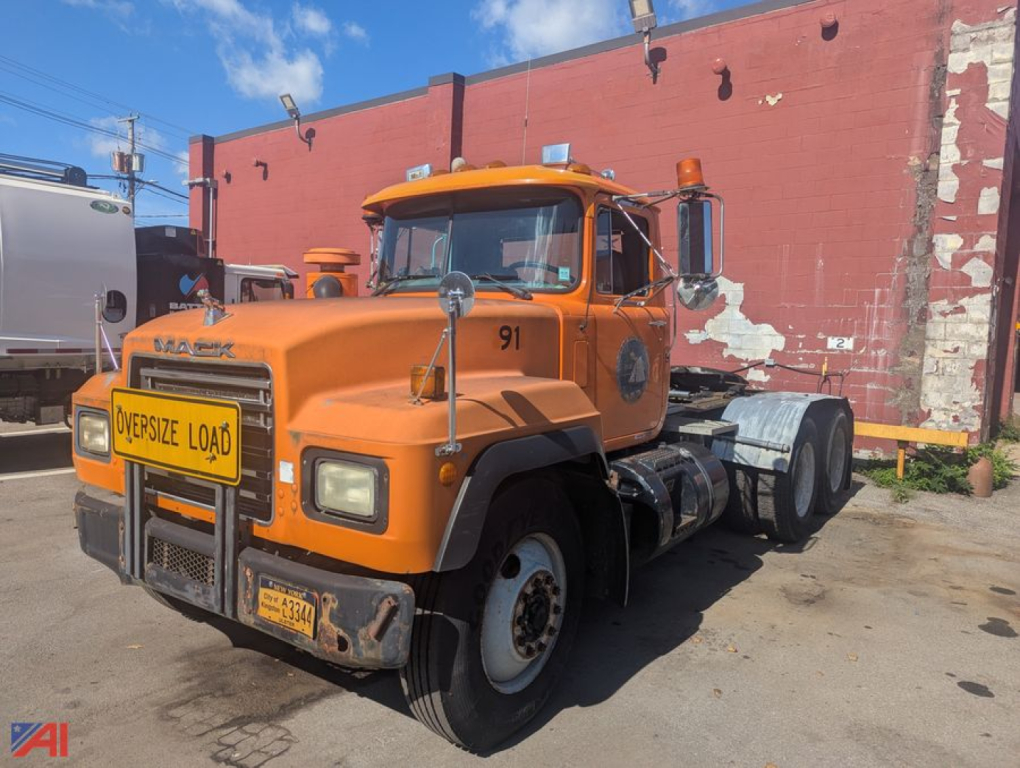
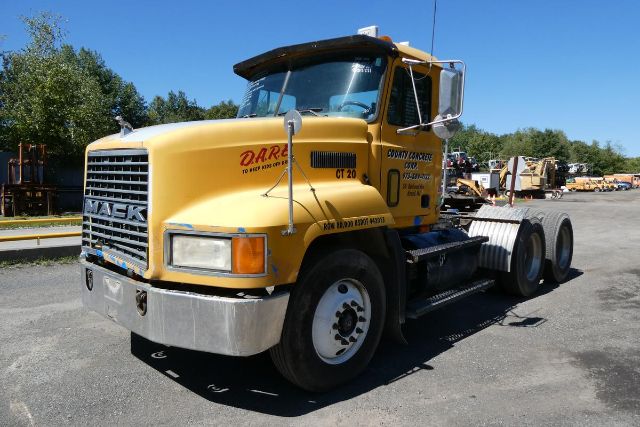
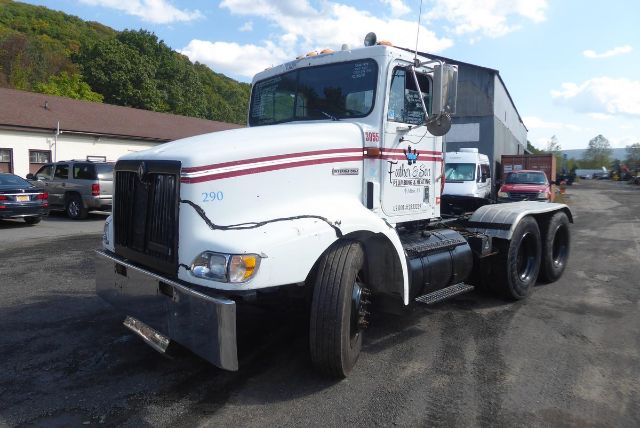
The first buying decision is the truck's intended job. A 1999 daycab set up for general freight may carry a 12,000 lb front axle, 34,000 to 40,000 lb rears, a 10-speed transmission, and air ride suspension. Regional fleet specs often include ratios in the mid-3s for balanced road speed and startability, while heavier vocational or local haul units may have deeper gears for low-speed pulling power. Wheelbase affects turning radius and trailer compatibility, and buyers should confirm cab-to-axle, cab-to-end, and 5th wheel travel if the truck will handle multiple trailer lengths or specialized body installations. Tire size, hub-piloted versus stud-piloted wheels, and brake type also matter because parts commonality can affect operating cost.
On a used 1999 conventional daycab, condition matters more than feature count. This is an age range where frame integrity, suspension wear, steering components, clutch life, driveline condition, and brake system health deserve close inspection. Engine family is especially important because overhaul cost, parts support, and shop familiarity can vary widely by platform. Check for blow-by, oil and coolant contamination, cold-start behavior, injector or pump issues, transmission synchronizer wear, and differential noise under load. If the truck has air ride, inspect air bags, height control valves, torque arms, and crossmembers. Inside the cab, gauge function, HVAC operation, seat base wear, and electrical repairs often reveal how the truck was maintained over time.
A well-matched 1999 conventional daycab can still make sense for buyers who want a lower acquisition cost, a straightforward drivetrain, and a truck that can be maintained without the complexity of newer emissions systems. The best value usually comes from matching the axle and gearing package to the route, trailer weight, and stop-and-go frequency instead of shopping by horsepower alone. For regional freight, container work, farm hauling, or yard and terminal operations, these trucks remain a practical choice when the chassis spec is right and the major components have been evaluated carefully.
Frequently Asked Questions about Used 1999 Conventional Daycab Trucks
What is a conventional daycab truck?
A conventional daycab truck is a highway-style tractor with a hooded engine and no sleeper compartment behind the cab. It is designed for local, regional, and return-to-base operations where the driver does not need overnight accommodations. Compared with sleeper tractors, daycabs are typically lighter, shorter, and easier to maneuver in urban, terminal, and dock environments.
What should I check first on a used 1999 conventional daycab?
Start with the major components and chassis integrity. The engine, transmission, differentials, frame rails, suspension, steering gear, brakes, and electrical system will tell you more about the truck's value than cosmetic condition. Service records, cold-start behavior, fluid condition, visible leaks, tire wear patterns, and signs of previous frame or cab damage are especially important on an older daycab.
Are 1999 daycab trucks good for regional hauling?
Yes, many 1999 conventional daycab trucks were originally spec'd for regional and local freight. The key is matching the truck's horsepower, transmission, rear axle ratio, suspension, and wheelbase to the intended route and trailer type. A properly spec'd truck can still perform well in short-haul service, but older equipment should be evaluated carefully for reliability and parts support before going to work.
What axle and suspension specs are common on conventional daycab trucks?
Common configurations include a 12,000 lb front axle with tandem rears rated from 34,000 to 40,000 lbs, depending on the truck's application. Air ride suspension is common for freight work because it improves ride quality and helps protect cargo, while heavier vocational specs may use more robust setups aimed at durability and traction. Buyers should also confirm gear ratio, power divider presence, and brake configuration because those details affect performance and maintenance cost.
Why do wheelbase and 5th wheel position matter on a daycab?
Wheelbase affects turning radius, bridge compliance, weight distribution, and how the tractor handles different trailer lengths. The 5th wheel position, including whether it is stationary or sliding, determines kingpin setting flexibility and how easily the truck can be adapted to multiple trailer types. If the truck will move van, flatbed, container, or specialized trailers, these dimensions can be just as important as engine horsepower.