
New Conventional Daycab Trucks For Sale in Alabama
New conventional daycab trucks for sale in Alabama. Compare wheelbases, engines, transmissions, axle ratings, and vocational specs.
Learn moreBrowse Conventional Daycab Trucks by Make
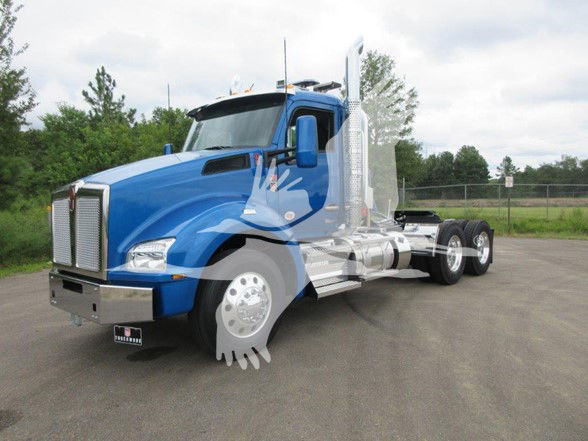
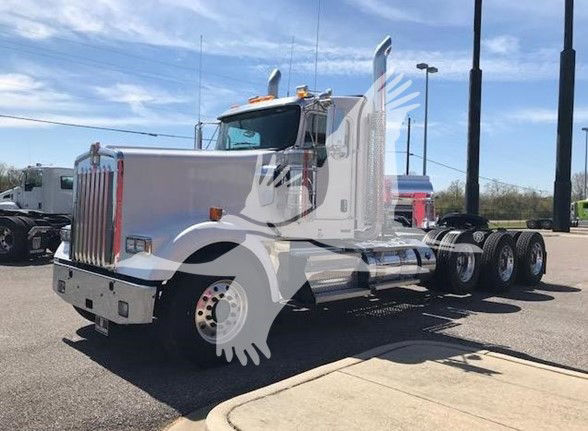
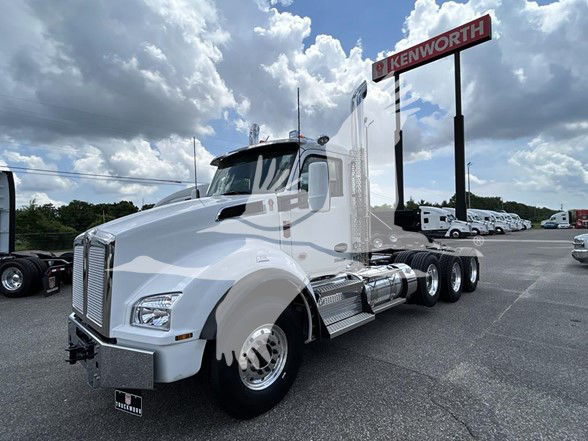
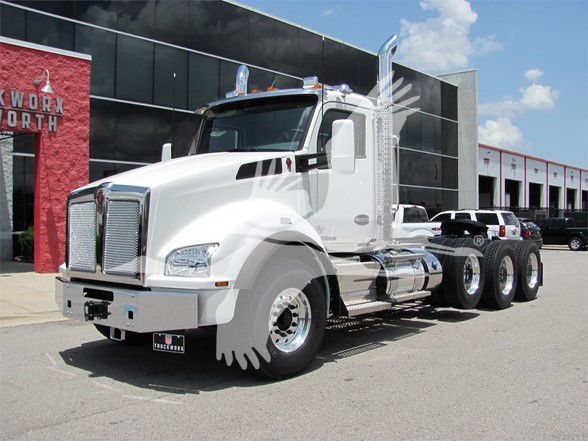
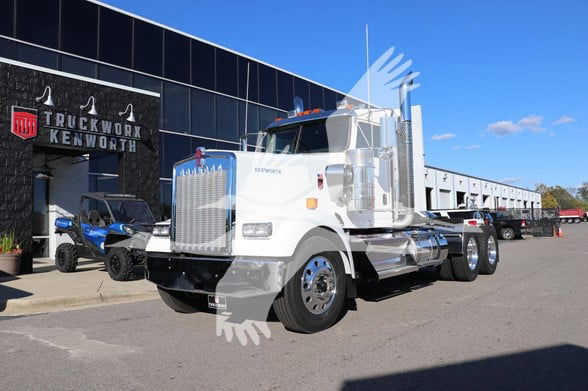
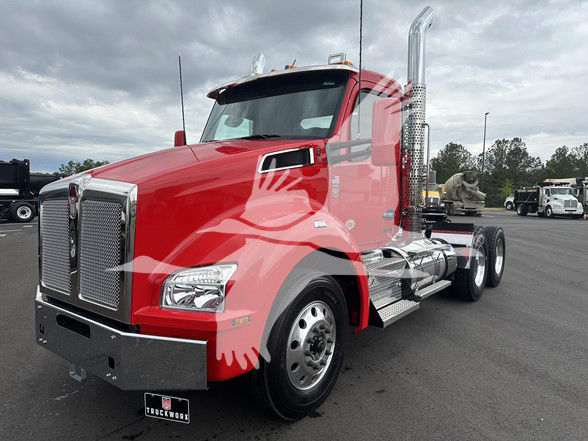
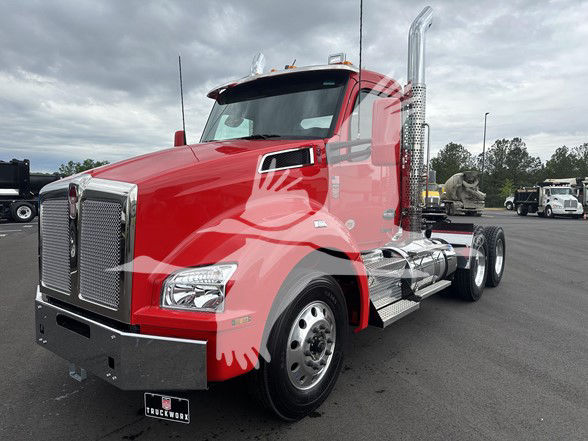
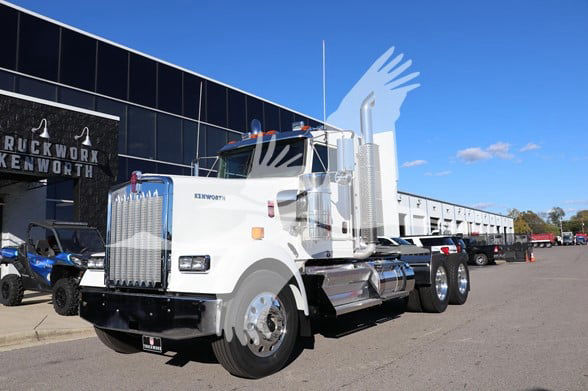
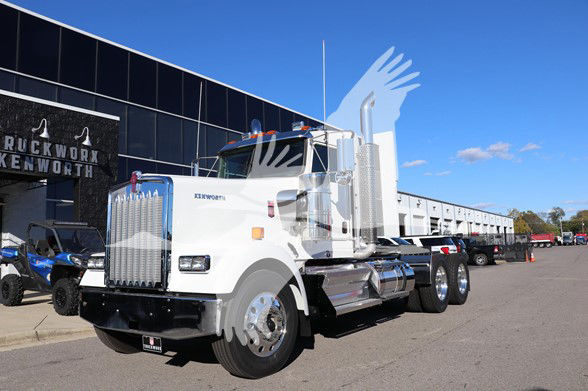
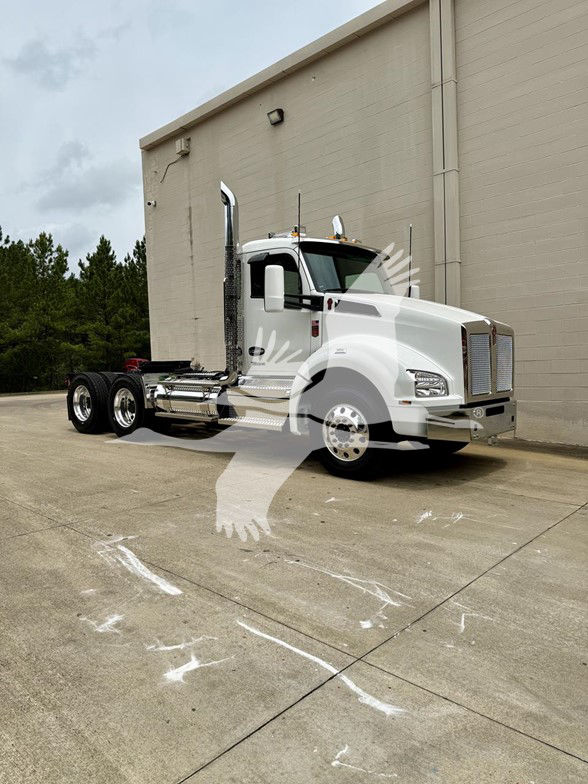
Showing 1 to 12 of 22 results
Have new conventional daycab truck to sell? List it here to reach thousands of buyers.
About New Conventional Daycab Trucks in Alabama
The most important buying decision is the chassis and driveline match. Conventional daycab trucks are available in highway-oriented and vocational configurations, with common setups including tandem axle tractors, lift axle variants, and severe-duty specs. Wheelbase has a major effect on turning radius, bridge law flexibility, trailer gap, and how the truck handles a wet kit, headache rack, pusher axle, or heavy fifth wheel loads. Buyers should pay close attention to front axle and rear axle ratings, suspension type, frame rail strength, and fifth wheel placement. In this category, engines like the Cummins X15 are common, paired with manual, automated manual, or full automatic transmissions such as Eaton Endurant or Allison, depending on whether the truck is headed to linehaul, lowboy, or stop-and-go vocational service.
For Alabama operations, spec details matter because the work can range from interstate pulling on I-20, I-65, and I-10 to jobsite access, logging roads, and plant traffic. A highway daycab may prioritize fuel economy, aerodynamic mirrors, fairings, and a downsped drivetrain. A vocational conventional daycab may need a set-back front axle, heavier cooling package, engine brake, double frame, high-capacity front springs, full locking differentials, and PTO capability. If the truck will pull lowboys, dump trailers, or tankers, look closely at GCWR, transmission gearing, rear axle ratio, and brake spec. If it will stay in regional van or flatbed service, ride quality, visibility, and fuel tank capacity may carry more weight than extreme axle capacity.
Cab layout and long-term serviceability also separate one new conventional daycab from another. Interior room, extended cab options, switch layout, and visibility affect driver comfort on local and regional routes. Exterior choices like aluminum or steel wheels, disc or drum brakes, and fairing packages influence maintenance cost and application fit. Buyers comparing new conventional daycab trucks should think past the badge and focus on how the truck is ordered: wheelbase, engine rating, transmission type, suspension, axle ratio, PTO prep, and body or trailer interface. A well-spec'd daycab can serve as anything from a fuel-efficient regional tractor to a purpose-built heavy haul platform.
Frequently Asked Questions
What is a conventional daycab truck?
A conventional daycab truck is a Class 8 tractor with a standard hooded cab and no sleeper compartment. It is designed for local, regional, and vocational work where the driver does not need overnight accommodations. Compared with a sleeper tractor, a daycab typically offers lower weight, better maneuverability, easier cab access, and a lower purchase price when similarly equipped.
What specs matter most when buying a new conventional daycab?
The core specs are wheelbase, engine rating, transmission type, front and rear axle ratings, suspension, rear axle ratio, and fifth wheel location. Those items determine turning radius, payload capability, trailer compatibility, and how well the truck matches the intended route or job. Buyers should also confirm PTO provisions, frame strength, brake type, and cooling capacity if the truck will be used in vocational or heavy haul service.
Are conventional daycab trucks good for heavy haul or lowboy work?
Yes, but only when the truck is spec'd correctly for that application. Heavy haul daycabs often use stronger frame rails, higher axle ratings, specialized suspension, aggressive axle ratios, and transmissions built to handle high gross combined weights. A lowboy tractor may also need a longer wheelbase, wet kit, heavy-duty fifth wheel, and cooling and braking upgrades that would not be necessary on a lighter regional tractor.
Is an automated manual or Allison automatic better in a daycab?
It depends on the duty cycle. An automated manual transmission is common in regional and highway service because it balances fuel economy, driver consistency, and lower fatigue. An Allison automatic is often preferred for stop-and-go, vocational, municipal, or jobsite work where smooth low-speed control and easy operation matter more than highway-focused efficiency. The right choice comes down to terrain, traffic, gross weight, and driver usage.
Why does wheelbase matter on a conventional daycab?
Wheelbase affects maneuverability, ride quality, bridge compliance, weight distribution, and trailer clearance. A shorter wheelbase is usually easier to turn in tight yards, city streets, and plant entrances. A longer wheelbase can improve stability, allow for more fuel capacity or equipment mounting space, and better suit heavy haul or specialty trailer applications. It should always be matched to the trailer, the load, and the operating environment.