
Used Mack Conventional Daycab Trucks For Sale in Pennsylvania
Shop used Mack conventional daycab trucks in Pennsylvania. Compare Pinnacle and other road tractor specs, axle setups, horsepower, and fleet-ready features.
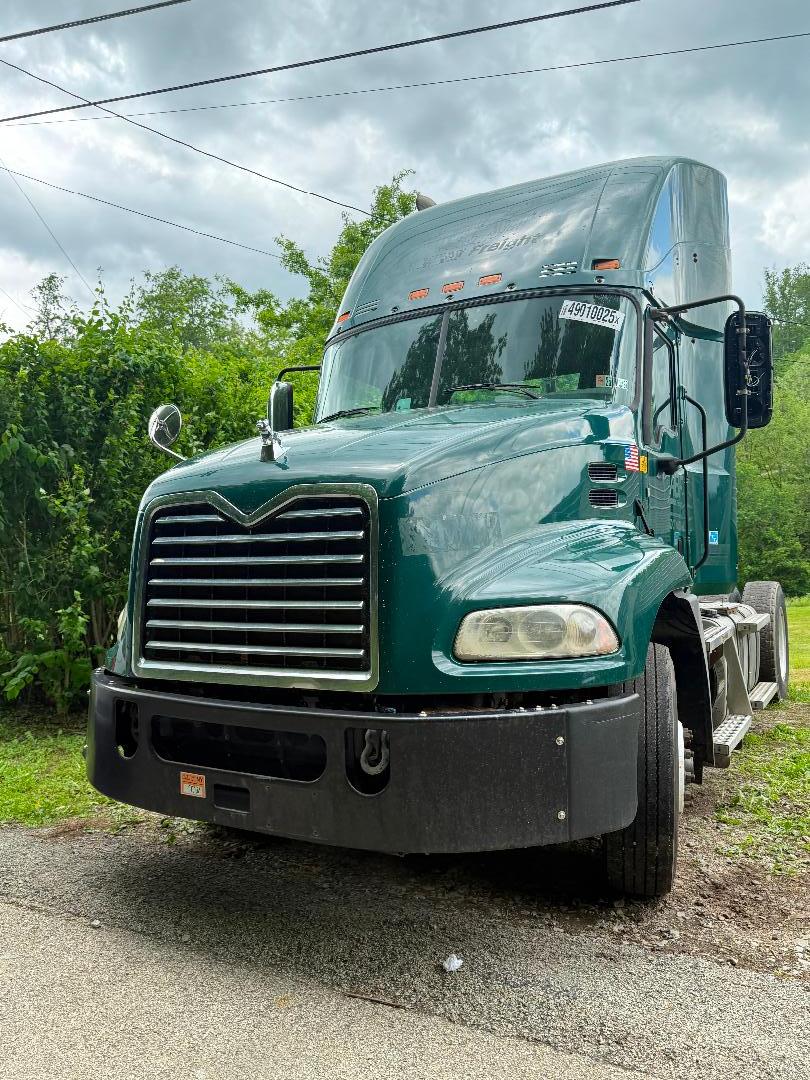

Have used mack conventional daycab truck to sell? List it here to reach thousands of buyers.
Used Mack Conventional Daycab Trucks in Pennsylvania
The Mack Pinnacle is one of the most recognized conventional daycab platforms on the used market, and many buyers start with engine and transmission pairing before anything else. Mack MP7 and MP8 engines are common, with horsepower ratings often ranging from the mid-300s into the 500 hp class depending on spec. Automated manual and full automatic transmissions show up regularly, and both can make sense depending on route profile and driver base. For stop-and-go regional work, fleet buyers often prefer simpler drivability and reduced training time. Rear axle ratios, suspension spec, and wheelbase should be matched to the trailer mix and legal weight target. A tandem axle daycab set up for van or reefer work will look different from one used for dump, pneumatic, or heavier short-haul applications.
On a used Mack daycab, condition matters most in the high-cycle components. Buyers should pay close attention to mileage, idle hours if available, aftertreatment history, clutch or transmission performance, suspension wear, and signs of frame or fifth wheel stress. In Pennsylvania, corrosion is a real consideration, so check the cab mounts, battery boxes, crossmembers, air tanks, brake components, and any exposed wiring or brackets. Fleet-maintained trucks can be a strong value if service records show consistent PM intervals, DPF cleaning history, injector or turbo work, and recent brake and tire replacement. Inside the cab, look for power options, air ride seats, cruise control, and a straightforward dash layout that suits regional driver use.
A good used Mack conventional daycab should be evaluated as a total operating package, not just by price or engine badge. Think about front axle capacity, suspension type, PTO needs, fuel tank size, and fifth wheel setup including slide travel and mounting condition. If the truck will spend most of its time grossing near legal limits, drivetrain spec and maintenance history carry more weight than cosmetic condition. If it is headed into dedicated local freight lanes, uptime, turning radius, and driver comfort may matter more. Mack daycabs remain a practical choice for buyers who want a durable regional tractor with broad parts support, familiar controls, and specs that can fit everything from dry van and reefer work to heavier vocational-style hauling.
Frequently Asked Questions about Used Mack Conventional Daycab Trucks in Pennsylvania
What is a Mack conventional daycab best suited for?
A Mack conventional daycab is best suited for local, regional, and short-haul work where a sleeper is not needed. Common applications include dry van, reefer, container, dump, and equipment hauling routes that return the driver home daily. The daycab layout reduces overall weight and length, which can improve maneuverability in tighter Pennsylvania terminals, city streets, and industrial sites.
Which Mack engines are common in used daycab trucks?
Many used Mack conventional daycabs are equipped with MP7 or MP8 diesel engines. The MP7 is often found in regional tractor specs where fuel economy and balanced power are priorities, while the MP8 is more common when buyers need higher horsepower and torque for heavier loads or tougher terrain. The right engine depends on gross weight, trailer type, route profile, and how much stop-and-go driving the truck will see.
What should I inspect on a used Mack daycab in Pennsylvania?
Rust and corrosion should be part of the first inspection, especially on frame components, crossmembers, cab supports, brackets, and air system hardware. Buyers should also review aftertreatment service history, engine fault codes, suspension wear, brake condition, tire wear patterns, and fifth wheel wear. A truck that has spent years on salted roads can still be a solid buy, but undercarriage condition and maintenance records need to support the price.
Is an automatic transmission a good choice in a Mack daycab?
An automatic or automated transmission can be a strong fit for a Mack daycab used in regional and urban freight. These setups can reduce driver fatigue, simplify hiring across mixed experience levels, and improve consistency in stop-and-go service. For buyers focused on ease of operation and multi-driver use, an automatic-equipped daycab often makes practical sense, provided shifting performance and maintenance history check out.
How do I choose the right used Mack daycab spec for my operation?
Start with the load and trailer before looking at cosmetic features. Match the truck's horsepower, torque, rear axle ratio, wheelbase, suspension, and axle ratings to the freight you intend to haul. A lighter regional van tractor may prioritize fuel economy and maneuverability, while a heavier short-haul spec may need more engine, stronger suspension, and a fifth wheel setup built for frequent trailer changes and higher pin weight.