
Used 2015 Mack Conventional Daycab Trucks For Sale
Browse used 2015 Mack conventional daycab trucks with specs, applications, axle ratios, mDRIVE options, and buyer tips for regional hauling.
Learn more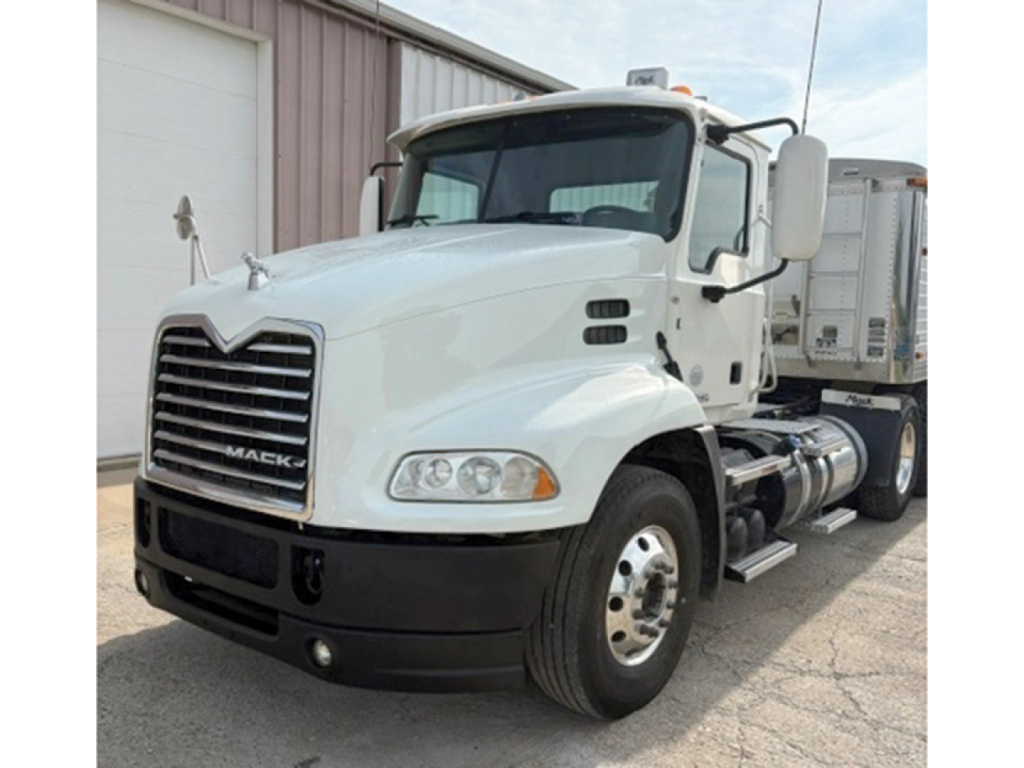
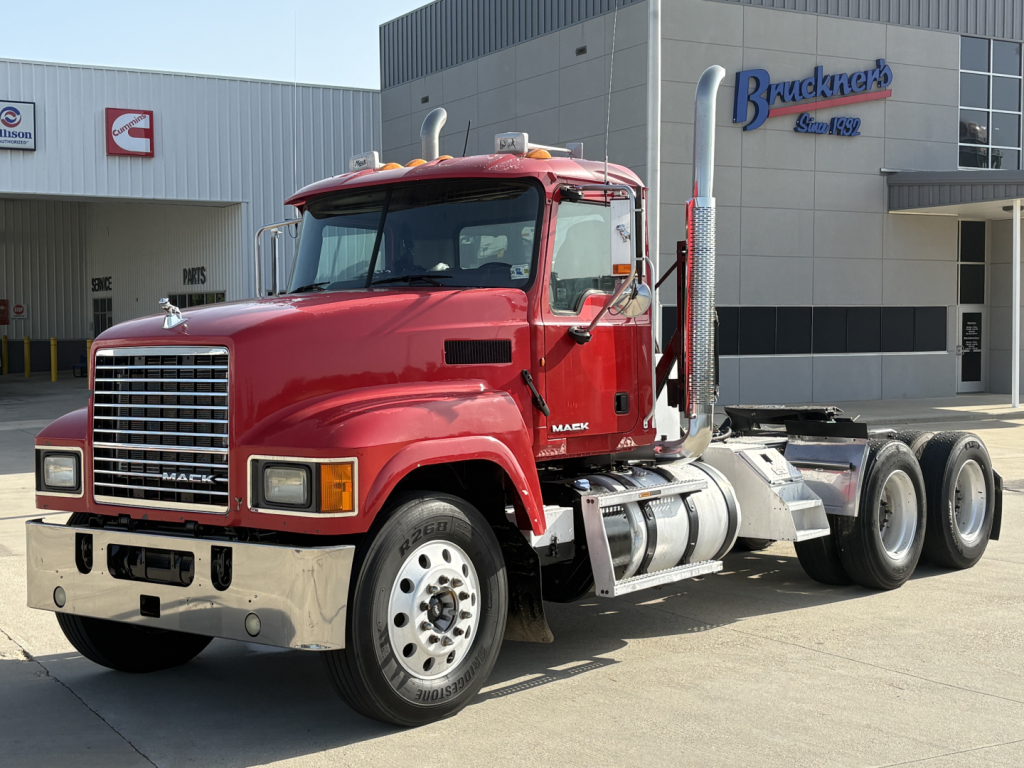
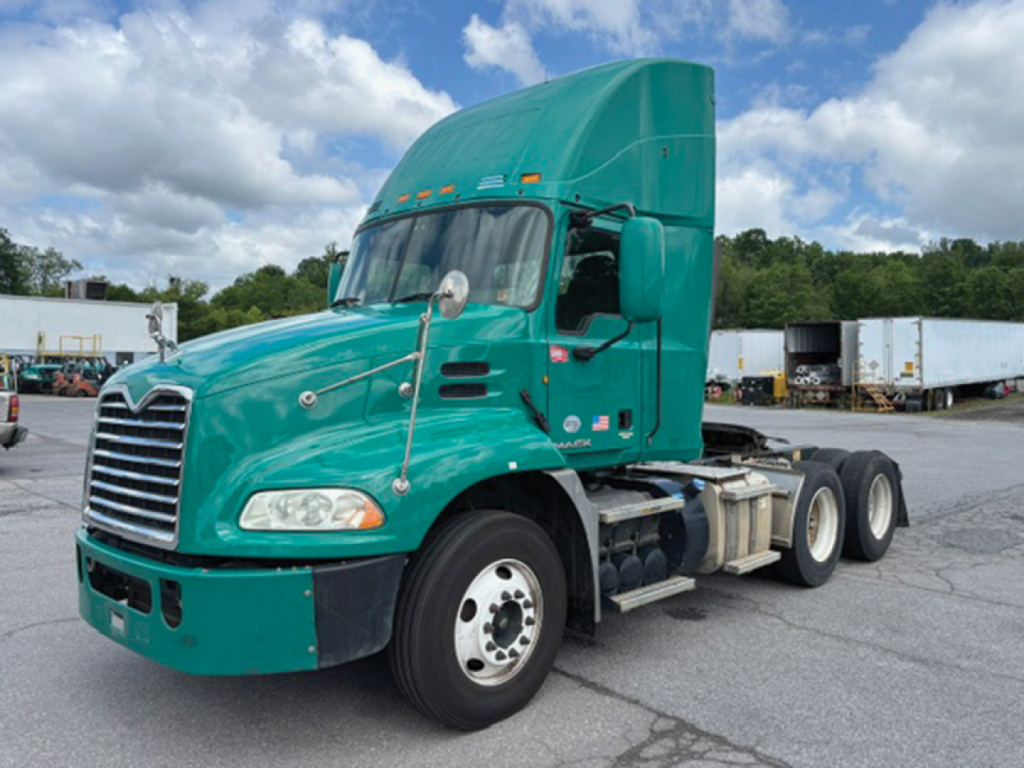
Have used 2015 mack conventional daycab truck to sell? List it here to reach thousands of buyers.
About Used 2015 Mack Conventional Daycab Trucks
On a 2015 Mack daycab, the powertrain is usually the first decision point. Many are spec'd with Mack MP7 or MP8 diesel engines paired to either a Mack manual or mDRIVE automated manual transmission. Horsepower ratings, torque output, rear axle ratio, and wheelbase should match the intended job. A regional van or reefer tractor may be better with a fuel-economy ratio and aero package, while heavier vocational or tanker work may call for more horsepower, deeper gearing, higher axle capacity, and a sturdier suspension spec. Typical buyer checkpoints include front axle rating, rear axle rating, suspension type, fifth wheel style, PTO capability, and brake configuration.
Cab and chassis details matter on used Mack conventional daycabs because the same model family can be spec'd very differently. Look closely at wheelbase, fairings, fuel tank capacity, single or dual exhaust, and tire setup such as 22.5 or 24.5 rubber, low-pros, or super singles. For fleet buyers, consistency across transmission calibration, dash layout, and axle spec can simplify training and maintenance. For owner-operators, ride quality, turning radius, service history, emissions system condition, and the presence of an engine brake often carry more value than cosmetic upgrades. On 2015 emissions-era trucks, the health of the DPF, DEF system, sensors, and software updates deserves careful review before purchase.
Mack conventional daycabs are generally favored by buyers who want a durable chassis, strong vocational crossover capability, and an integrated Mack engine and transmission package. The best unit is usually the one with the right application match, not simply the highest horsepower rating. A buyer comparing used 2015 Mack daycabs should weigh miles, idle hours, maintenance records, axle ratio, suspension, and cab configuration together. That approach gives a clearer picture of fuel economy, drivability, and long-term operating cost than model name alone.
Frequently Asked Questions
What is a Mack conventional daycab truck best used for?
A Mack conventional daycab is best suited for regional and local tractor work where the driver returns home daily and does not need sleeper space. Common applications include dry van, reefer, tanker, port drayage, bulk haul, dump trailer service, and dedicated route operations. The shorter cab helps reduce weight and can improve maneuverability compared with a sleeper tractor, which is valuable in terminals, customer yards, and city delivery environments.
What should I check first on a used 2015 Mack daycab?
Start with the engine, transmission, and emissions system history. On a 2015 truck, review maintenance records for the MP7 or MP8 engine, mDRIVE or manual transmission service, DPF cleanings, DEF system repairs, and any fault code history. Then confirm the axle ratings, wheelbase, suspension, and rear axle ratio to make sure the truck was spec'd for the type of freight you plan to pull. A clean-looking truck with the wrong gearing or axle spec can be a poor fit operationally.
Is the Mack mDRIVE a good choice in a used daycab?
The Mack mDRIVE automated manual is a common choice for fleets and regional operators because it can improve driver consistency, reduce shifting fatigue, and support fuel economy when properly spec'd. In a used truck, the key is not just whether it has mDRIVE, but whether the clutch, calibration, software updates, and service history are in good order. Buyers should also confirm that the transmission programming matches the truck's application, especially if the unit will be used in heavy stop-and-go or vocational service.
How important is axle ratio on a used Mack conventional daycab?
Axle ratio is one of the most important specs because it affects launch performance, cruising rpm, gradeability, and fuel economy. A numerically lower ratio such as 2.64 or 3.08 may favor highway fuel economy, while a higher ratio such as 3.55 or 3.73 can be better for heavier loads, more starts and stops, or demanding terrain. The right ratio depends on the engine torque curve, transmission, tire size, and the weight and type of trailer being pulled.
Are 2015 Mack daycabs good for fleet standardization?
Yes, many fleets use Mack daycabs for standardization because they are available with integrated Mack powertrains, straightforward vocational and highway specs, and a cab layout that works well in regional service. The advantage grows when units share the same wheelbase, axle ratio, suspension, brake package, and transmission setup. That consistency helps with driver familiarity, parts stocking, shop procedures, and resale planning across the fleet.