
Mack Conventional Daycab Trucks For Sale in Georgia

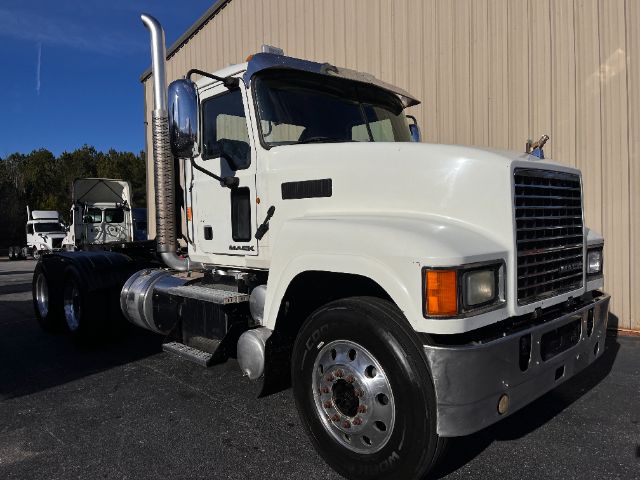
Have mack conventional daycab truck to sell? List it here to reach thousands of buyers.
Mack Conventional Daycab Trucks in Georgia
For many buyers, the driveline is the first decision. Mack CHU and Pinnacle daycabs are commonly spec'd with the MP8 engine, often in the mid-400 to 500 horsepower range, paired with either a manual transmission or Mack mDrive automated manual. A 6x4 tandem axle setup is standard for heavier tractor applications, with rear axle ratings around 40,000 pounds and front axles commonly around 12,000 pounds. Wheelbase matters more than many buyers expect. A shorter wheelbase around the high-160-inch range turns easier and suits port or urban work, while a longer wheelbase around 216 inches leaves more room for wet kit installation, frame-mounted equipment, and certain trailer combinations.
Application should drive the spec. A Mack daycab with a wet kit is a practical choice for end dumps, live floors, lowboys, and other hydraulic trailer work. If the truck will stay on highway freight, buyers often focus more on axle ratio, cruise speed, and transmission type. Ratios such as 3.36 can support fuel-efficient linehaul operation, while heavier vocational use may call for a different balance of startability and road speed. Air ride suspension, engine brakes, sliding fifth wheels, and aluminum wheels are all common features that affect ride quality, trailer compatibility, and service life. Tire size also deserves attention, with 11R24.5 and low-profile 22.5 setups both showing up depending on intended ride height, gearing, and replacement cost preferences.
Mack daycabs tend to appeal to buyers who want a straightforward tractor with strong frame integrity, proven power, and widely recognized vocational capability. When comparing listings, pay close attention to engine brake spec, suspension type, fifth wheel style, wheelbase, rear ratio, and any signs the truck was purpose-built for a specific job such as heavy haul or hydraulic trailer service. In a used Mack conventional daycab, the right match is less about model year alone and more about how the original spec lines up with the work you need it to do in Georgia and across the Southeast.
Frequently Asked Questions about Mack Conventional Daycab Trucks in Georgia
What is a Mack conventional daycab truck best used for?
A Mack conventional daycab is best suited for local and regional hauling where a sleeper is not needed. Common uses include container drayage, dump and aggregate hauling, tanker work, flatbed operations, equipment transport, and general freight. The conventional hood layout provides easier engine access for service, and the daycab configuration reduces empty weight and overall length for better maneuverability around yards, ports, and city routes.
What Mack engine and transmission combinations are common in daycab trucks?
Many Mack conventional daycabs are equipped with the Mack MP8 engine, typically rated from the mid-400 horsepower range up to around 500 horsepower depending on the intended application. Buyers will commonly see traditional 10-speed manual transmissions as well as Mack mDrive automated manuals. A manual can appeal to fleets or owner-operators who want direct control and lower electronic complexity, while mDrive can improve driver consistency and reduce fatigue in stop-and-go service.
How important is wheelbase on a Mack daycab?
Wheelbase is a major buying factor because it affects turning radius, bridge law flexibility, frame space, and trailer compatibility. A shorter wheelbase generally works better for port work, urban delivery, and operations that require tighter maneuvering. A longer wheelbase can provide better ride quality and more room for accessories such as wet kits, headache racks, or frame-mounted components. Buyers should match wheelbase to trailer type, axle spread needs, and the operating environment.
Should I look for a wet kit on a Mack daycab?
A wet kit is important if the truck will pull hydraulic trailers such as end dumps, lowboys, live floors, or some walking floor applications. Buying a truck that already has the correct wet kit setup can save installation cost and downtime, but the system still needs to be checked for pump condition, tank mounting, plumbing quality, and compatibility with the trailer equipment you plan to run. If the truck will only haul standard dry van, reefer, or many flatbed loads, a wet kit is usually unnecessary.
What should I inspect first on a used Mack conventional daycab?
Start with the spec sheet, then confirm that the truck matches it. Key items include engine model and horsepower, transmission type, rear axle ratio, suspension, wheelbase, front and rear axle ratings, and fifth wheel configuration. After that, inspect the frame rails, suspension bushings, driveline, clutch or automated transmission operation, engine brake performance, tire wear pattern, and any signs of prior vocational abuse. Service records, emissions system history, and evidence of proper preventive maintenance are especially important on higher-mileage regional tractors.