
Used 2024 Kenworth Conventional Daycab Trucks For Sale in Illinois
Have used 2024 kenworth conventional daycab truck to sell? List it here to reach thousands of buyers.
Used 2024 Kenworth Conventional Daycab Trucks in Illinois
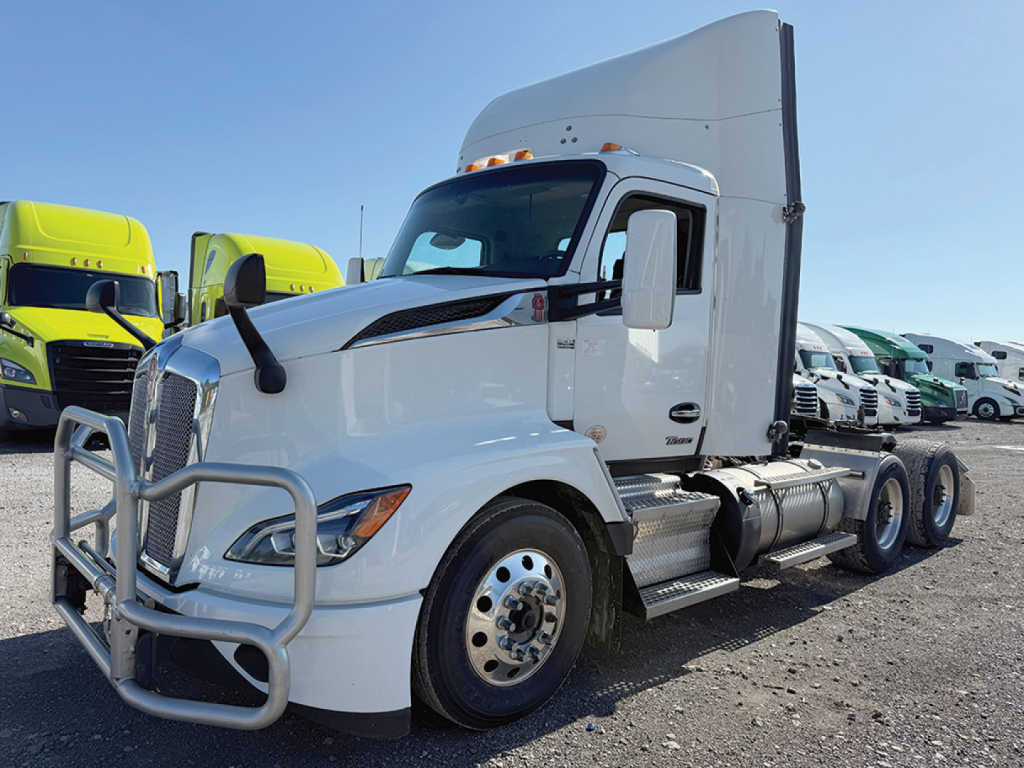
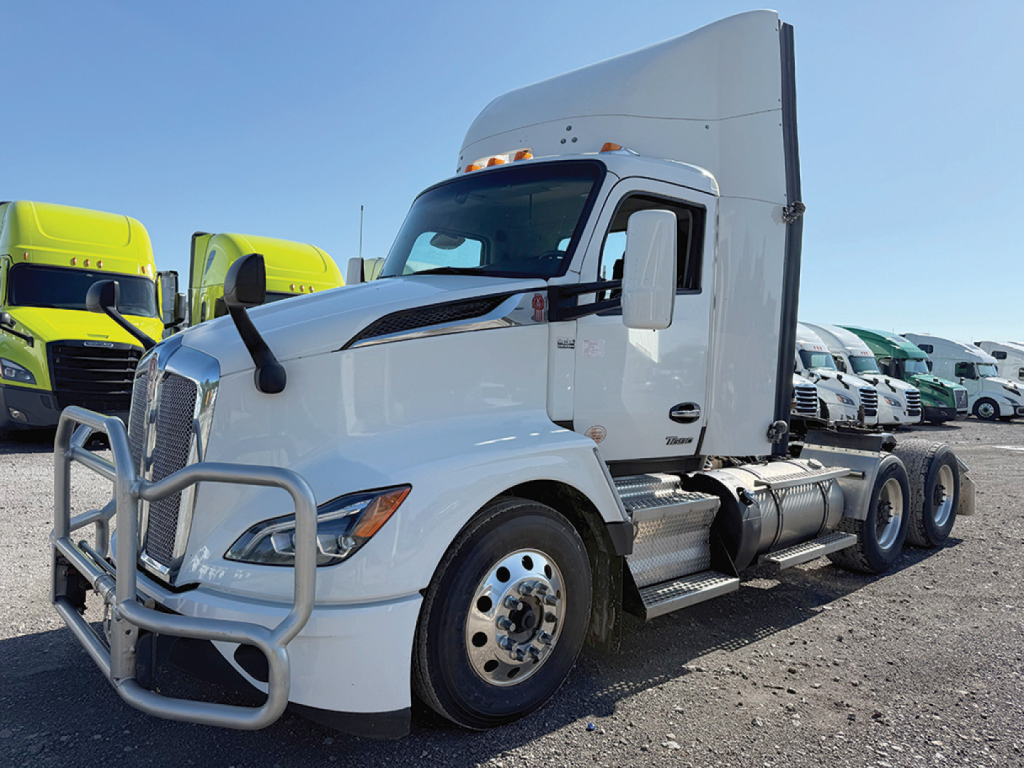
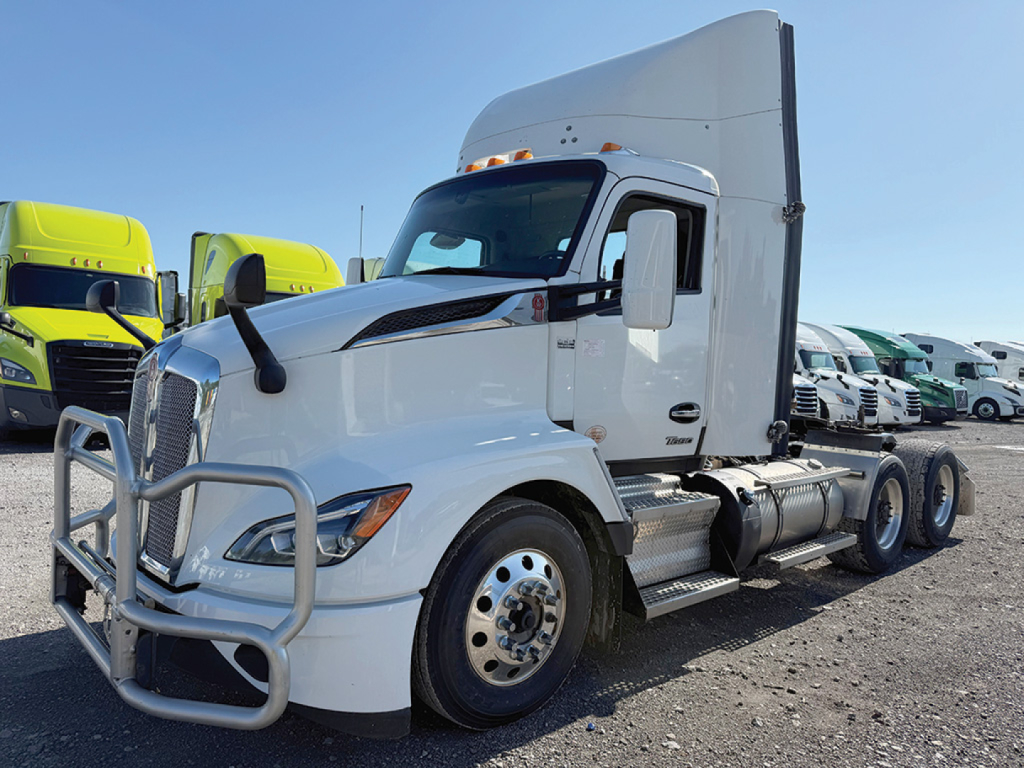
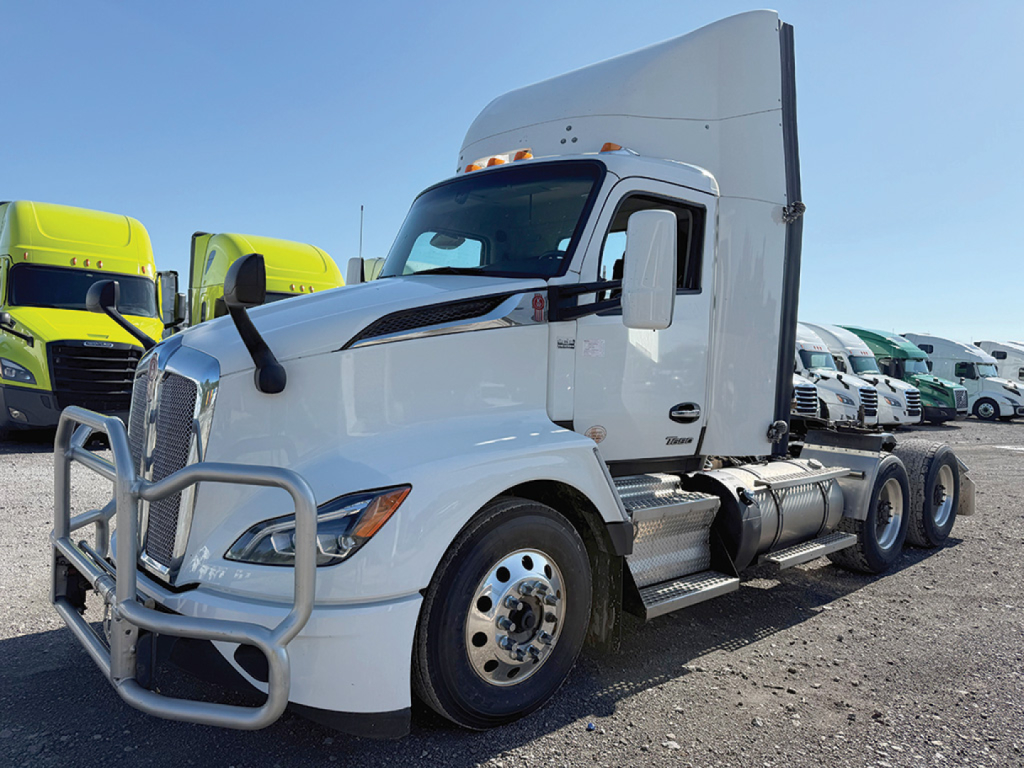
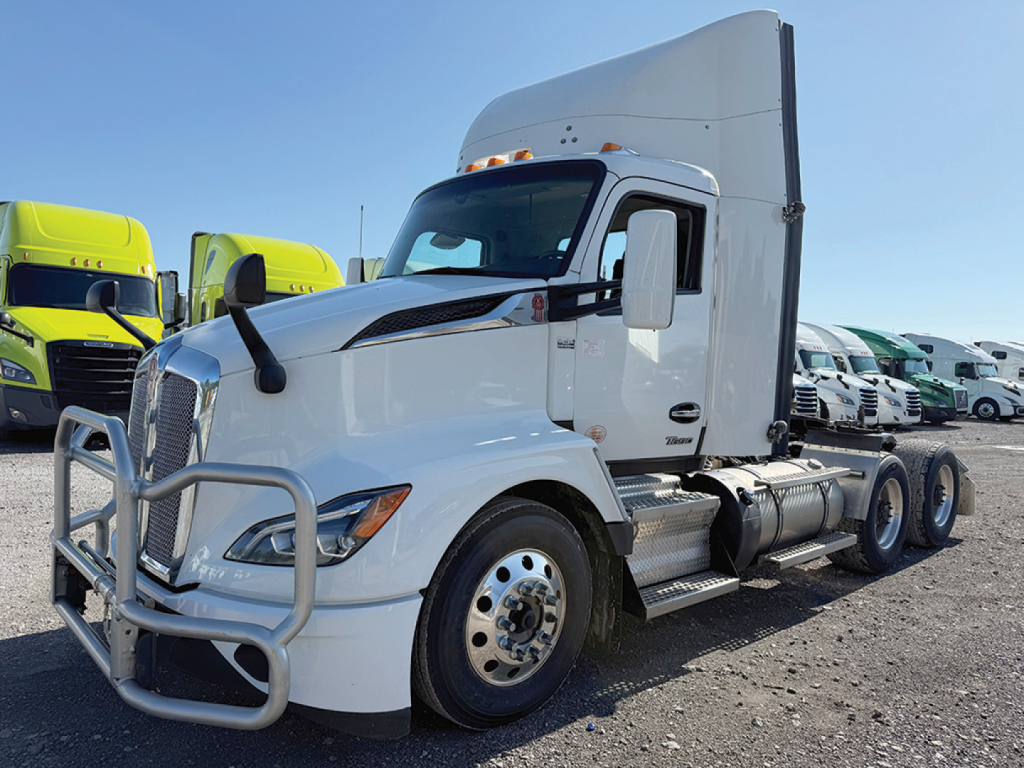
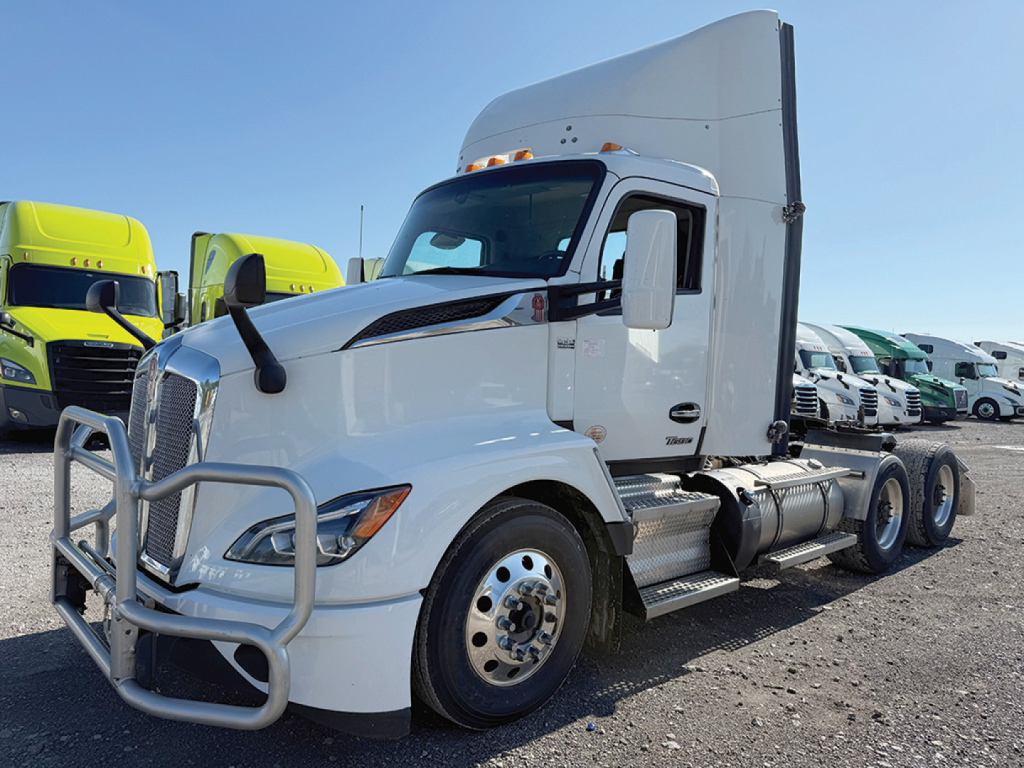
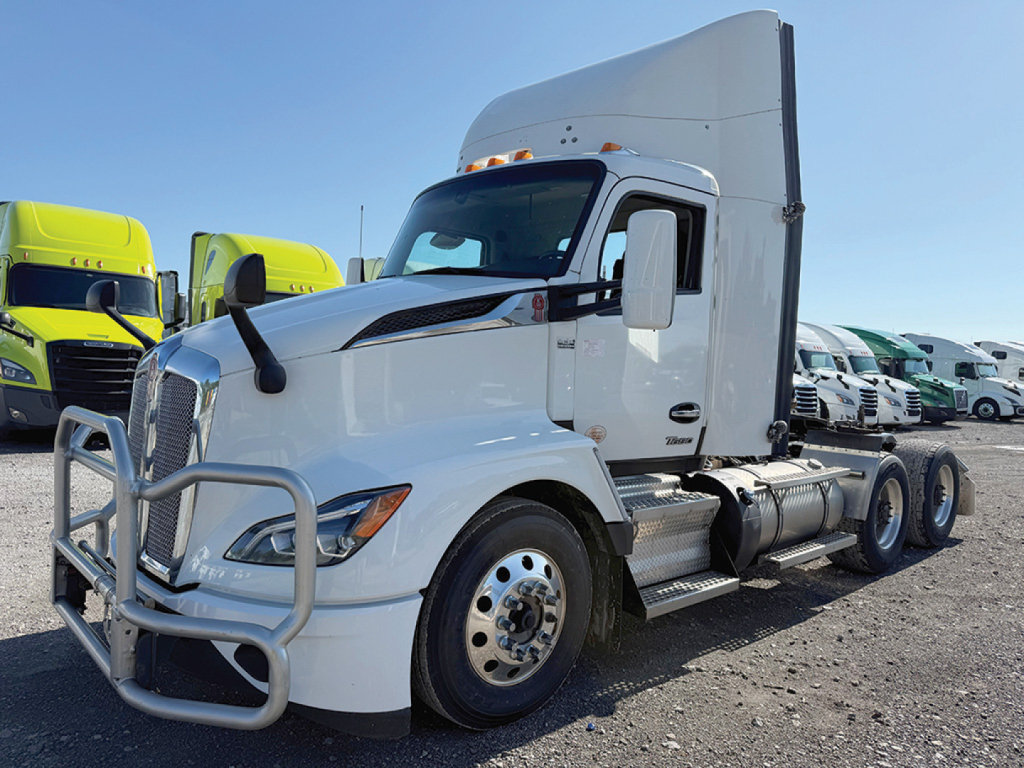
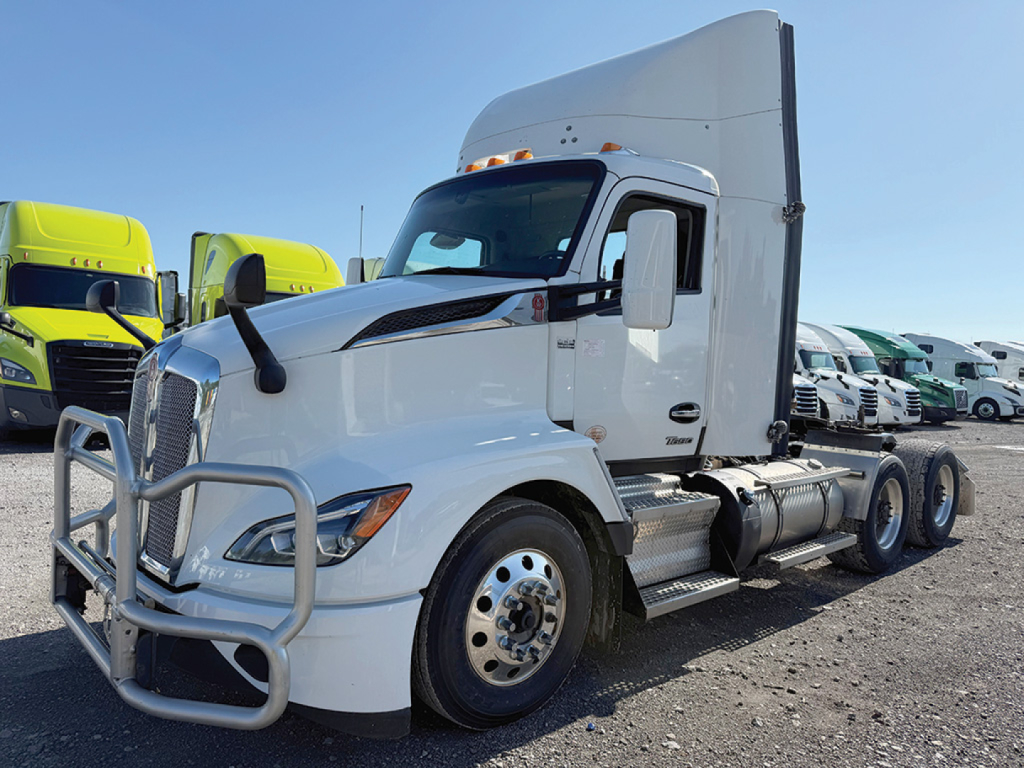
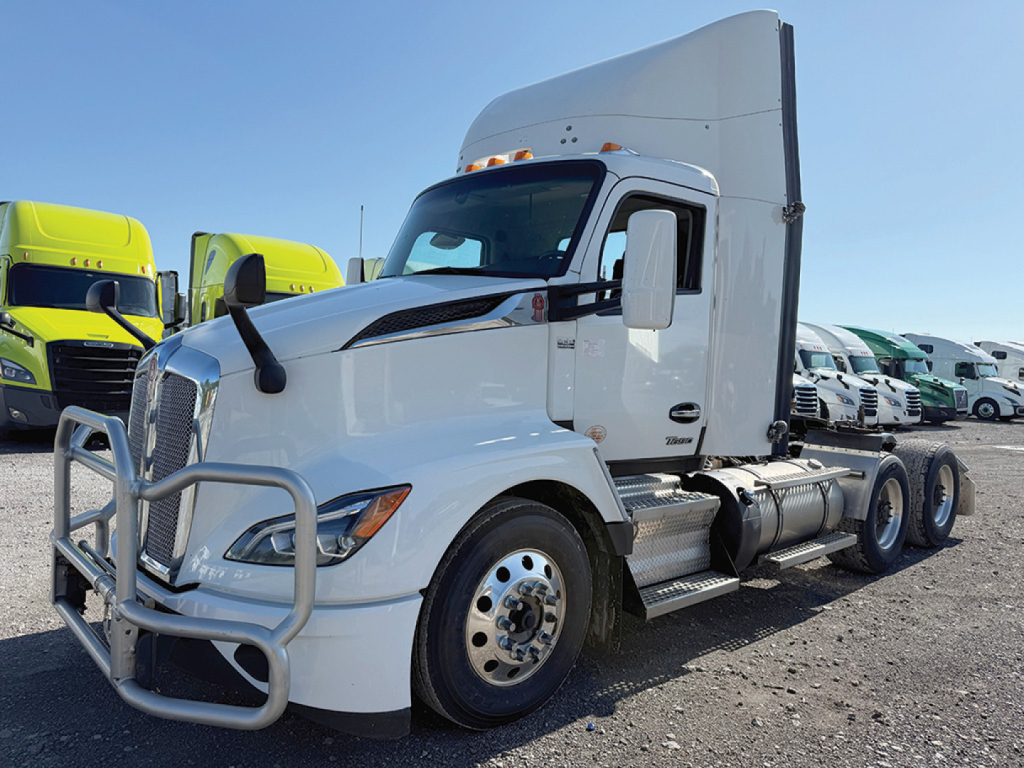
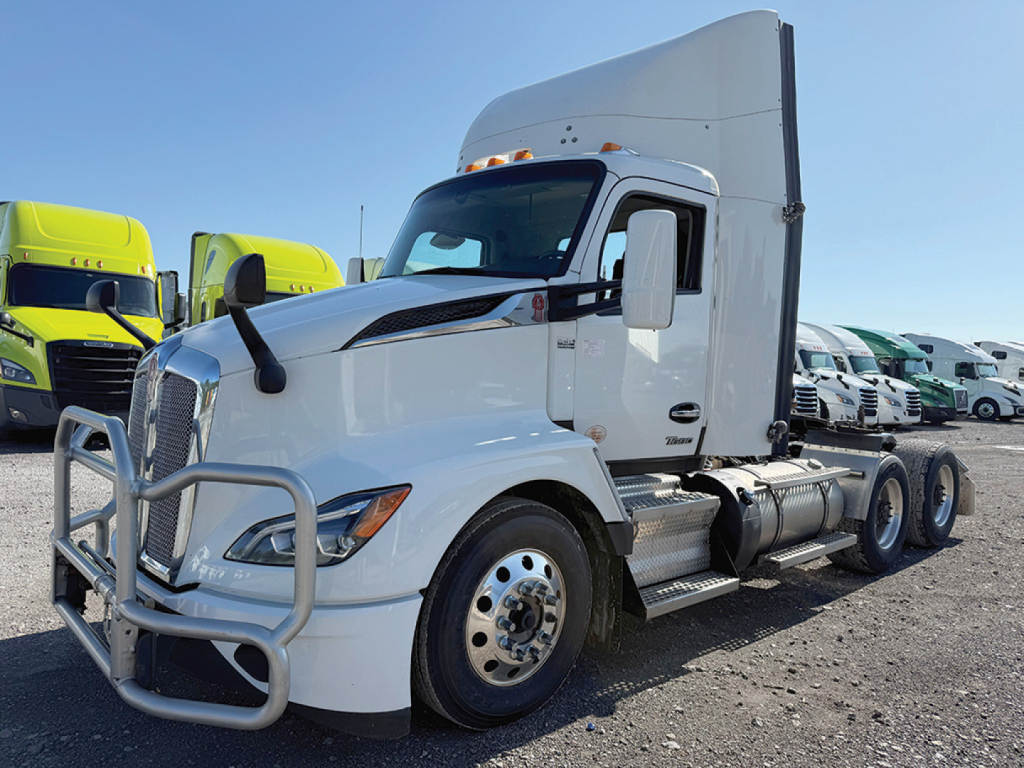
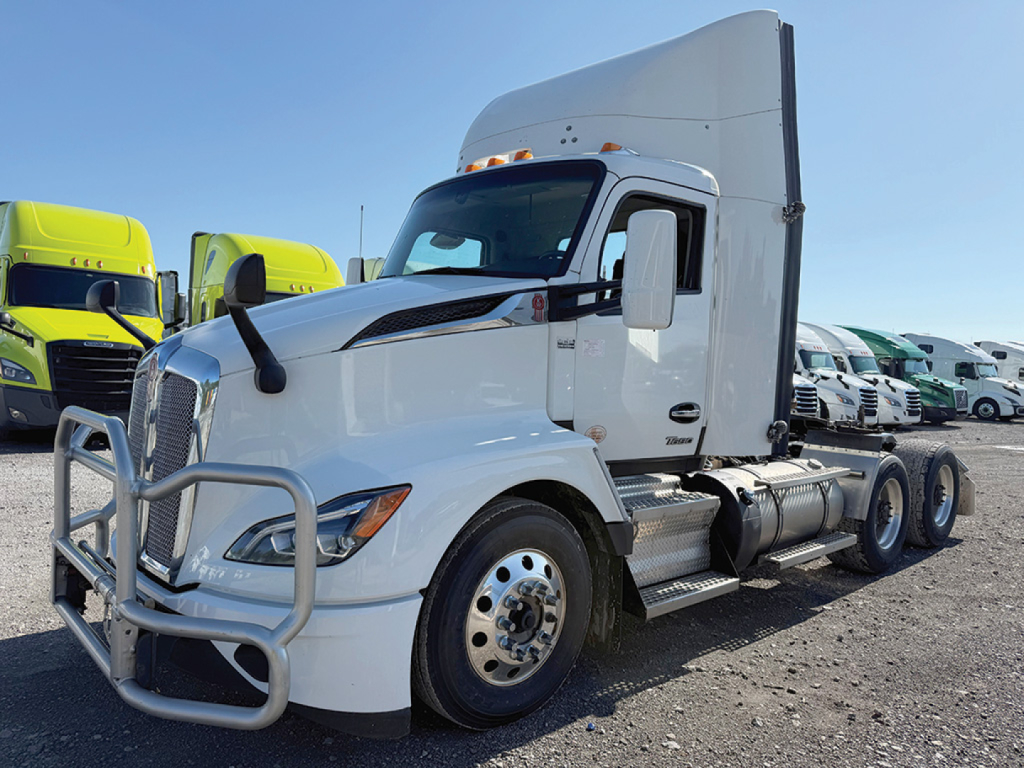
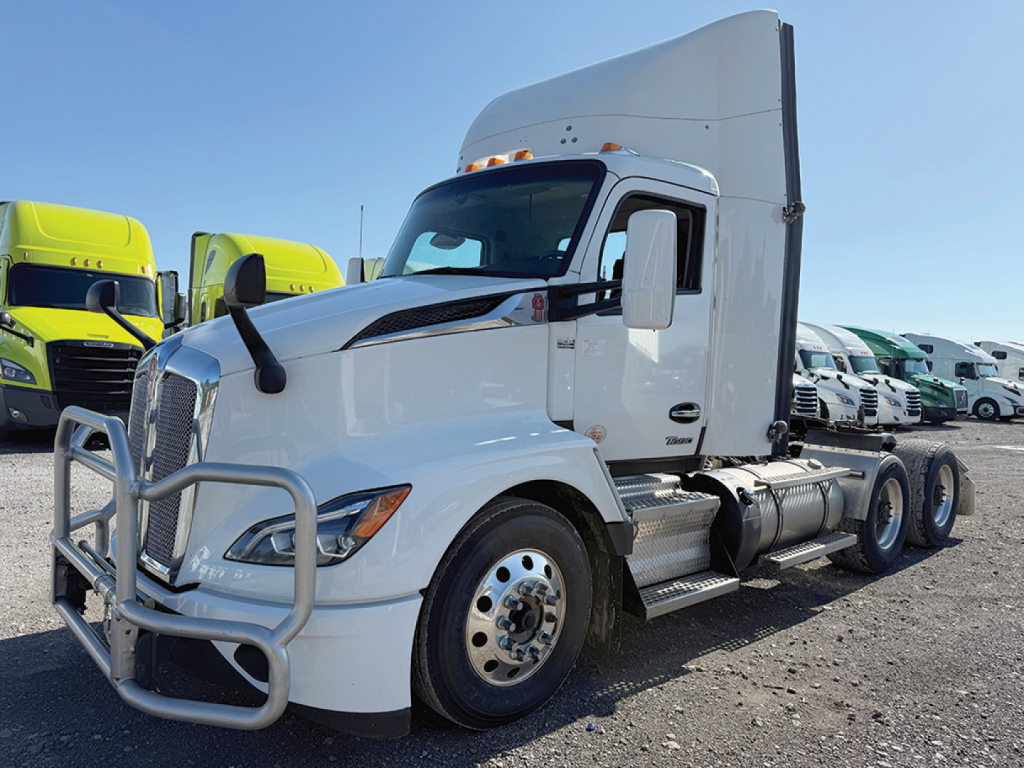
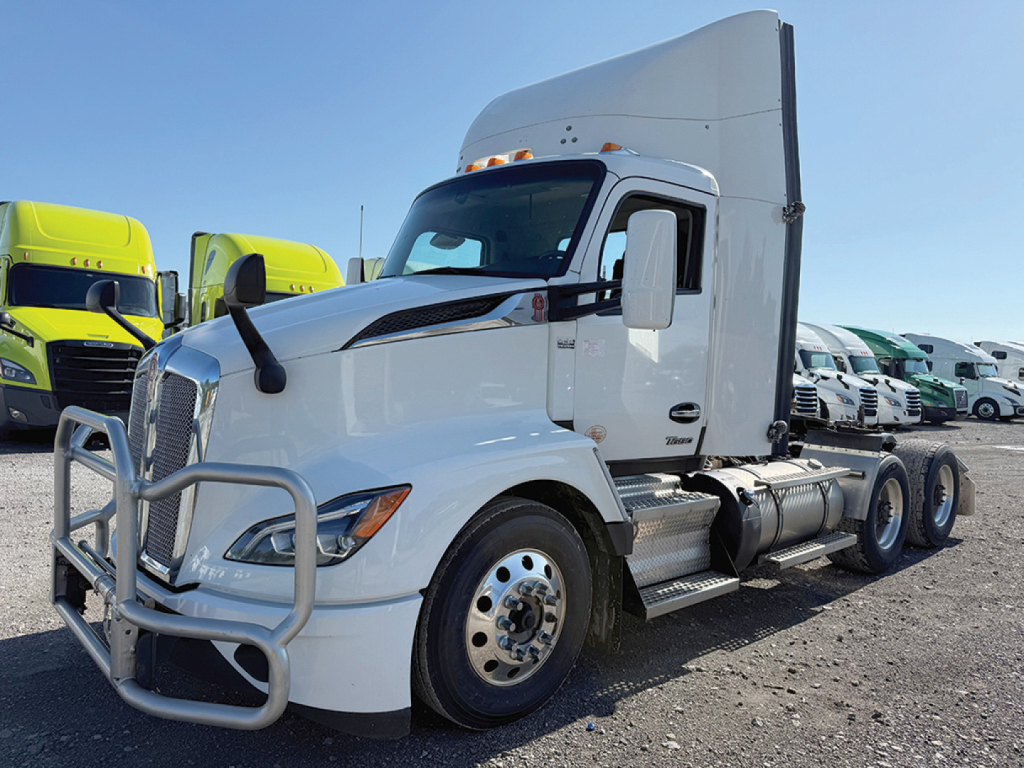
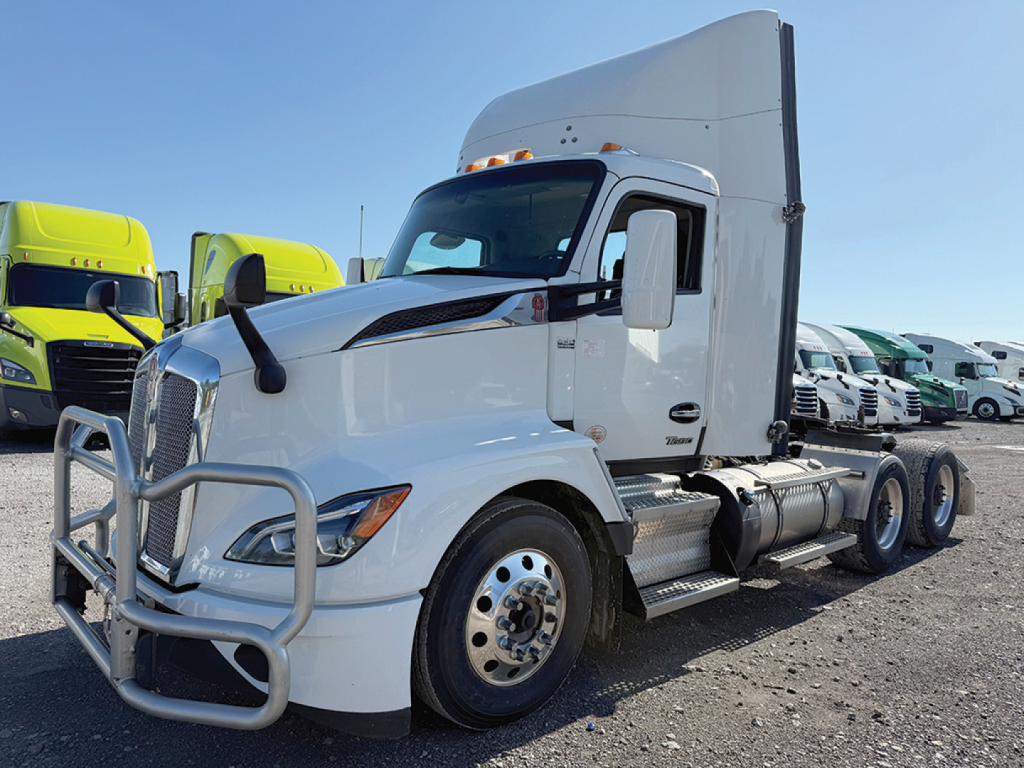
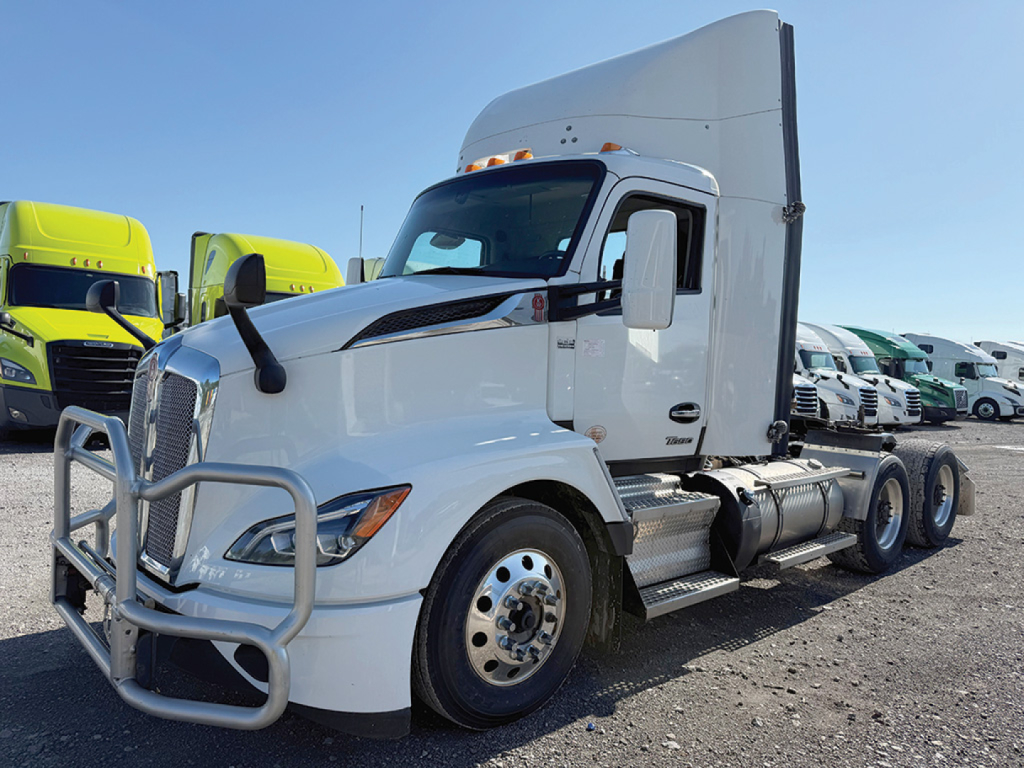
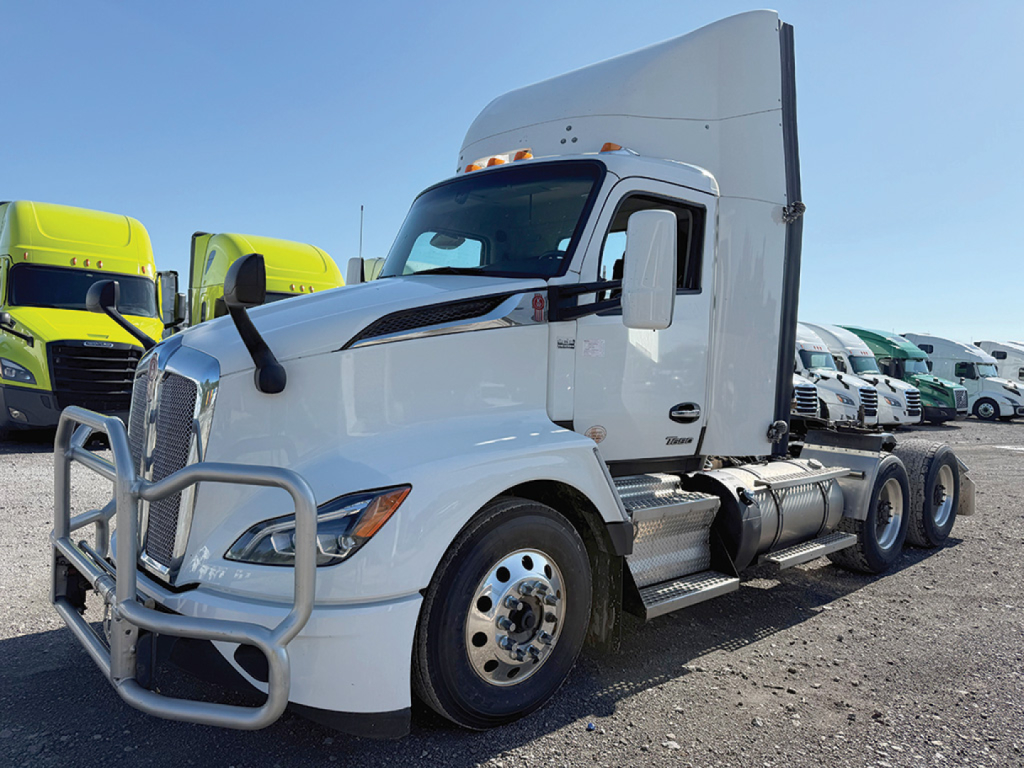
A lot of the buying decision comes down to drivetrain and wheelbase. Many 2024 Kenworth daycabs in this class are equipped with the PACCAR MX-11 in the 430 HP range, paired with an automated transmission such as the PACCAR 12-speed or Eaton Endurant family. That combination is popular because it balances fuel economy, lighter engine weight, and enough torque for van, reefer, and general freight applications. Rear axle ratings around 40,000 pounds with fast ratios like 2.64 or 2.79 are common on highway-oriented specs. Wheelbases in the high-170 inch to 190 inch range are also typical, and they affect trailer swing clearance, bridge law flexibility, and how the truck handles in tighter yards. An air slide or adjustable fifth wheel adds versatility if the truck may pull trailers with different kingpin settings.
Cab and chassis details matter more on a daycab than many buyers expect. Roof fairings, cab extenders, quarter fenders, and horizontal or single-stack exhaust layouts all affect trailer compatibility and aerodynamics. Dual aluminum fuel tanks increase range for regional routes, while super singles or low-profile 22.5 tires can reduce weight and rolling resistance depending on the fleet's maintenance preferences. Inside the cab, late-model Kenworth daycabs often include digital dash displays, tilt and telescoping steering, cruise control, power windows, air conditioning, and upgraded interiors such as Vantage trim. These features improve driver acceptance, which is a real factor on short-haul trucks that may see multiple drivers in a week.
For a used 2024 Kenworth conventional daycab, buyers should focus on how the original spec matches the intended job instead of shopping by year alone. A fuel-efficient highway daycab with an MX-11 and tall rears is different from a heavier local tractor spec'd for frequent starts, yard maneuvering, or vocational crossover use. Review axle ratio, fifth wheel travel, suspension type, tire setup, and fairing package together. On a near-new truck, service history, remaining warranty coverage, telematics data, and any signs of collision repair can tell you as much as the odometer. The best used Kenworth daycab is the one whose spec already fits the trailer mix, average gross weight, and route profile you run every day.
Frequently Asked Questions about Used 2024 Kenworth Conventional Daycab Trucks in Illinois
What is a Kenworth conventional daycab truck best used for?
A Kenworth conventional daycab is best suited for regional hauling, local delivery, dedicated contract freight, drayage, and terminal-to-terminal work. It uses a standard hooded tractor layout but does not have a sleeper, which reduces weight and shortens overall length. That makes it a practical choice for fleets that return drivers home daily and want a truck optimized for maneuverability, fuel economy, and lower acquisition cost than a comparable sleeper tractor.
What engine and transmission are common in used 2024 Kenworth daycabs?
A common setup in used 2024 Kenworth T680 daycabs is the PACCAR MX-11 rated around 430 horsepower, paired with an automated manual transmission. This spec is popular because it delivers solid fuel efficiency and enough performance for van and reefer freight without the added weight of a larger displacement engine. Buyers should still confirm horsepower, torque rating, transmission model, and rear axle ratio because those details determine how well the truck will perform under the loads and routes they run.
Why do axle ratio and wheelbase matter on a daycab tractor?
Axle ratio and wheelbase directly affect fuel economy, launch performance, trailer compatibility, and maneuverability. A faster rear ratio such as 2.64 or 2.79 usually favors highway speed and lower engine rpm, while a shorter wheelbase can help in tighter yards and urban docks. A longer wheelbase may improve ride quality and frame packaging, but it can limit maneuverability. Buyers should match these specs to trailer length, kingpin setting, average gross combination weight, and how much city driving the truck will see.
Are aerodynamic features important on a daycab truck?
Aerodynamic features are important on daycabs that spend meaningful time at highway speed. Roof fairings, cab extenders, side fairing packages, and proper exhaust placement help smooth airflow between the tractor and trailer. On regional lanes, those details can improve fuel economy over time, especially with dry van and reefer trailers. If the truck will pull mixed trailer heights or operate primarily in low-speed urban service, aerodynamics may matter less than visibility, turning radius, and durability.
What should buyers inspect on a used 2024 Kenworth conventional daycab?
Buyers should inspect maintenance records, engine and aftertreatment history, transmission calibration status, tire wear pattern, brake condition, suspension components, and any evidence of frame or cab repair. On a late-model truck, electronic diagnostics and telematics history are especially useful because they can reveal idle time, fault code patterns, and driver behavior. It is also smart to verify fifth wheel operation, wheelbase measurement, fuel tank capacity, and the exact cab equipment so the truck matches the intended trailers and route profile.