
Used International Conventional Daycab Trucks For Sale in Illinois
Browse used International conventional daycab trucks for sale, including ProStar and LoneStar models built for regional haul, local delivery, and fleet work.
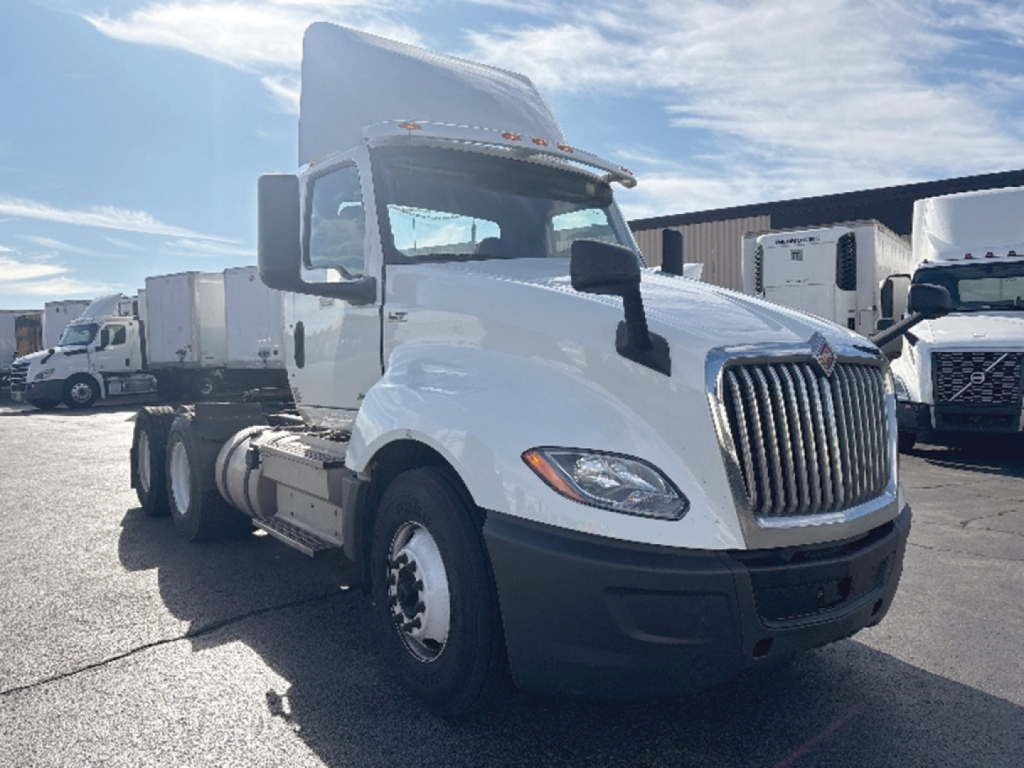
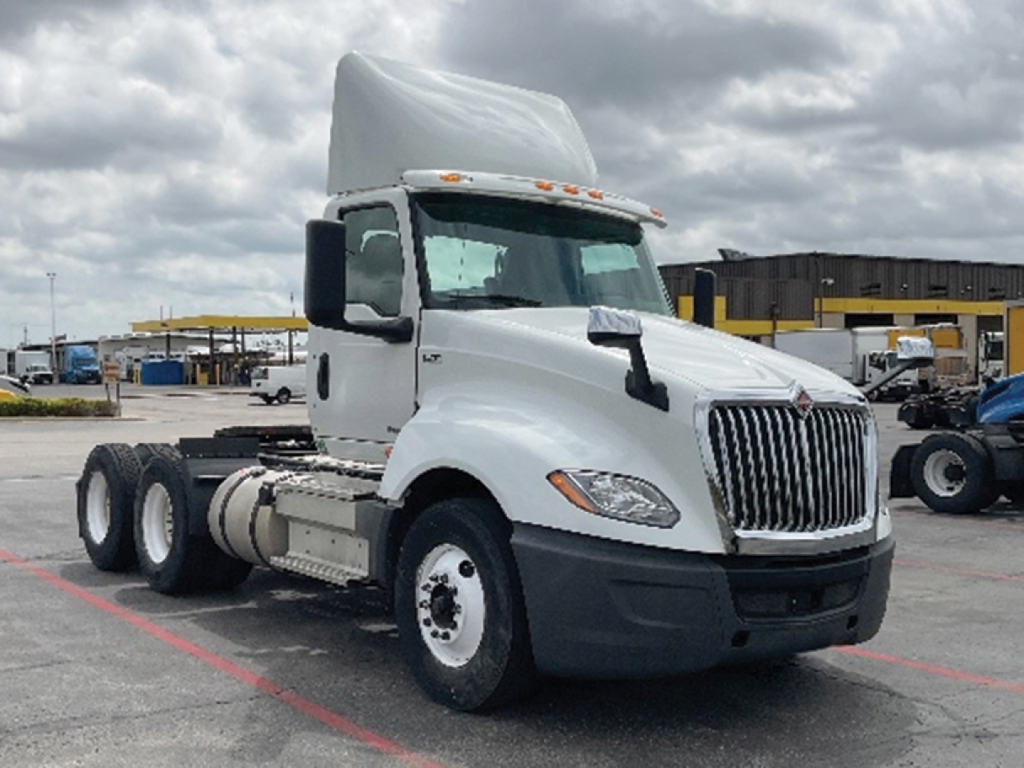
2019 International LT625
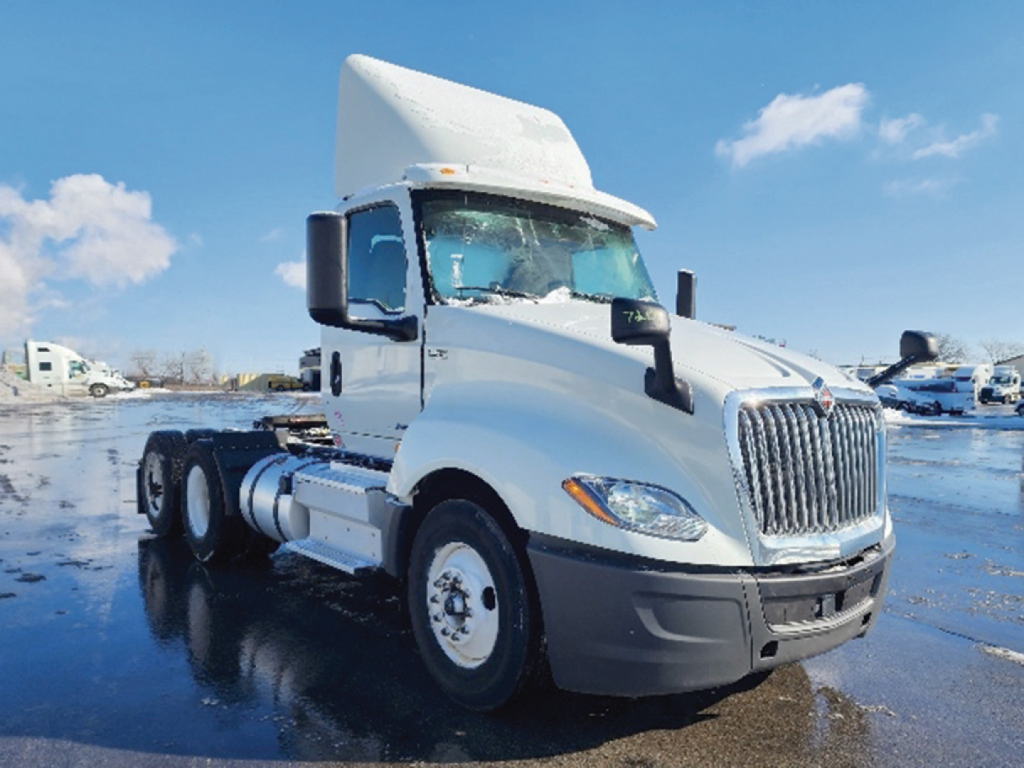
2019 International LT625
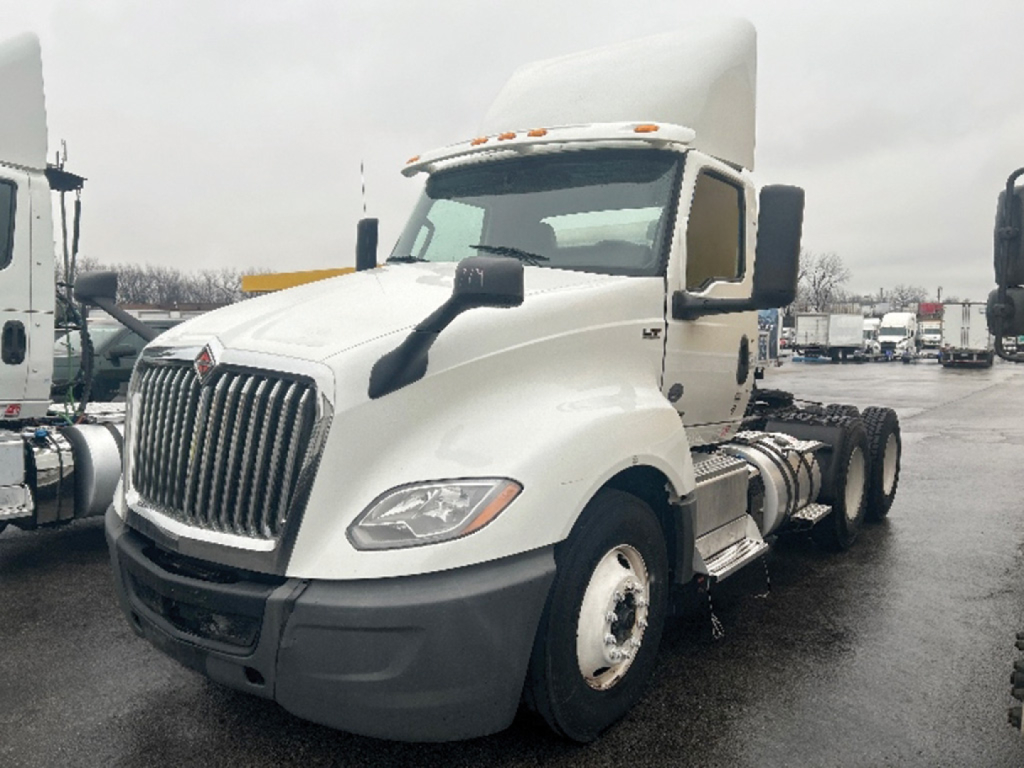
2019 International LT625
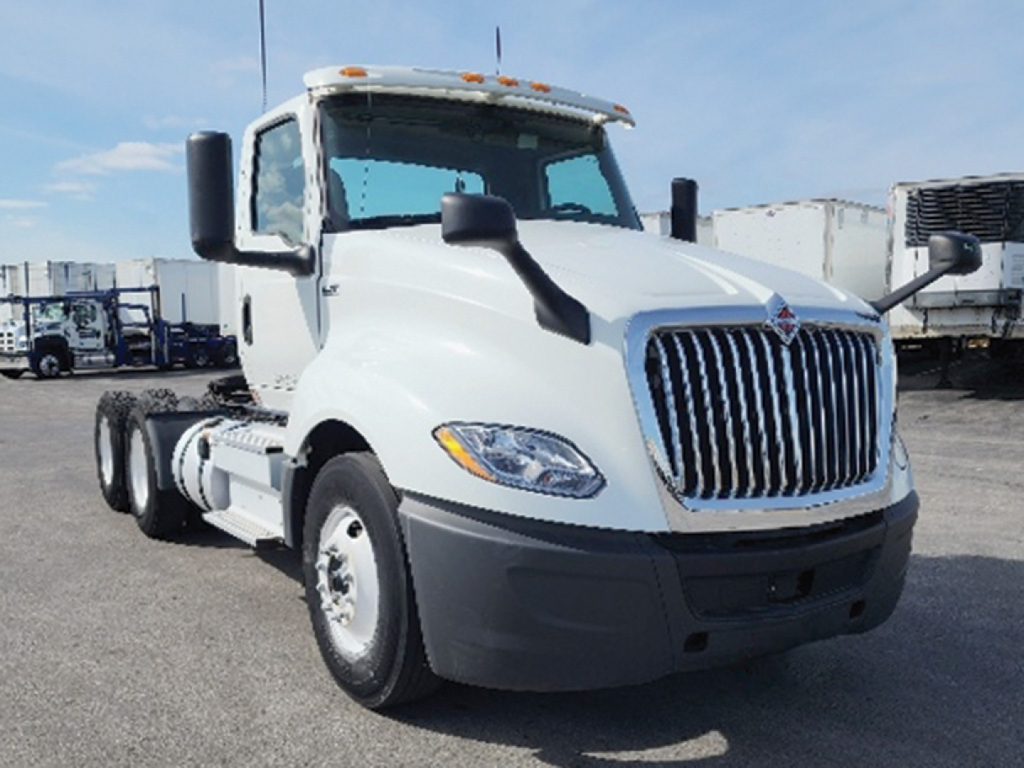
Looking for the easiest place to sell your used international conventional daycab truck? List it here to reach thousands of buyers.
Used International Conventional Daycab Trucks in Illinois
The first buying decision is usually drivetrain and axle spec. Many used International daycabs are powered by Cummins ISX or ISX15 engines in the 400 to 450 horsepower range, paired with automated or manual transmissions and tandem rears around 40,000 pounds. Rear axle ratios such as 2.79 or similar highway gearing are common on regional tractors, while tighter ratios may make more sense for heavier starts, vocational use, or frequent city driving. Wheelbase, fifth wheel travel, and fuel capacity also deserve close attention because they directly affect trailer compatibility, turning radius, and daily operating range. A short wheelbase daycab is easier around tight docks and urban yards, but a longer chassis may be better if the truck carries a wet kit, pintle hook, or frame-mounted equipment.
Cab and chassis details can tell you a lot about how a used International was spec'd for its original job. Air ride suspension, engine brakes, air slide fifth wheels, dual fuel tanks, cab extenders, fairings, quarter fenders, and aluminum wheels are all common features on this category. Buyers should inspect kingpin setting compatibility with the trailers they plan to pull, especially if they are moving between dry van, reefer, flatbed, or tanker work. Look closely at frame condition, suspension wear, steer tire wear patterns, and the operation of emissions components, since these factors can affect both uptime and repair cost. On higher-mileage units, service history on the engine, aftertreatment system, clutch or transmission, and rear ends is often more important than cosmetic appearance.
International conventional daycabs appeal to buyers who want a straightforward road tractor with broad parts support and familiar serviceability. The best value usually comes from matching the truck's original fleet spec to the intended application instead of chasing horsepower or appearance alone. A regional highway tractor with aerodynamic bodywork and taller gearing will behave very differently from a short-wheelbase daycab set up for yard, municipal, or heavy-start work. If the truck will spend its life in stop-and-go Illinois traffic, repeated dock turns, and short route cycles, pay close attention to transmission behavior, idle management, cooling performance, and cab condition because those are the details that shape driver acceptance and real operating cost.
Frequently Asked Questions about Used International Conventional Daycab Trucks in Illinois
What are International conventional daycab trucks typically used for?
International conventional daycab trucks are commonly used for regional hauling, local and metro delivery, intermodal drayage, tanker work, flatbed service, and other tractor applications where overnight accommodations are not needed. Their shorter overall length compared with sleeper tractors helps with maneuverability at docks, terminals, and urban job sites. Many fleets choose daycabs to reduce empty weight, simplify maintenance, and keep the truck focused on high-frequency daily routes.
Which International models are common in the used daycab market?
The used market often includes International ProStar and LoneStar daycab configurations, along with converted sleeper tractors that have been repurposed into daycab service. ProStar models are typically associated with fleet highway use and aerodynamic efficiency, while LoneStar models are often recognized for more distinctive styling and owner-operator appeal. The exact spec matters more than the badge, because engine, transmission, wheelbase, rear axle ratio, and fifth wheel set-up determine how the truck performs in real work.
What specs matter most when buying a used International daycab?
The key specs are engine model and horsepower, transmission type, rear axle ratio, suspension, wheelbase, front and rear axle ratings, and fifth wheel position or travel. Buyers should also verify fuel tank capacity, tire size, brake condition, emissions system status, and whether the truck has features such as an engine brake, air slide fifth wheel, or pintle hook. These details affect trailer fit, turning radius, startability, cruising RPM, and maintenance cost, so they should be matched to the route and load profile.
Is a used International daycab a good choice for Illinois regional routes?
A used International daycab can be a strong fit for Illinois operations because many routes involve regional mileage, repeated terminal stops, and a mix of interstate and urban driving. A properly spec'd daycab works well for Chicago-area distribution, central Illinois freight corridors, agricultural support, and short-haul industrial lanes. The best results usually come from selecting a truck with gearing, wheelbase, and suspension that match the route density, trailer type, and frequency of stop-and-go driving.
What should I inspect on a higher-mileage International daycab?
On a higher-mileage truck, pay close attention to maintenance records, engine performance, aftertreatment history, transmission operation, suspension wear, frame condition, and tire wear patterns. Check for signs of uneven steer wear, air system leaks, worn cab mounts, and excessive play in steering or driveline components. It is also important to confirm that the cooling system, brakes, and emissions equipment are functioning correctly, because those areas can drive repair costs and downtime if they have been neglected.