
Used International Conventional Daycab Trucks For Sale in Florida
Browse used International conventional daycab trucks in Florida. Compare LT and similar models, engines, wheelbases, axles, and spec options.
Learn more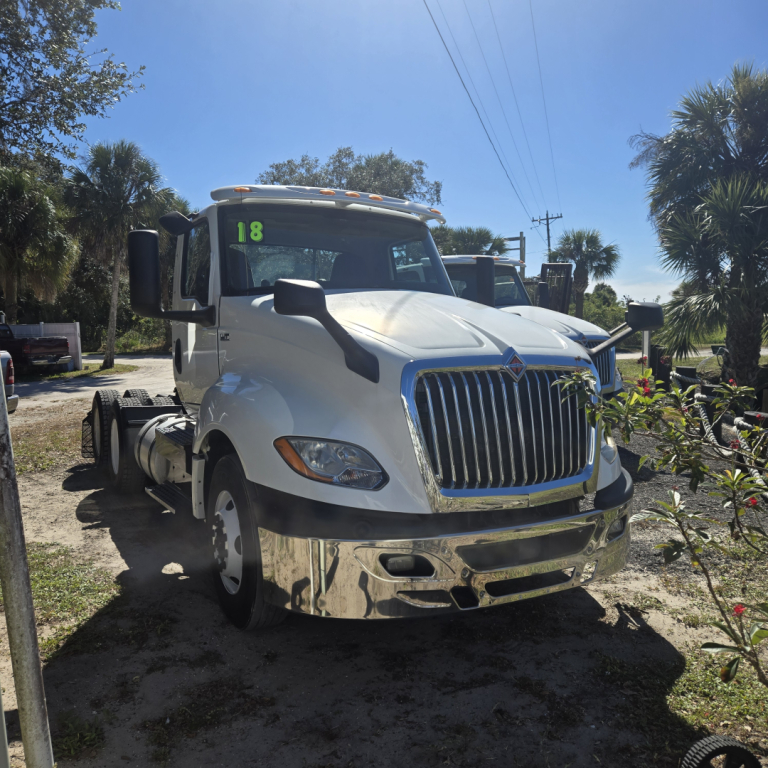
Have used international conventional daycab truck to sell? List it here to reach thousands of buyers.
About Used International Conventional Daycab Trucks in Florida
Powertrain spec matters more than badge alone. Many used International daycabs are equipped with Cummins X15 engines, while some fleets may prefer International A26-powered units for fuel economy and lighter weight. Automated manual and fully automatic transmissions are common in later-model trucks, and they can reduce driver fatigue in stop-and-go service. Buyers should compare horsepower, torque ratings, rear axle ratio, and wheelbase against the intended trailer and route profile. A daycab spec for container chassis duty will differ from one set up for highway dry van pulls, especially in fifth wheel position, suspension rating, and fuel capacity.
Cab condition and chassis layout deserve a close look on any used unit. Check steer axle and tandem ratings, frame condition, suspension type, brake spec, and tire wear patterns. On an International conventional daycab, details like fairing condition, DEF system history, idle hours, and aftertreatment maintenance can tell you as much as the odometer. For Florida operations, rust is often less severe than in northern markets, but salt-air exposure around coastal areas still makes it smart to inspect wiring, air tanks, crossmembers, and cab mounts. Interior wear, seat condition, and switchgear function also matter on trucks used in high-cycle local service.
The best used International daycab is the one matched to your lanes, trailer weights, and maintenance plan. A lighter spec may improve payload and fuel economy for regional freight, while a heavier axle and suspension package may be better for port, dump, or mixed vocational use. Look at service records, emissions system repairs, ECM data, and any evidence of consistent PM intervals before deciding. A well-spec'd International conventional daycab can be a cost-effective option for fleets and owner-operators that need a simple, productive tractor built for daily in-and-out work.
Frequently Asked Questions
What are International conventional daycab trucks commonly used for?
International conventional daycab trucks are commonly used for regional freight, drayage, local delivery, dedicated contract lanes, warehouse shuttles, and vocational tractor work. The daycab layout removes the sleeper to reduce weight and shorten overall length, which helps in tight yards, urban routes, and port environments. They are especially popular when the truck returns to base daily and does not need overnight accommodations.
Which engine is common in a used International daycab?
Many used International daycabs are equipped with the Cummins X15, particularly in highway and regional haul specs. Some units also use the International A26, which is often selected for lighter weight and fuel economy. The better choice depends on your application, technician familiarity, desired torque band, and your comfort level with each engine's service network and maintenance history.
What should I inspect on a used International daycab before buying?
Focus on the full operating history, not just mileage. Review engine hours, idle time, service records, aftertreatment repairs, transmission operation, suspension condition, brake wear, tire patterns, and frame integrity. On Florida trucks, inspect for coastal corrosion around electrical connections, air system components, and chassis hardware. ECM downloads, fault history, and evidence of regular preventive maintenance are especially useful when comparing multiple used trucks.
Is an automatic transmission a good choice in a daycab tractor?
For many local and regional applications, yes. Automated manual and automatic transmissions can improve consistency, reduce driver fatigue, and help with hiring in fleets that want easier operation in traffic and tight delivery environments. They are especially useful in stop-and-go service, but buyers should still confirm transmission model, clutch history if applicable, and calibration or software update records.
How do I choose the right daycab spec for my operation?
Start with trailer type, average gross combination weight, route terrain, and daily miles. Then match engine rating, transmission, axle ratio, wheelbase, and suspension capacity to that work. A port or container chassis truck may need a different fifth wheel setup and axle package than a regional dry van tractor. Fuel capacity, PTO needs, and turning radius should also be considered if the truck will be used in mixed on-road and yard duty.