
International Conventional Daycab Trucks For Sale in Colorado
International daycab trucks for Colorado, with engines, gearing, weight, cooling, and corrosion protection tuned for regional and mountain duty.
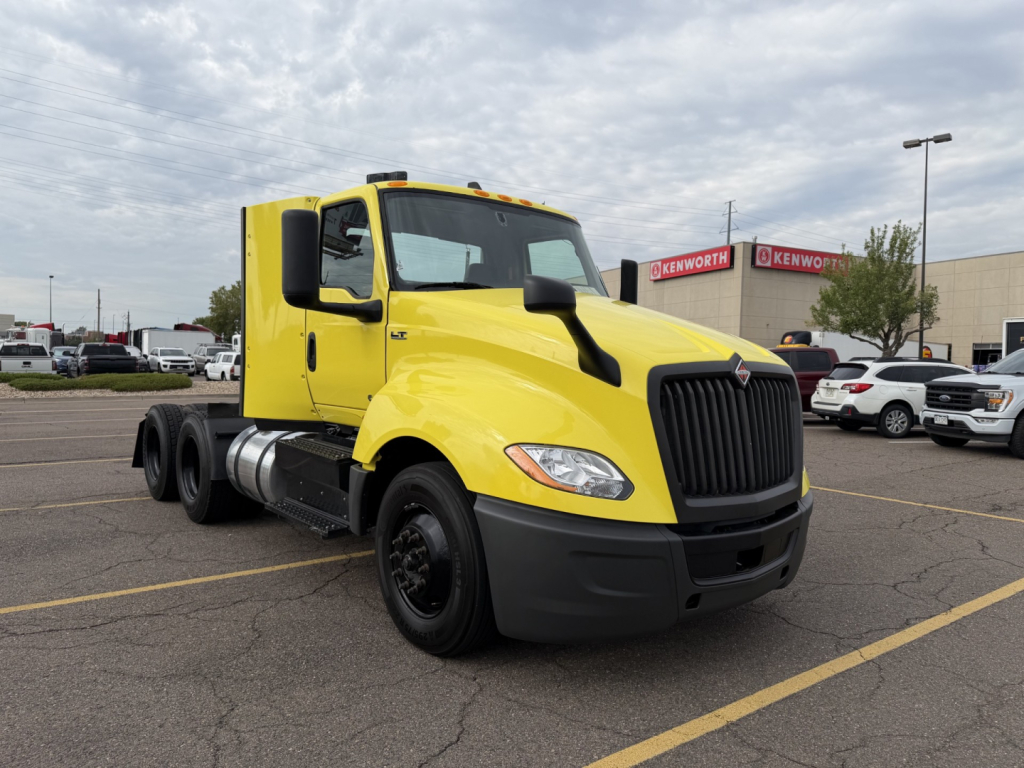
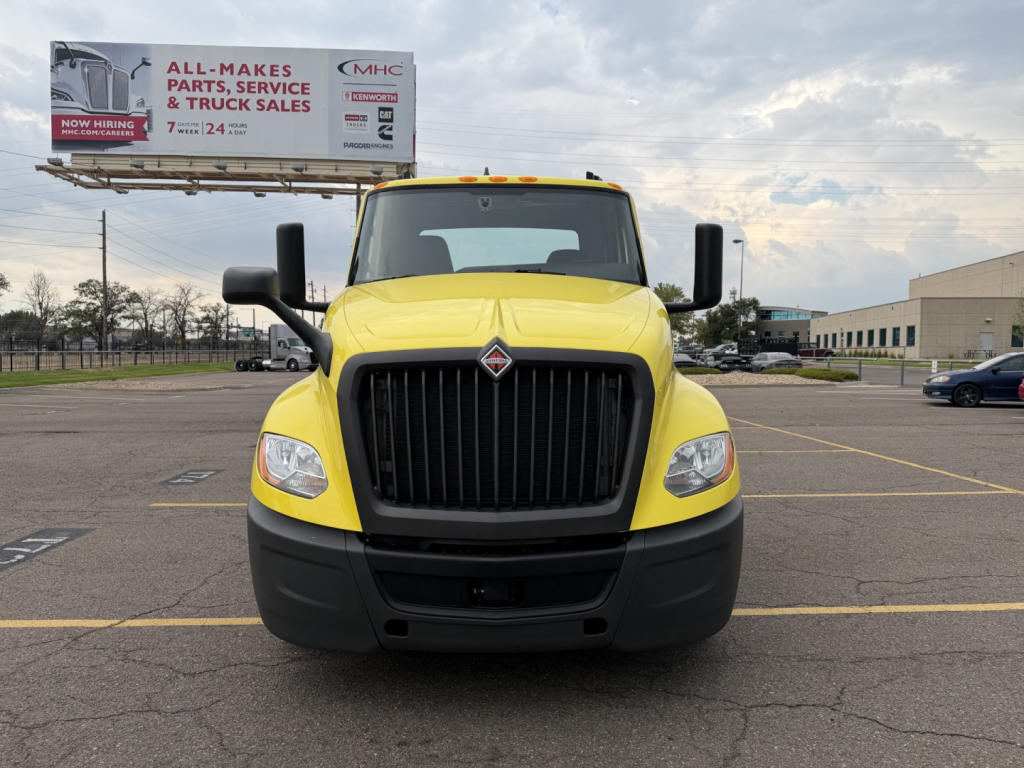
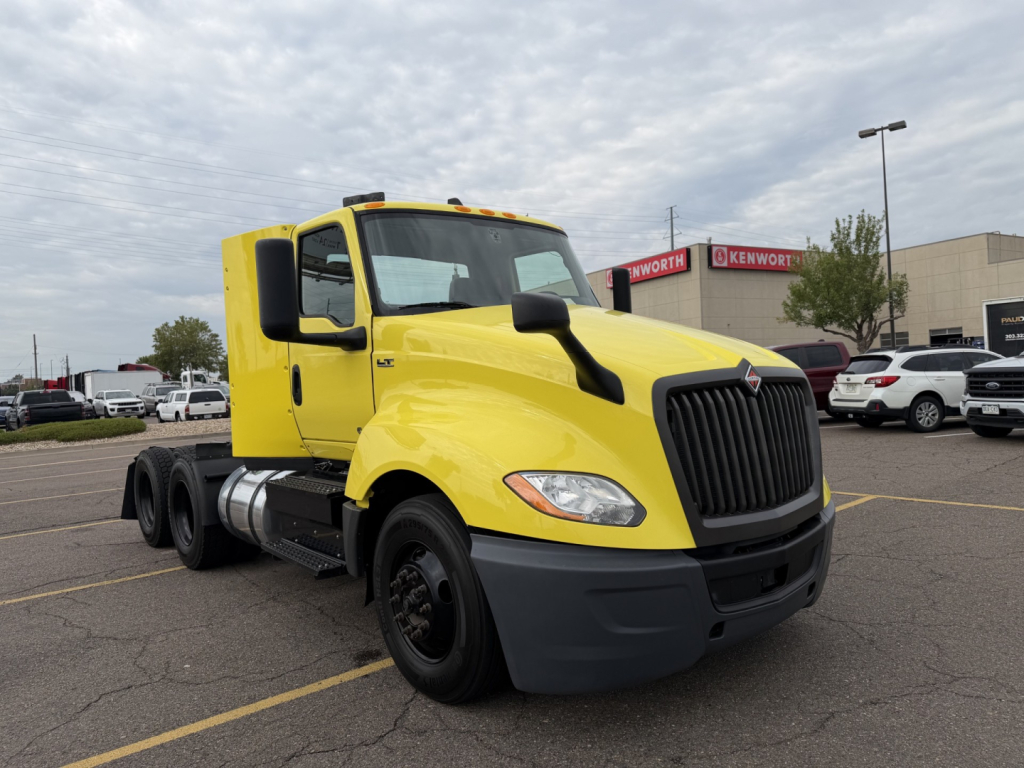
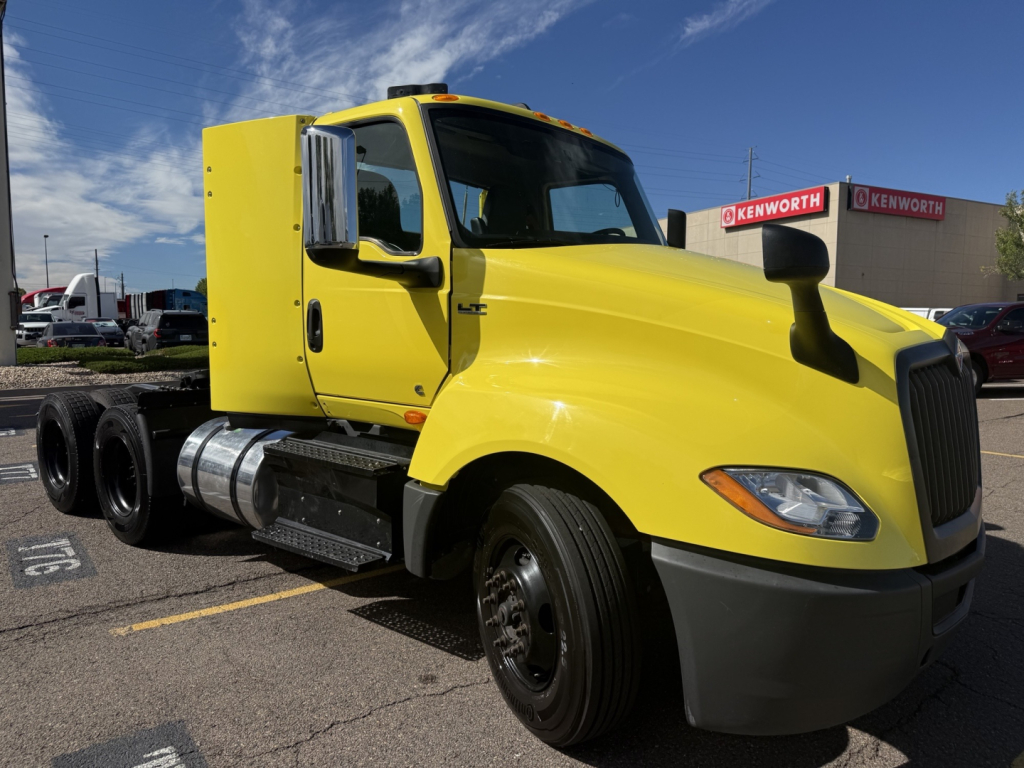
Selling a international conventional daycab truck? List your international conventional daycab truck for sale and reach thousands of commercial buyers.
International Conventional Daycab Trucks in Colorado
Powertrain choice dictates grade performance and fuel economy. The International A26 12.4L is a light, efficient option for regional freight, while Cummins X15 and earlier ISX deliver higher torque for heavy GCWs and steep passes. Pair engines with Eaton Fuller manuals or automated Endurant and UltraShift units, selecting ratio spreads that keep the engine in the torque band at altitude. For I 70 climbs and downgrades, look for 3.36 to 3.90 drive ratios based on tire size and GCW, a strong engine brake, proper cooling package, and 13 or 18 speed coverage if you run heavy or mountainous routes.
Chassis spec drives tare weight, durability, and ride. Frames typically use 110 to 120 ksi steel with crossmember spacing that controls torsional flex under the fifth wheel, and heavy haul units may have double frames or insert liners. Air ride drive suspensions improve traction and ride on rough pavement, while mechanical options like Hendrickson or Meritor add robustness at a weight penalty. Tare reductions come from aluminum wheels and hubs, lightweight fifth wheels, single fuel tank setups, and the A26 engine, but verify the remaining payload capacity against your route fuel burn and axle load targets. Disc brakes improve heat management on descents and shorten stops, drums are lighter in some specs and cost less to service, so choose based on duty cycle. Inspect cab floor pans, seat mounts, and deck plates for rigidity and corrosion, since cab floor strength and a solid fifth wheel platform prevent fatigue over time.
Colorado operations challenge thermal integrity and corrosion protection. Look for cabs with tight door and glass seals, quality insulation, high output HVAC with clean condensers and heater cores, heated mirrors, winter front compatibility, and block heater provisions to maintain cabin temperature and prevent cold soak issues. Corrosion resistance matters on magnesium chloride treated roads, so favor e coated and galvanized cab structures, intact frame coatings, stainless or treated fasteners, sealed electrical connectors, and clean battery and DEF tank brackets. Salt and gravel chip paint at the steer axle and lower cab, so check apron edges, crossmembers, and cab mounts for flaking, blistering, or pitting, and verify that airline and harness routing is protected by chafe guards to avoid costly downtime.
Frequently Asked Questions about International Conventional Daycab Trucks in Colorado
Which International daycab models are most common and how do they differ?
Common models include the LT and RH daycabs, with improved aerodynamics, e coated cabs, and modern electronics, plus earlier ProStar and TranStar 8600 platforms that are more basic but proven. LT typically targets linehaul and regional efficiency, RH aims at urban maneuverability and vocational flexibility. Older 8600 and ProStar daycabs can offer simpler mechanicals and lower tare in some trims, but newer cabs usually bring better insulation, visibility, corrosion protection, and service access.
What engine and axle ratio work best for Colorado grades and altitude?
For heavy regional or mountain work, Cummins X15 with a strong engine brake and a 13 or 18 speed, or an automated Endurant with appropriate ratio spread, delivers confident pulling and retarding. For midweight regional duty, the International A26 balances power and weight well. Drive ratios from about 3.36 to 3.90 are typical depending on tire size, GCW, and transmission; the goal is to keep the engine in its torque band on long climbs and to maximize engine braking on descents. A high capacity cooling package and clean charge air cooler are critical at altitude.
How can I reduce tare weight on an International daycab without giving up durability?
Spec aluminum wheels and hubs, a lightweight or fixed fifth wheel, a single fuel tank sized to your route, and consider the A26 engine where torque needs allow. Use wide base singles only if your routes and dock conditions support them, and confirm axle and frame ratings match your GCW. Disc brakes improve fade resistance on mountain routes but can add weight in some trims, while drum systems can be lighter and cheaper to maintain. Always validate that the lighter spec still meets payload, stopping distance, and heat management needs for your terrain.
What corrosion issues should I watch for on Colorado daycabs and how are they mitigated?
Magnesium chloride and road grit attack frame coatings, cab seams, and hardware. Inspect frame rails, crossmembers, fifth wheel brackets, battery boxes, DEF tank mounts, cab mounts, and lower cab panels for flaking paint, blistering, or pitting. Newer International cabs use galvanized steel with e coat, which resists rust when intact. Look for intact undercoating, stainless or treated fasteners, sealed electrical connectors, and proper drain paths. Regular washdowns, especially undercarriage rinses, and touch up of chips around the steer axle and steps slow corrosion spread.
How should I set wheelbase and fifth wheel position for 53 foot trailers and mixed lanes in Colorado?
Choose a wheelbase that balances maneuverability with bridge and axle loading. Ensure adequate fifth wheel slide travel to handle different trailer kingpin placements and to fine tune steer and drive axle weights. With 53 foot vans common, verify that the tractor can achieve legal axle spreads while keeping the steer axle within rating when loaded. Shorter wheelbases help in urban docks but can limit fuel tank capacity and slide range, while longer wheelbases improve stability and weight distribution at the expense of turning radius.