
2018 International Conventional Daycab Trucks For Sale in New York
Shop 2018 International conventional daycab trucks in New York. Compare LT and regional-haul specs, wheelbase, powertrain, axle ratings, and cab features.
Learn more
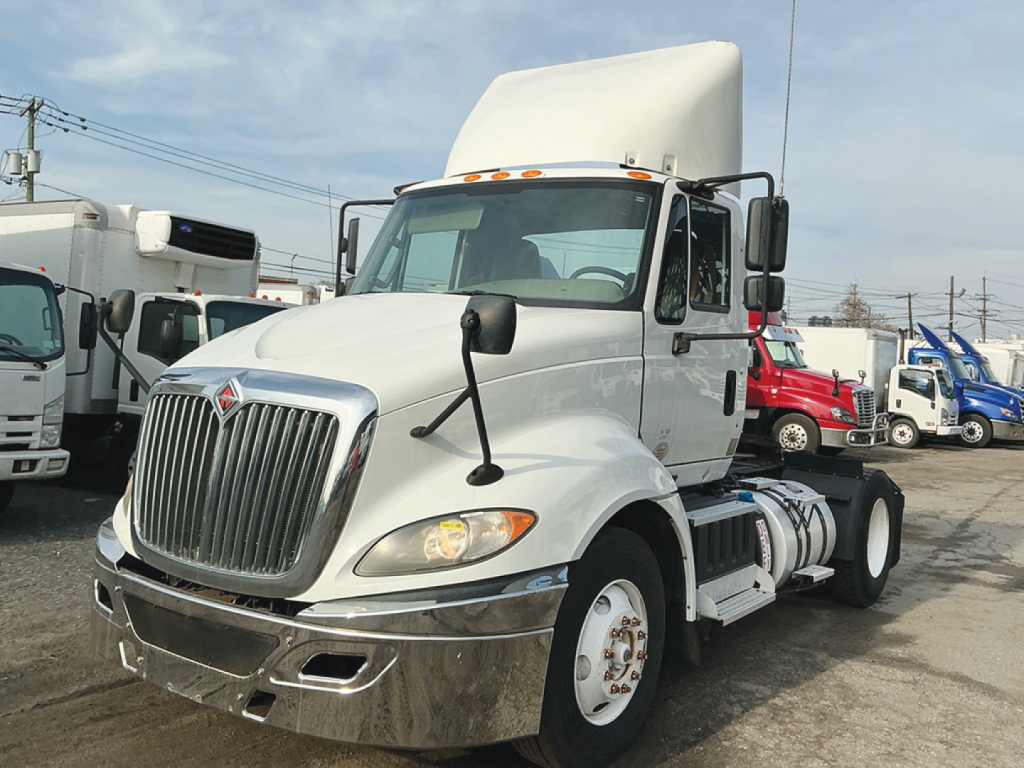
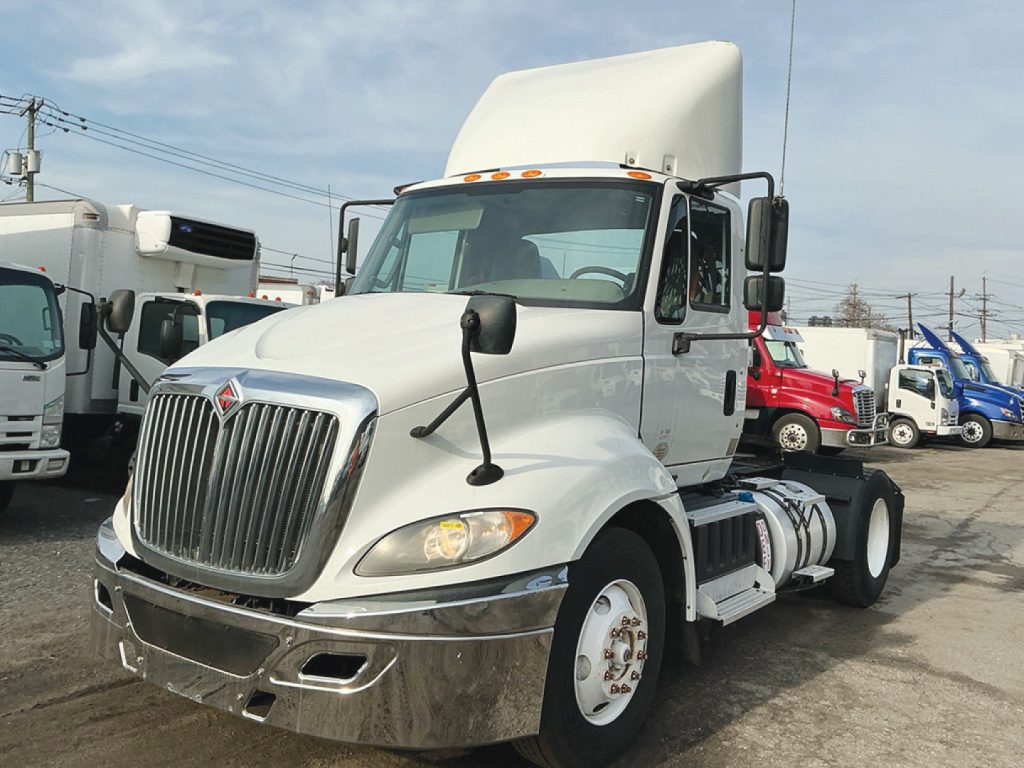
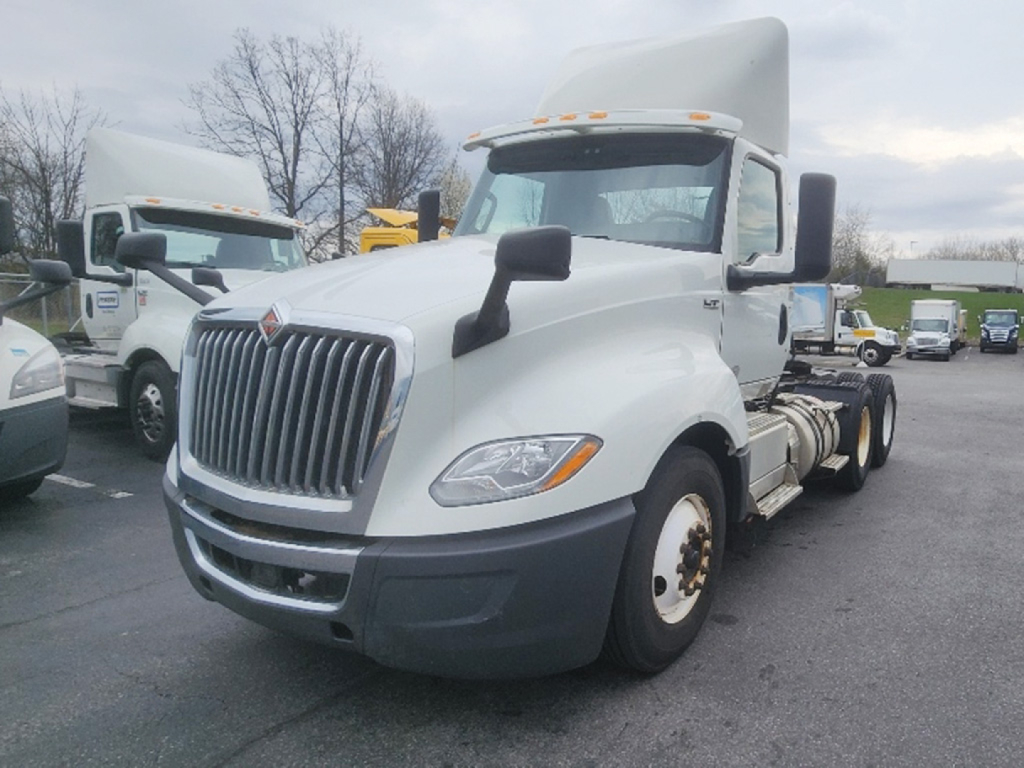
Have 2018 international conventional daycab truck to sell? List it here to reach thousands of buyers.
About 2018 International Conventional Daycab Trucks in New York
Powertrain choice matters more than almost any cosmetic difference. Many 2018 International daycabs are spec'd with the Cummins X15 paired to automated manual transmissions, though some fleets also favored manual 10-speed or 13-speed setups depending on route profile and driver preference. Common rear axle ratings are in the 40,000 lb range, and gear ratios can vary widely based on intended use. A faster ratio may suit linehaul and fuel economy goals, while a deeper ratio is better for heavy starts, urban work, and vocational applications. Wheelbase, fifth wheel placement, and kingpin setting are worth checking closely if the truck will be used with multiple trailer lengths or in tight dock environments.
Cab and chassis specs can tell you a lot about how the truck was ordered. Air ride suspension, air slide fifth wheels, disc or drum brakes, aluminum wheels, dual fuel tanks, and collision mitigation systems are all seen in this class. Some 2018 daycabs were built for pure over-the-road regional service, while others were ordered with PTO provisions, wet line capability, or heavier front axle specs for dump, lowboy, or other vocational trailer work. If the truck will spend time in congested Northeast lanes, pay close attention to visibility, bumper-to-back-of-cab dimensions, frame layout, and how the wheelbase affects cornering and bridge law compliance.
A good 2018 International conventional daycab should be evaluated as a total operating package, not just by horsepower. Engine history, emissions system condition, transmission calibration, suspension wear, brake spec, and tire size all affect uptime and cost per mile. Buyers comparing used daycabs in this category usually benefit from matching the truck to the lane first, then confirming the axle ratio, wheelbase, and fifth wheel setup support the trailers and payloads they actually move. That approach usually leads to a more useful truck than buying strictly by mileage or engine rating alone.
Frequently Asked Questions
What is a 2018 International conventional daycab best used for?
A 2018 International conventional daycab is generally best suited for regional haul, local delivery tractor work, drayage, dedicated route freight, and vocational trailer applications that do not require sleeper space. The daycab layout reduces overall length and weight compared with a sleeper tractor, which helps with maneuverability, payload efficiency, and frequent stop operations. In dense markets like New York, that shorter configuration is often an advantage in terminals, tight customer yards, and city traffic.
What engines and transmissions are common in a 2018 International daycab?
The most common engine in a 2018 International conventional daycab is the Cummins X15, usually paired with an automated manual transmission in fleet service. Some trucks may also be spec'd with manual transmissions depending on the original buyer's operating style and maintenance preferences. When reviewing a truck, buyers should look beyond horsepower and confirm transmission model, axle ratio, and intended cruise speed because those three items have a major effect on fuel economy, startability, and driver satisfaction.
What specs should I compare first when shopping for a used conventional daycab?
Start with wheelbase, rear axle ratio, rear axle rating, transmission type, and fifth wheel setup. Those specs determine whether the truck fits the trailers, payload, and route conditions in your operation. After that, review suspension type, brake configuration, tire size, fuel capacity, and any PTO or hydraulic provisions if the truck may handle vocational work. These items usually matter more in day-to-day use than appearance or trim level.
Are 2018 International daycabs good for New York and Northeast operation?
They can be a strong fit for New York and the Northeast when the truck is spec'd correctly. Shorter wheelbases are easier to work in urban areas and crowded docks, while proper axle ratio selection is important for stop-and-go traffic, bridge approaches, and mixed highway use. Buyers in this region should also pay close attention to corrosion exposure, emissions system service history, and front-end condition because winter road treatment and dense traffic can accelerate wear.
How important are axle ratio and wheelbase on a daycab tractor?
Axle ratio and wheelbase are two of the most important buying decisions on a daycab tractor. The axle ratio affects launch performance, cruise rpm, gradeability, and fuel consumption. The wheelbase affects turning radius, trailer swing, bridge compliance, and how the truck handles in tight docks or city streets. A truck with the wrong ratio or wheelbase can still run, but it may never be efficient or easy to use in the lanes you operate.