
Used Hino Conventional Daycab Trucks For Sale
Used Hino conventional daycab trucks for local and regional delivery, featuring diesel power, automatic transmissions, and medium-duty versatility.
Learn more
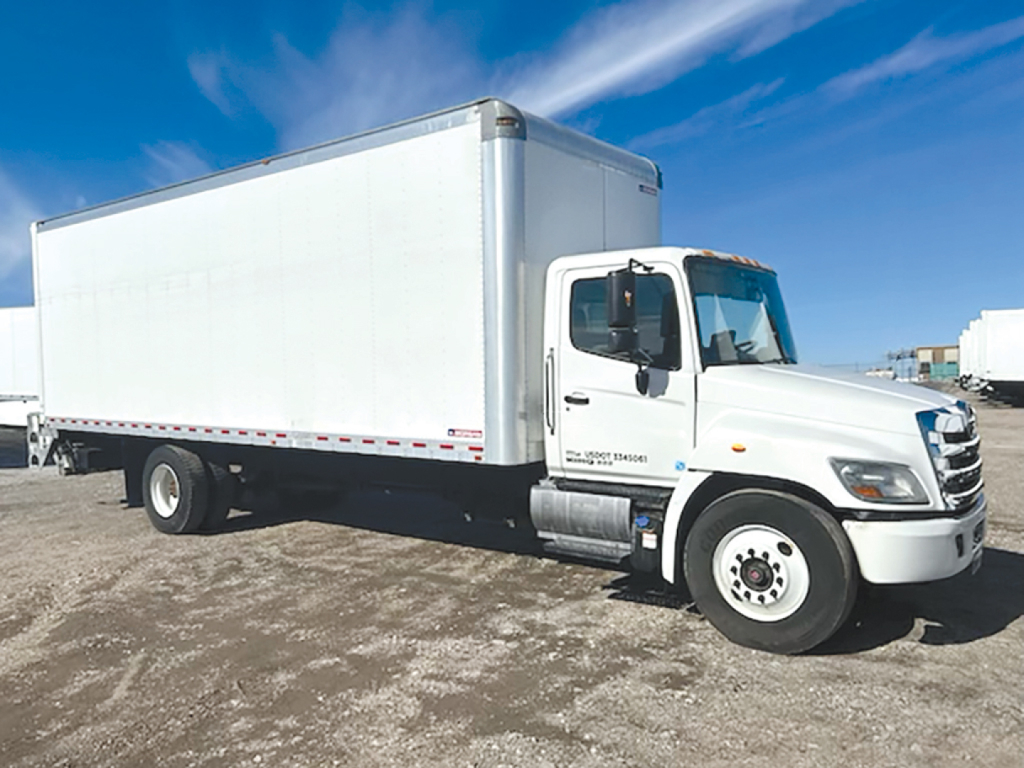
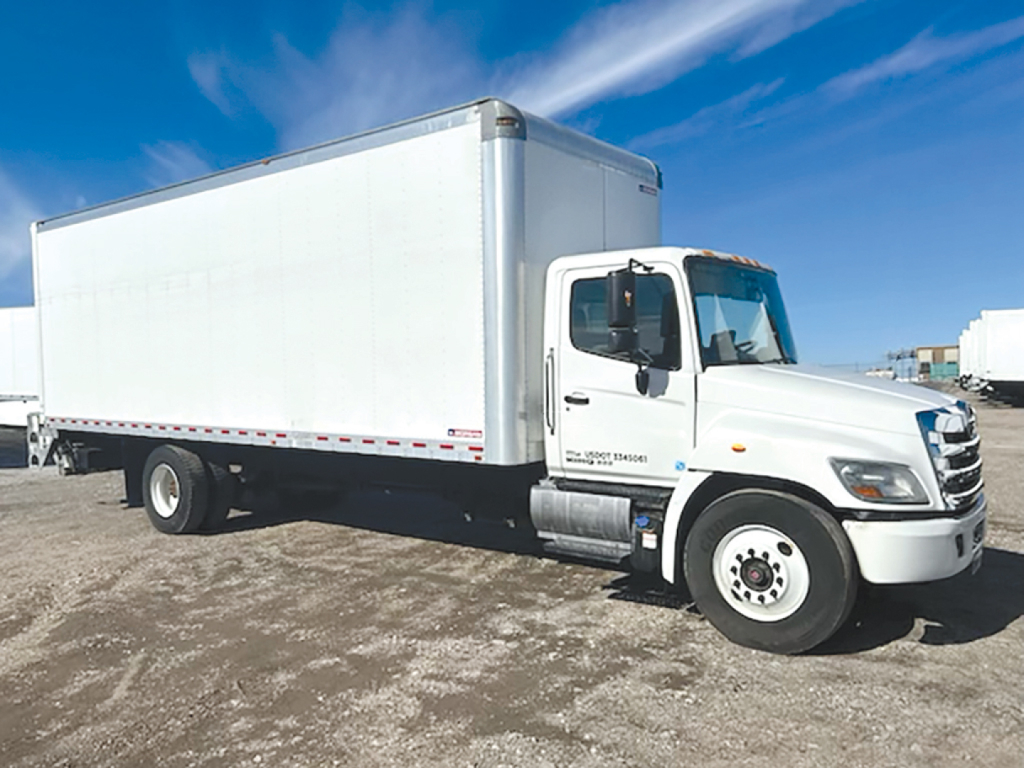
Have used hino conventional daycab truck to sell? List it here to reach thousands of buyers.
About Used Hino Conventional Daycab Trucks
A key buying point on a used Hino daycab is the powertrain. Many units are equipped with the Hino J08E-series diesel, typically rated around 260 horsepower, paired with an Allison automatic transmission. That combination is popular in pickup and delivery fleets because it is easy to run in congested traffic and reduces driver fatigue on urban routes. Rear axle ratings can vary by spec, with single-axle configurations commonly set up around 19,000 to 25,950 pounds. Suspension choice matters too. Spring suspension is often selected for durability and lower complexity, while air ride can improve ride quality and help protect sensitive cargo.
Body and chassis specs deserve close attention because they determine real-world usability more than the badge on the hood. Many used Hino conventional daycabs in this class carry 24 to 26 foot van bodies, often with roll-up doors, wood floors, plywood liners, scuff plates, E-track, threshold plates, and liftgates. Wheelbases in the 270-inch range are common on delivery body applications, and tire setups such as 22.5 low-profile or 11R22.5 are typical. If the truck will be used for dock work, verify door height, floor condition, and liftgate capacity. If route density is high, look at turning radius, cab visibility, automatic transmission behavior, and step-in height for drivers making repeated stops.
Condition on a used Hino daycab should be judged by application history as much as age or mileage. A lightly loaded dry freight truck may show less drivetrain stress than a truck used daily at max GVWR with liftgate freight and heavy stop-and-go work. Review maintenance records, emissions system service, brake wear, suspension condition, and body integrity, especially around floors, roof seams, and rear frame extensions. Hino conventional daycab trucks appeal to buyers who need a medium-duty diesel chassis with strong local delivery capability, easy cab access, and flexible body options without moving into a larger Class 8 platform.
Frequently Asked Questions
What are used Hino conventional daycab trucks best suited for?
Used Hino conventional daycab trucks are best suited for local and regional operations that require frequent stops, good visibility, and easy cab entry. Common applications include box truck delivery, beverage routes, appliance delivery, moving and storage, municipal service, and other medium-duty work where a sleeper is unnecessary. Their conventional cab design gives buyers a familiar service layout and enough chassis flexibility to support van bodies, flatbeds, reefers, and other vocational upfits.
What engine and transmission are common in a Hino daycab truck?
Many used Hino conventional daycab trucks in the medium-duty segment use the Hino J08E diesel engine, often rated around 260 horsepower, with an Allison automatic transmission. This setup is widely preferred for delivery service because it is predictable in traffic, easy for multiple drivers to operate, and well matched to stop-and-go applications. Buyers should still confirm exact engine family, emissions equipment configuration, horsepower rating, and transmission model because these details affect maintenance planning and route performance.
How do I choose between spring suspension and air ride on a used Hino daycab?
Spring suspension is typically chosen for simplicity, durability, and lower long-term complexity, especially in demanding vocational use. Air ride is often preferred when ride quality matters, such as routes carrying fragile freight or operations where driver comfort is a factor over long local days. On a used truck, the decision should include inspection cost. Worn air components, valves, and bags can add expense, while tired spring packs and bushings can also affect handling and tire wear. The right choice depends on cargo type, road conditions, and maintenance priorities.
What should I inspect on a used Hino 268A or similar conventional daycab?
Pay attention to the engine service history, transmission operation, brake condition, suspension wear, tire condition, and any signs of frame corrosion or repairs. On trucks with van bodies, inspect the floor, roof, sidewalls, roll-up door, and liftgate operation. Check for damage around rear frame extensions and mounting points, especially on trucks that have seen heavy delivery work. It is also smart to review wheelbase, rear axle rating, and body dimensions to make sure the truck matches your payload, dock access, and route requirements.
Is a used Hino conventional daycab a good alternative to a larger Class 8 daycab?
For many delivery and medium-duty fleet applications, yes. A used Hino conventional daycab can offer lower operating costs, easier maneuvering, and a chassis better matched to box truck and local freight work than a heavier Class 8 tractor. It is a strong fit when the job calls for diesel durability and commercial-grade capacity without the size, weight, and expense of a highway tractor. Buyers moving heavier payloads or planning tractor-trailer use may still need to step up to a heavier class, but for urban and regional straight-truck work, Hino is often a practical choice.