
Freightliner Conventional Daycab Trucks For Sale in Oklahoma
Shop Freightliner conventional daycab trucks in Oklahoma. Compare specs, wheelbases, axle ratings, engines, and driveline setups for local hauling.
Learn more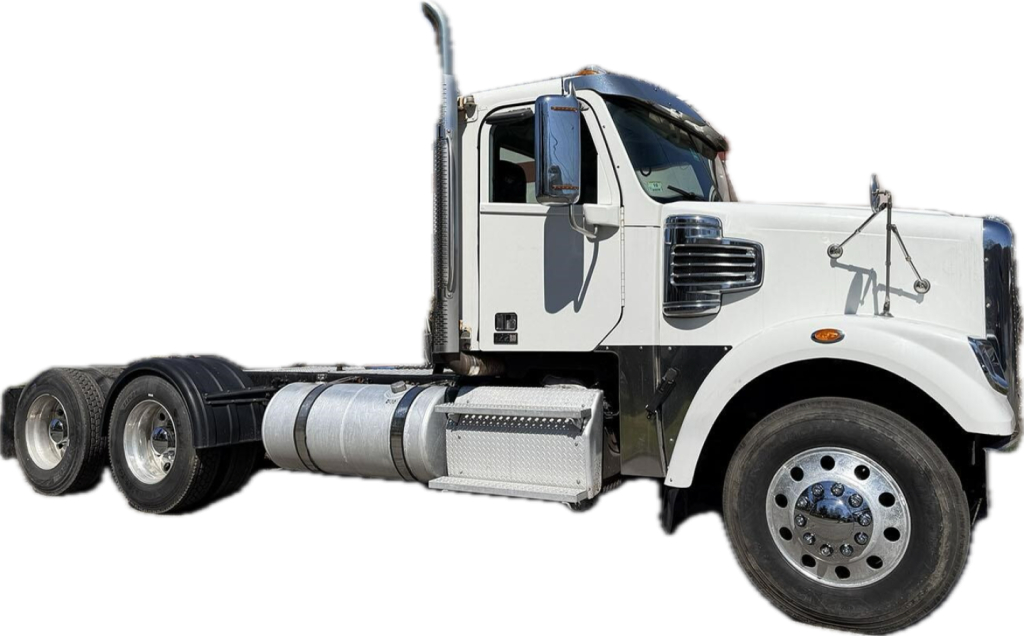
Have freightliner conventional daycab truck to sell? List it here to reach thousands of buyers.
About Freightliner Conventional Daycab Trucks in Oklahoma
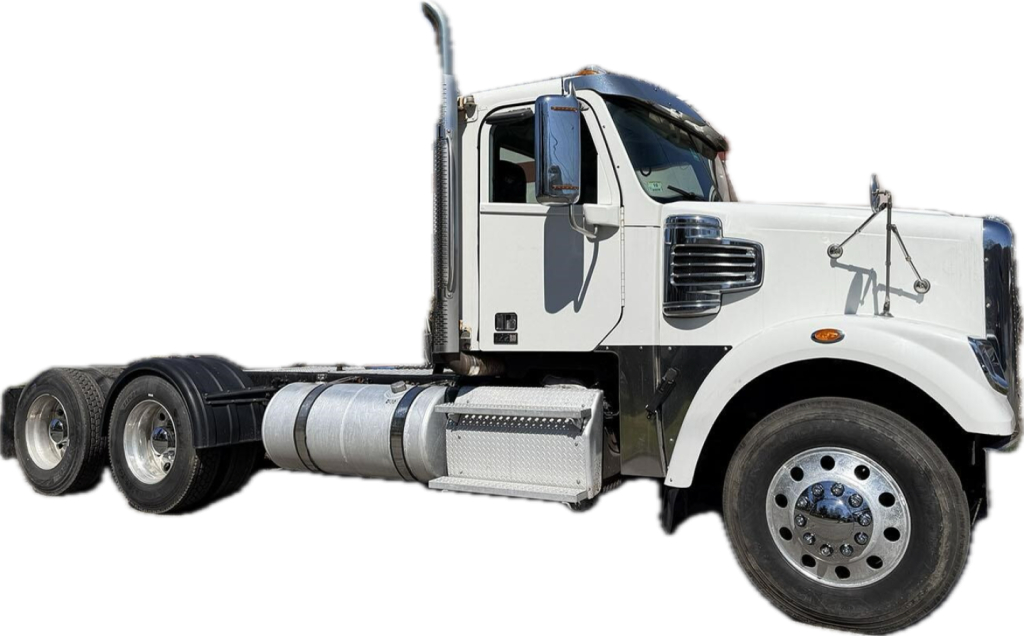
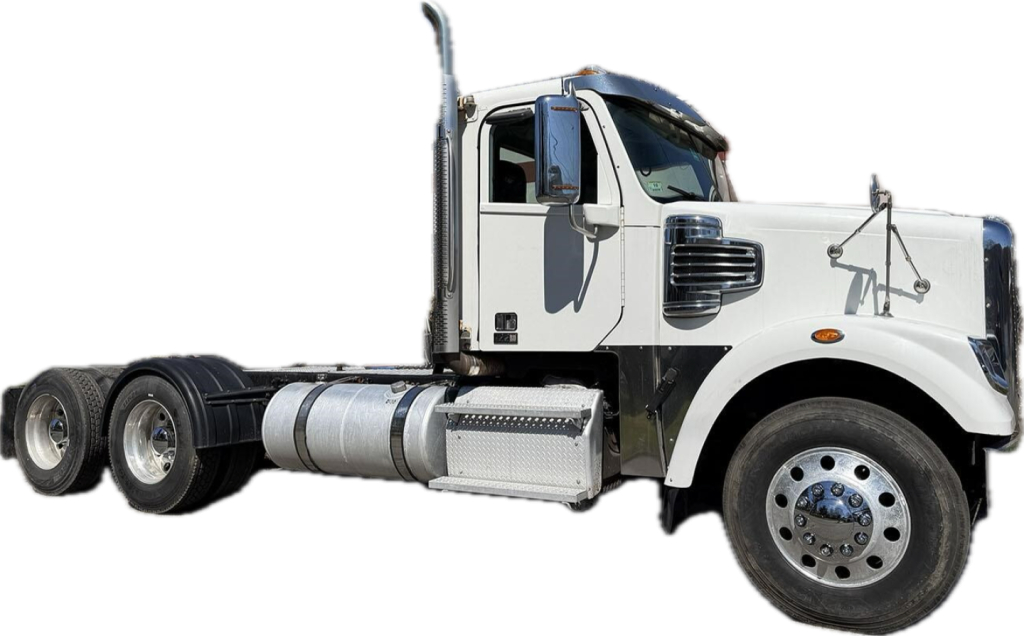
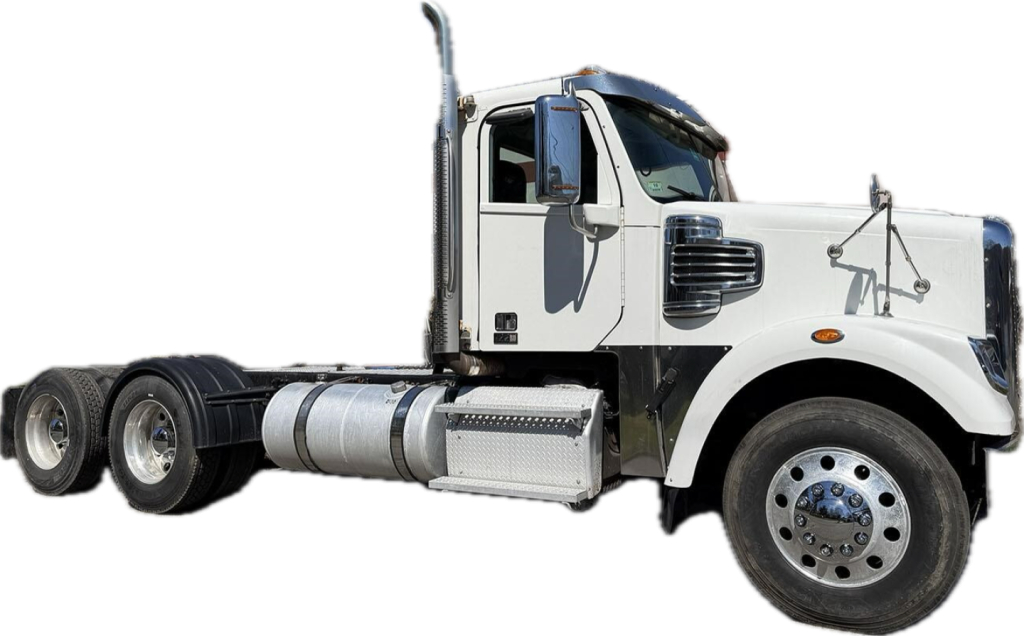
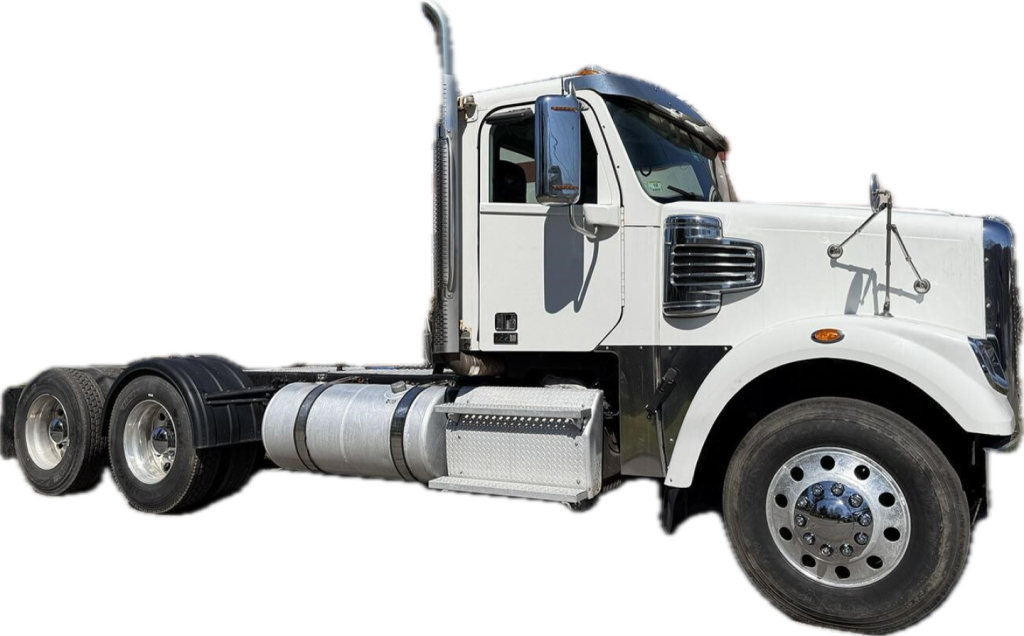
A buyer should start with the chassis and driveline. Freightliner conventional daycabs are commonly spec'd with Detroit power, especially DD13 and DD15 engines, paired with manual, automated manual, or traditional heavy-duty Eaton Fuller transmissions. Horsepower and torque should match the job, not just the trailer. A higher-horsepower setup with a 13-speed can make sense for heavy Oklahoma loads, mixed terrain, or frequent starts under weight, while a more moderate fleet spec may fit regional van, hopper, or flatbed work. Wheelbase, rear ratio, and axle ratings also matter. A shorter wheelbase helps in tight yards and job sites, while a longer wheelbase can improve ride and allow for different body or fifth wheel placements. Tandem rear axles, 40,000-pound rears, 12,000-pound fronts, and air ride suspensions are common in this class.
Freightliner conventional daycabs also vary by model family. On-highway platforms are usually chosen for lower operating cost, better fuel economy, and easier driver entry, while severe-duty models such as the 122SD are built for heavier front axle loads, tougher frame requirements, and more demanding vocational use. Buyers comparing listings should pay close attention to GVWR, suspension type, PTO provisions, fifth wheel setup, frame condition, and tire and brake life. If the truck will pull end dumps, lowboys, frac tanks, or heavy flatbeds, transmission gearing, cooling capacity, and locking axle options become more important than a basic highway tractor spec.
Cab condition and driver layout still matter on a daycab because these trucks spend long hours in stop-and-go service. Visibility, seat wear, dash layout, and HVAC performance affect driver comfort and uptime. Freightliner daycabs are also known for straightforward controls and a wide availability of replacement components, which helps keep maintenance predictable. For many buyers, the right truck comes down to matching axle capacity, wheelbase, engine rating, and transmission to the trailer and route rather than buying the highest horsepower number on the page.
Frequently Asked Questions
What is a Freightliner conventional daycab truck best used for?
A Freightliner conventional daycab is best suited for local and regional hauling where the driver does not need a sleeper berth. Common applications include dry van, flatbed, hopper, dump, oilfield support, construction materials, and dedicated route work. The conventional hood design allows for easier engine access and a wide range of axle, suspension, and engine configurations, which makes the platform flexible for both highway and vocational jobs.
What should I look at first when comparing Freightliner daycab specs?
Start with the engine, transmission, wheelbase, axle ratings, and rear ratio. Those five items determine how the truck will pull, how it will maneuver, and what trailers or payloads it can handle efficiently. After that, review the suspension type, GVWR, frame setup, and any PTO or wet kit requirements. A truck that looks similar on paper can perform very differently once it is matched to a specific trailer and route.
Is a Freightliner 122SD considered a highway tractor or a vocational daycab?
The Freightliner 122SD is generally considered a severe-duty vocational platform, although it can be spec'd for highway pulling. It is commonly chosen for heavier applications that need stronger frame options, higher axle capacities, and more robust component choices than a standard fleet highway tractor. Buyers hauling construction equipment, end dumps, or oilfield loads often look at the 122SD because it can be configured for tougher service.
Are Detroit engines common in Freightliner conventional daycabs?
Yes. Detroit engines are very common in Freightliner daycabs, with DD13 and DD15 engines appearing often in fleet and owner-operator specs. That pairing is popular because Freightliner and Detroit integration is well established, parts and service are widely available, and the engines cover a broad horsepower range. The right engine choice depends on gross weight, duty cycle, terrain, and how often the truck runs loaded versus empty.
How important is wheelbase on a daycab tractor?
Wheelbase is one of the most important setup decisions on a daycab. A shorter wheelbase generally improves turning radius and is helpful in tight yards, city docks, and jobsites. A longer wheelbase can improve ride quality and allow more flexibility for fifth wheel placement, body equipment, or weight distribution. The correct wheelbase depends on trailer length, kingpin setting, bridge laws, and how much room the truck has to operate day to day.