
2022 Conventional Daycab Trucks For Sale in Georgia
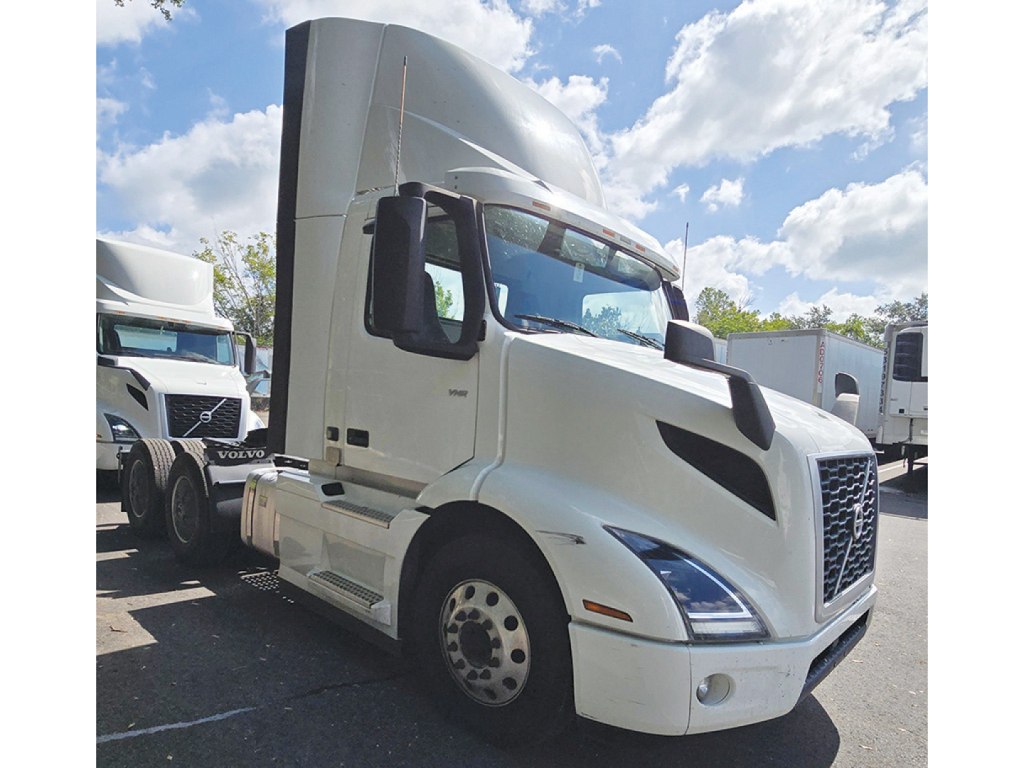
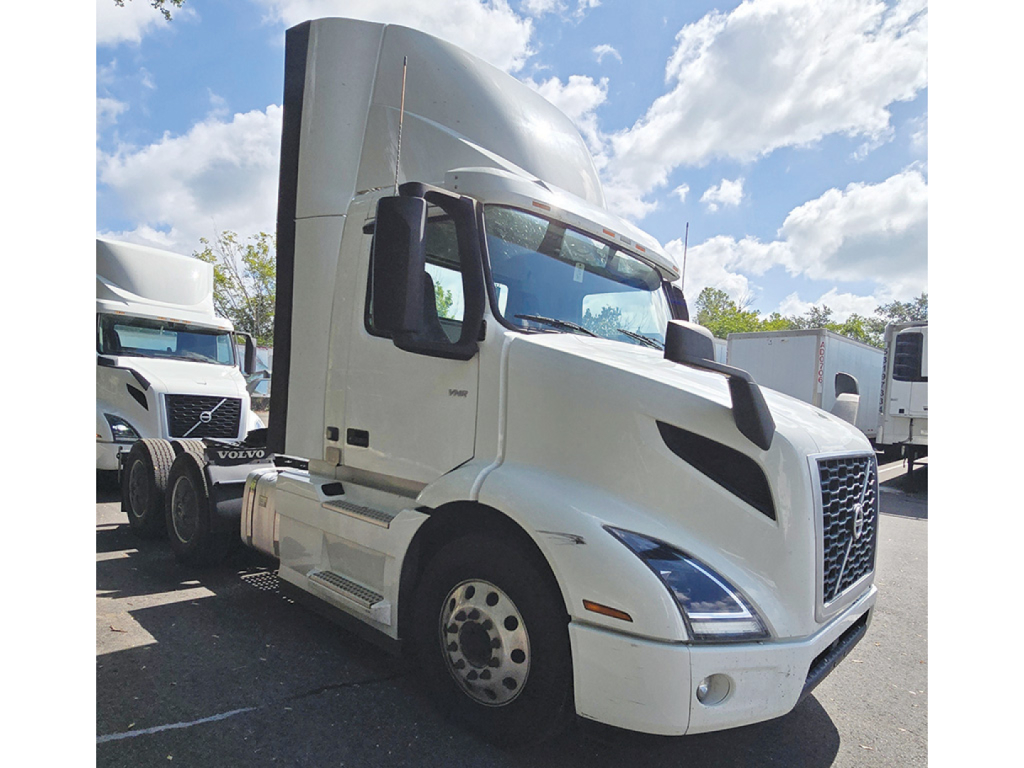
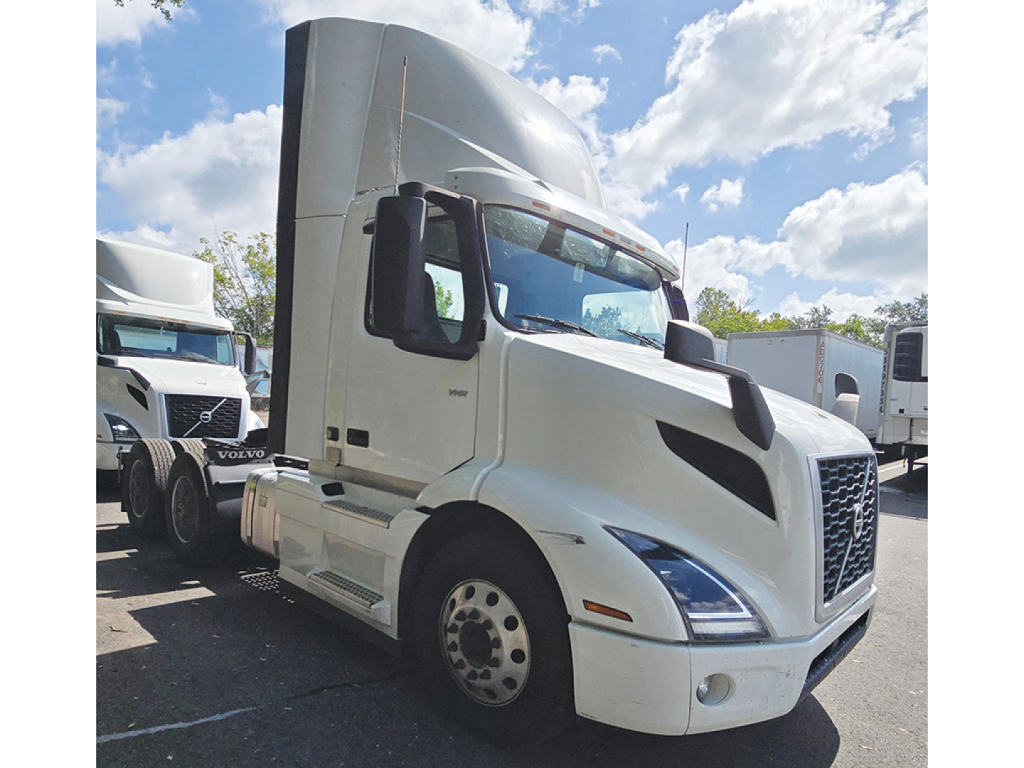
Browse 2022 conventional daycab trucks in Georgia. Compare specs, wheelbases, engines, axle ratios, and fleet-ready features for regional hauling.
Learn more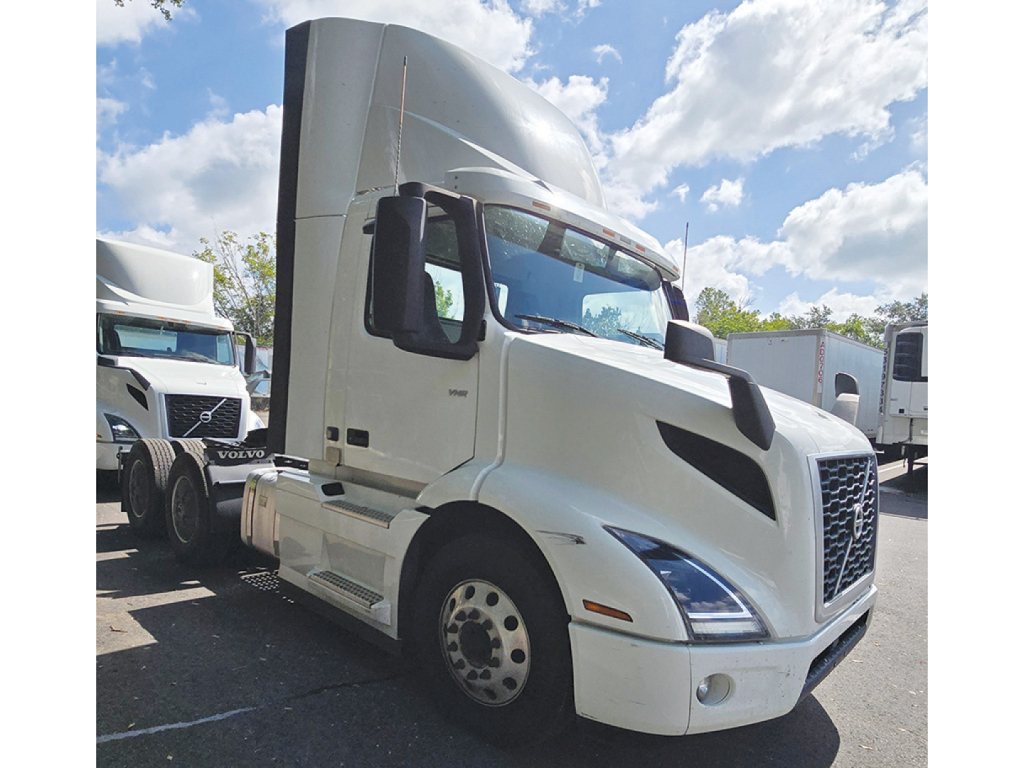
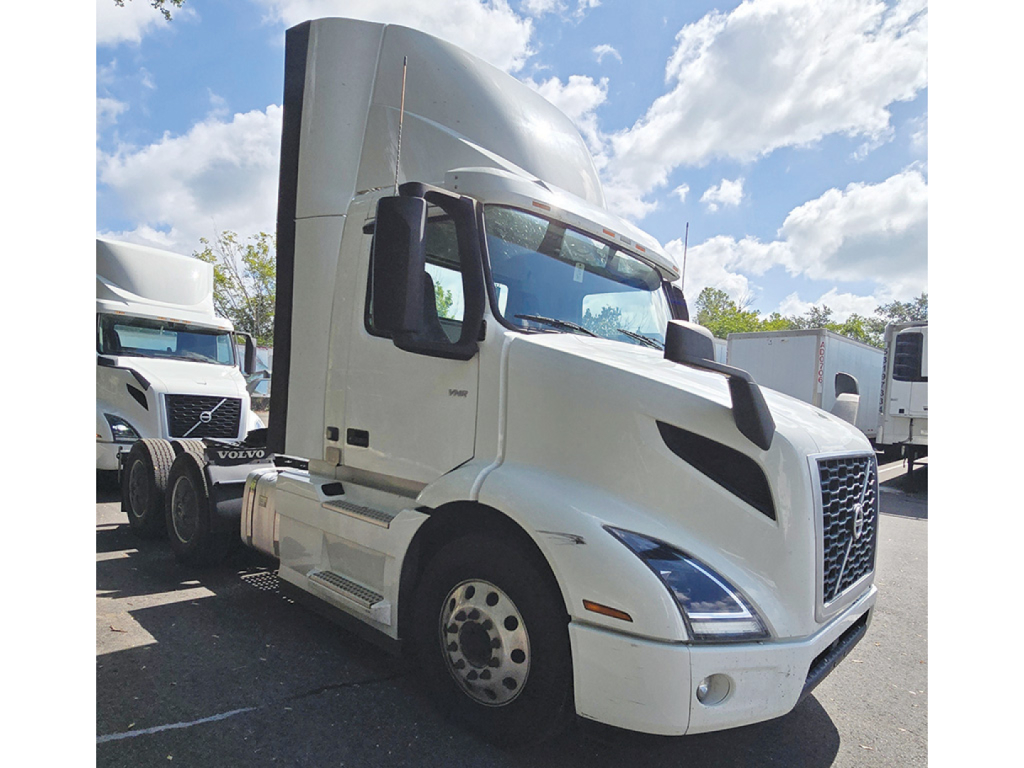
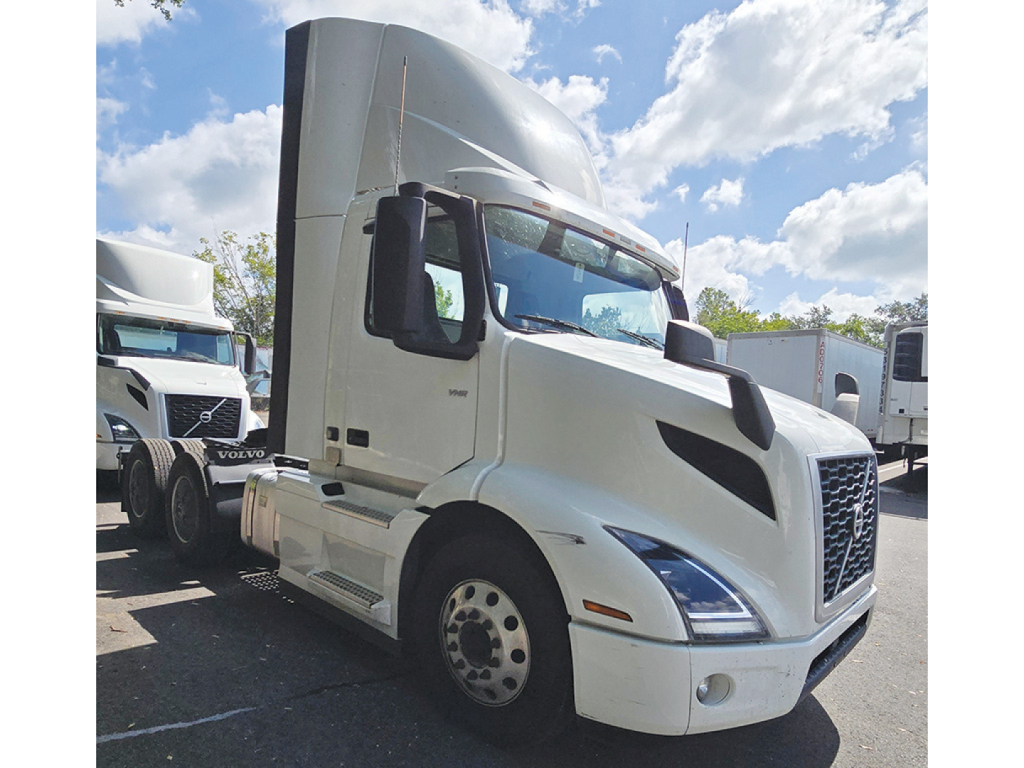
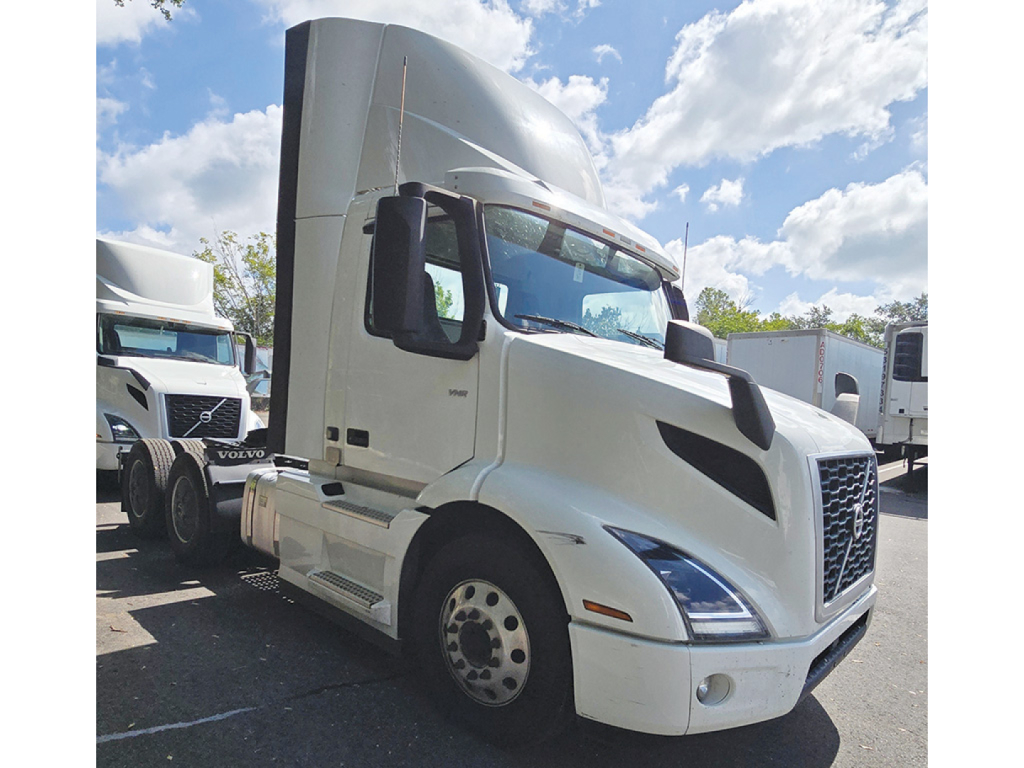
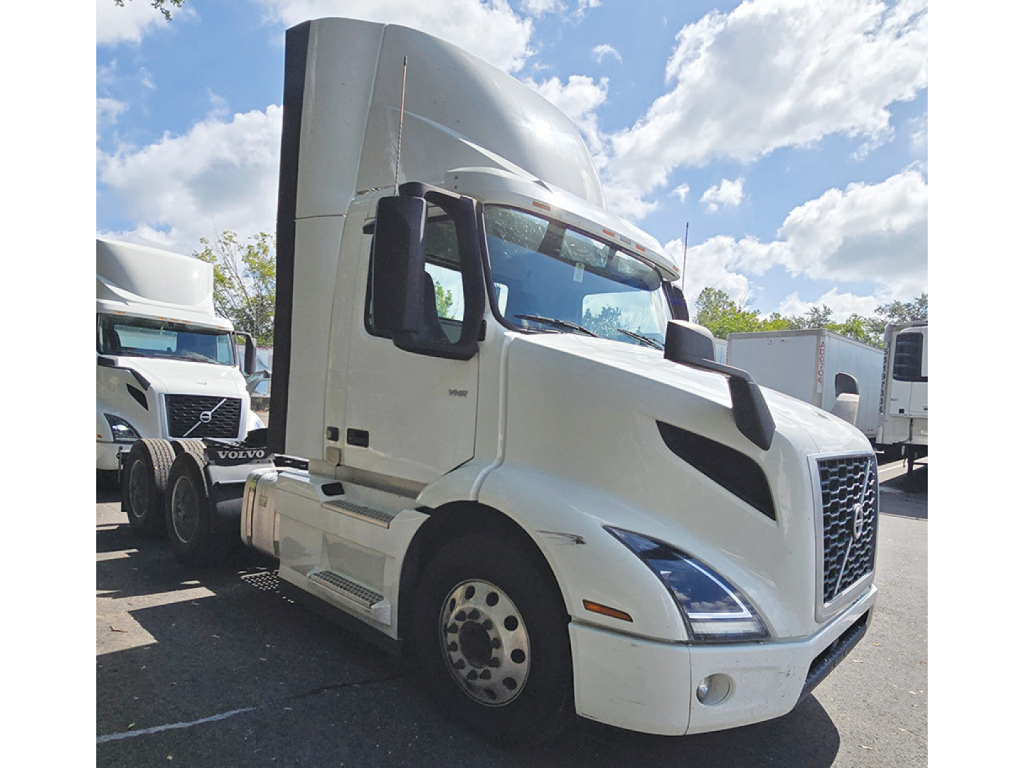
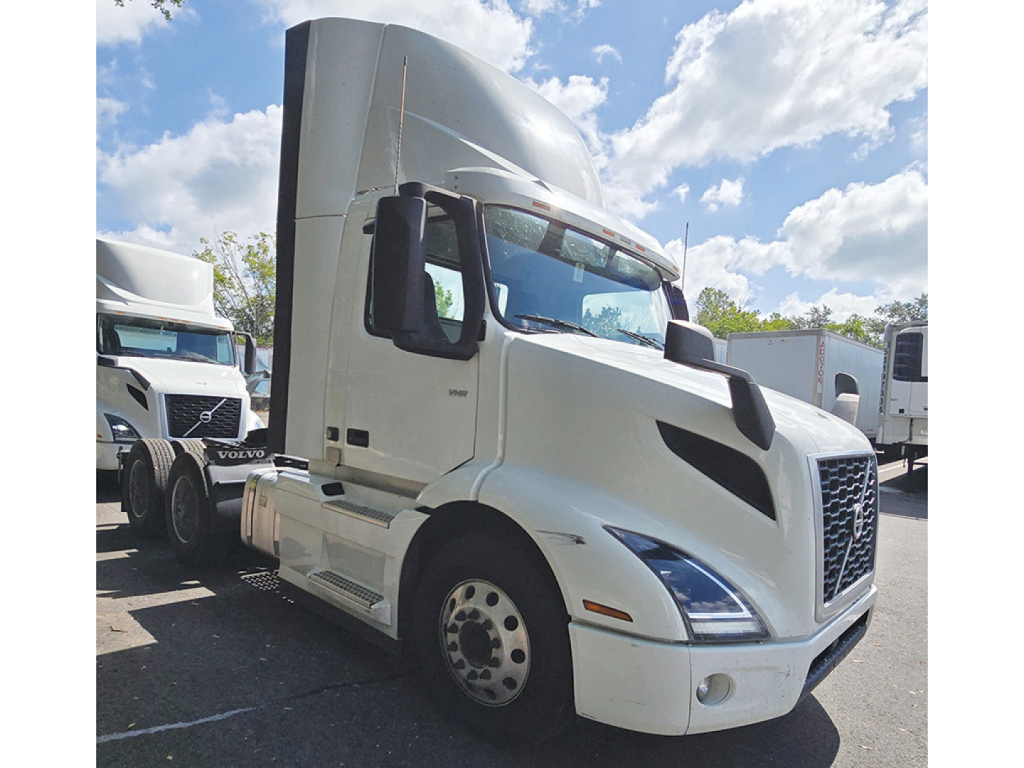
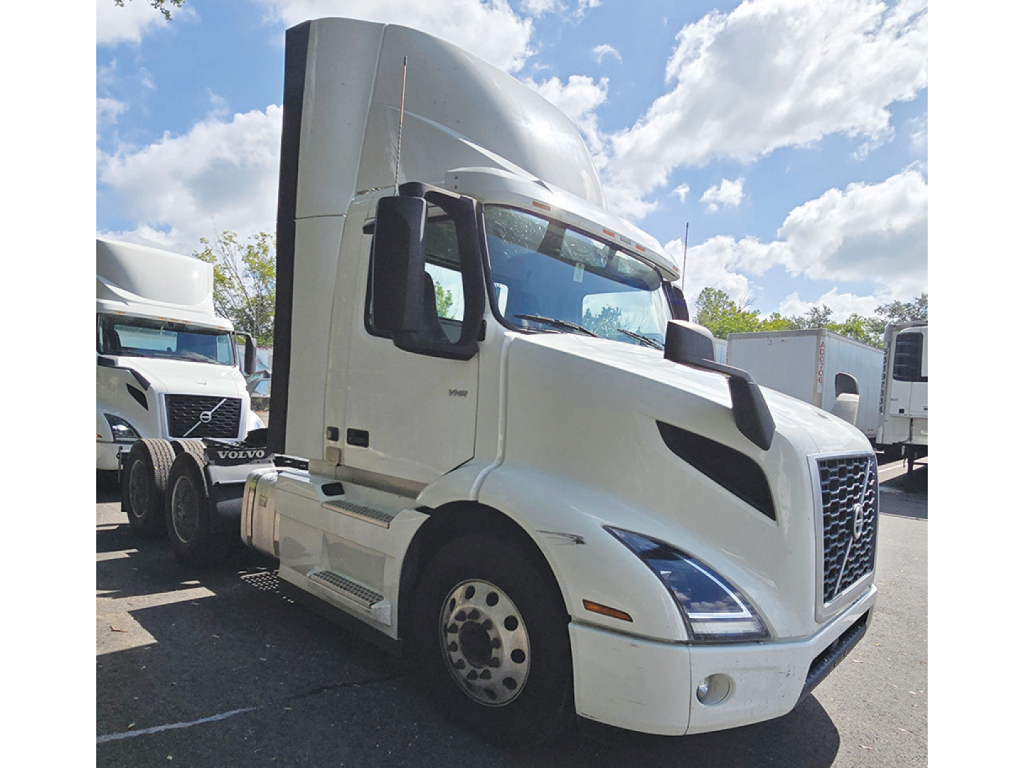
Have 2022 conventional daycab truck to sell? List it here to reach thousands of buyers.
About 2022 Conventional Daycab Trucks in Georgia
The biggest difference between one 2022 daycab and another is how it was spec'd for the job. A lower numerical axle ratio like 2.64 or 2.85 is common on fuel-conscious regional tractors that spend most of their time at highway speed. A ratio closer to 3.08 can be a better fit for heavier starts, mixed terrain, or operations that value pulling power over top-end efficiency. Engine choices in this model year often include platforms like the Volvo D13, Detroit DD13, Mack MP8, and Cummins X15 or ISX family, typically paired with engine brakes for better downhill control and lower service brake wear. Air slide fifth wheels, dual aluminum fuel tanks, low profile 22.5 tires, aluminum wheels, disc brakes, and roof or side fairings are all common fleet specs that affect uptime, weight, and operating cost.
For Georgia buyers, application matters as much as brand. A daycab assigned to intermodal, beverage, grocery, tanker, dump, or flatbed support work may need different frame and PTO provisions than a truck used strictly for van and reefer lanes. If a wet kit is required for a dump trailer or walking floor, confirm hydraulic equipment, frame space, and transmission compatibility. If the truck will live in metro traffic, visibility, turning radius, adaptive safety systems, and brake type become more important. If it will run longer regional miles, pay close attention to aero packages, fuel capacity, cab insulation, and driver comfort items like tilt-telescoping steering, air conditioning, power windows, and seat configuration. A 2022 model year truck also tends to offer newer emissions components, updated electronics, and more advanced driver-assist features than older daycabs, which can matter for fleet standardization and recruiting.
A strong used conventional daycab should be evaluated like a working asset, not just a cab and chassis. Review miles, idle hours, maintenance records, warranty status if any remains, and fault history from the OEM diagnostic system. Check DPF, DOC, and SCR service history, inspect suspension wear, look for uneven tire patterns that may point to alignment or axle issues, and verify the fifth wheel, frame, and rear suspension match the trailer weights you actually haul. On 2022 trucks, buyers should also confirm software updates, aftertreatment performance, and camera or radar calibration if the truck has collision mitigation systems. The right conventional daycab is the one with a spec that fits your lane, your trailers, and your cost per mile target.
Frequently Asked Questions
What is a conventional daycab truck used for?
A conventional daycab truck, also called a non-sleeper tractor, is used for freight operations where the driver returns home or to a terminal instead of staying overnight in the truck. Common applications include regional haul, local pickup and delivery, drayage, dedicated contract freight, tanker work, dump trailer service, and short-to-medium length highway runs. The daycab layout reduces weight and overall length compared with a sleeper tractor, which can improve maneuverability and payload efficiency.
What specs matter most when buying a 2022 conventional daycab?
The most important specs are engine horsepower and torque, transmission type, rear axle ratio, wheelbase, suspension, brake configuration, and fifth wheel setup. Those items determine how the truck starts under load, cruises at highway speed, turns in tight areas, and matches with your trailers. Buyers should also review fuel capacity, tire size, axle ratings, PTO or wet kit provisions, and emissions system history because those details affect operating cost and job suitability more than appearance does.
Is an automated manual transmission a good choice in a 2022 daycab?
For most fleet and owner-operator regional applications, an automated manual transmission is a strong choice. Systems like Volvo I-Shift, Detroit DT12, and Mack mDrive are common in 2022 model year trucks because they help with fuel economy, driver onboarding, and clutch life while still delivering good drivability in traffic and on grades. The key is to make sure the transmission programming and axle ratio match the truck's intended work, especially if the tractor will handle heavy loads, PTO equipment, or frequent stop-and-go service.
What rear axle ratio is best for a daycab in Georgia?
There is no single best axle ratio because it depends on terrain, average gross weight, trailer type, and cruising speed. Ratios such as 2.64 or 2.85 are often selected for fuel-efficient regional highway service and can work well on flatter lanes with aerodynamic trailers. A ratio like 3.08 may be better for heavier freight, more frequent starts, or routes with more grade and mixed-speed driving. The right ratio is the one that keeps the engine in an efficient RPM range without hurting startability or drivability.
How do I evaluate a used 2022 conventional daycab before buying?
Start with service records, engine hours, miles, and any available diagnostic reports. Then inspect aftertreatment components, look for active or recently cleared fault codes, and confirm the condition of brakes, suspension, tires, steering, and the fifth wheel assembly. A buyer should also verify axle ratings, wheelbase, and fuel tank capacity against the intended trailers and payload. On a 2022 truck, it is smart to confirm OEM software updates and the status of any safety systems because electronics and emissions performance can be just as important as the mechanical condition.