
2021 Conventional Daycab Trucks For Sale in Georgia
Shop 2021 conventional daycab trucks in Georgia. Compare specs, wheelbases, axle ratings, engines, transmissions, and regional haul setups.
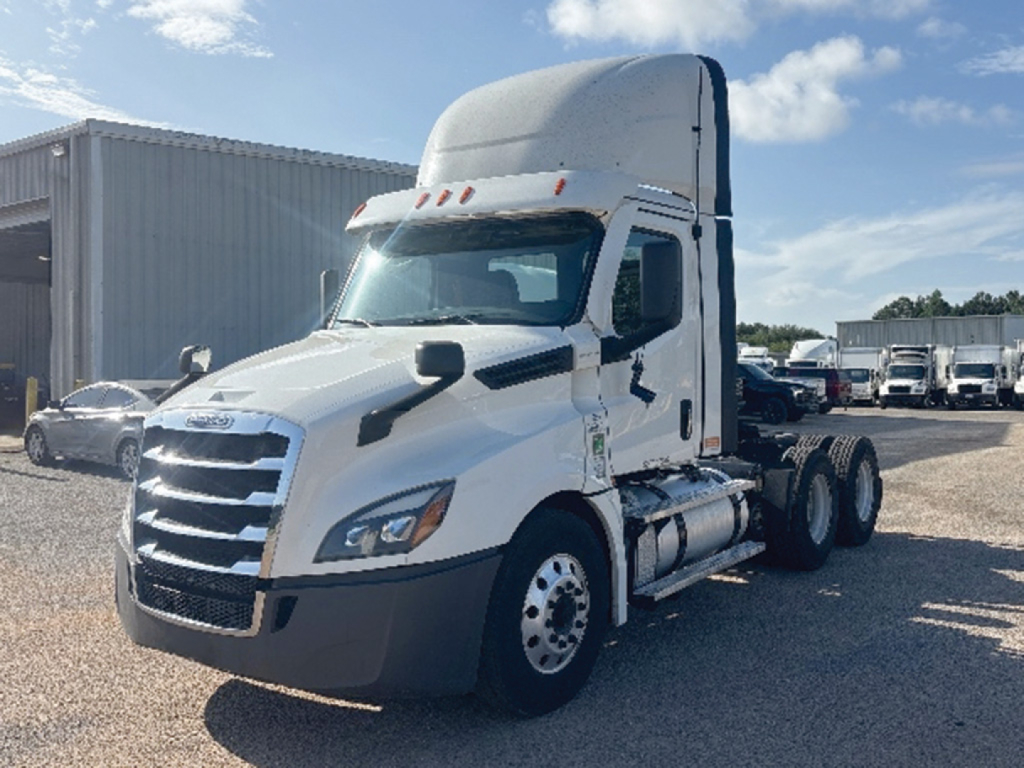
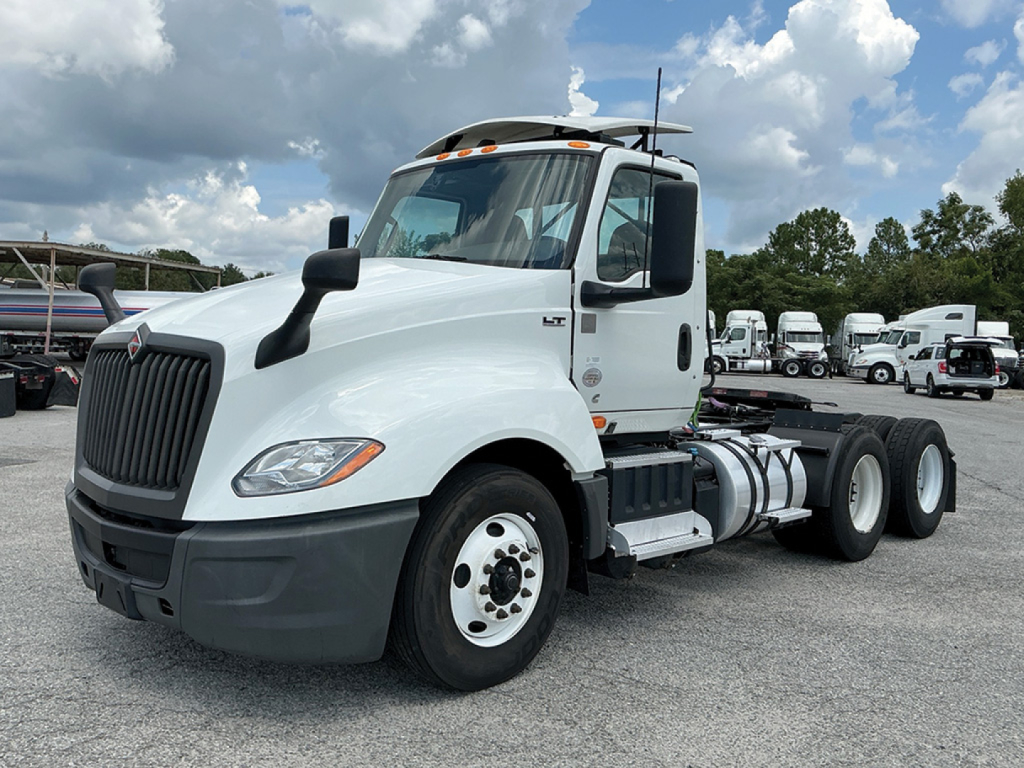
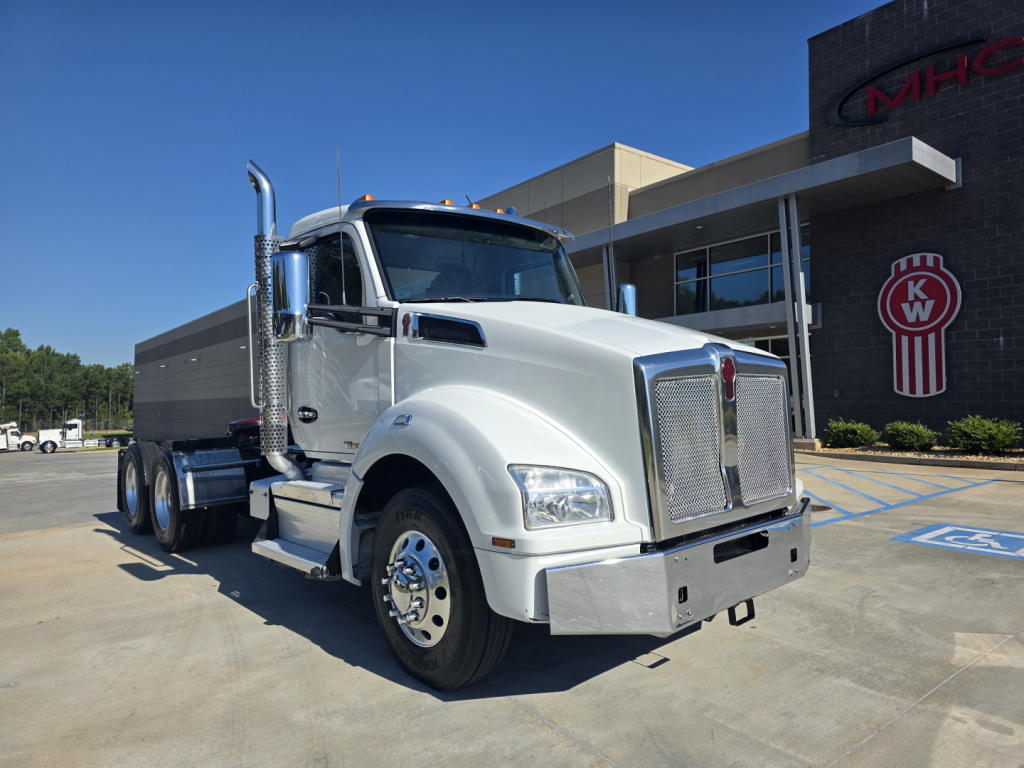
Selling a 2021 conventional daycab truck? List your 2021 conventional daycab truck for sale and reach thousands of commercial buyers.
2021 Conventional Daycab Trucks in Georgia
The most important buying decision is matching the powertrain to the job. In this category, engines in the 400 to 450 horsepower range are common, often paired with automated transmissions such as Volvo I-Shift or other 12-speed automated manuals. Rear axle ratios like 2.64 or 2.79 are typical for fuel-conscious highway and regional use, while a deeper ratio may make more sense for heavy stop-and-go or vocational pulling. If the truck will spend time in Atlanta traffic, port service, or tight customer yards, look closely at wheelbase, steering angle, forward visibility, and how the fifth wheel is set up. An air-slide or adjustable fifth wheel adds flexibility if trailer lengths and kingpin settings vary across the operation.
For a 2021 daycab, cab condition and chassis spec matter as much as mileage. Buyers should pay attention to disc versus drum brakes, the presence of an engine brake, fuel tank capacity, and aerodynamic equipment such as roof fairings, cab extenders, and quarter fenders. These details affect operating cost, maintenance intervals, and trailer compatibility. Georgia fleets often favor aerodynamic daycabs for regional lanes running I-75, I-85, and I-20 because they balance driver comfort with lower fuel burn. Power windows, tilt and telescoping steering, air conditioning, and a clean driver-focused interior are more than convenience items in this class. They help with retention on high-frequency local and regional routes.
A conventional daycab is also known as a non-sleeper conventional tractor. It is usually the right fit when the truck returns to base daily or runs short overnights that do not justify a sleeper. Before buying, confirm axle ratings, suspension type, wheelbase, emissions service history, and intended trailer match. A well-spec'd 2021 conventional daycab can serve dry van, reefer, flatbed, container, and dedicated fleet work with lower empty weight and tighter turning than many sleeper tractors.
Frequently Asked Questions about 2021 Conventional Daycab Trucks in Georgia
What is a 2021 conventional daycab truck best used for?
A 2021 conventional daycab truck is best suited for regional hauling, local pickup and delivery, port drayage, shuttle work, and dedicated lane operations where the driver does not need a sleeper berth. The non-sleeper layout reduces overall vehicle length and often improves maneuverability in city traffic, customer yards, and distribution centers. Many fleets also choose daycabs to reduce empty weight and simplify the spec for return-to-base operations.
What specs matter most when buying a used 2021 daycab tractor?
The key specs are engine horsepower and torque, transmission type, rear axle ratio, axle ratings, wheelbase, suspension, brake type, and fifth wheel configuration. Buyers should also review emissions system history, remaining tire and brake life, and whether the truck has aerodynamic equipment that matches its route profile. For mixed trailer operations, adjustable or air-slide fifth wheels can be especially useful because they help accommodate different kingpin settings and trailer lengths.
Are automated transmissions common in 2021 conventional daycabs?
Yes. Automated manual transmissions are very common in 2021 conventional daycab trucks, especially in regional fleet specs. They are popular because they improve driver consistency, reduce clutch-related wear, and can help fuel economy when matched with the correct rear axle ratio. Systems like Volvo I-Shift are frequently seen in this category and are well suited to stop-and-go regional duty as well as highway runs.
How do I choose the right wheelbase for a conventional daycab?
Wheelbase should match the trailer type, axle spread requirements, and operating environment. A shorter wheelbase generally helps with turning radius and urban maneuverability, while a longer wheelbase may improve ride quality, frame layout options, and weight distribution. Buyers running in tight metro areas like Atlanta often prefer a compact spec, but fleets hauling heavier loads or using specialized trailer setups may need additional length to position the fifth wheel correctly and stay legal on bridge measurements.
Is a 2021 daycab a good choice for Georgia regional freight?
Yes. A 2021 daycab is a strong fit for Georgia regional freight because many operations in the state involve distribution, intermodal moves, and out-and-back lanes that do not require sleeper space. A modern aerodynamic daycab with a fuel-efficient engine, automated transmission, and proper axle ratio can perform well on major Georgia corridors while still handling dense traffic and frequent stops. The right spec depends on cargo weight, trailer type, and how much time the truck spends on highway versus local routes.