
2014 Conventional Daycab Trucks For Sale in Pennsylvania
Shop 2014 conventional daycab trucks in Pennsylvania. Compare specs, wheelbases, engines, transmissions, and axle ratios for regional hauling.
Learn more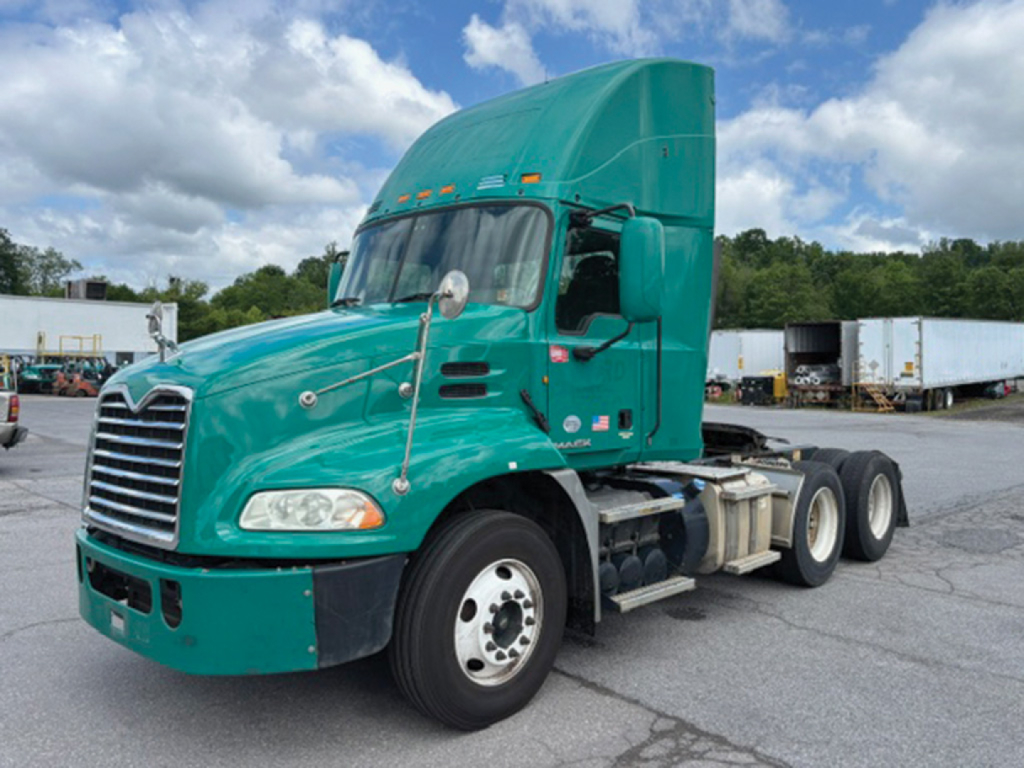
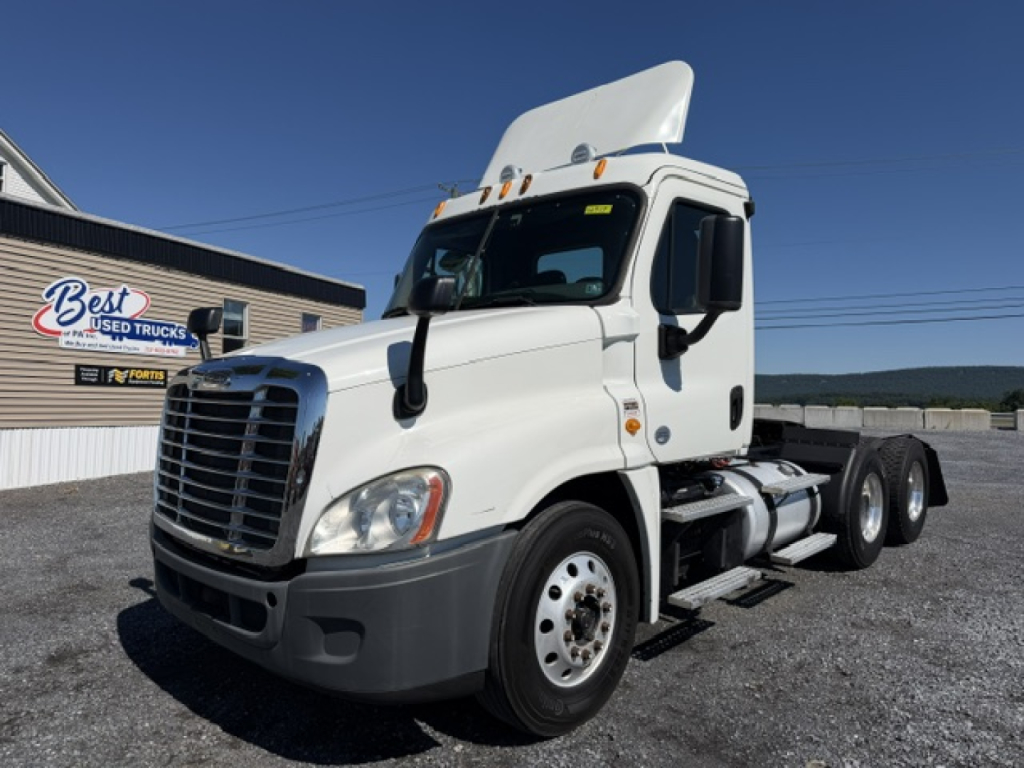
Have 2014 conventional daycab truck to sell? List it here to reach thousands of buyers.
About 2014 Conventional Daycab Trucks in Pennsylvania
The most important buying decision is matching the cab and chassis spec to the job. A typical 2014 daycab may carry a 165 to 190 inch wheelbase, though shorter setups are common for tight urban turns and longer wheelbases can improve ride and bridge the gap for certain trailer combinations. Common engines in this class include Detroit DD13 and DD15, Cummins ISX, Paccar MX-13, Volvo D13, and MaxxForce or early A26-era International power in some fleets depending on brand. Horsepower often falls in the 350 to 500 HP range, with torque and axle ratio doing just as much work as advertised HP in stop-and-go or heavy regional service. Automated manual transmissions became more common around this period, but many 2014 trucks still carry manual or traditional automated setups, so shift style, clutch wear history, and software calibration should all be part of the review.
For a used 2014 conventional daycab, rear axle rating, fifth wheel type, and brake configuration deserve close attention. Many are spec'd with 38,000 to 40,000 lb rears and air ride suspension, which suits van, reefer, flatbed, tanker, and container work. Air-slide fifth wheels add flexibility for mixed trailer fleets, while a fixed fifth wheel can be fine for dedicated lanes. Disc brakes began gaining ground, but drum brakes are still common in this year and can be perfectly serviceable if maintenance records are solid. Fuel tank capacity, fairings, exhaust layout, and tire size also affect usefulness. A truck set up for regional linehaul will differ from one built for vocational or yard-to-road duty, so frame condition, PTO provisions, wet kit compatibility, and any evidence of prior body or vocational use should be verified.
In Pennsylvania, rust, corrosion, and undercarriage condition can separate a strong 2014 truck from one that only looks good in photos. Pay attention to crossmembers, cab mounts, battery boxes, air tanks, suspension components, and wiring exposed to road salt. Buyers should also review DPF, DEF, and EGR service history carefully because aftertreatment repairs can quickly change the value equation on a truck in this age range. A well-maintained 2014 conventional daycab can still be a productive, lower-acquisition-cost tractor for regional work, especially when the engine, transmission, axle ratio, and wheelbase are aligned with the route and trailer type.
Frequently Asked Questions
What is a 2014 conventional daycab truck best used for?
A 2014 conventional daycab truck is best suited for regional hauling, local freight, dedicated lanes, drayage, tanker work, and other operations where the driver returns home daily. Without a sleeper, the chassis is typically lighter and more maneuverable than a long-haul sleeper tractor. That makes it a practical choice for fleets focused on productivity, lower purchase cost, and easier access to tighter job sites or terminals.
What specs matter most when buying a used 2014 day cab in Pennsylvania?
The key specs are engine make and emissions history, transmission type, rear axle ratio, horsepower and torque rating, wheelbase, suspension, brake type, and rear axle capacity. In Pennsylvania, buyers should place extra emphasis on engine brake performance, driveline gearing for hills, and corrosion from winter road salt. Maintenance records for the DPF, DEF system, EGR components, and suspension are especially important on a 2014 truck.
Are 2014 conventional daycab trucks good for regional linehaul?
Yes, many 2014 conventional daycab trucks are well suited for regional linehaul if the truck has the right powertrain and fuel capacity. A regional linehaul spec usually includes an efficient diesel engine in the 400 to 450 HP range, an automated or manual transmission matched to the route, aerodynamic fairings, and axle ratios that balance fuel economy with pulling power. The best setup depends on trailer weight, terrain, and average trip length.
What wheelbase is common on a 2014 conventional daycab?
Many 2014 conventional daycab trucks fall in the 165 to 190 inch wheelbase range, but the right wheelbase depends on the application. Shorter wheelbases improve maneuverability for city work, port service, and tight loading areas. Longer wheelbases can improve ride quality, trailer clearance, and overall stability for regional highway operation. Wheelbase should always be considered alongside fifth wheel position and axle spread.
What should buyers inspect on an older 2014 day cab before purchase?
Buyers should inspect the frame, crossmembers, suspension, steering components, fifth wheel, tires, brakes, and all visible signs of corrosion or prior repairs. The engine should be checked for blow-by, fault codes, oil and coolant condition, and aftertreatment service history. Transmission operation, clutch condition if equipped, driveline vibration, and air system leaks also deserve attention. On a 2014 model, a thorough review of maintenance documentation can be just as valuable as the physical inspection.