
1999 Conventional Daycab Trucks For Sale
Shop 1999 conventional daycab trucks for local and regional hauling, port work, tanker, dump, and terminal applications.
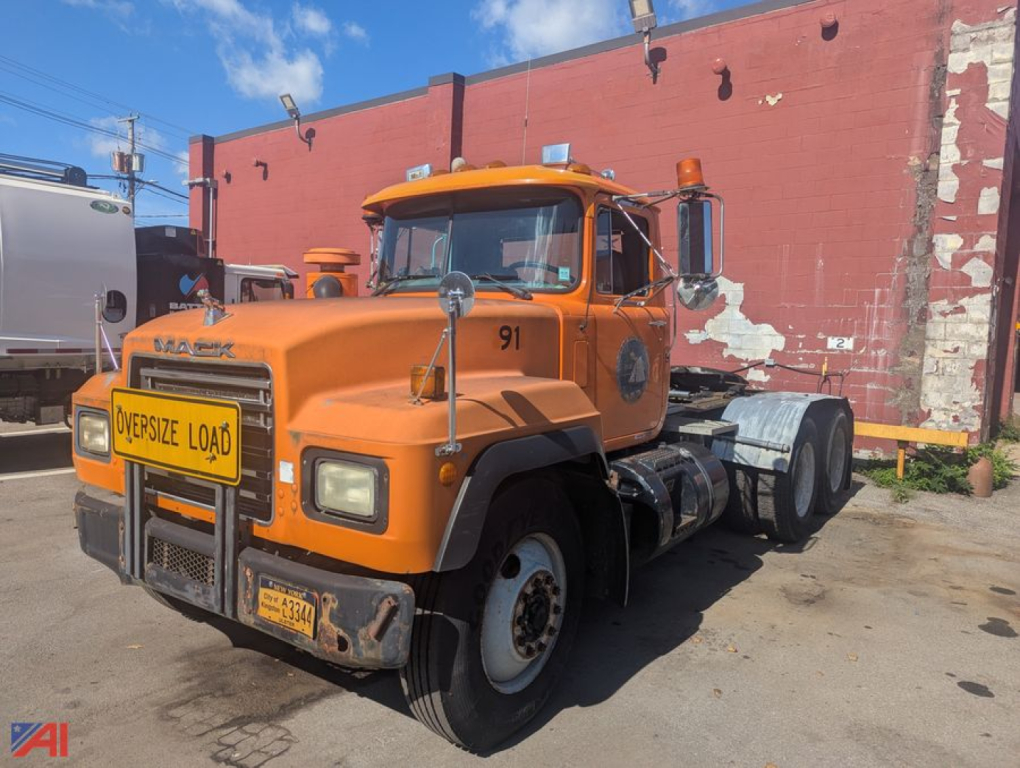
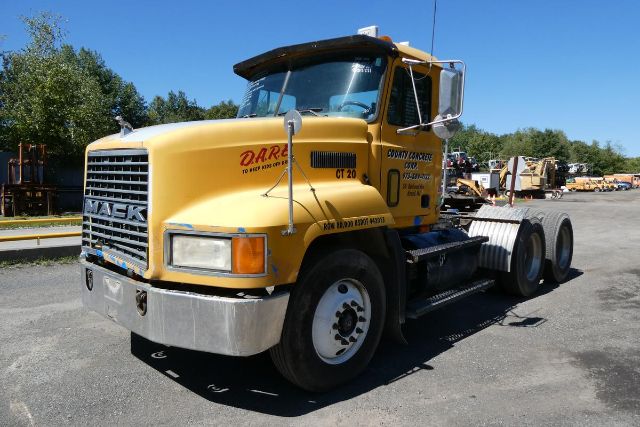
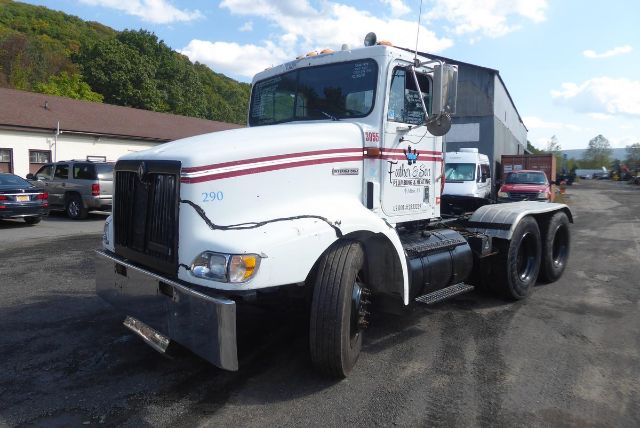
Have 1999 conventional daycab truck to sell? List it here to reach thousands of buyers.
1999 Conventional Daycab Trucks
The key buying decisions usually start with axle layout, wheelbase, and drivetrain. In this age range, most conventional daycab trucks were spec'd as 4x2 or 6x4 tractors with manual transmissions, common rear axle ratios for stop-and-go or regional duty, and engines from major builders such as Caterpillar, Cummins, Detroit Diesel, Mack, or Volvo depending on make. A shorter wheelbase helps in tight yards and city delivery routes, while a longer wheelbase may better suit heavier trailers or specialized vocational bodies. Front axle ratings, rear suspension type, fifth wheel setup, and frame configuration all matter. A stationary or sliding fifth wheel, single versus double frame, and suspension choices such as air ride or spring can tell you a lot about the truck's intended application.
Because these are 1999 trucks, emissions and electronics are often part of the appeal. Many buyers prefer this period for its pre-2000 mechanical simplicity compared with later emissions-equipped equipment. That can mean easier diagnostics, fewer aftertreatment-related issues, and broad parts familiarity across independent shops. Condition still matters more than model year alone. Pay close attention to engine blow-by, transmission shift quality, differential noise, steering play, air system health, frame corrosion, cab mounts, and evidence of prior vocational stress such as pintle use, heavy fifth wheel wear, or frame modifications. Odometer readings only tell part of the story, so engine hours, maintenance records, and signs of rebuild work can be just as important.
A good 1999 conventional daycab can still be a productive asset if the spec matches the job. For container hauling, look closely at wheelbase, turning radius, and axle ratings. For dump or heavy haul support, frame strength, suspension capacity, and gearing deserve more attention than cab trim. For local van or flatbed work, ride quality, brake condition, and PTO compatibility may be more important. Buyers comparing listings in this category should read beyond horsepower and focus on how the truck was configured, how it was maintained, and whether the chassis suits the route, load, and trailer type it will actually handle.
Frequently Asked Questions about 1999 Conventional Daycab Trucks
What is a conventional daycab truck?
A conventional daycab truck is a highway-style tractor with a hood and engine mounted ahead of the cab, but without a sleeper compartment behind the seats. It is designed for local, regional, and vocational work where the driver returns the same day. Compared with sleeper tractors, a daycab is typically shorter, lighter, and easier to maneuver in tight yards, city streets, ports, and job sites.
What should I inspect first on a 1999 conventional daycab?
Start with the powertrain and chassis condition. Check engine cold-start behavior, blow-by, fluid leaks, cooling system condition, clutch engagement, transmission operation, differential noise, and brake performance. Then inspect the frame rails, crossmembers, suspension, steering components, cab mounts, and air system for wear or corrosion. On an older daycab, maintenance history and evidence of proper repairs often matter more than mileage alone.
Are 1999 daycab trucks good for local hauling and port work?
Yes, many 1999 conventional daycab trucks are well-suited for local and port applications if the wheelbase, axle ratings, and gearing match the job. A shorter wheelbase improves maneuverability in container yards and urban routes, while the daycab layout reduces unnecessary weight and length. Buyers should still confirm fifth wheel height, cab-to-axle dimensions, and suspension capacity to make sure the truck works with the intended trailer and load profile.
Do 1999 conventional daycab trucks usually have simpler emissions systems?
Yes, that is one reason older daycab trucks remain in demand. A 1999 truck predates the more complex emissions systems found on later models, so it generally avoids DEF systems, diesel particulate filters, and many aftertreatment-related components. That can make service and troubleshooting more straightforward, although engine condition, local regulations, and compliance requirements should always be verified before purchase or operation.
How do I choose between a 4x2 and a 6x4 daycab?
A 4x2 daycab can be a strong fit for lighter local routes, lower tare weight, and applications where traction demands are limited. A 6x4 provides better load support and traction, making it more common for heavier freight, dump work, tanker service, and mixed terrain. The right choice depends on gross combination weight, trailer type, road conditions, and how often the truck will operate on soft ground, grades, or in all-weather service.