
Trucks For Sale Near Commerce, Georgia
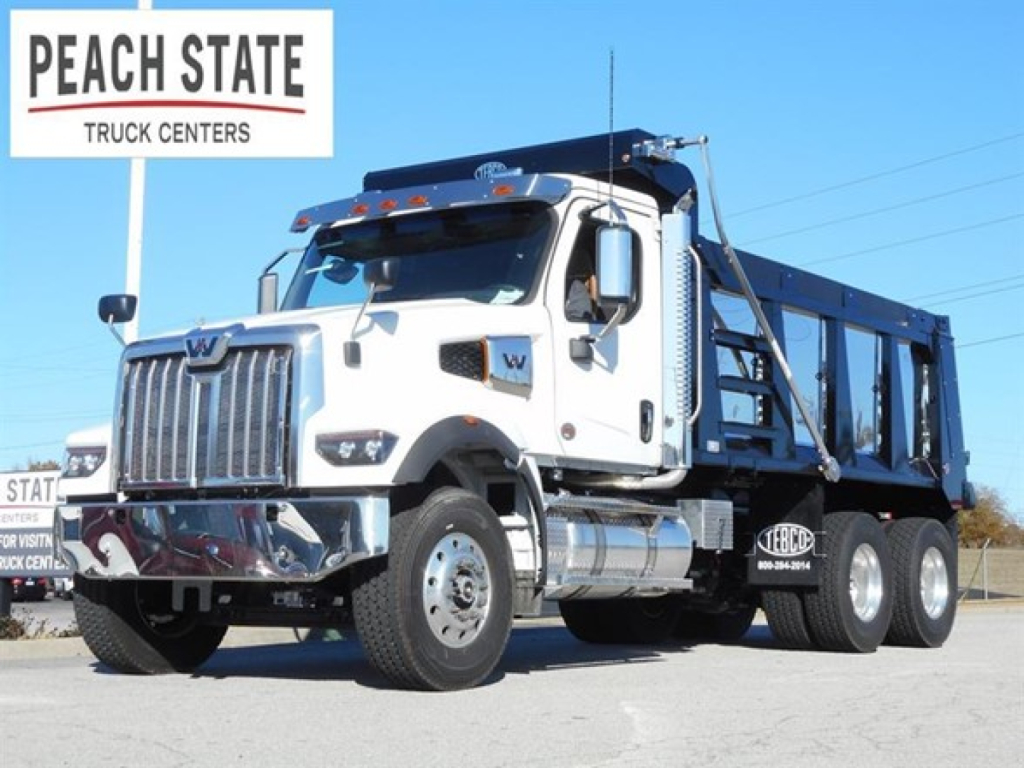
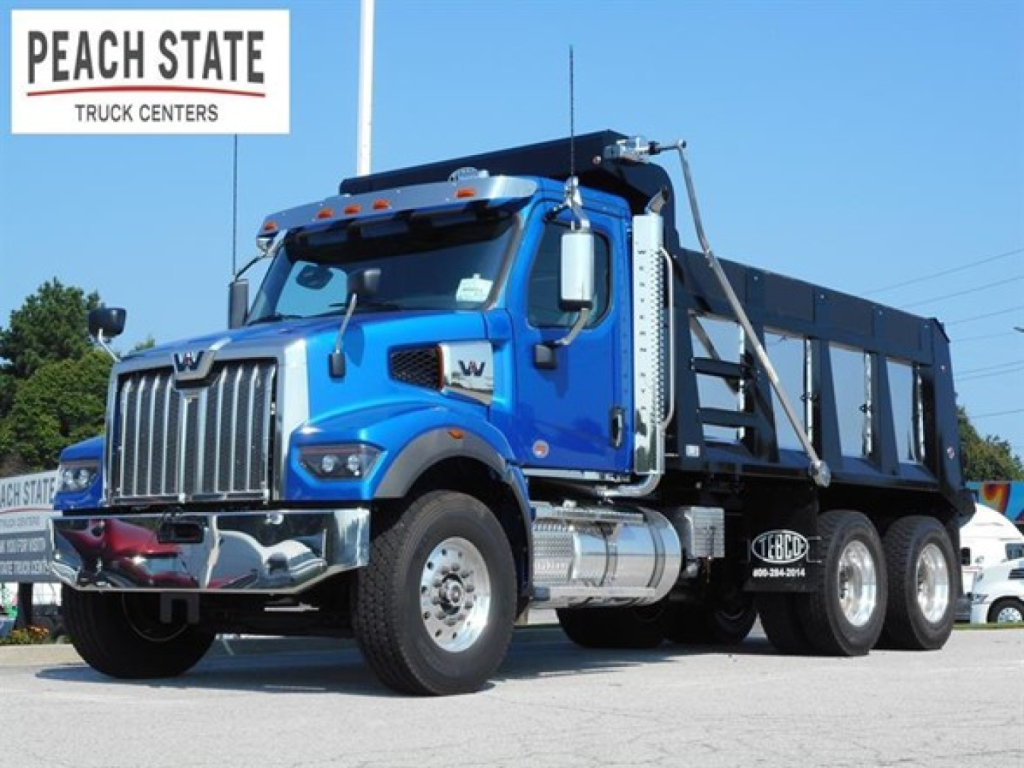
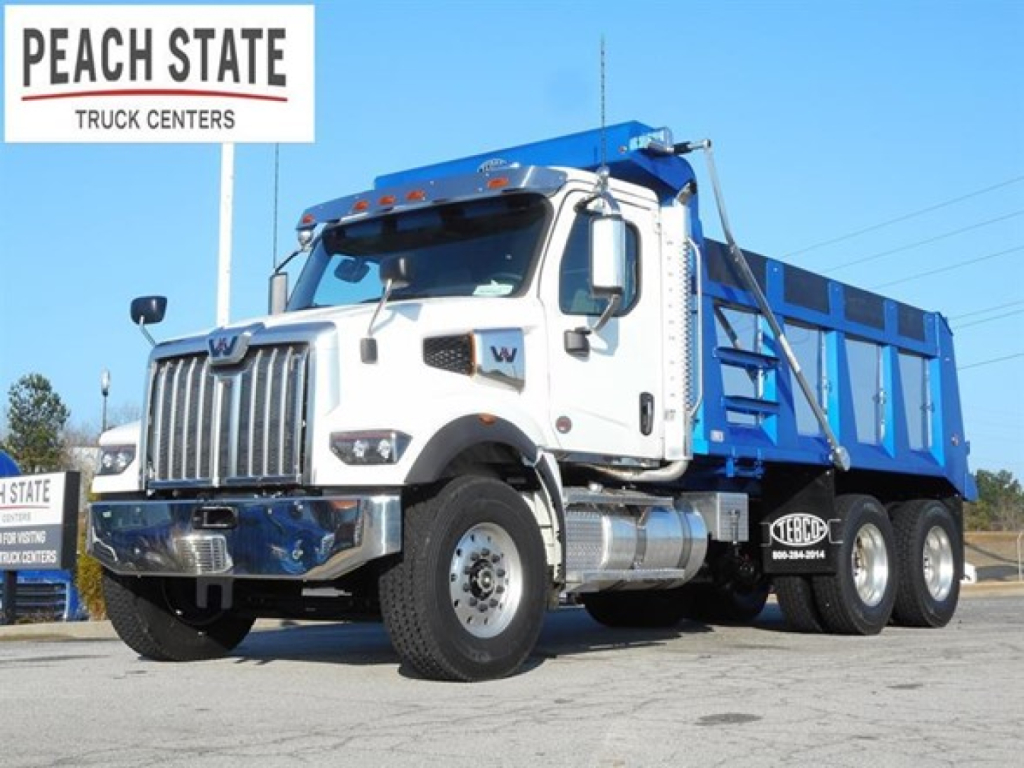
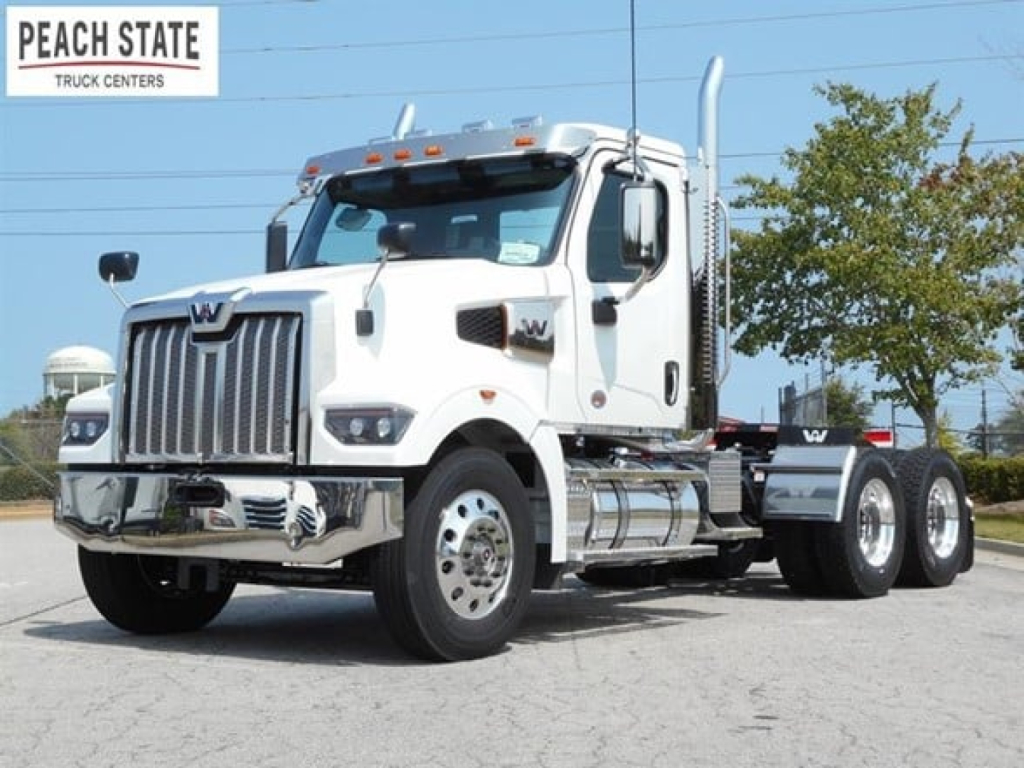
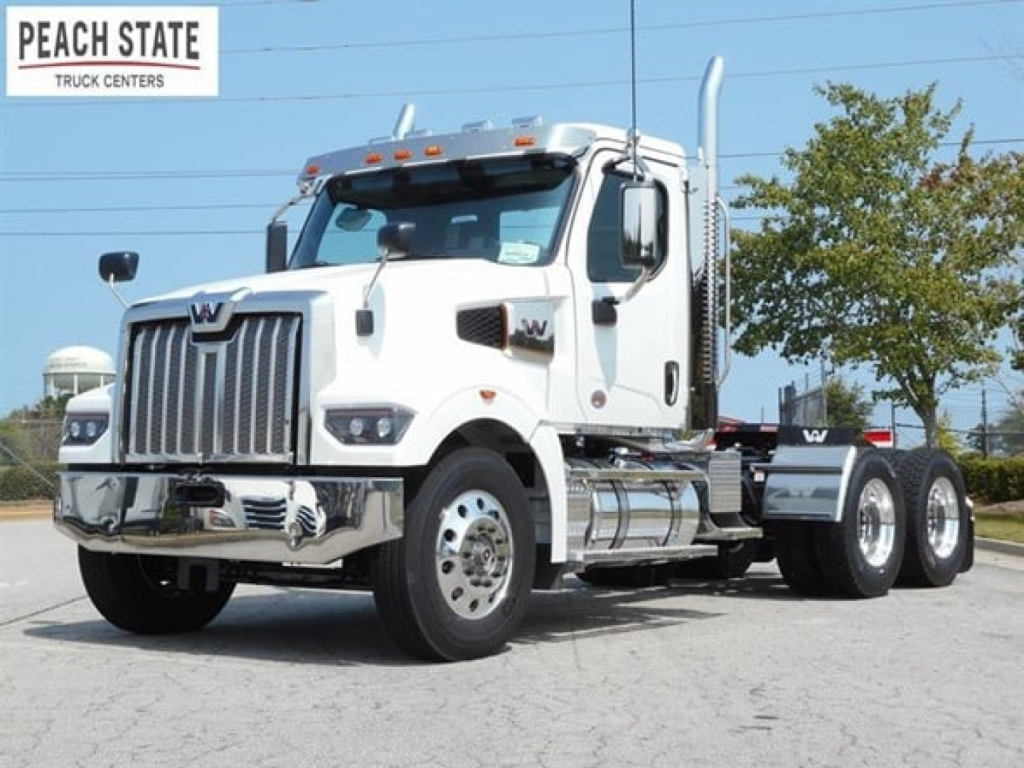
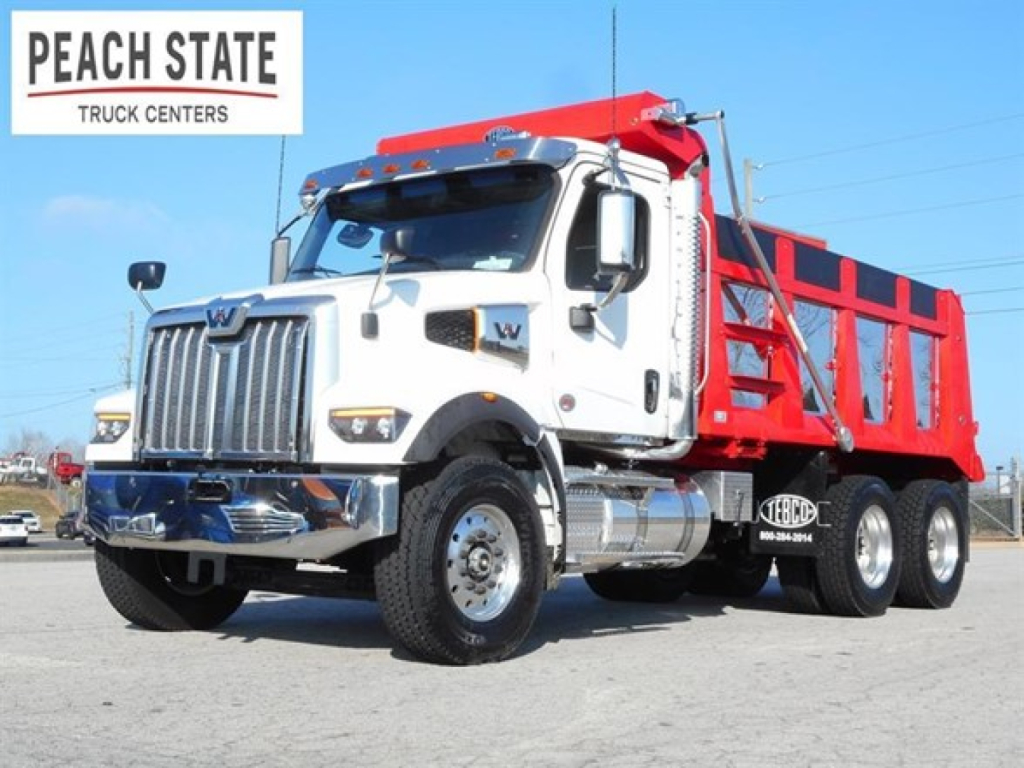

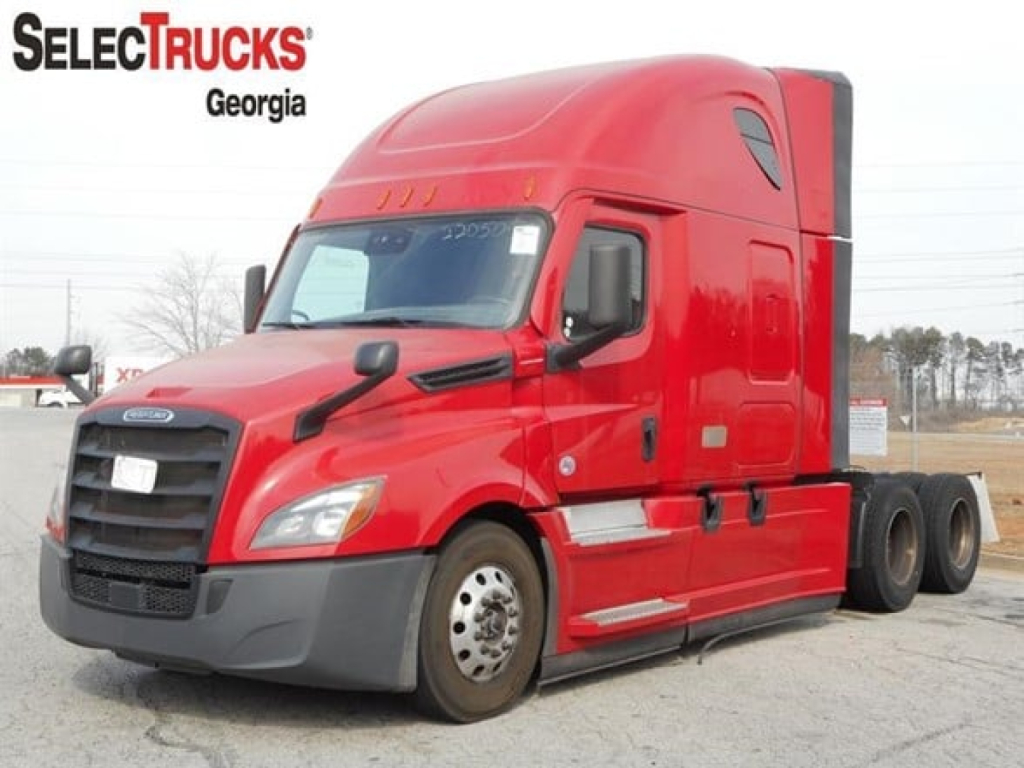
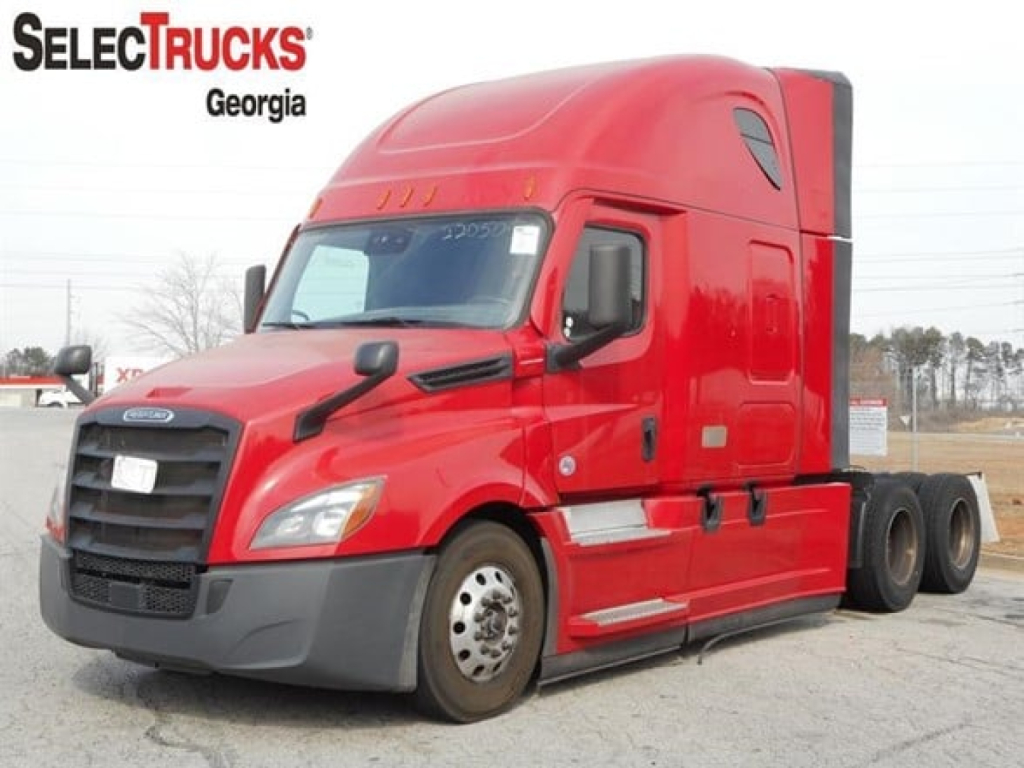
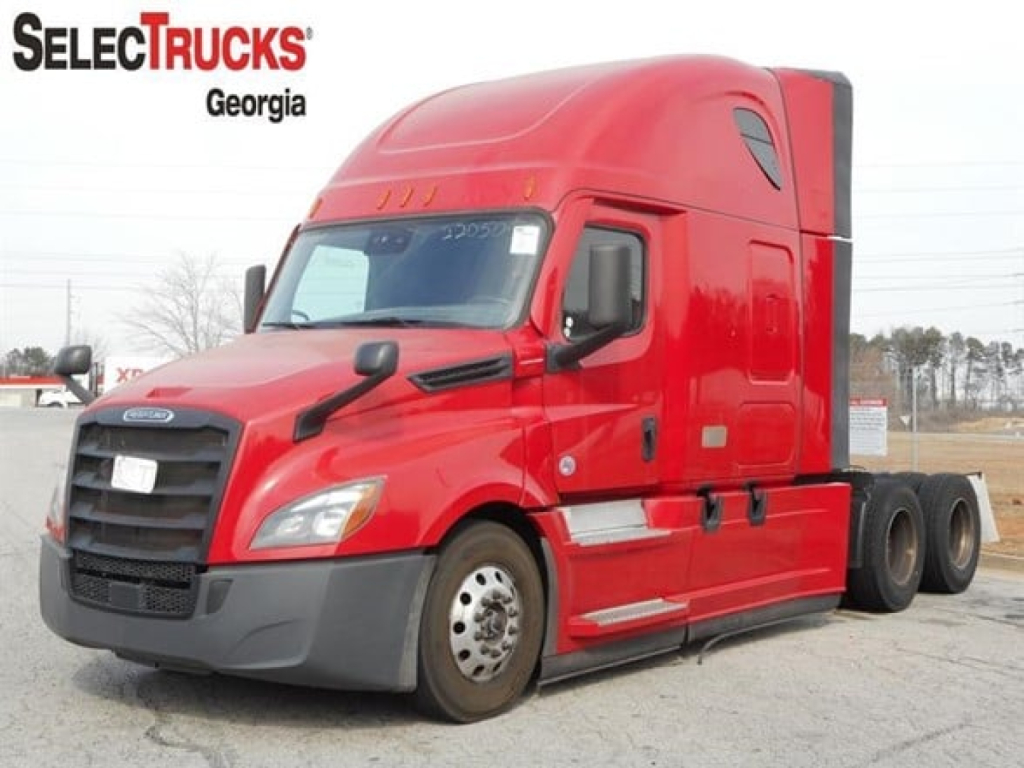
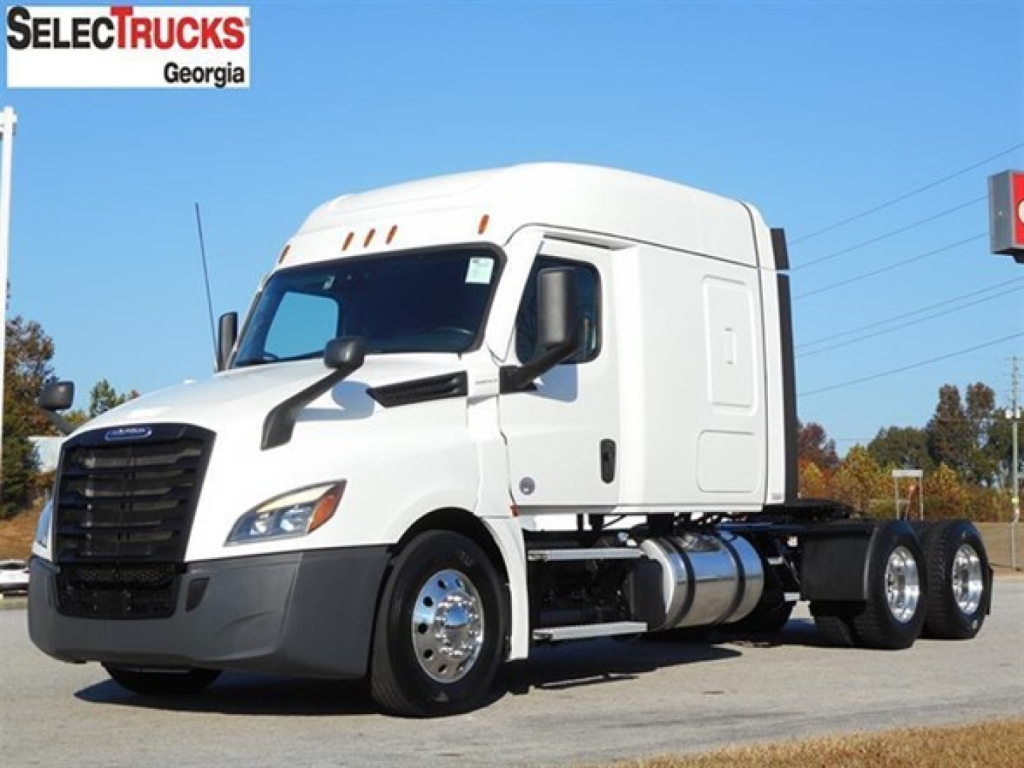
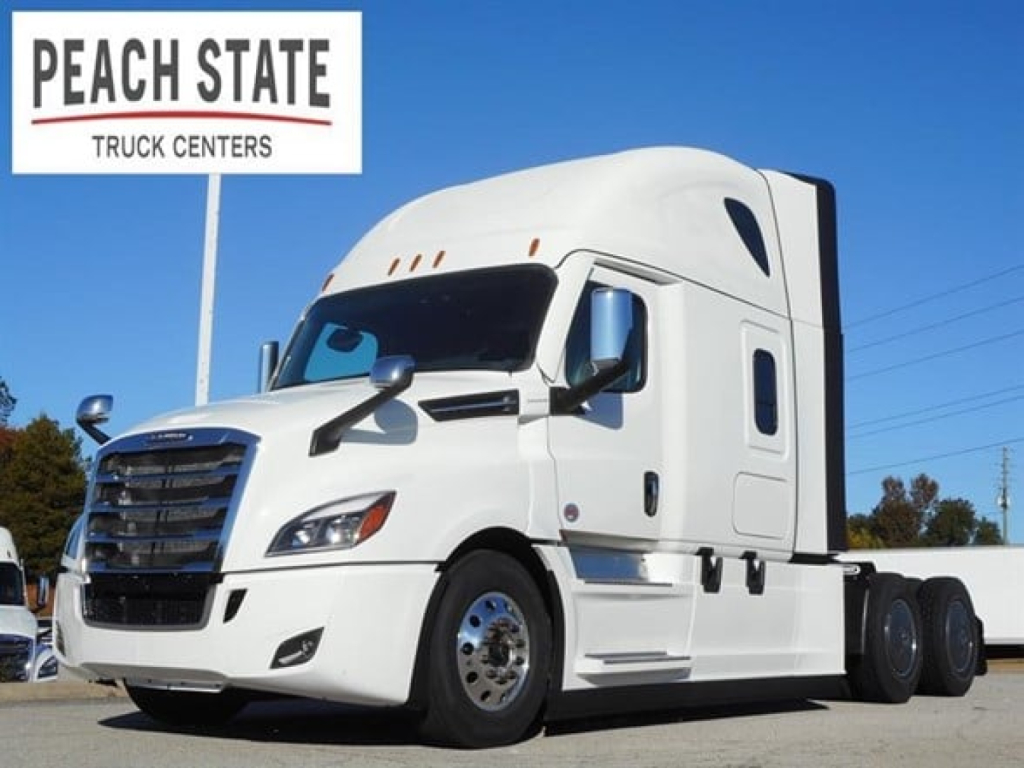
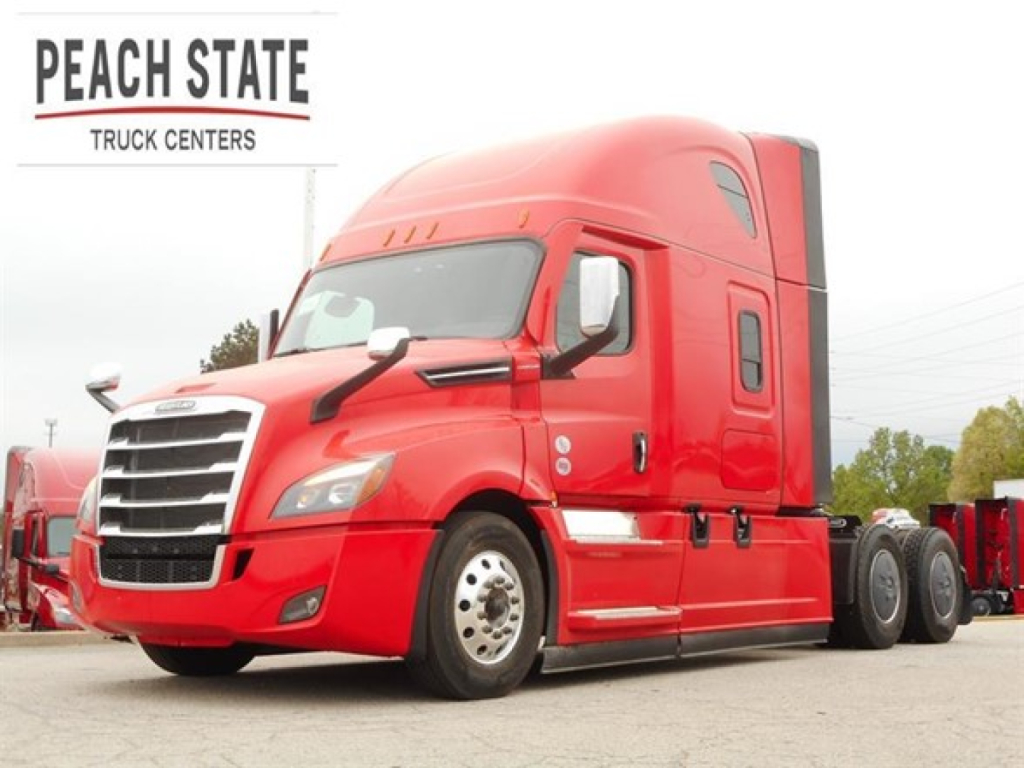
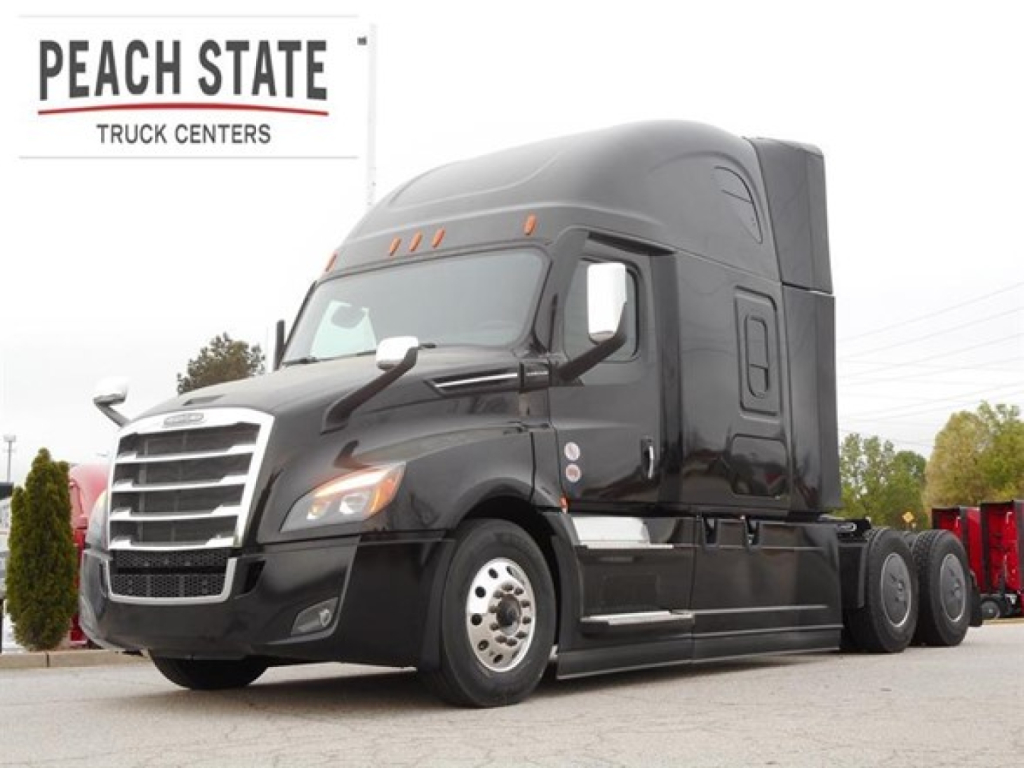
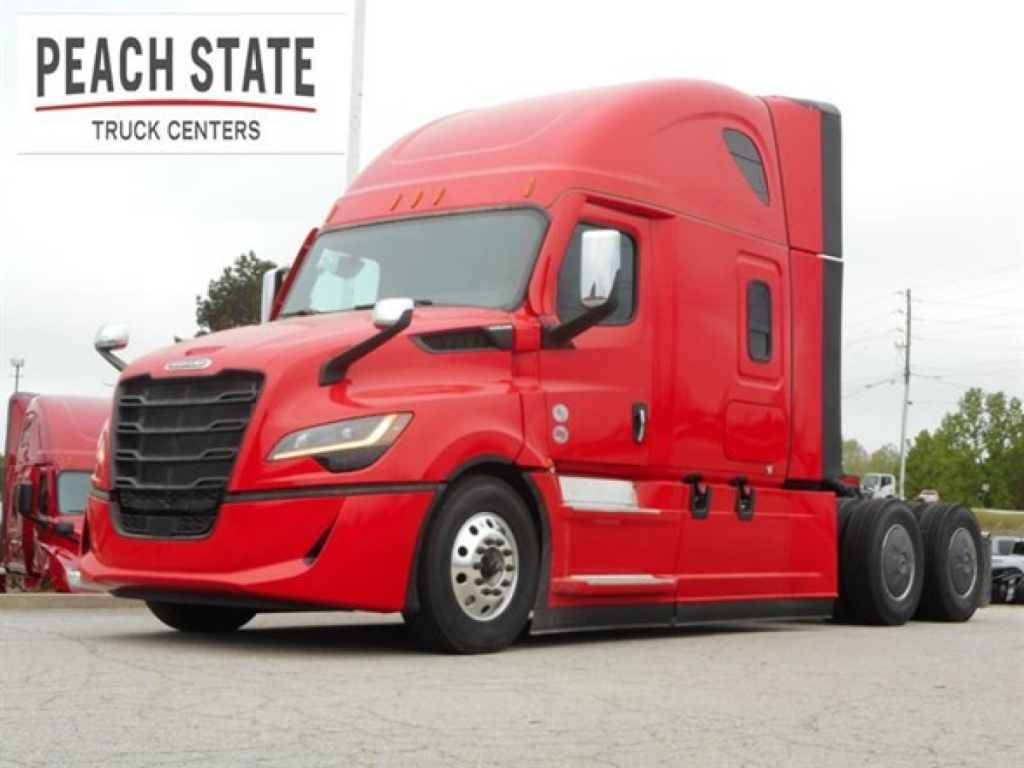
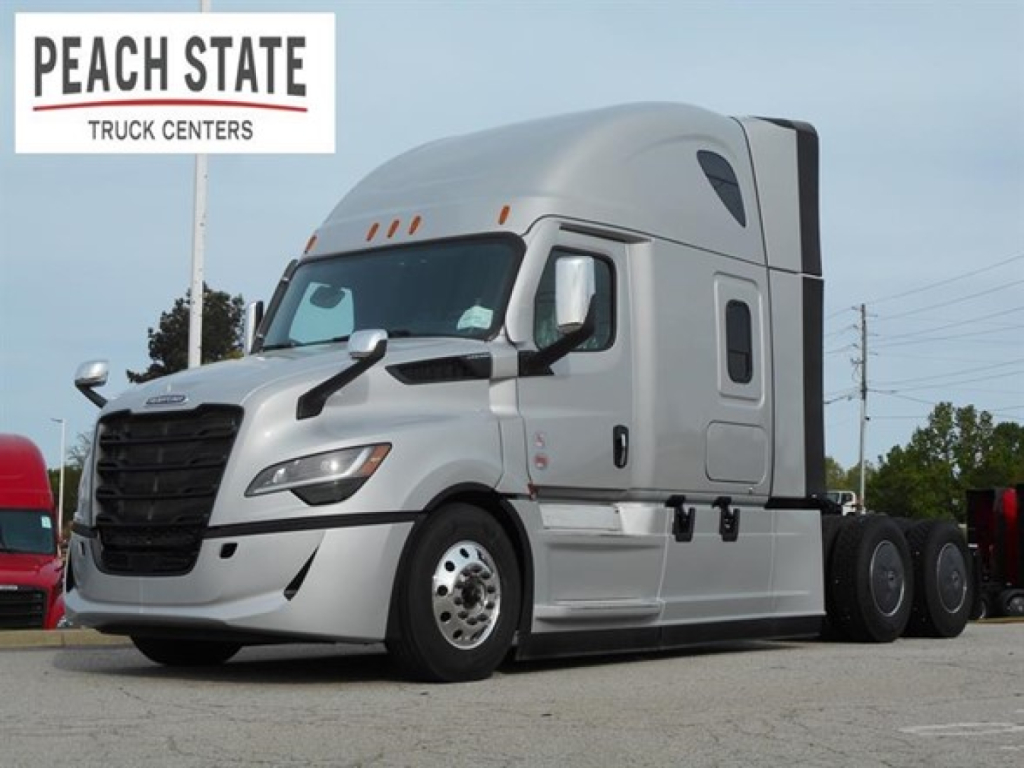
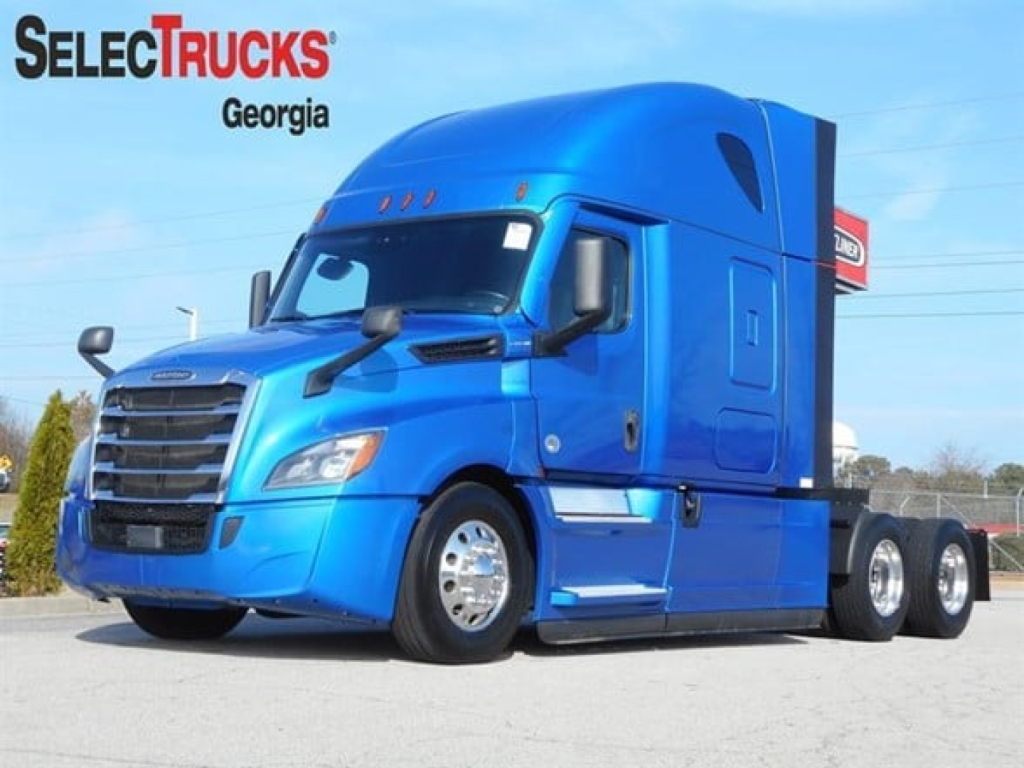
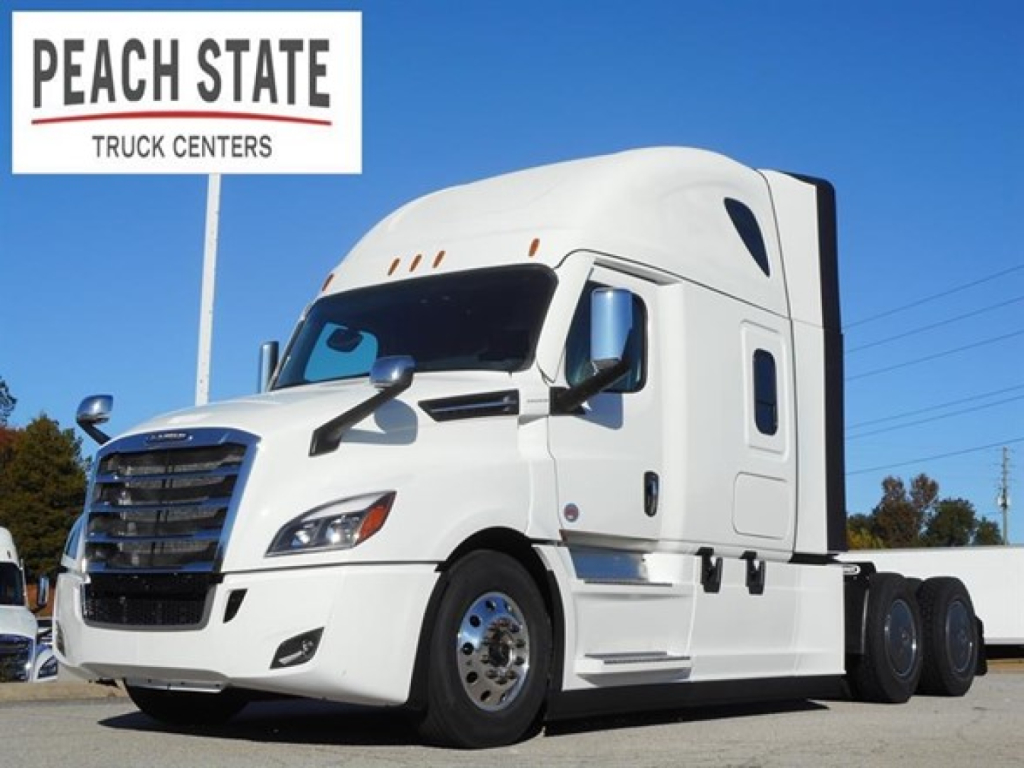
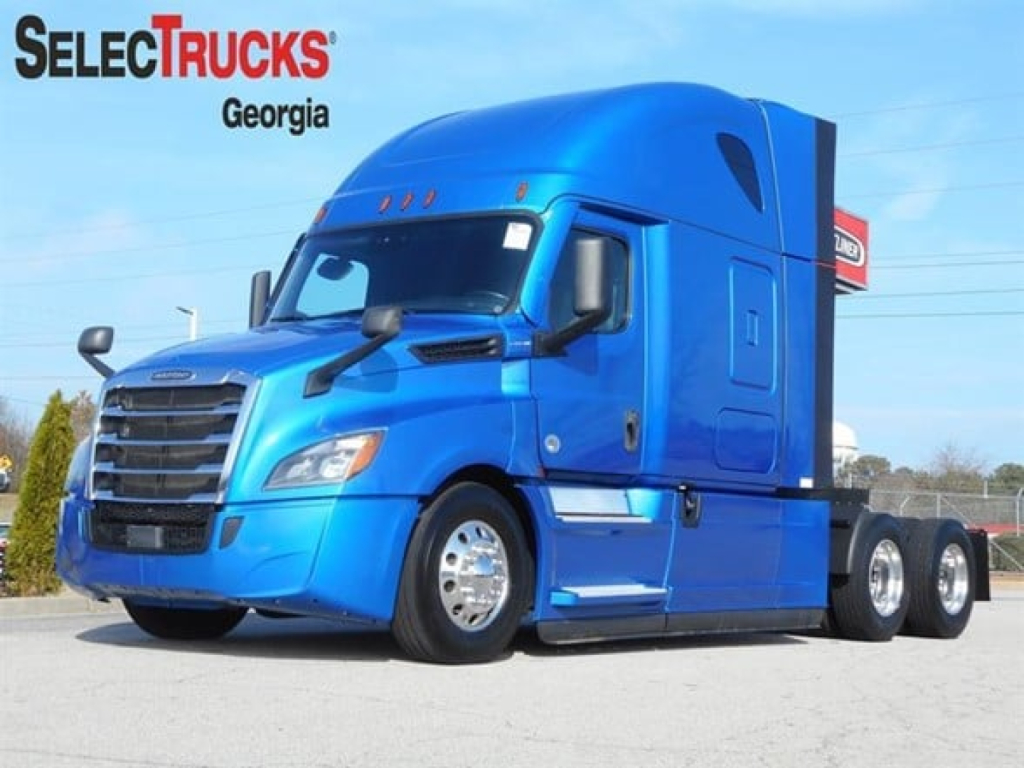
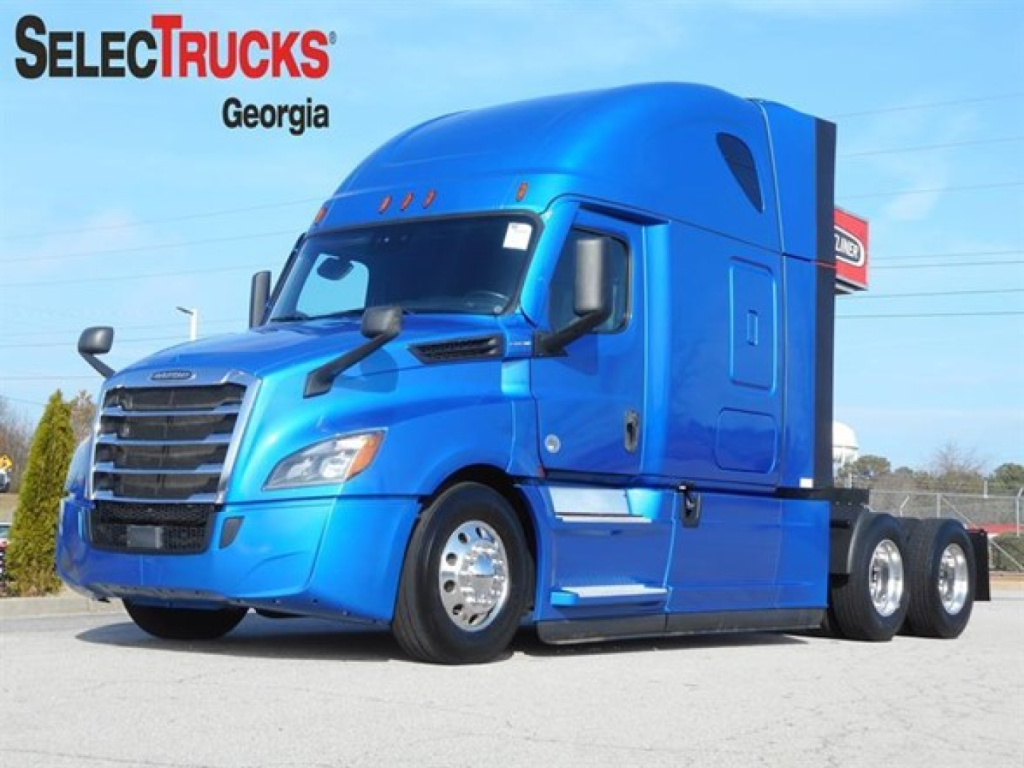
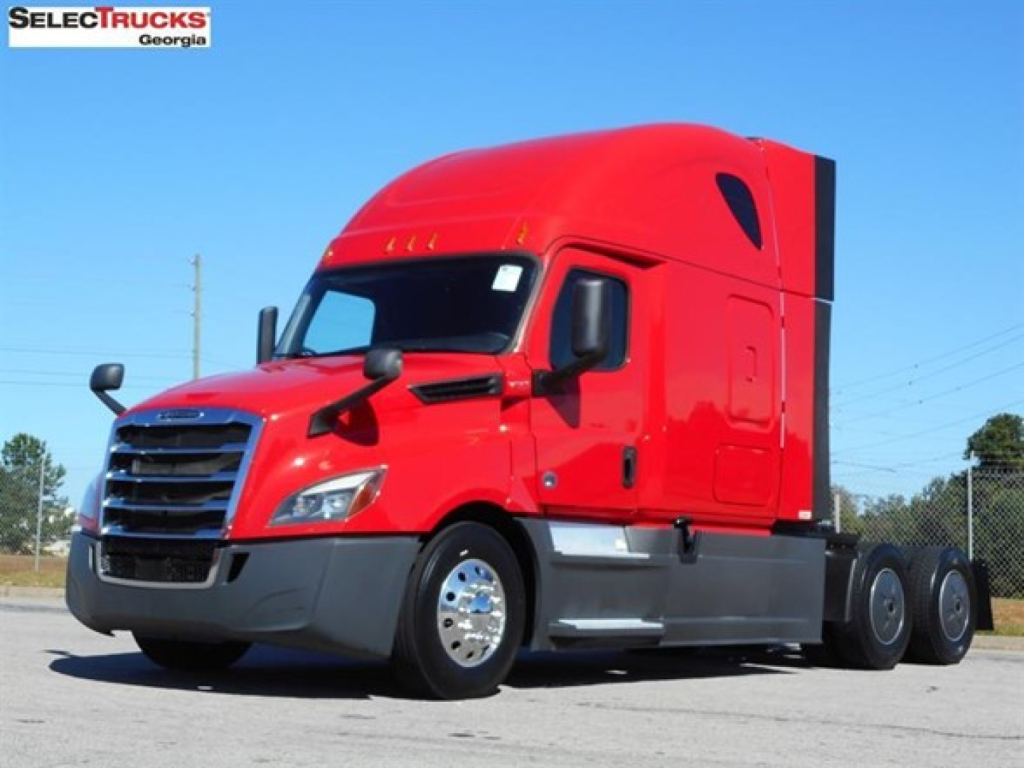
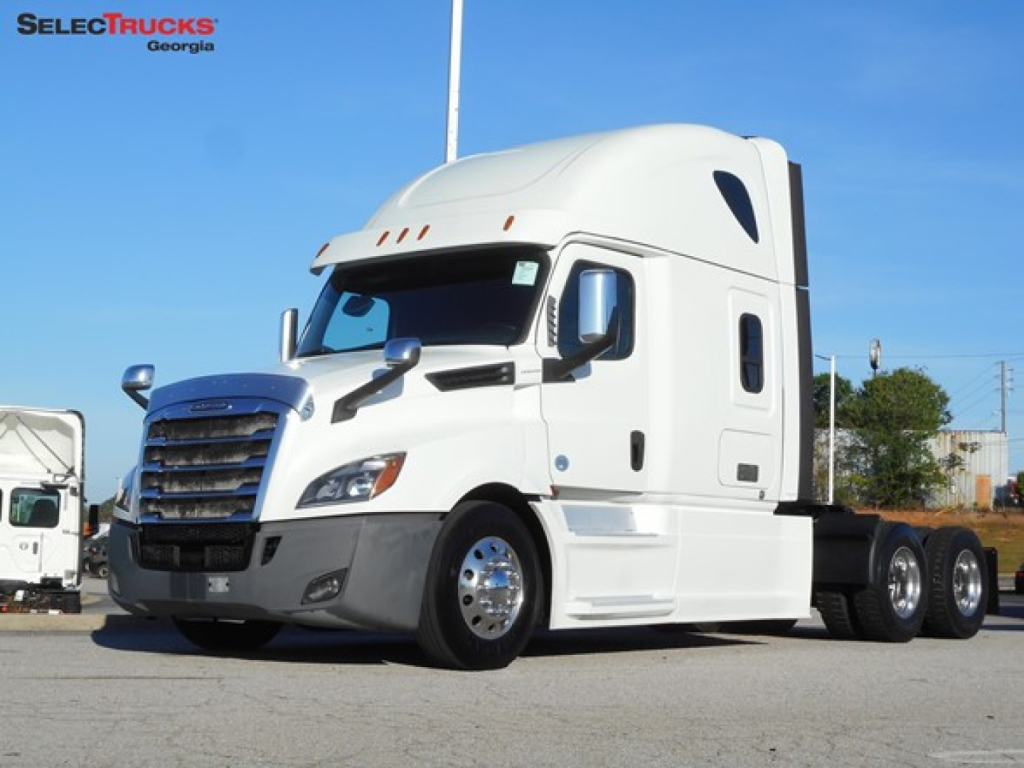
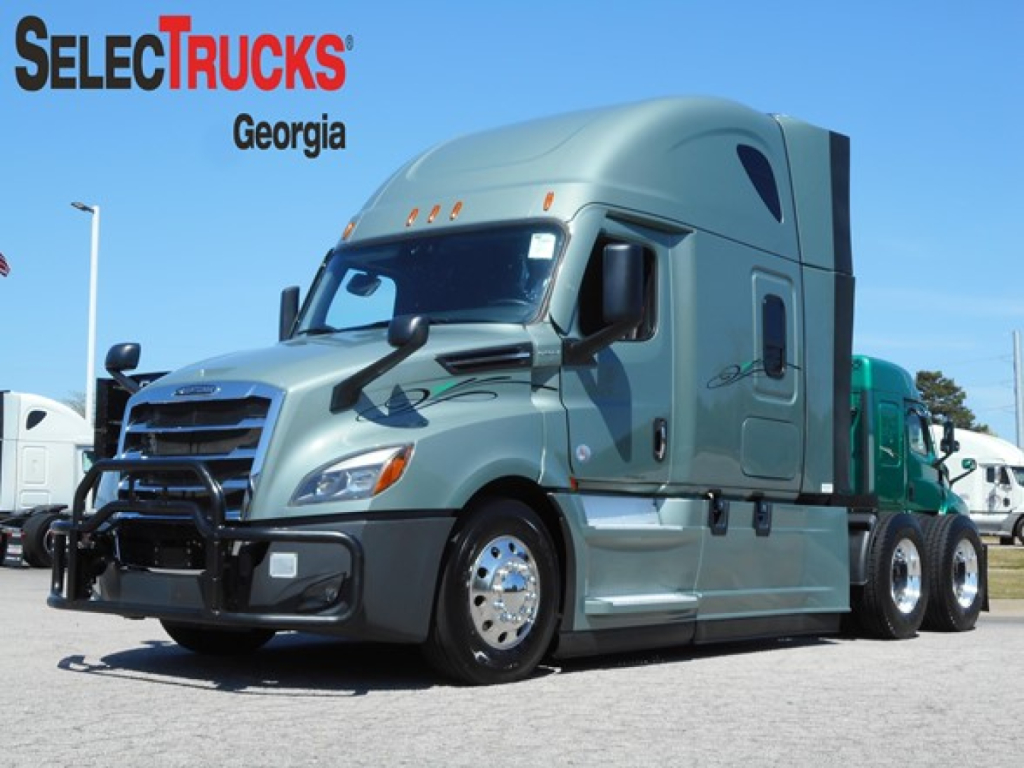
Showing 1 to 24 of 40 results
Have truck to sell? List it here to reach thousands of buyers.
Trucks Near Commerce, Georgia
Frequently Asked Questions about Trucks Near Commerce, Georgia
What type of truck should I choose for highway freight versus vocational work?
For highway freight, most buyers focus on aerodynamic tractors such as a day cab or raised-roof sleeper with air ride suspension, tandem axles, and an automated manual transmission. These trucks are built for fuel efficiency, driver comfort, and steady interstate miles. For vocational work such as dump, construction, or site hauling, buyers usually prioritize heavier front axle ratings, stronger rear suspensions, automatic transmissions like an Allison, and chassis designed for PTO and body equipment. The job cycle should drive the choice, because a highway tractor and a dump truck may both be Class 8, but they are spec'd for very different duty cycles.
What engine and transmission specs are common in late-model Class 8 trucks?
Late-model Class 8 trucks commonly use 13-liter to 15-liter diesel engines, with popular choices including the Detroit DD15, Cummins X15, and Mack MP7. Horsepower often falls in the 425 to 505 range, depending on the intended use and rear axle ratio. On-highway tractors frequently pair these engines with 12-speed AMTs such as the Detroit DT12 or Eaton Endurant for fuel economy and easier driver onboarding. Vocational trucks often use fully automatic transmissions, especially when stop-and-go operation, PTO work, or driver turnover is part of the operating profile.
How important are wheelbase, axle ratings, and suspension when comparing trucks for sale?
These are core buying specs, not minor details. Wheelbase affects trailer swing clearance, bridge law flexibility, body fit, turning radius, and overall maneuverability. Front and rear axle ratings determine legal payload potential and help confirm whether the truck is suited for linehaul, heavy vocational work, or specialty applications. Suspension type also matters. Air ride is common on highway tractors because it improves ride quality and freight protection, while spring or severe-duty suspensions are often preferred in dump and construction service for durability under rough site conditions.
Is a sleeper truck better than a day cab?
A sleeper truck is better when the operation includes overnight runs, irregular dispatch, or long-haul lanes where driver rest and onboard storage matter. Raised-roof sleepers in the 60-inch to 72-inch range are common because they give enough room for a bunk, cabinets, and optional comfort features such as a bunk heater or refrigerator. A day cab is typically the better fit for regional hauling, dedicated routes, short turns, and applications where lower tare weight and tighter maneuvering are more valuable than sleeper space. The right answer comes down to route length, home time, and trailer dwell patterns.
What should I inspect first on a used truck?
Start with the powertrain history, emissions system condition, and chassis specification sheet. Confirm engine model, horsepower, transmission type, rear axle ratio, and whether the truck's original build matches the work you plan to do. Then review mileage, idle hours if available, brake and tire condition, suspension wear, and signs of frame modification or body damage. On sleeper trucks, check bunk HVAC, APU or bunk heater operation, and interior wear. On vocational trucks, inspect hoists, PTO function, body mounts, and evidence of hard off-road use. A used truck can look clean and still be the wrong spec, so the first priority is verifying fit for the application.