
Used 2023 Chipper Trucks For Sale
Browse used 2023 chipper trucks with dump bodies for tree service and landscape work. Compare GVWR, body size, hoist type, and chassis specs.
Selling a used 2023 chipper truck? List your used 2023 chipper truck for sale and reach thousands of commercial buyers.
Used 2023 Chipper Trucks
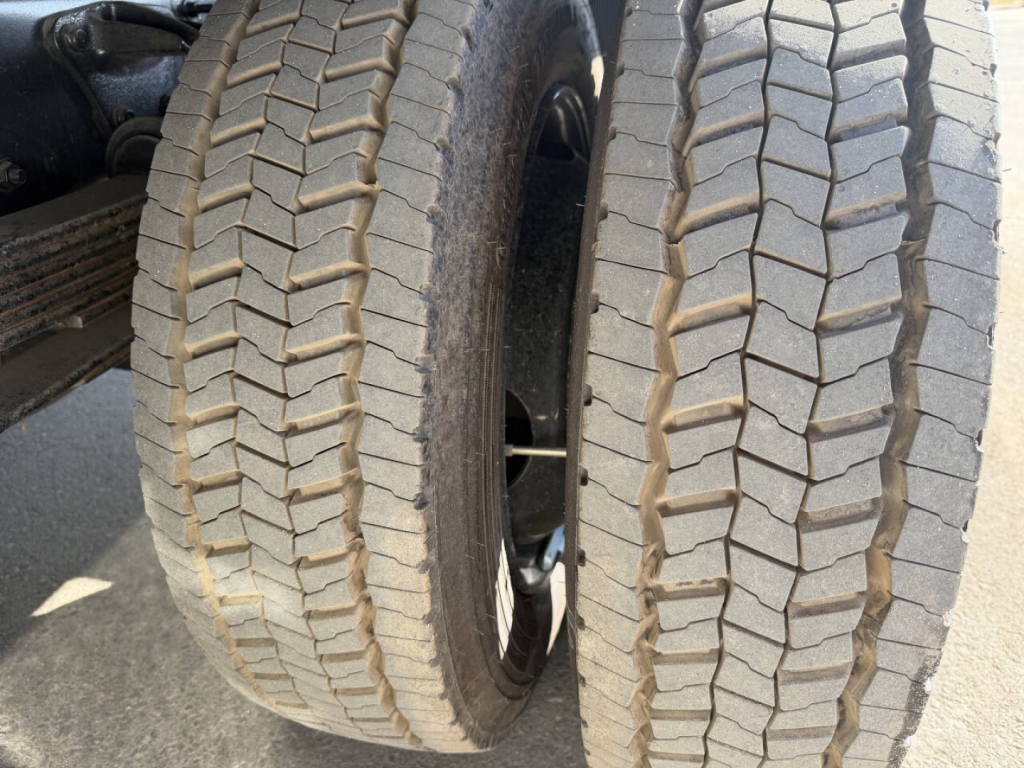
The first decision is usually chassis class and GVWR. Many chipper trucks in this model year fall in the 23,500 to 26,000 GVWR range, which keeps them useful for municipal and contractor work where payload, maneuverability, and licensing requirements all matter. Common platforms include the Chevrolet Silverado 6500HD, International MV or 4300-series equivalents, and Isuzu FTR. Engines in this segment often include the Cummins ISB 6.7L, Duramax 6.6L diesel, or Isuzu 5.2L diesel, typically backed by an Allison automatic. Air brakes, air ride suspension, 19.5-inch or 22.5-inch wheels, and PTO-ready drivetrains are all worth checking because they affect ride quality, serviceability, and body performance under daily stop-and-go use.
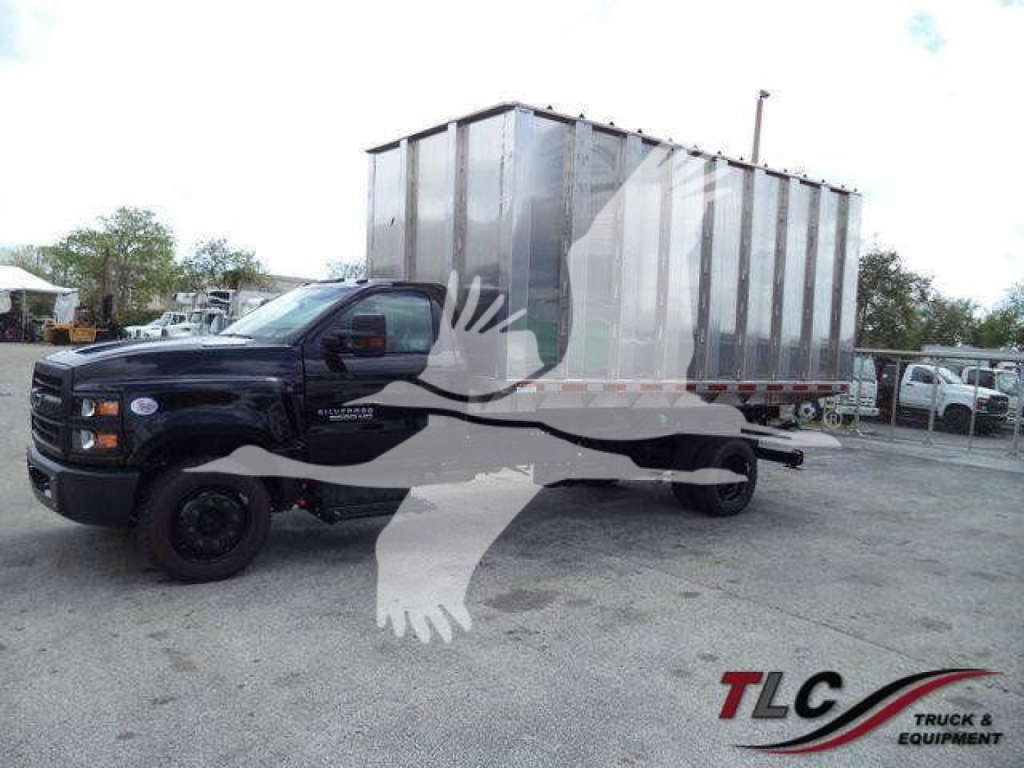
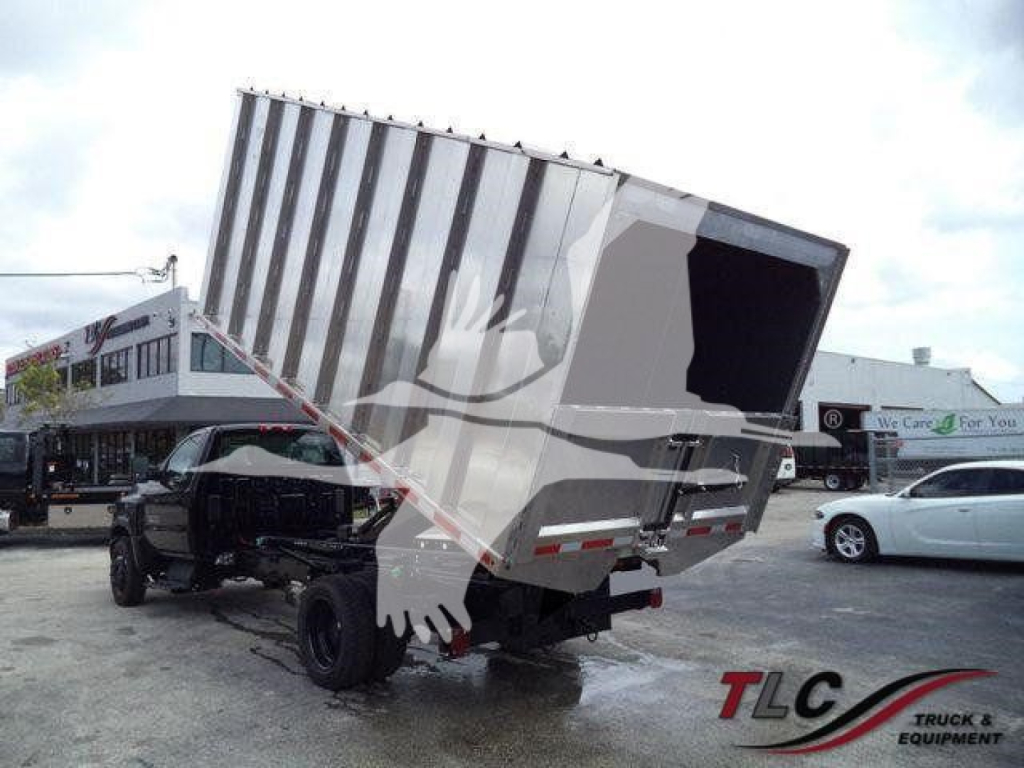
Body configuration matters as much as the chassis. A typical 2023 used chipper truck may carry a 16-foot or 20-foot aluminum chip body with 72-inch to 84-inch sides, a full bulkhead, enclosed roof, and rear barn doors. Aluminum construction is common because it resists corrosion and preserves payload. Look closely at floor thickness, crossmember spacing, long beam construction, interior liners, and door framing if the truck will see repeated loading from a chipper discharge chute and constant material abrasion. Hoist design is another key point. Some trucks use engine-driven hydraulic PTO systems, while others use electric-over-hydraulic hoists. PTO systems are generally favored for repeated dumping cycles and heavier use, while electric-over-hydraulic setups can simplify operation on certain chassis.
A good used 2023 chipper truck should be evaluated as a complete work package, not just a cab and engine. Check hitch type and trailer plug if the truck will tow a chipper, verify roof and side height against the material volume your crew handles, and inspect hydraulic components, hinges, seals, and rear door latching points for signs of hard service. For tree crews, the right truck is the one that balances cubic yard capacity, legal payload, turning radius, and dump reliability on tight residential streets as well as longer municipal routes.
Frequently Asked Questions about Used 2023 Chipper Trucks
What is a chipper truck used for?
A chipper truck is designed to haul wood chips, brush, limbs, leaves, and other light but bulky debris generated by tree service, arborist, utility clearance, and landscape crews. The tall-sided enclosed body gives it much more volume than a standard dump body, which helps crews stay productive on jobs that create a large amount of low-density material.
What body size is common on a used 2023 chipper truck?
Common body lengths are 16 feet and 20 feet, usually with 72-inch to 84-inch side walls and a full roof. The right size depends on the balance between route density, jobsite access, and desired capacity. A 16-foot body is often easier to maneuver in residential work, while a 20-foot body can reduce dump trips for higher-volume commercial or municipal operations.
Are most 2023 chipper trucks CDL or non-CDL?
Many used 2023 chipper trucks are built near the 26,000-pound GVWR threshold, and some are specifically spec'd under it to support non-CDL operation. Others are lighter, such as trucks around 23,500 to 25,900 GVWR. Buyers should verify the exact GVWR on the door label and account for body weight, crew, fuel, and chip payload because legal operation depends on the truck's rated capacity, not just how it is advertised.
What should I inspect on a used chipper truck body?
Focus on the body floor, crossmembers, long beams, hoist mount points, hinges, rear barn doors, roof panels, and interior liner condition. Chipper trucks handle abrasive material and frequent dump cycles, so cracks around hinge areas, bent door frames, worn liners, and hydraulic leaks can signal expensive repairs. Also confirm that the hoist raises smoothly under load and that the rear doors latch securely after repeated use.
Why are aluminum chipper bodies so common?
Aluminum chipper bodies are common because they reduce tare weight, resist rust, and hold up well in wet organic debris service. Lower body weight can improve legal payload and fuel efficiency, especially on trucks working daily in stop-and-go conditions. Aluminum also tends to be a strong fit for high-cube chip bodies where volume matters more than carrying dense aggregate or demolition material.