
Commercial Trucks For Sale Near Canton, New York
Have commercial truck to sell? List it here to reach thousands of buyers.
Commercial Trucks Near Canton, New York
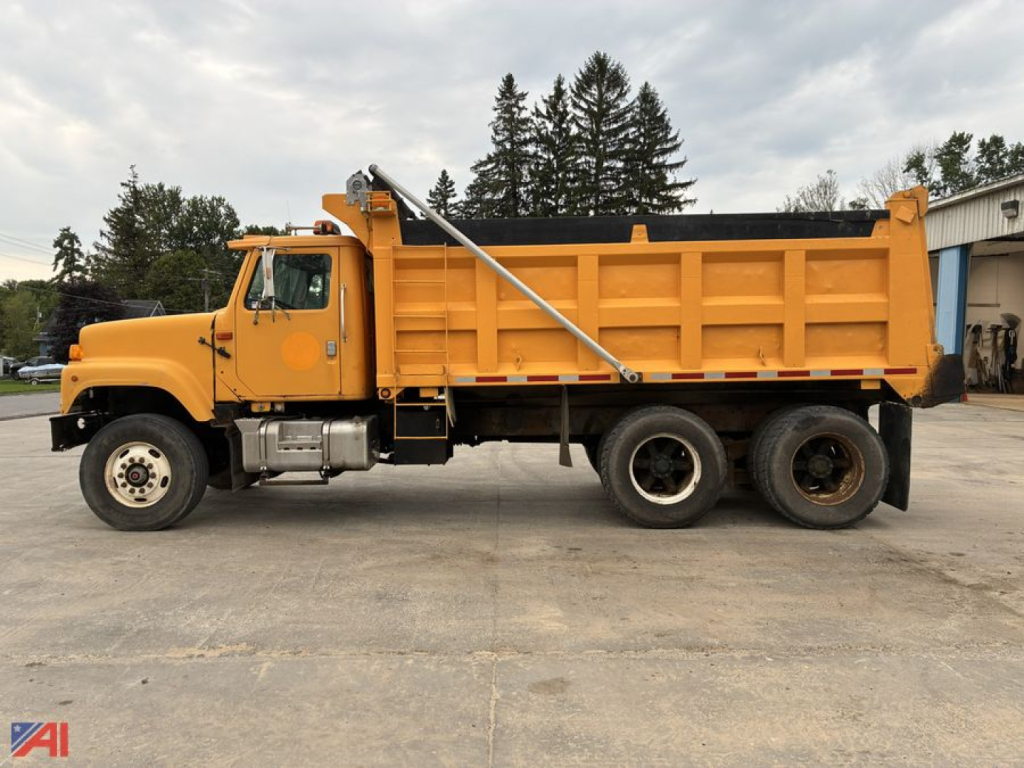
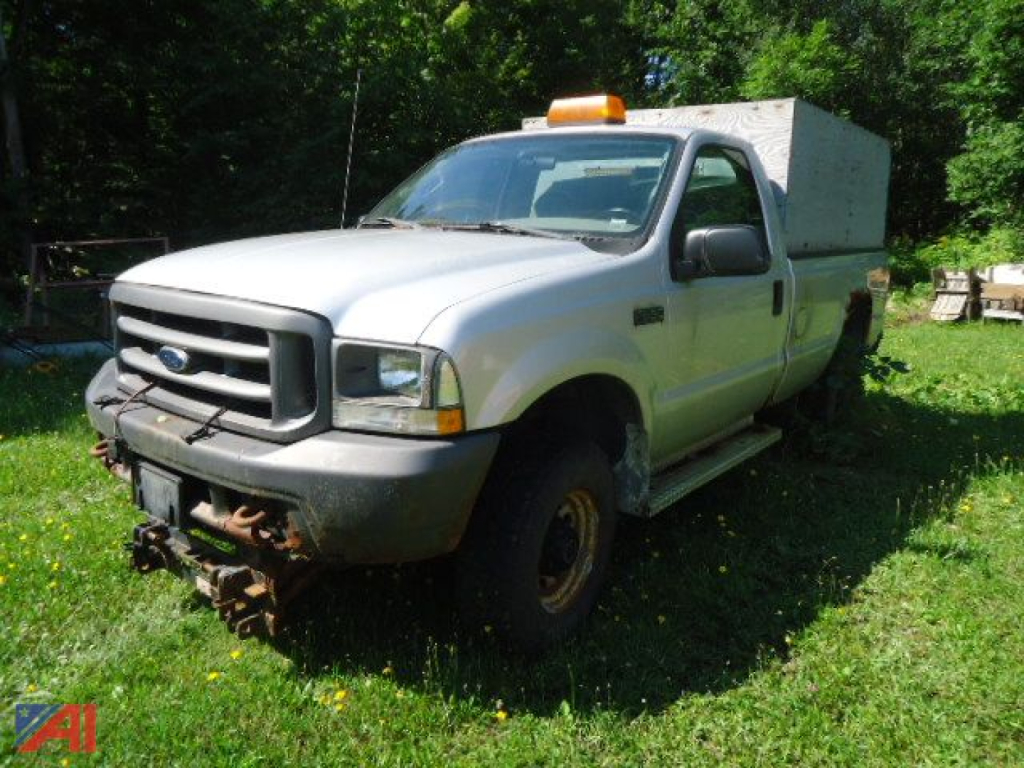
For general commercial use, buyers usually compare engine platform, transmission type, brake system, suspension, and intended duty cycle. Medium-duty and heavy-duty trucks may be spec'd with diesel engines from major OEMs, manual or automated transmissions, air brakes, and single or tandem rear axles depending on payload and route demands. Cab and chassis trucks are often chosen when the buyer plans to mount a dump body, service body, flatbed, rollback, tanker, or other vocational upfit. Utility and service trucks deserve close attention to PTO capability, generator or compressor integration, compartment layout, and frame condition, especially on older municipal or contractor-owned units.
In northern New York, rust, corrosion, and cold-weather wear are practical buying considerations. Frame rails, crossmembers, spring hangers, brake lines, electrical connectors, and cab mounts should be inspected closely, particularly on trucks that have seen road salt or seasonal public-works service. On tractors, it also makes sense to verify rear axle ratio, fifth wheel condition, tire wear pattern, and any signs of hard idle hours. On specialty trucks such as fire units, buyers typically review pump hours, tank condition, maintenance records, warning systems, and whether the chassis and apparatus components still fit the intended service role.
The best truck in this category is the one whose spec matches the work with the least compromise. A light service truck may be ideal for facility maintenance or roadside repair, while a conventional day cab can make more sense for local hauling, ag support, or short regional lanes. Buyers comparing trucks in Canton should focus on application fit, operating cost, parts support, and overall mechanical condition before cosmetic appearance. A properly matched truck will be easier to license, easier to maintain, and more productive over the long term.
Frequently Asked Questions about Commercial Trucks Near Canton, New York
What types of trucks are commonly listed in a general trucks-for-sale category?
A general trucks category often includes highway tractors, cab and chassis trucks, utility and service trucks, municipal trucks, and specialty units such as fire apparatus. The mix can span light-duty, medium-duty, and heavy-duty classes. That is why buyers should sort by application first, then compare GVWR, axle setup, wheelbase, body style, and drivetrain to find a truck that fits the intended work.
What should I inspect first on a used truck in northern New York?
Start with frame condition, corrosion, brake components, suspension mounting points, wiring, and cab structure. In areas where road salt is common, rust can affect structural life and repair cost more than the odometer alone. After that, review engine hours, transmission operation, tire wear, steering play, hydraulic or PTO functions if equipped, and any service records that show how the truck was maintained.
How do I choose between a tractor, a cab and chassis truck, and a utility truck?
A tractor is built to pull a semi-trailer and is the right choice for freight movement using a fifth wheel setup. A cab and chassis truck is intended for a body installation such as a dump, flatbed, hooklift, or service body, so it offers flexibility for vocational use. A utility truck already has a work-focused body and often includes compartments, racks, compressors, or generators, making it better suited for field service, maintenance, and contractor operations.
Are older specialty trucks like fire trucks or utility units practical to buy?
They can be practical if the chassis, drivetrain, and specialty equipment still match the planned use. Older fire trucks may be purchased for private industrial sites, training, or limited-duty support, while older utility trucks can still perform well in farm, facility, or contractor roles. The key is to evaluate parts availability, system functionality, pump or PTO hours where relevant, and whether the unit can be registered and operated legally for the intended application.