
Western Star Cabover Trucks For Sale
Browse Western Star cabover trucks with specs, applications, drivetrain details, and buyer guidance for regional, vocational, and specialty hauling.
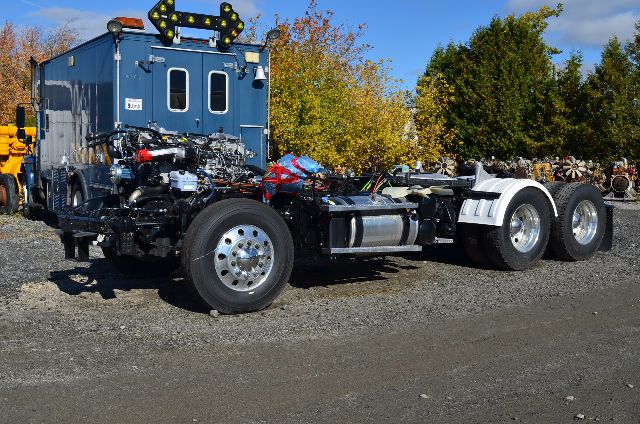
Selling a western star cabover truck? List your western star cabover truck for sale and reach thousands of commercial buyers.
Western Star Cabover Trucks
Western Star is known for durable vocational spec trucks, so buyers looking at a cabover version or cab-forward configuration typically pay close attention to frame strength, axle ratings, suspension setup, and drivetrain compatibility. Common spec points include Detroit diesel engines, manual or automated manual transmissions, single or tandem rear axles, and air ride suspensions such as Airliner. Horsepower, rear axle ratio, and transmission gearing matter more than the badge alone. A 12-speed with a deeper rear ratio will behave very differently from a direct-drive highway setup, especially in stop-and-go work or heavier gross weights. Front axle capacity, rear axle rating, tire size, and wheel type should all be matched to the intended body, trailer, and route profile.
Cab condition deserves extra scrutiny on any cabover truck because the cab structure, mounts, tilt mechanism, steps, and front access points all take more day-to-day wear than on a conventional truck. Buyers should inspect for collision history, structural repairs, corrosion around cab supports, steering components, and signs of stress around the tilt hardware. If the truck is being used for city or vocational service, visibility and ingress matter as much as drivetrain specs. Driver position, mirror setup, day cab versus sleeper configuration, and interior serviceability can affect productivity over a full workweek. Parts support should also be considered, especially on lower-volume cabover configurations where some body or trim components may not be as easy to source as standard conventional parts.
The best Western Star cabover truck for sale is usually the one with a clearly documented application history and a spec that matches the job without overbuilding it. For local and regional work, buyers often prioritize maneuverability, axle spacing, and easy trailer spotting. For heavier or specialized applications, frame layout, PTO compatibility, suspension capacity, and cooling package become more important. A careful review of the engine model, transmission type, axle configuration, suspension, and any structural damage history will tell you far more than model year alone. In this category, fit-for-purpose spec is what protects uptime and operating cost.
Frequently Asked Questions about Western Star Cabover Trucks
What is the main advantage of a Western Star cabover truck?
The main advantage is shorter overall length for the same usable chassis or trailer combination. A cabover places the cab over the engine, which improves maneuverability in tight yards, city streets, ports, and jobsite access roads. That layout can also help operators meet wheelbase or overall length limits in specialized applications. Buyers usually choose a cabover when packaging efficiency matters more than the smoother ride and easier engine access of a conventional truck.
What specs matter most when buying a used Western Star cabover?
The most important specs are engine model and horsepower, transmission type, rear axle ratio, axle ratings, suspension, and any evidence of structural damage or cab repairs. On a cabover, front axle capacity and cab condition are especially important because weight distribution and cab hardware see heavy use. Buyers should also verify tire size, wheel type, frame condition, and whether the truck is single axle or tandem axle. The right gearing and axle setup should match the truck's real operating weight and route profile, not just the advertised horsepower.
Are cabover trucks good for highway use?
Cabover trucks can be used on the highway, but they are typically chosen for operational needs other than long-distance driver comfort. They work well in regional hauling, drayage, and specialty service where turning radius and compact dimensions have more value than a conventional long-hood layout. Ride quality, cab noise, and service access can be less favorable than a conventional tractor on long runs. For buyers planning steady highway miles, the drivetrain ratio, cab insulation, and suspension setup should be reviewed carefully.
What should buyers inspect on the cab and chassis of a cabover truck?
Buyers should inspect the cab structure, tilt mechanism, cab mounts, steps, steering linkage, front suspension components, and any signs of collision or corrosion. On used cabovers, damage around the front corners, lower cab sections, and hinge or latch areas can be costly. The frame rails, crossmembers, suspension hangers, and driveline angles should also be checked, especially on trucks that have seen vocational service or prior body modifications. A documented repair history is valuable because cab-related structural issues can affect both safety and serviceability.
Is a single-axle or tandem-axle Western Star cabover better?
Neither is better in every case. A single-axle cabover is often a good fit for lighter regional work, shorter trailers, and operations that value low tare weight and easy maneuvering. A tandem-axle setup is better suited to heavier loads, higher gross combination weights, and applications that need added traction and durability. The right choice depends on licensed weight, trailer type, terrain, and how the truck is geared. Buyers should match axle count and axle ratings to the actual work rather than choosing based on appearance alone.