
Used Cabover Trucks For Sale in Illinois

Have used cabover truck to sell? List it here to reach thousands of buyers.
Used Cabover Trucks in Illinois
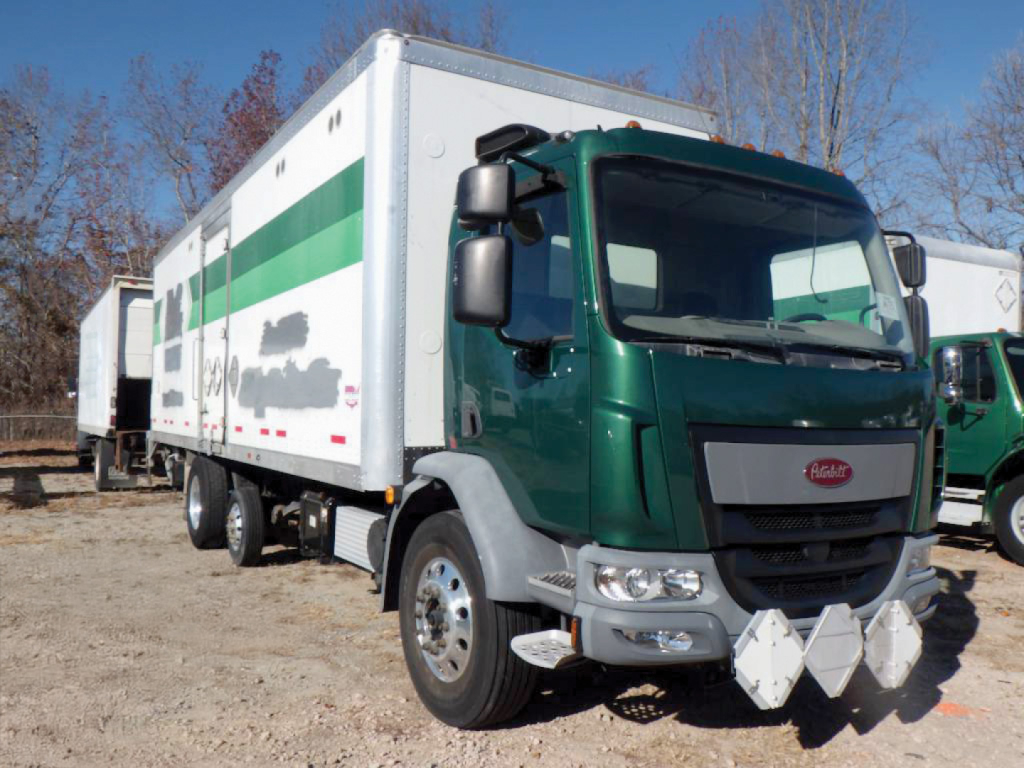
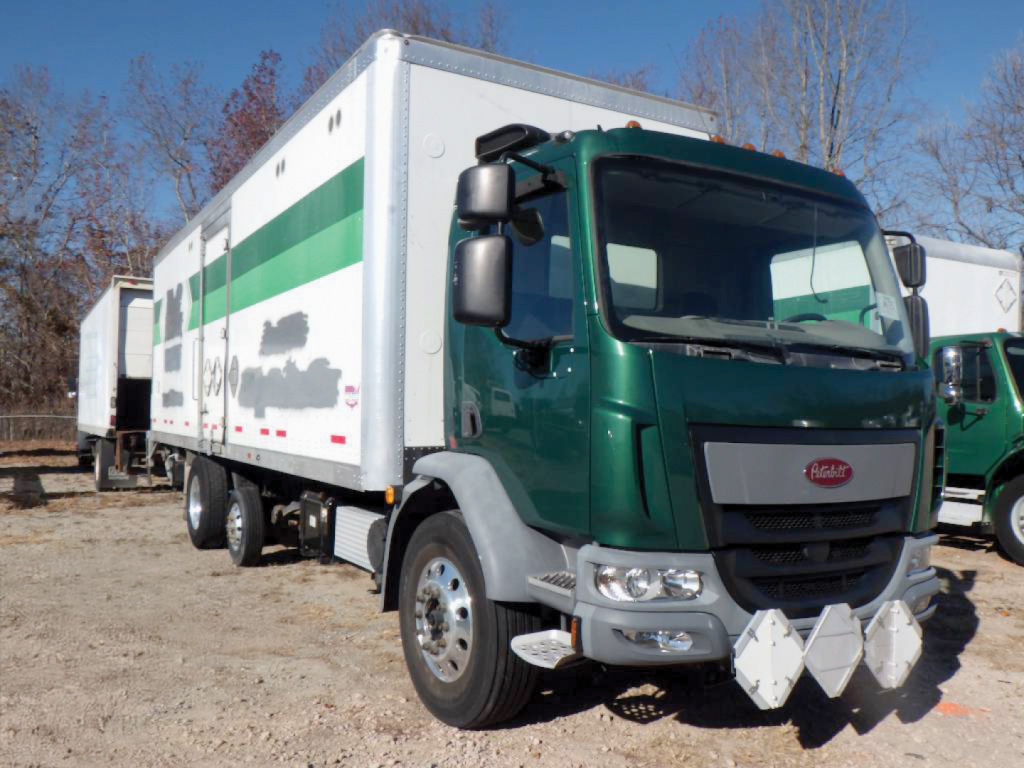
Most used cabover trucks on the market are straight trucks with van bodies, although stake, reefer, dump, and flatbed configurations also exist. Common models include the Isuzu NPR and Hino 195, along with medium-duty cabovers like the Peterbilt 220. Expect diesel engines in the roughly 200 to 260 horsepower range, paired with automatic or automated transmissions that suit stop-and-go service. Typical specs include single-axle setups, spring suspension, hydraulic steering, and wheelbases short enough to support 16-foot to 28-foot bodies depending on GVWR and axle configuration. Features such as roll-up rear doors, curbside doors, liftgates, E-track, scuff liners, translucent roofs, and wood floors are especially relevant for moving, parcel, beverage, and final-mile operations.
A serious buyer should match the truck to the route before comparing price. A lighter Class 4 or Class 5 cabover with 16-foot to 18-foot bodywork can be the right fit for local delivery, parking garages, and residential stops where maneuverability is more valuable than payload. A heavier Class 6 or Class 7 cabover with a longer van body, higher rear axle rating, or even a pusher axle may make more sense for furniture, appliance, bulk route, or dock-to-dock freight. Pay attention to rear axle ratio, tire size, brake type, and door configuration, since those details influence launch performance, service costs, and loading efficiency more than many buyers expect.
Condition matters on a used cabover because access and packaging are different from a conventional truck. Inspect cab tilt operation, cooling system condition, front-end body damage, steering wear, brake history, and signs of hard city use. On van body units, check the floor, crossmembers, door frame, thresholds, liftgate function, and interior wall protection. For Illinois use, corrosion on frames, body hardware, fuel tanks, and electrical connections deserves a close look because winter road treatment can accelerate wear. A good used cabover truck should deliver a tight turning circle, easy cab entry, dependable automatic shifting, and a body spec that fits the freight without wasting payload or cube.
Frequently Asked Questions about Used Cabover Trucks in Illinois
What is the main advantage of a cabover truck compared to a conventional truck?
A cabover truck places the cab over the engine, which shortens the overall vehicle length and improves maneuverability. That design allows more body length on a shorter wheelbase, making cabovers especially useful for city delivery, tight loading docks, alley access, and routes with frequent turns. The visibility and compact footprint are often the biggest reasons buyers choose a cabover over a conventional straight truck.
What GVWR and body size should I look for in a used cabover truck?
The right GVWR and body length depend on freight type, stop frequency, and loading method. Many used cabover trucks fall into medium-duty classes with van bodies from about 16 feet to 28 feet. Lighter GVWR units are often better for local parcel, bakery, or service routes, while heavier units with longer bodies or liftgates are more suitable for furniture, appliance, and dock freight. Payload requirements, dock height, and local bridge or street restrictions should guide the decision.
Are automatic transmissions common in used cabover trucks?
Yes. Automatic and automated transmissions are very common in used cabover trucks because these trucks are frequently used in stop-and-go delivery service. An automatic transmission reduces driver fatigue, helps with fleet driver acceptance, and can improve consistency on urban routes. Buyers should still confirm service history, shift quality under load, and compatibility with the truck’s engine and axle ratio.
What should I inspect on a used cabover van truck?
Start with the cab tilt system, engine access points, cooling system, steering components, brakes, and signs of collision damage around the front cab structure. Then inspect the van body carefully, including the wood floor, crossmembers, roll-up door, side doors, scuff liners, E-track, thresholds, and liftgate if equipped. On trucks that have worked in Illinois winters, rust and corrosion on the frame, body mounts, hardware, and electrical connections should be checked closely.
Are cabover trucks good for Illinois delivery routes?
Cabover trucks are often a strong fit for Illinois delivery work because they perform well in urban and suburban distribution environments. Their shorter wheelbase and tighter turning radius help in older industrial areas, congested streets, and compact loading zones. They are especially practical for local and regional operations that need efficient body space without moving into a much larger overall truck footprint.