
Used 2017 Cabover Trucks For Sale

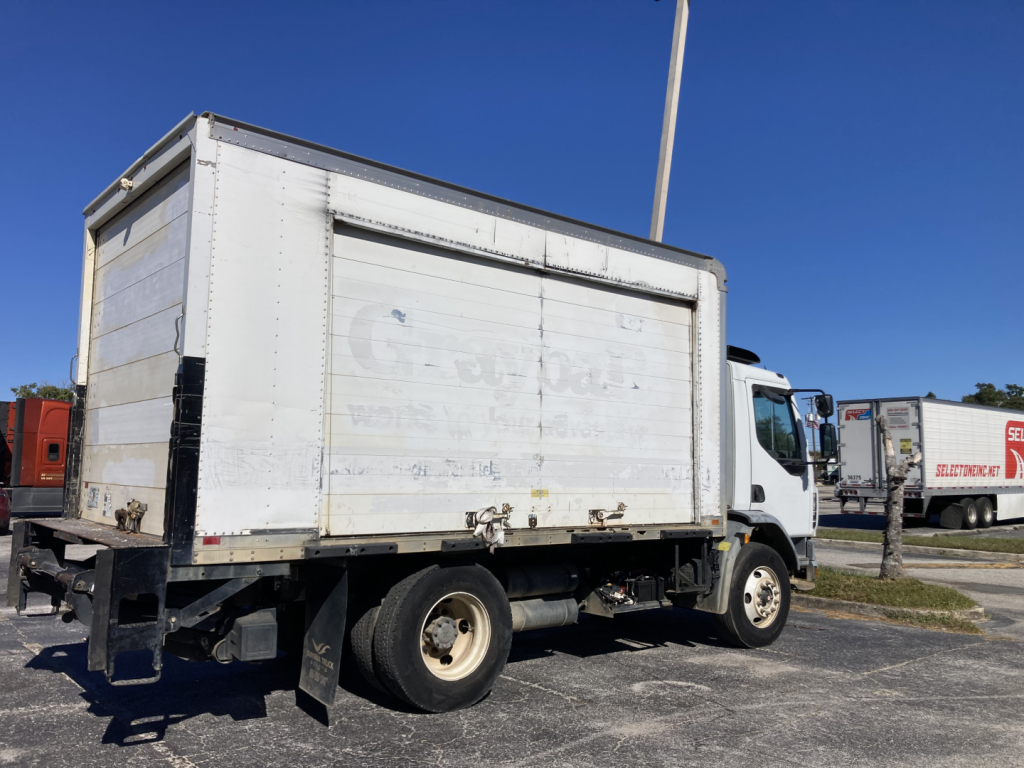
Have used 2017 cabover truck to sell? List it here to reach thousands of buyers.
Used 2017 Cabover Trucks
A lot of 2017 cabover trucks on the market are Class 3 through Class 6 straight trucks, commonly from builders like Isuzu and Peterbilt, often set up with van bodies, reefer bodies, stake bodies, or rollback equipment. Common specs include diesel four-cylinder engines in the 200 to 220 horsepower range, automatic or 6-speed manual transmissions, hydraulic brakes on lighter GVWR models and air brakes on heavier setups, and 19.5-inch wheel packages. Wheelbase, rear axle ratio, and suspension type matter more than many buyers expect because those specs directly affect body length, payload, launch feel in stop-and-go traffic, and cruise rpm on suburban or regional runs.
The biggest buying decisions usually come down to body configuration, cab access, and service history. A 2017 cabover with a 16-foot to 20-foot van body and liftgate can be ideal for local delivery, but buyers should still confirm door opening dimensions, floor condition, liftgate rating, and whether the body has corrosion, roof leaks, or damaged rear frame structure. On diesel models, emissions system condition is a major checkpoint. Faults tied to NOx sensors, DEF components, DPF regeneration, or EGR hardware can turn a cheap truck into an expensive one. Cabovers also deserve close inspection at cab mounts, steering components, front suspension wear points, and any signs of collision damage because the short nose design puts more value on a straight front structure and clean cab alignment.
For operators comparing a used 2017 cabover truck against a conventional straight truck, the tradeoff is usually maneuverability versus ride feel and engine access. Cabovers are easier to place in alleys, loading zones, and crowded city streets, and they often maximize cargo body length within the same overall footprint. Conventional trucks can be more familiar to some drivers and technicians, but for route density and tight curbside work, a well-maintained 2017 cabover remains one of the most efficient formats in the medium-duty market.
Frequently Asked Questions about Used 2017 Cabover Trucks
What is the main advantage of a 2017 cabover truck?
The main advantage of a 2017 cabover truck is maneuverability. Because the cab sits over the engine, the truck has a shorter overall length for the same cargo body size and a tighter turning radius than a conventional nose truck. That makes cabovers especially useful for city delivery, dock approaches, alleys, parking lots, and routes with frequent stops.
What should I inspect first on a used 2017 cabover truck?
Start with the engine and emissions system, then move to the body and front-end structure. On diesel models, scan for active and inactive fault codes and verify proper operation of the DPF, DEF, NOx sensors, and EGR system. After that, inspect cab mounts, steering linkage, suspension components, brake type and condition, tire wear, frame integrity, and any body issues such as floor rot, roof leaks, door damage, or liftgate problems.
Are 2017 cabover trucks good for box truck and delivery work?
Yes. Many 2017 cabover trucks are set up specifically for van body and last-mile delivery use. Their short wheelbase design helps maximize body length while keeping the truck manageable in urban traffic. Common configurations include 16-foot to 20-foot box bodies, roll-up rear doors, wood or composite floors, and liftgates for palletized freight and multi-stop delivery routes.
Do 2017 cabover trucks come with air brakes or hydraulic brakes?
Both are found in the market, depending on GVWR and intended application. Lighter medium-duty cabovers often use hydraulic brakes, while heavier configurations may have full air brakes. Buyers should confirm brake type early because it affects driver qualification, maintenance practices, and parts planning across a fleet.
Which specs matter most when comparing used 2017 cabover trucks?
The most important specs are GVWR, wheelbase, body length, engine output, transmission type, rear axle ratio, brake system, and suspension. Those numbers determine payload capacity, route suitability, launch performance, highway rpm, and body compatibility. For delivery fleets, body condition and liftgate capacity can be just as important as the chassis itself.