
Cabover Trucks For Sale in Illinois

Have cabover truck to sell? List it here to reach thousands of buyers.
Cabover Trucks in Illinois
Frequently Asked Questions about Cabover Trucks in Illinois
What is the main advantage of a cabover truck?
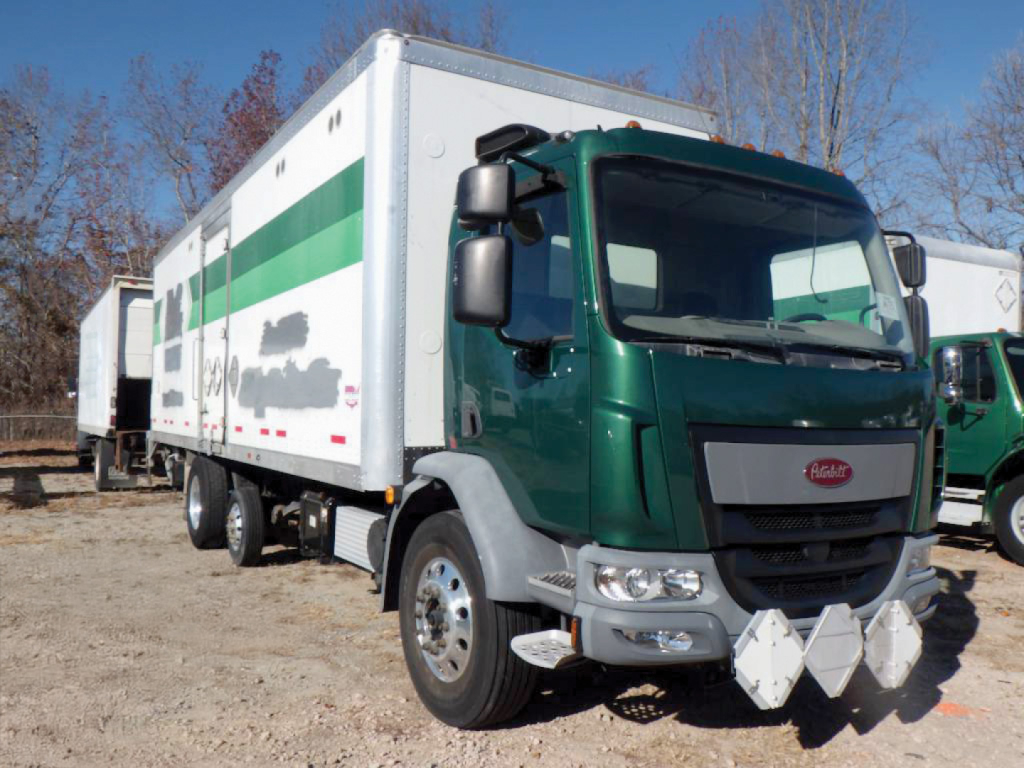
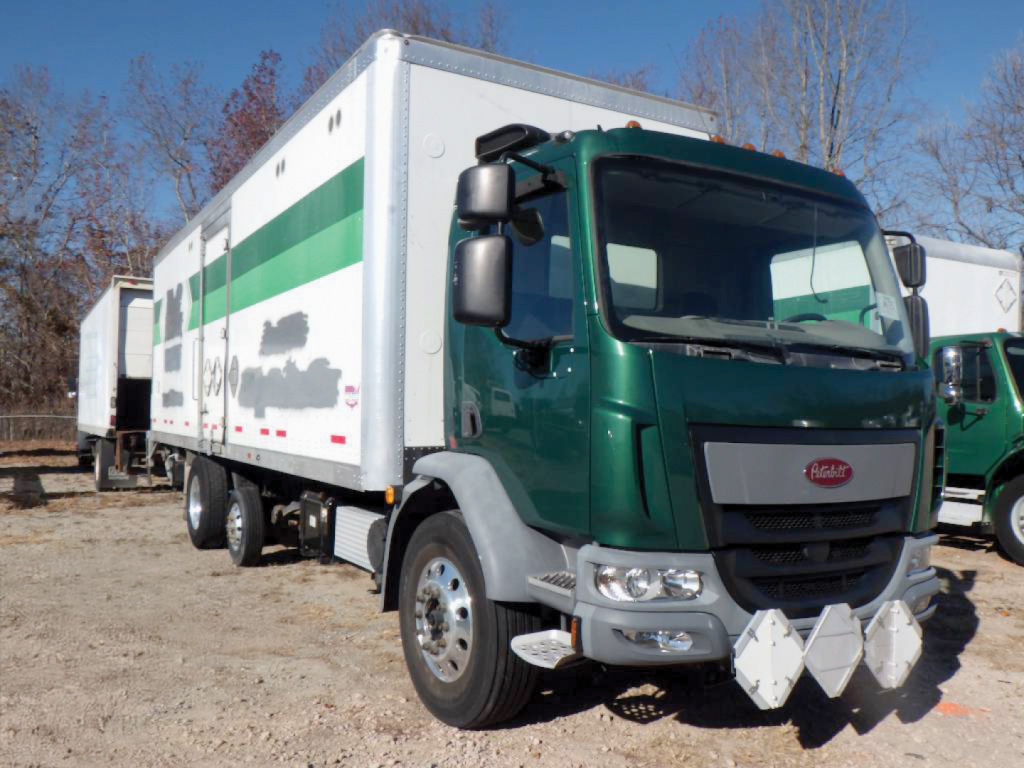
The main advantage is packaging efficiency. A cabover truck puts the cab over the engine, which reduces overall vehicle length while preserving cargo body length. That gives the driver a tighter turning radius, better forward visibility in dense traffic, and easier positioning at loading docks or in alleys. For delivery routes with frequent stops, that shorter footprint can make a measurable difference in route time and driver fatigue.
What specs matter most when buying a used cabover truck?
Start with wheelbase, GVWR, body length, engine rating, rear axle ratio, and transmission type. On medium-duty cabovers, buyers also pay close attention to cab tilt service access, front axle capacity, suspension type, brake configuration, and tire size. If the truck has a van body, inspect the floor material, roof, roll-up door, scuff liners, E-track, and threshold area because those components often show the real wear from route work. Service history is especially important on cabovers because frequent stop-and-go use can be harder on brakes, suspension, and driveline components than steady highway miles.
Are cabover trucks good for delivery and box truck applications?
Yes. Cabover chassis are widely used under dry van bodies, reefer bodies, stake beds, and specialized delivery bodies. They are especially well suited for 14-foot to 20-foot van body applications where dock access, curbside parking, and urban maneuverability are part of the job. Many medium-duty cabovers are spec'd with automatic transmissions, diesel engines in the 200 to 250 horsepower range, and rear axle ratios that favor low-speed route performance over high-speed interstate cruising.
Why are Isuzu NPR-style cabovers so common in this category?
The Isuzu NPR and similar medium-duty cabover models are common because they match the needs of local and regional delivery fleets. They offer a compact chassis, good sightlines, practical diesel power, and body-builder flexibility for box trucks and service bodies. Parts support, fleet familiarity, and a long track record in pickup-and-delivery work also make this style of cabover popular with both independent operators and larger commercial fleets.
What should Illinois buyers look for on a cabover truck?
Illinois buyers should look closely at corrosion, especially on frame rails, cab mounts, brake lines, crossmembers, and body mounting points because road salt can accelerate rust. Check cold-start behavior, heater and defroster performance, door seals, and windshield visibility for winter operation. If the truck has spent its life on urban delivery routes, inspect the steering, front suspension, tires, and body corners for curb-contact wear. A clean underbody, solid maintenance records, and a body spec that matches the route are usually more important than model year alone.