
2017 Cabover Trucks For Sale
Browse 2017 cabover trucks including diesel straight trucks with van bodies, tight turning radius, low cab height, and urban delivery specs.
Learn more
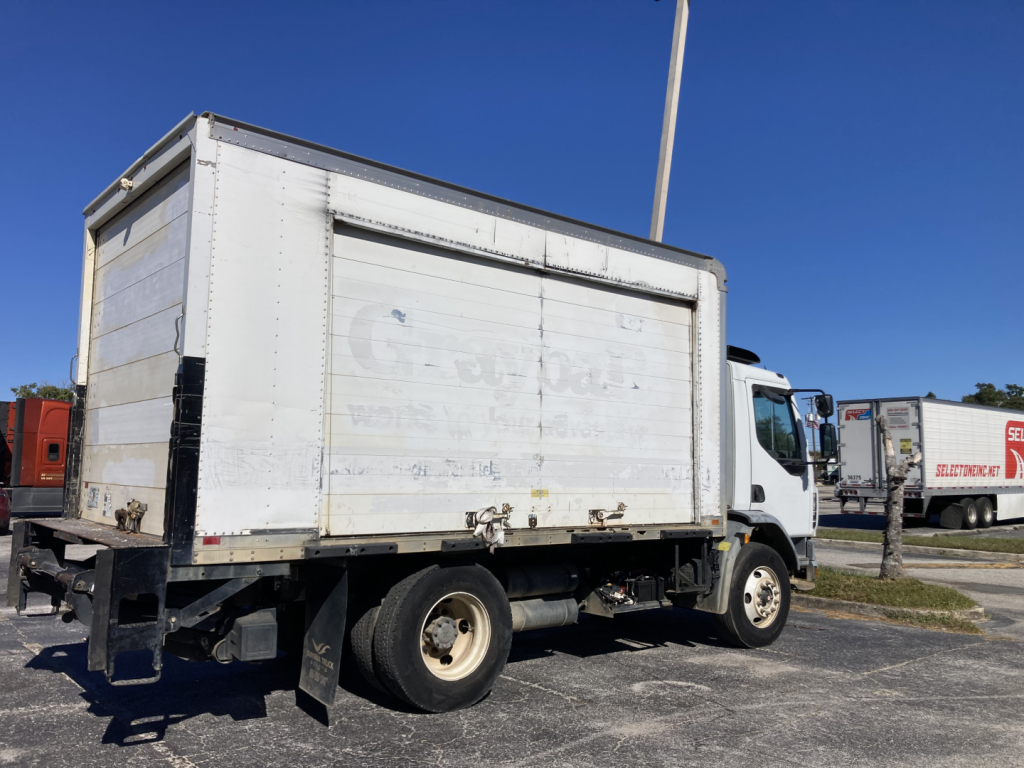
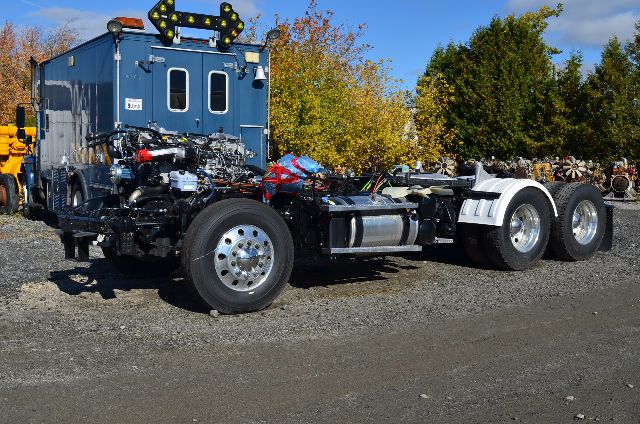
Have 2017 cabover truck to sell? List it here to reach thousands of buyers.
About 2017 Cabover Trucks
The first buying decision is usually GVWR, body length, and powertrain. Many 2017 cabover trucks fall into Class 4 through Class 6 ranges and are spec'd with diesel engines in roughly the 200 to 260 horsepower range, paired with automatic or automated transmissions. Common setups include single rear axle chassis, spring suspension, hydraulic steering, 19.5-inch or 22.5-inch wheel packages, and wheelbases selected to carry 16-foot to 28-foot bodies without giving up turning ability. If the truck already has a van body, check floor type, door openings, curb-side access, and liftgate capacity since those details affect route speed more than engine output in stop-and-go service.
On a used 2017 cabover, cab access and visibility are usually strengths, but the condition of emissions components deserves close attention. Trucks from this model year typically use modern diesel aftertreatment systems, so buyers should inspect the DEF system, NOx sensors, DPF service history, and any active warning lights before making a decision. It also pays to review front axle wear, steering components, brake type, cab tilt function, and service access because cabover packaging can make maintenance quality more important than on a conventional-nose truck. If the unit includes a box or specialty body, inspect the body mounts, roof seams, rear frame extension, and liftgate structure as carefully as the chassis.
For many fleets, a 2017 cabover truck hits a practical middle ground between acquisition cost and modern operating features. Air conditioning, power windows, cruise control, tilt steering, and automatic transmissions are common enough in this year range to improve driver acceptance, especially on multi-stop routes. The right truck comes down to matching the chassis rating and cab layout to the work. A lighter urban delivery truck needs visibility, easy entry, and tight curb-to-curb performance. A heavier straight truck carrying a 24-foot to 28-foot body needs enough rear axle capacity, brake specification, and wheelbase stability to handle the payload without sacrificing maneuverability.
Frequently Asked Questions
What is the main advantage of a 2017 cabover truck compared with a conventional truck?
The main advantage is packaging efficiency. A cabover truck places the cab over the engine, which shortens the overall length and improves maneuverability while preserving usable body space. That makes a 2017 cabover especially useful for city delivery, parking-lot access, tight docks, and routes with frequent turns. Buyers often choose cabovers when they need the longest practical body on the shortest possible wheelbase.
What should I inspect first on a used 2017 cabover truck?
Start with the emissions system, transmission operation, and body condition. On a 2017 diesel cabover, check for active fault codes, DEF and DPF service records, NOx sensor issues, and any signs of derate history. Then inspect cab tilt operation, steering and front suspension wear, brake condition, tires, and frame integrity. If the truck has a van body or liftgate, review floor wear, door function, water leaks, and liftgate rating because body repairs can change the real cost of the truck quickly.
Are 2017 cabover trucks good for delivery routes?
Yes. A 2017 cabover truck is commonly used for local and regional delivery because it combines strong visibility, easy in-and-out cab access, and a tight turning radius. Many are spec'd as straight trucks with van bodies for parcel, foodservice, appliance, linen, and retail distribution. The design is best suited to multi-stop work where maneuverability and body cube matter more than long-hood ride quality.
What engine and transmission specs are common on 2017 cabover trucks?
Many 2017 cabover trucks in the medium-duty segment use diesel engines in the low-to-mid 200 horsepower range with torque tuned for urban hauling rather than highway speed. Automatic and automated transmissions are common, though some manual transmissions still appear. Typical supporting specs include single rear axles, spring suspension, hydraulic steering, and 19.5-inch or 22.5-inch tires. Exact ratings vary by chassis, but the best spec depends on payload, body length, and route density.
How do I choose the right 2017 cabover truck body length and wheelbase?
Match the body to the job first, then confirm the wheelbase and axle ratings support it. A shorter body improves maneuverability and can be ideal for dense urban routes, while a 24-foot to 28-foot body may increase cube for higher-volume delivery. The tradeoff is turning space, rear overhang, and payload distribution. Buyers should verify that the wheelbase, rear axle rating, and liftgate or cargo requirements work together so the truck stays stable, legal, and productive on its intended route.