
Peterbilt Cabover Sleeper Trucks For Sale
Explore Peterbilt cabover sleeper trucks with key specs, sleeper options, maneuverability benefits, and buying tips for regional or long-haul use.
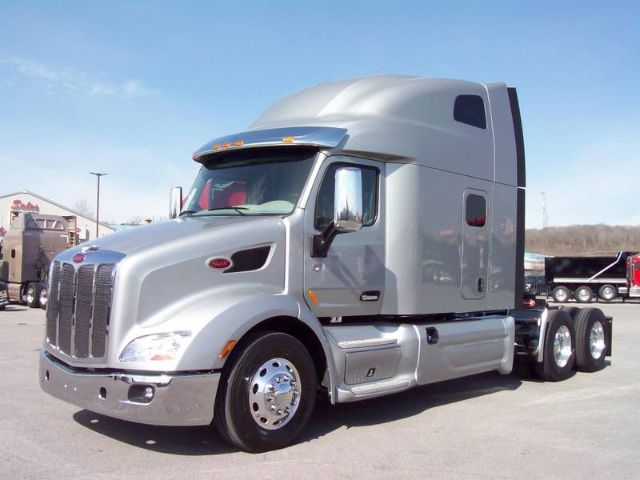
Selling a peterbilt cabover sleeper truck? List your peterbilt cabover sleeper truck for sale and reach thousands of commercial buyers.
Peterbilt Cabover Sleeper Trucks
Buyers usually focus first on cab space, sleeper size, and serviceability. Peterbilt cabover sleeper configurations can vary from compact sleeper setups for regional overnights to more usable long-haul layouts with added storage, better insulation, and upgraded bunk amenities. On the chassis side, axle ratings, wheelbase, suspension type, and fifth wheel placement all affect how the truck handles different trailer combinations and kingpin settings. Powertrain choices are just as important. Engine family, horsepower, torque curve, transmission type, rear axle ratio, and cooling system capacity will determine how well the truck performs in stop-and-go work versus sustained highway operation.
Visibility and maneuverability are two of the biggest reasons buyers consider a cabover sleeper. The forward seating position gives the driver a strong view in crowded yards and city streets, while the shorter nose helps with tighter turning and dock approach angles. That said, ride quality, cab entry, and engine access should be evaluated closely, because cabovers have a different operating feel than a conventional Peterbilt. Look at steering geometry, cab suspension, insulation, HVAC performance, bunk access, and how easily routine maintenance can be handled. If driver retention matters, details like seat comfort, noise levels, storage design, and sleeper practicality can carry as much weight as the engine badge.
A good Peterbilt cabover sleeper fit depends on the freight lane and trailer it will pull. Some buyers need a compact sleeper day-to-night truck for regional reefer or van work. Others need a short tractor for heavy vocational routing, port drayage with overnight capability, or specialized operations where every foot of combination length counts. When comparing listings, pay close attention to GVWR, front and rear axle specs, suspension, brake configuration, emissions system history, and sleeper dimensions. Those details will tell you much more about real-world suitability than model year alone.
Frequently Asked Questions about Peterbilt Cabover Sleeper Trucks
What is the main advantage of a Peterbilt cabover sleeper truck?
The main advantage is overall length efficiency. A cabover sleeper places the cab over the engine, which shortens the tractor and can free up length for the trailer or make the combination easier to maneuver in tight spaces. That makes this layout especially useful for city delivery, port work, specialized hauling, and routes where turning radius or bridge law dimensions are a concern.
Are cabover sleeper trucks suitable for long-haul operation?
They can be, but the right sleeper size and chassis setup matter. A Peterbilt cabover sleeper intended for longer runs should have adequate bunk space, storage, HVAC capacity, sound insulation, and a powertrain matched to sustained highway speeds. Many buyers prefer them for regional or length-sensitive work, but a well-spec'd unit can still serve in long-haul applications where compact tractor dimensions are important.
What specs should I compare when shopping for a used Peterbilt cabover sleeper?
Start with engine make and rating, transmission, axle ratio, wheelbase, suspension, and axle capacities. Then look at sleeper length, interior storage, fifth wheel position, brake type, tire size, and maintenance access. On newer emissions-equipped trucks, service history for the EGR, DPF, SCR, and related sensors is important because those systems can have a major effect on uptime and operating cost.
How does a cabover sleeper differ from a conventional sleeper truck?
A conventional sleeper truck has the engine mounted ahead of the cab, while a cabover puts the driver above the engine. The conventional layout typically offers a longer wheelbase feel and easier engine access from the hood, while the cabover is valued for its shorter overall length, sharper maneuverability, and better forward visibility. The choice usually comes down to route conditions, trailer length requirements, and driver preference.