
Kenworth Cabover Sleeper Trucks For Sale
Shop Kenworth cabover sleeper trucks for long-haul hauling. Compare sleeper sizes, powertrains, wheelbases, and classic cabover specs.
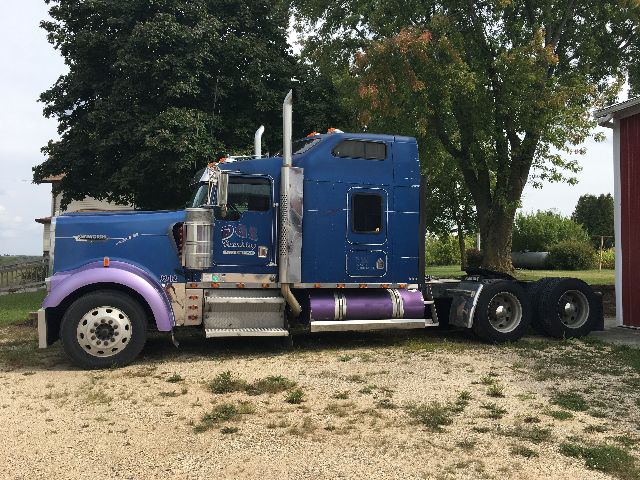
Selling a kenworth cabover sleeper truck? List your kenworth cabover sleeper truck for sale and reach thousands of commercial buyers.
Kenworth Cabover Sleeper Trucks
The big buying decisions in a Kenworth cabover sleeper usually come down to sleeper size, engine access, wheelbase, and drivetrain spec. Many older COE sleepers were ordered with mid-roof or flat-roof sleeper configurations, manual transmissions, and rear axle ratios suited for long-haul freight. Common powertrain considerations include big-bore diesel engines from Caterpillar, Cummins, or Detroit, along with 9-speed, 10-speed, 13-speed, or 18-speed manual gearboxes depending on the truck’s intended service. Because the cab tilts for engine service, buyers should pay close attention to cab tilt components, latch condition, wiring routing, coolant plumbing, and any signs that repeated tilt cycles have affected hoses or harnesses. Ride quality, interior space, and noise levels can differ noticeably from a conventional sleeper, so cab mounts, insulation, door seals, and sleeper integrity matter.
A Kenworth cabover sleeper can be a smart fit for specialized freight lanes, port work with overnight capability, car haul, show truck use, or buyers operating in tighter urban and industrial environments. Visibility is typically strong, and the shorter front end can make backing and site access easier than with a long conventional tractor. On older units, parts support and restoration needs should be part of the purchase decision. Inspect the cab structure for corrosion, check sleeper seams and roof condition, confirm window and door hardware availability, and review the frame for prior modifications. If the truck has been repowered or updated, verify cooling system capacity, driveline angles, mount fabrication quality, and legal compliance for the intended registration and emissions requirements.
Kenworth has long held a strong reputation with owner-operators for durable chassis design and driver-focused interiors, and that reputation carries into its cabover models. A well-kept Kenworth cabover sleeper can still serve as a practical working tractor, but it rewards a disciplined inspection more than a casual one. Buyers should compare axle ratings, suspension type, fuel capacity, sleeper storage, and wheelbase against the trailer lengths and routes they plan to run. In this category, originality may matter to one buyer and updated components may matter to another, so the right truck is usually the one with a clean structural foundation, documented powertrain history, and a spec that matches the job instead of fighting it.
Frequently Asked Questions about Kenworth Cabover Sleeper Trucks
What is a Kenworth cabover sleeper truck?
A Kenworth cabover sleeper truck is a tractor with the cab mounted over the engine and an integrated sleeper compartment behind the seats. This design shortens the overall tractor length compared with a conventional long-nose truck, which can improve maneuverability while still providing overnight accommodations for long-haul or regional work.
Why do buyers choose a cabover sleeper instead of a conventional sleeper tractor?
Buyers usually choose a cabover sleeper for its compact dimensions, tight turning ability, and distinctive layout. The shorter front end can help in cities, ports, crowded yards, and specialized hauling applications where space matters. Some buyers also prefer Kenworth cabovers for collector interest, owner-operator appeal, or because certain freight operations historically favored cabover configurations.
What should I inspect first on a used Kenworth cabover sleeper?
Start with the cab structure, cab tilt system, and sleeper condition. Look for corrosion around cab mounts, floor sections, door frames, windshield openings, and sleeper seams. Then inspect engine access components, latch mechanisms, steering components, frame condition, and the quality of any wiring or plumbing repairs. Service records, engine overhaul documentation, and evidence of consistent maintenance are especially important on older cabover tractors.
Are Kenworth cabover sleeper trucks good for long-haul work?
They can be, but comfort and spec matter more in this category than in newer conventional tractors. A properly spec'd cabover sleeper with the right engine, gearing, suspension, and sleeper size can handle long-haul service well. Buyers should be realistic about cab space, ride quality, entry height, and noise compared with modern highway sleepers, especially if the truck will be used for frequent over-the-road runs.
Do parts and service support matter more on an older cabover sleeper?
Yes. Parts availability can be a major factor when buying an older Kenworth cabover sleeper. Standard engine, transmission, axle, and brake parts may still be straightforward to source, but cab-specific trim, glass, tilt hardware, seals, interior panels, and sleeper components can take more effort. Buyers should consider parts interchange, vendor support, and the condition of hard-to-replace cab components before purchase.