
Cab and Chassis Trucks For Sale in Virginia
Shop cab and chassis trucks for sale in Virginia. Compare GVWR, wheelbase, axle setups, engine options, and body-ready truck specs.
Learn moreNo exact matches found for your search
Showing Cab and Chassis Trucks instead.
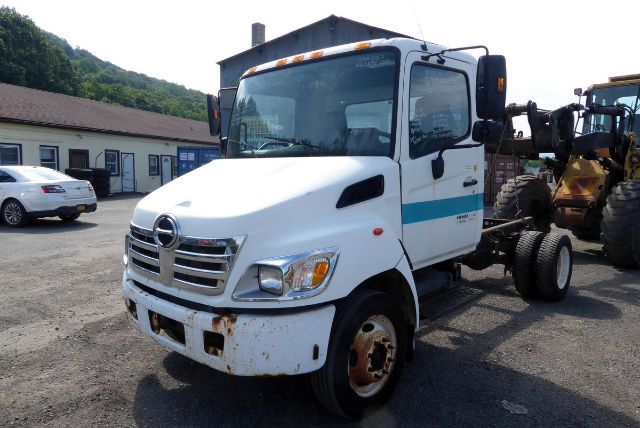
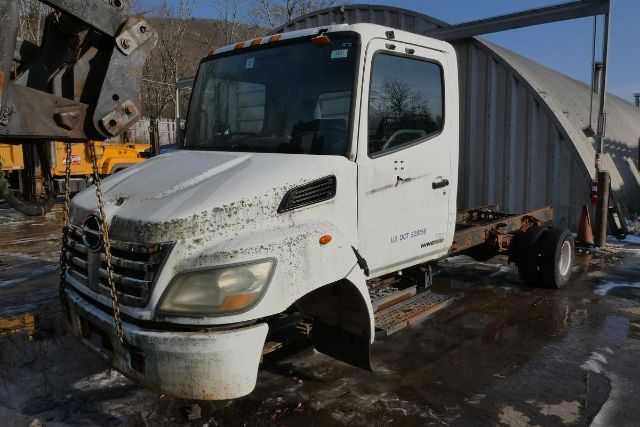
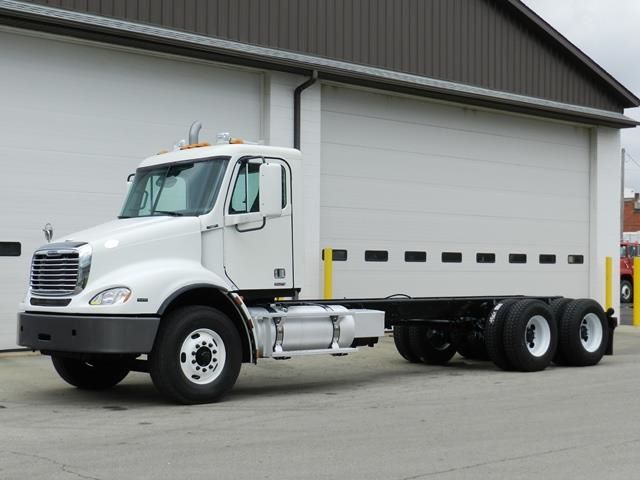
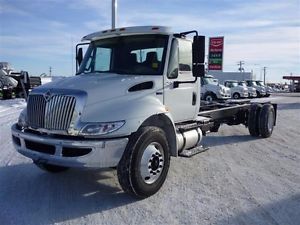
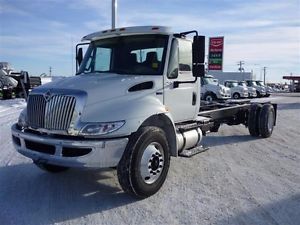
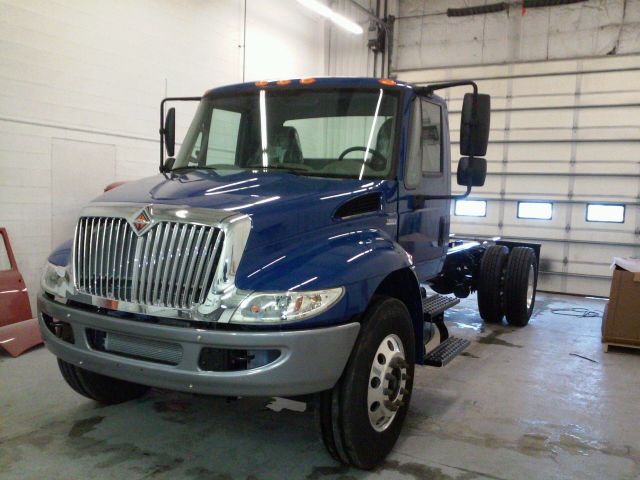
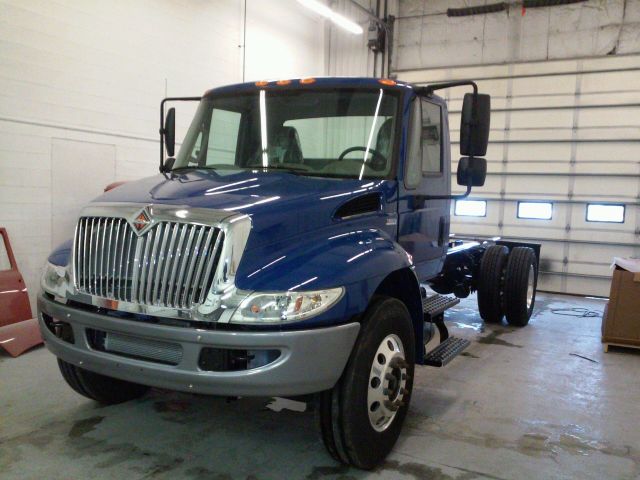
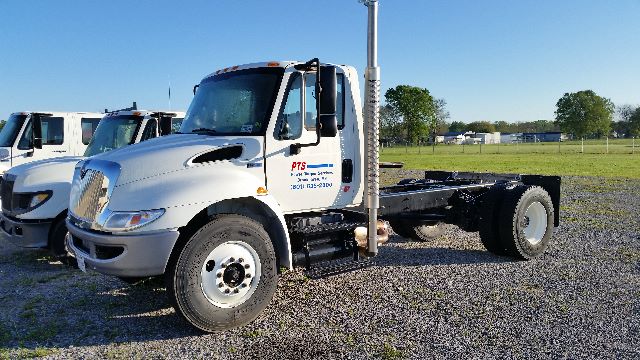
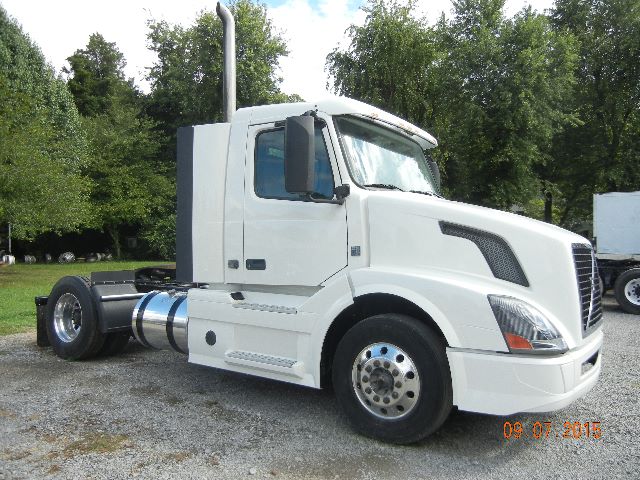
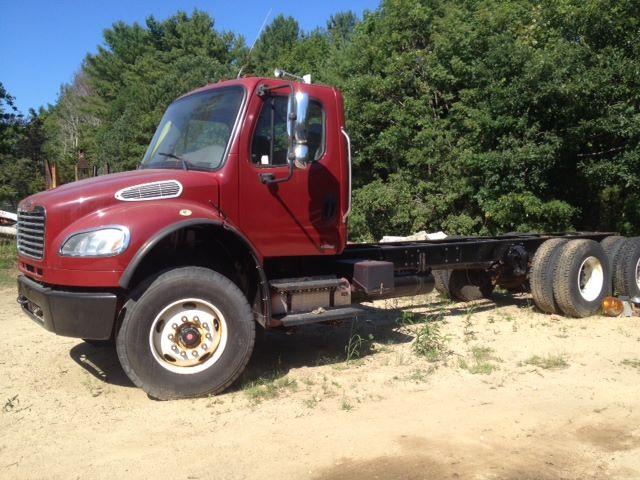
Showing 145 to 155 of 155 results
Have cab and chassis truck to sell? List it here to reach thousands of buyers.
About Cab and Chassis Trucks in Virginia
Most cab and chassis units are built on medium-duty, severe-duty, or Class 8 platforms, depending on the job. Common specs include diesel engines, automatic or manual transmissions, single or tandem rear axles, and wheelbases selected around the intended body length. A heavy vocational model such as a Western Star 4900 represents the upper end of the category, where higher GVWR ratings, stronger frame rails, and heavier front axles matter for municipal, crane, tanker, or severe-service applications. If the truck will carry PTO-driven equipment, confirm PTO compatibility at the transmission and engine, along with frame clearance, rear suspension type, and any factory body-builder provisions.
A good cab and chassis purchase is usually about what is behind the cab, not just what is under the hood. Measure for cab-to-axle and cab-to-end-of-frame, check frame condition closely, and confirm whether the rear of frame has been cut, extended, or drilled for prior equipment. Buyers in Virginia should also consider local route conditions, bridge and municipal weight limits, and whether a shorter wheelbase is needed for tighter urban work or a longer wheelbase is better for stability and body placement. Front axle capacity is especially important on trucks carrying snow equipment, cranes, or heavy tool bodies because it is easy to overload the steer axle before reaching gross weight.
When comparing listings, focus on upfit readiness as much as mileage or horsepower. Review the frame rating, suspension, brake configuration, tire size, fuel tank placement, and electrical setup for body integration. If the truck is intended for towing or recovery, look at axle ratings, cooling capacity, and driveline spec. If it is headed into utility or municipal service, check idle management, PTO hours if available, and signs of corrosion around crossmembers, hangers, and mounting points. A properly matched cab and chassis truck gives you flexibility to build the exact vocational unit you need without paying for a body configuration that does not fit the work.
Frequently Asked Questions
What is a cab and chassis truck?
A cab and chassis truck is a vehicle sold with the cab, drivetrain, and frame rails in place, but without a permanent rear body installed. It is designed to be upfitted with equipment such as a dump body, utility body, box, flatbed, wrecker, tanker, or hooklift. The main advantage is flexibility, because the chassis can be matched to a specific business application instead of buying a truck with a fixed body that may not fit the job.
What measurements matter most when buying a cab and chassis truck?
The most important measurements are GVWR, front and rear axle ratings, wheelbase, cab-to-axle, and cab-to-end-of-frame. These dimensions determine what body will fit, how the truck will balance after installation, and whether the finished unit will stay within legal axle weights. Buyers should also verify frame height, frame width, and any existing modifications such as frame extensions, holes, or evidence of prior body mounts.
How do I choose the right cab and chassis for a dump body or utility body?
Match the truck to the final payload and equipment weight, not just the empty body length. A dump body may require heavier rear suspension, a PTO-ready transmission, and stronger frame rails, while a utility body often needs the correct cab-to-axle length, adequate front axle capacity, and electrical provisions for compressors, inverters, or work lights. The right spec depends on how the completed truck will be loaded and how often it will operate at or near rated capacity.
Are used cab and chassis trucks a good choice for upfitting?
Used cab and chassis trucks can be a strong value if the frame, driveline, and axle ratings still fit the intended application. The truck should be inspected for rust, collision damage, prior upfit modifications, and drivetrain wear, especially if it has already worked in vocational service. A clean frame and correct dimensions are often more important than cosmetic condition because body installation depends on straight rails, solid crossmembers, and predictable weight distribution.
What should Virginia buyers consider when shopping for cab and chassis trucks?
Virginia buyers should think about terrain, local road restrictions, and the type of work the truck will perform in urban, suburban, or rural service. A shorter wheelbase can help with maneuverability in tighter municipalities, while a longer wheelbase may better support larger bodies or improve ride stability. Corrosion inspection still matters, especially on trucks that may have seen seasonal road treatment, and registration class, bridge law considerations, and local operating weights should be reviewed before finalizing an upfit plan.