
New 2025 Cab and Chassis Trucks For Sale in Texas
Shop new 2025 cab and chassis trucks in Texas built for dump, crane, utility, service, and specialty upfits across demanding vocational work.
Learn more
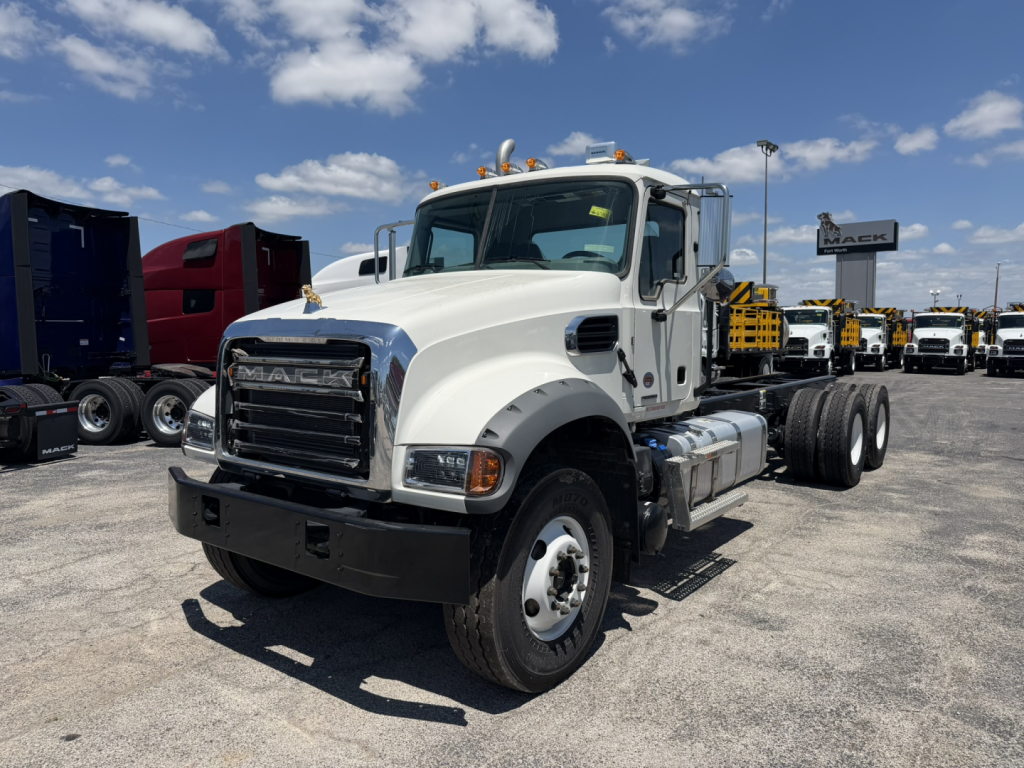
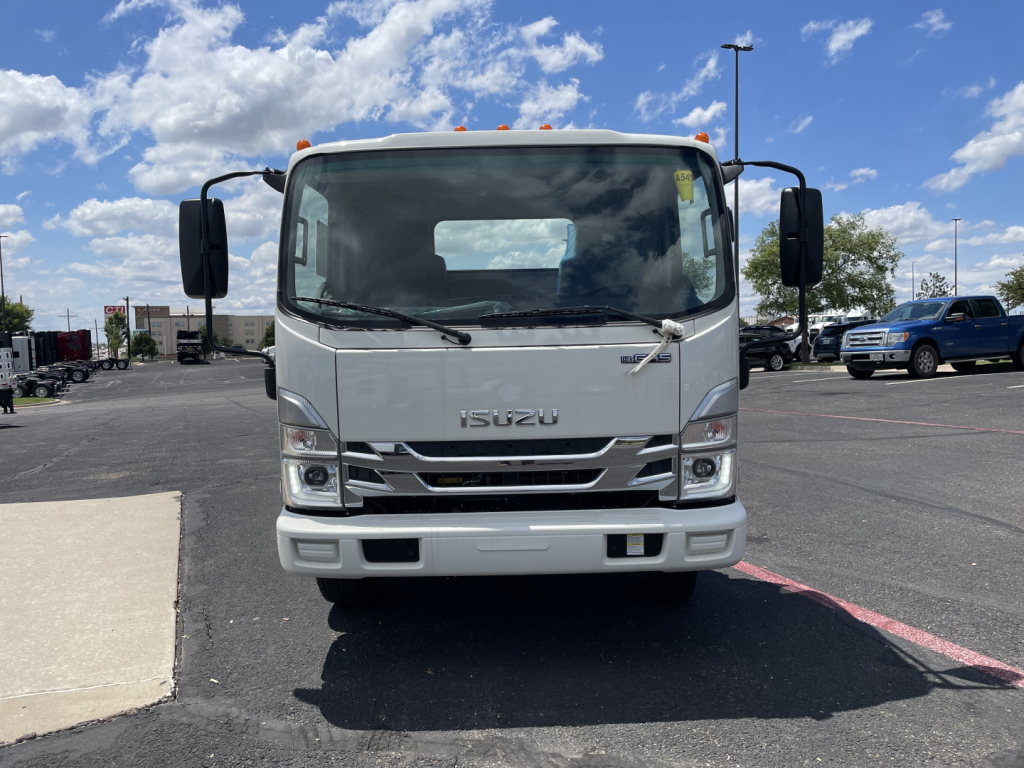
Have new 2025 cab and chassis truck to sell? List it here to reach thousands of buyers.
About New 2025 Cab and Chassis Trucks in Texas
Upfit compatibility matters more than badge loyalty in this category. Wheelbase and cab-to-axle dimensions drive body length and weight distribution, while frame strength and clear rail space determine how easily the truck accepts hoists, outriggers, tanks, compressors, or cranes. Texas buyers often focus on heavy vocational specs such as 20,000 lb front axles, 40,000 to 46,000 lb tandem rears, tridem or tri-drive setups for severe service, and suspensions like Camelback, vocational air ride, or multileaf packs depending on the terrain and body type. Engine ratings in the 400 to 445 horsepower range are common for demanding work, paired with automatic, automated manual, or deep-reduction manual transmissions based on PTO needs, driver skill mix, and off-road conditions. Differential locks, higher-capacity cooling packages, and PTO-ready transmissions are especially important for mixer, crane, vacuum, and oilfield applications.
For Texas operations, the right spec often comes down to route profile and surface conditions. Highway-heavy service fleets may favor automated transmissions, higher fuel capacity, and driver-assistance features for easier operation and lower fatigue. Construction, pipeline, aggregate, and lease-road work usually push buyers toward heavier rears, aggressive axle ratios, full locking differentials, durable vocational suspensions, and brake packages suited for repeated stop-start cycles and loaded grades. If the body will be installed behind the cab, check for back-of-cab space, exhaust routing, hydraulic provisions, and any interference points that affect toolboxes, outriggers, or boom pedestals. A chassis that looks similar on paper can behave very differently once the upfit is mounted and loaded.
The smartest way to compare 2025 cab and chassis trucks is to start with the finished job the truck must perform. Match GVWR, front axle capacity, rear axle capacity, frame section, and wheelbase to the body builder's requirements. Then verify transmission PTO openings, fuel tank placement, suspension type, brake configuration, and turning radius. New cab and chassis trucks appeal to fleets that want current emissions hardware, updated safety systems, warranty coverage, and clean maintenance history from day one. For buyers planning to keep the truck through a full vocational life cycle, the best value usually comes from a chassis spec that supports the upfit correctly the first time and leaves enough capacity for the tools, materials, and duty cycle the truck will actually see.
Frequently Asked Questions
What is a cab and chassis truck used for?
A cab and chassis truck is built to receive a specialized body or mounted equipment after it leaves the factory. Common uses include dump trucks, utility trucks, mechanics trucks, flatbeds, cranes, water trucks, vacuum trucks, rollbacks, and oilfield service trucks. The factory delivers the cab, frame, drivetrain, and axles, and the final body builder completes the truck for its intended application.
How do I choose the right wheelbase for a cab and chassis truck?
Wheelbase selection starts with the body length, weight distribution, and equipment mounting plan. Body manufacturers typically specify cab-to-axle and frame requirements for each body size and hoist or crane configuration. A wheelbase that is too short can create fitment problems or overload axles, while one that is too long can hurt maneuverability and add unnecessary weight. Buyers should confirm body builder drawings before finalizing the chassis spec.
Which transmission is better for a vocational cab and chassis truck: automatic, automated manual, or manual?
The right transmission depends on the job. Fully automatic transmissions are common in stop-start work, urban routes, and applications that need smooth PTO operation, such as refuse, utility, or some crane and service body work. Automated manuals can improve fuel efficiency and reduce driver fatigue while still handling heavier vocational duty. Deep-reduction manual transmissions remain valuable in severe off-road applications where precise low-speed control and specialized PTO options matter.
What specs matter most on a Texas cab and chassis truck?
Texas buyers often prioritize cooling capacity, axle ratings, differential locks, fuel capacity, and suspension durability because trucks may see long distances, high heat, heavy loads, and rough jobsite access. For oilfield, pipeline, and construction work, rear axle ratio, PTO readiness, and severe-duty suspension design are especially important. For municipal or regional service work, maneuverability, cab comfort, and ease of operation may carry more weight.
Why is PTO compatibility important on a new cab and chassis truck?
Many vocational bodies rely on a power take-off to run hydraulic pumps, blowers, compressors, winches, or other auxiliary equipment. PTO compatibility affects what equipment can be installed and how it performs in the field. Buyers should verify PTO openings, transmission model, engine speed control options, and available space for pumps and plumbing early in the spec process so the chassis and the upfit work together without expensive rework.