
New 2025 Cab and Chassis Trucks For Sale in New Jersey
Shop new 2025 cab and chassis trucks in New Jersey. Compare GVWR, wheelbase, engine, PTO and upfit options for box, reefer, hooklift or flatbed use.
Learn more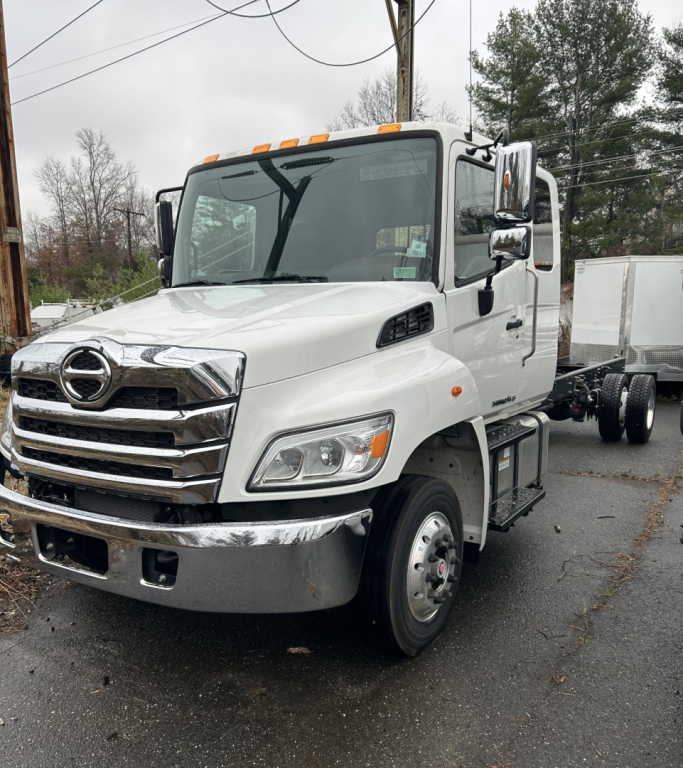
Have new 2025 cab and chassis truck to sell? List it here to reach thousands of buyers.
About New 2025 Cab and Chassis Trucks in New Jersey
Frequently Asked Questions
What is a cab and chassis truck used for?
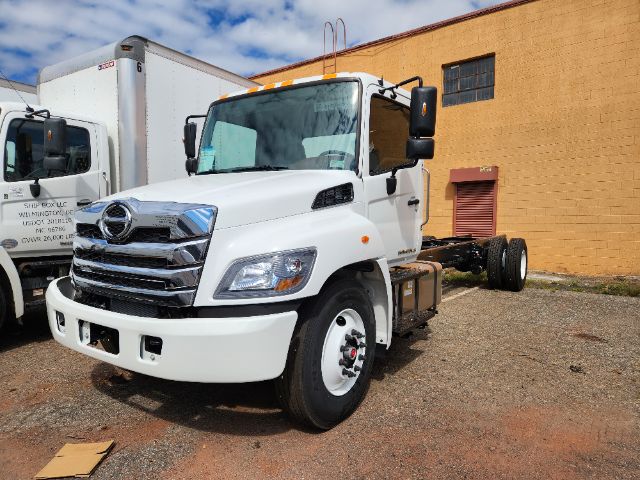
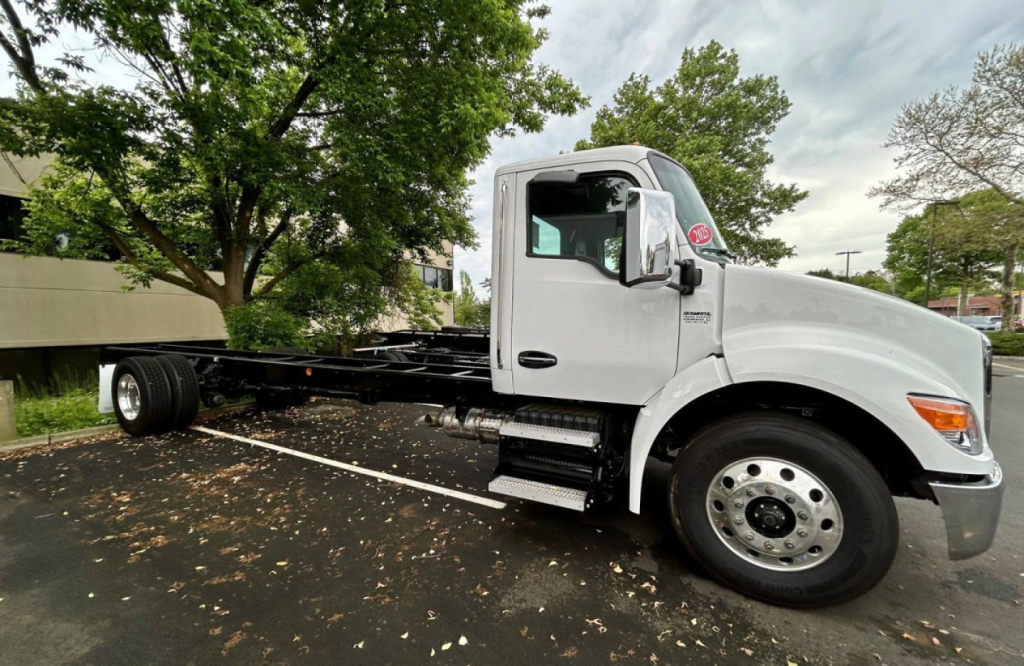
A cab and chassis truck is a base vehicle designed to accept a vocational body or work-specific upfit. Common uses include box trucks, reefers, flatbeds, stake bodies, dump bodies, hooklifts, utility bodies, and towing or recovery equipment. Buyers choose this configuration when they need control over body length, storage layout, liftgate selection, PTO operation, or refrigeration package rather than buying a prebuilt body style.
What GVWR range is common for 2025 medium-duty cab and chassis trucks?
A common target is the Class 6 range around 25,950 to 26,000 pounds GVWR because it supports substantial body and payload capacity while staying just under the 26,001-pound CDL threshold in many applications. That makes it a popular choice for local delivery, beverage, reefer, and municipal work. Higher-GVWR Class 7 versions are also available for heavier bodies or denser payloads, but they may change licensing, registration, and operating requirements.
Which specs matter most before ordering an upfit?
Wheelbase, cab-to-axle measurement, rear axle ratio, frame height, PTO provision, brake type, and front and rear axle ratings should be confirmed before the body is ordered. Body length is only part of the equation. A 26-foot box, reefer body, or specialized flatbed has to fit the truck's cab-to-axle and frame dimensions correctly while leaving room for liftgates, underride protection, refrigeration hardware, or hydraulic equipment. Getting those dimensions right early prevents expensive rework and poor weight distribution.
Are automatic transmissions and diesel engines standard in this category?
Many 2025 cab and chassis trucks in this class are equipped with medium-duty diesel engines paired with Allison automatic transmissions. That combination remains popular because it is familiar to fleets, supports PTO-driven applications, and works well in stop-and-go service. Horsepower and torque vary by GVWR and intended use, but many local-delivery and vocational chassis are spec'd to balance fuel economy, launch performance, and reliability rather than maximum top-end speed.
Why do so many buyers choose a 25,950 or 26,000 GVWR cab and chassis?
That rating is popular because it gives buyers a useful combination of legal payload capacity and broad driver accessibility. For many operations, it allows a larger box or reefer body, air brakes, and stronger component ratings without moving into a higher CDL category. It is especially common in regional delivery, foodservice, route sales, and urban freight where maneuverability, dock access, and driver availability all affect truck choice.