
New 2025 Cab and Chassis Trucks For Sale in Colorado
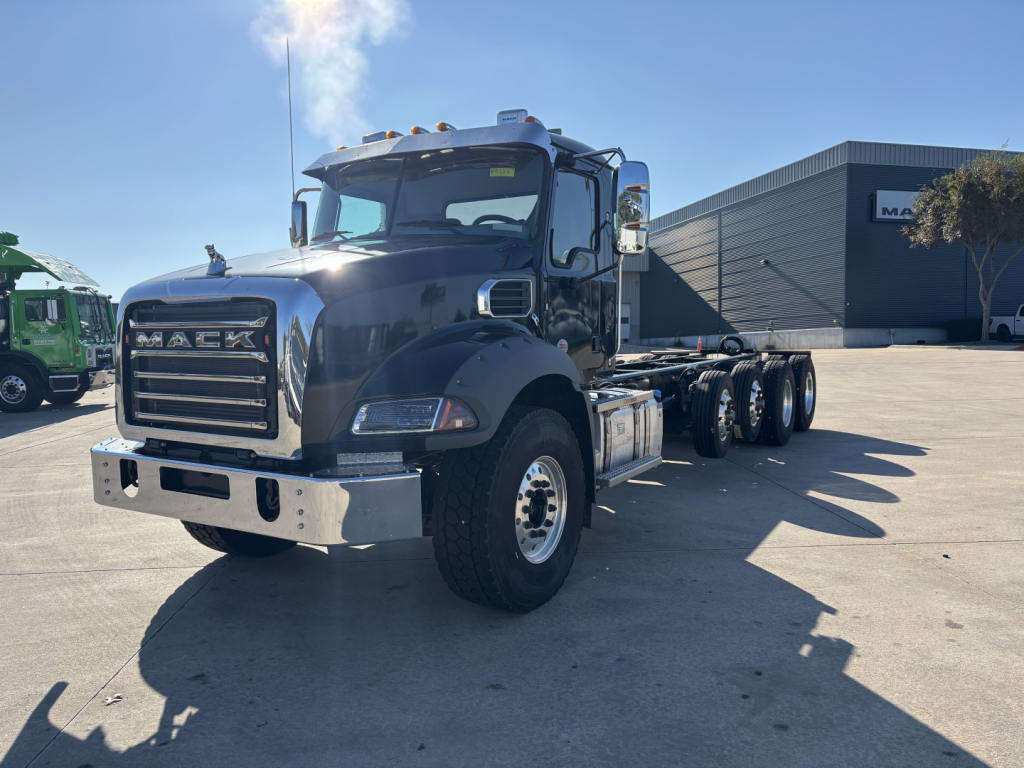

Have new 2025 cab and chassis truck to sell? List it here to reach thousands of buyers.
New 2025 Cab and Chassis Trucks in Colorado
Most buyers should look closely at front axle capacity, rear axle ratio, suspension type, and frame strength before thinking about body installation. A cab and chassis intended for a dump body or snowplow usually needs heavier front axle capacity, PTO compatibility, and a frame designed for concentrated loads. Units built for van bodies, landscaping, or parcel work often prioritize wheelbase options, tighter turning radius, and easier body integration. Common configurations include Class 4 through Class 8 chassis, with 4x2, 6x4, and lift axle or pusher axle layouts depending on payload and bridge-law requirements. Diesel remains common in heavier vocational specs, but newer electric cab and chassis models are also entering the market for urban and regional duty cycles where predictable routes and charging access make sense.
Colorado operating conditions make driveline and braking decisions more important than they are in flatter regions. Steeper grades and winter weather push buyers toward higher torque engines, automatic transmissions for vocational stop-start work, engine brakes, and axle ratios that balance launch performance with road speed. If the truck will carry a body with hydraulic functions, confirm PTO provisions, transmission compatibility, and available upfitter switches early. Frame rail dimensions, back-of-cab clearance, and cab-to-axle measurements also need to match the intended body exactly. A mismatch in cab-to-axle or wheelbase can create costly delays during upfit and limit body choices.
A new-model cab and chassis also gives buyers access to current safety and driver-support technology, which matters on municipal fleets and private vocational operations alike. Backup camera prep, collision mitigation systems, telematics, touchscreen controls, and improved HVAC and seating can make a measurable difference in driver retention and daily usability. When comparing listings, pay attention to the complete chassis spec sheet: GVWR, GAWR, frame section modulus, suspension brand, brake type, tire size, fuel tank or battery range, and any factory body-builder provisions. The best cab and chassis truck is the one that matches the body, duty cycle, terrain, and licensing requirements from day one.
Frequently Asked Questions about New 2025 Cab and Chassis Trucks in Colorado
What is a cab and chassis truck?
A cab and chassis truck is a truck sold with the cab, frame rails, drivetrain, and running gear, but without a completed rear body. It is designed to be upfitted with a specific body such as a dump bed, service body, box body, flatbed, crane body, hooklift, or utility body. Buyers choose cab and chassis trucks when they need a work truck built around a defined application rather than a factory-completed body style.
What specs matter most when buying a new 2025 cab and chassis truck?
The most important specs are GVWR, front and rear axle ratings, wheelbase, cab-to-axle measurement, engine torque, transmission type, rear axle ratio, suspension, and frame capacity. Those numbers determine what body can be installed, how much payload the truck can legally carry, and how well it will perform in the intended duty cycle. PTO capability, brake configuration, and upfitter provisions are also critical if the truck will run hydraulic equipment or other body-mounted systems.
How do Colorado conditions affect cab and chassis truck selection?
Colorado buyers often need to account for elevation, long grades, winter traction, and mixed on-road and off-road jobsite use. Higher torque engines, effective engine braking, automatic transmissions, and proper axle gearing can improve drivability in mountain conditions. Front axle capacity is especially important for trucks carrying plows or heavy front-mounted equipment, while suspension choice and tire spec matter for rough terrain and seasonal weather.
Can a cab and chassis truck be used for electric fleet applications?
Yes, some new cab and chassis trucks are now offered with electric powertrains for applications such as delivery, municipal work, and predictable regional routes. Electric cab and chassis models are best suited to fleets with known daily mileage, defined charging access, and body equipment that aligns with available battery capacity. Buyers should evaluate payload impact, range under load, charging time, and body power requirements before selecting an electric chassis.
Why is cab-to-axle measurement so important on a cab and chassis?
Cab-to-axle measurement determines where the rear axle sits in relation to the cab, and that directly affects what body length and body style can be installed. If the cab-to-axle dimension is wrong, the body may not fit properly, weight distribution may suffer, and upfit costs can increase. Matching cab-to-axle, wheelbase, and frame length to the intended body is one of the most important steps in the buying process.