
Cab and Chassis Trucks For Sale in New Hampshire
No exact matches found for your search
Showing Cab and Chassis Trucks instead.

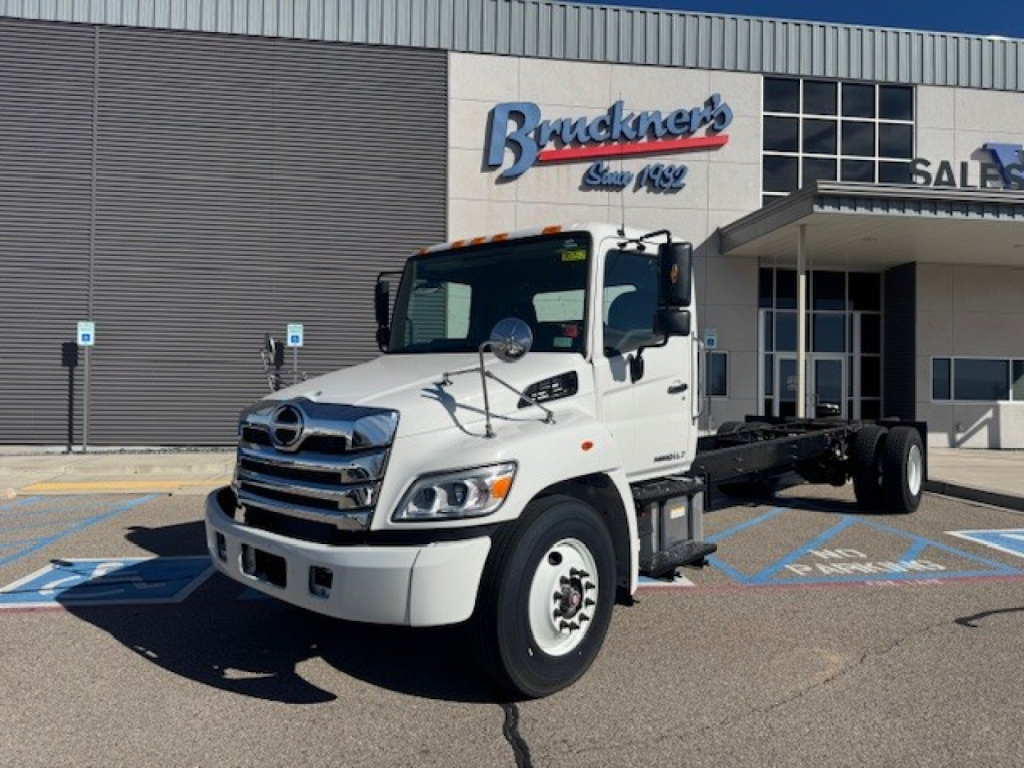
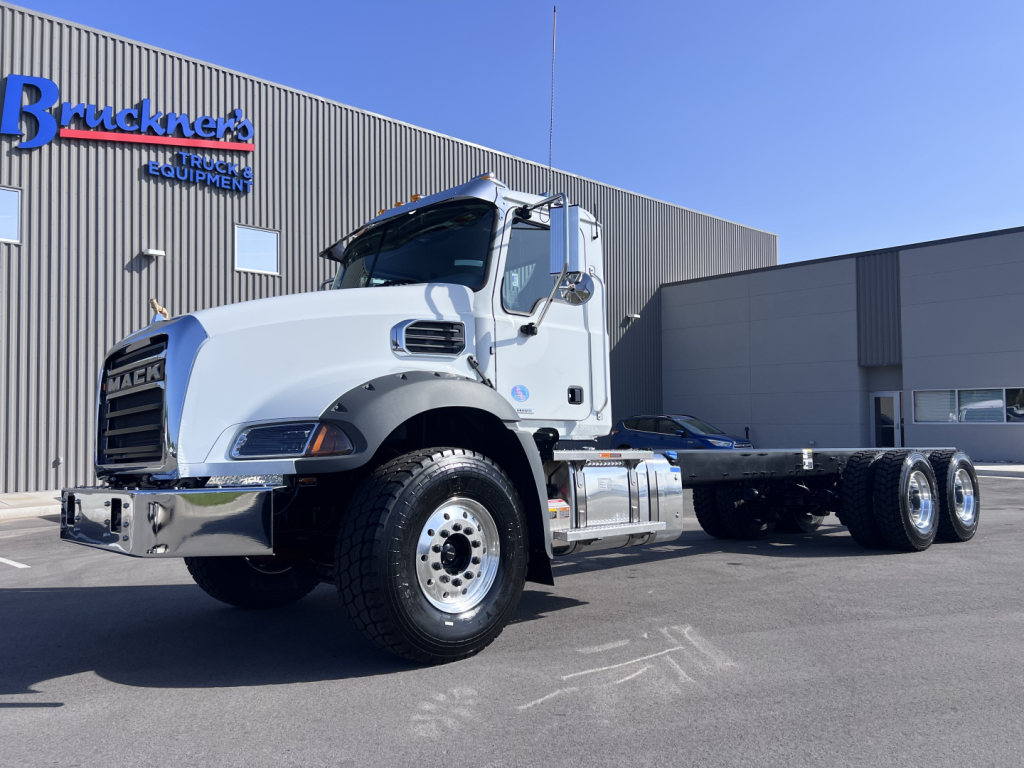
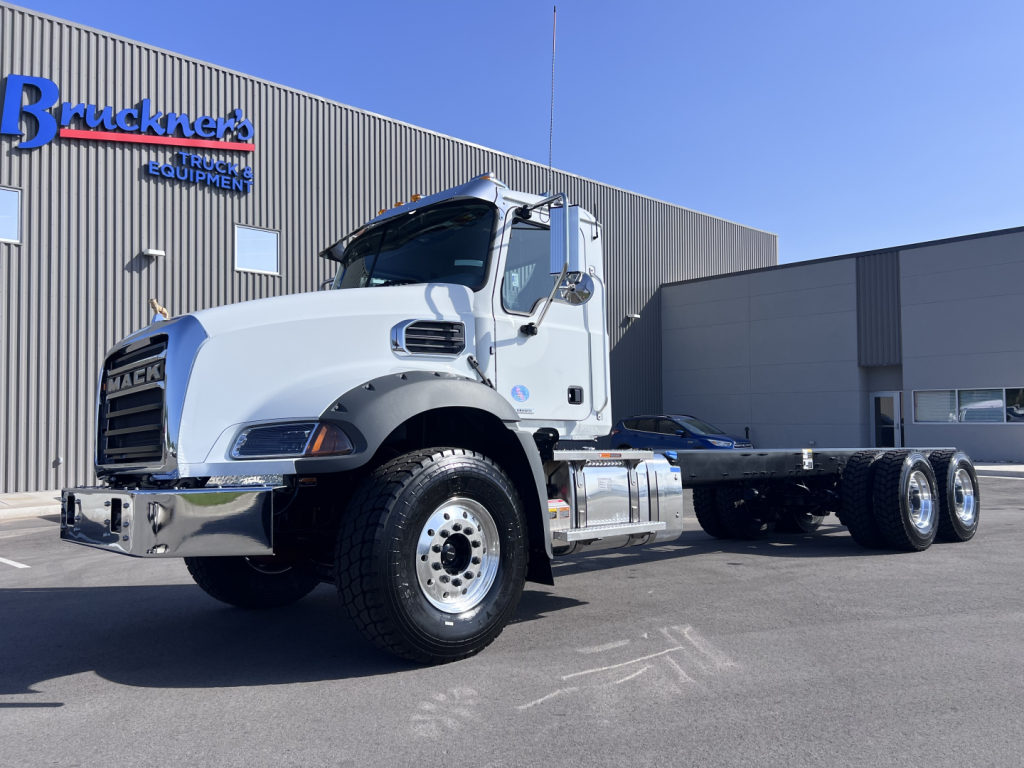
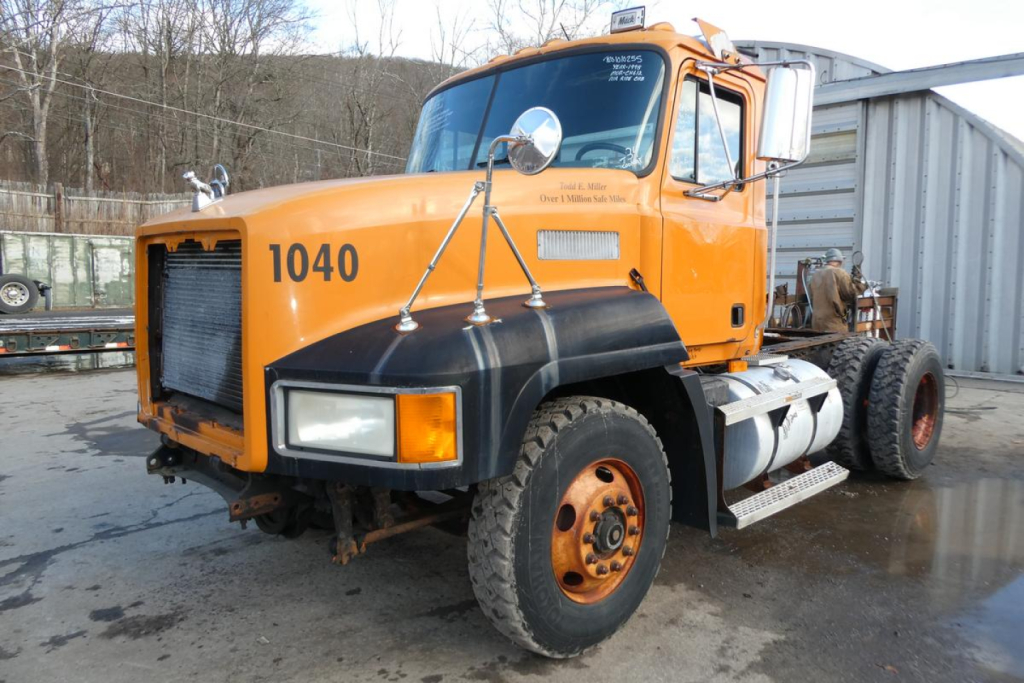
Showing 73 to 84 of 164 results
Have cab and chassis truck to sell? List it here to reach thousands of buyers.
Cab and Chassis Trucks in New Hampshire
In New Hampshire, application drives spec. Municipal, contractor, utility, and landscape buyers often focus on medium-duty models in Class 4 through Class 7, with diesel engines still common for higher payload and PTO demand. Gas engines can make sense for lighter-duty stop-and-go work, especially where lower upfront cost and simpler emissions systems are priorities. Key numbers to verify are GVWR, front and rear axle ratings, wheelbase, cab-to-axle measurement, and usable frame length. Those dimensions determine what body can be installed and how well the finished truck will balance weight across the axles. If the truck will carry a plow, salt spreader, crane, compressor, or liftgate, confirm front axle capacity, electrical provisions, PTO setup, and any auxiliary switches or upfitter interfaces in the cab.
Cab configuration and frame condition matter just as much as engine choice. Regular cabs remain common for maximizing body length on a shorter overall chassis, while extended and crew cabs are selected when additional personnel or secure interior storage is part of the operation. Buyers should look closely at frame rail condition, crossmembers, suspension type, brake system, and tire size, especially on used units that may have already seen vocational service. A clean frame with standard hole patterns, minimal corrosion, and no signs of heavy modification is usually easier and less expensive to upfit. If the chassis already has PTO hardware, transmission provisions, or a known body-builder package, that can shorten lead time and reduce installation cost.
A good cab and chassis truck is the foundation of the finished truck you actually need. The right choice is not just make and model, but how the chassis is rated and laid out for the body, payload, and route profile. Tight wheel cuts help in urban and residential work, while heavier rear suspensions and higher GVWR ratings support material hauling and year-round municipal use. For buyers comparing listings, the most useful approach is to match the truck to the final body spec first, then confirm drivetrain, axle ratio, brake type, and cab configuration support the work cycle. That is the difference between a chassis that simply accepts a body and one that performs correctly once the build is complete.
Frequently Asked Questions about Cab and Chassis Trucks in New Hampshire
What is a cab and chassis truck used for?
A cab and chassis truck is a truck sold with the cab and bare frame rails so a vocational body can be installed. Common applications include dump trucks, flatbeds, service trucks, utility bodies, box trucks, wreckers, hooklifts, and snow and ice equipment. The chassis is selected based on the finished job, not just the truck itself, so body length, payload, PTO requirements, and axle ratings should be planned before purchase.
How do I know what body will fit a cab and chassis truck?
The most important dimensions are wheelbase, cab-to-axle, cab-to-end-of-frame, and frame height. These measurements determine body length, mounting position, and weight distribution. Buyers should also check axle spacing, rear overhang limits, and whether the frame is clear of obstructions such as tanks, DEF components, or aftermarket brackets. Body manufacturers and upfitters normally match these chassis dimensions to a specific body size and mounting kit.
What GVWR class is best for a cab and chassis truck?
The best GVWR depends on payload, body weight, and operating conditions. Class 3 and 4 chassis are often used for lighter flatbeds, small dumps, and service bodies. Class 5 through 7 trucks are more common when the body is heavier, the payload is higher, or PTO-driven equipment is involved. It is important to account for the finished curb weight of the upfit, not just the bare chassis, so the truck remains legal and functional once equipped.
Is diesel or gas better for a cab and chassis truck?
Diesel is often preferred for heavier vocational work, higher torque demand, frequent towing, and PTO applications. Gas engines can be a good fit for lighter-duty operations, lower annual mileage, and fleets that want lower acquisition cost and simpler maintenance. The right choice depends on duty cycle, idling time, average load, terrain, and how long the truck will be kept in service.
What should I inspect on a used cab and chassis truck before buying?
Start with the frame rails, crossmembers, suspension hangers, brake components, and signs of corrosion or previous body removal. Confirm the VIN, GVWR, axle ratings, and wheelbase against the intended upfit. Check for PTO provisions, transmission compatibility, electrical upfitter connections, and any hydraulic or air system components that may already be installed. On trucks from snowbelt states such as New Hampshire, underside rust and frame condition deserve extra attention because they directly affect upfit cost and long-term durability.