
Cab and Chassis Trucks For Sale in Mississippi
Browse cab and chassis trucks for sale in Mississippi. Compare wheelbase, axle, engine, and PTO-ready specs for vocational upfits.

Selling a cab and chassis truck? List your cab and chassis truck for sale and reach thousands of commercial buyers.
Cab and Chassis Trucks in Mississippi
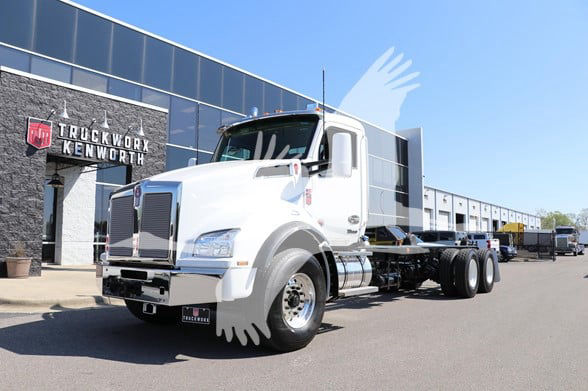
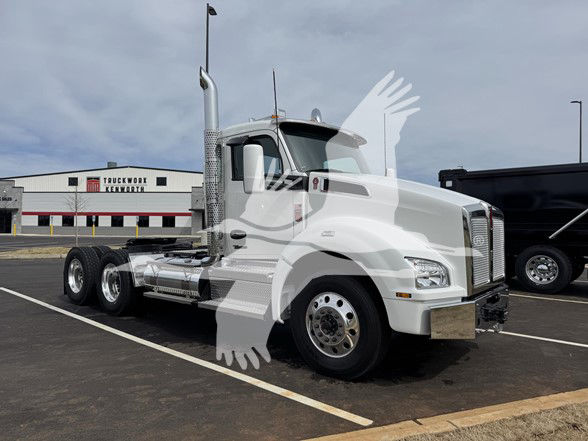
Wheelbase is one of the first numbers to verify. A shorter wheelbase improves maneuverability on tighter job sites and in urban service work, while a longer wheelbase supports larger bodies, heavier equipment packages, and better bridge compliance in some configurations. Tandem axle 6x4 setups are common for heavier vocational work, especially when paired with high horsepower diesel engines, deeper rear axle ratios, and durable suspensions such as air ride or heavy-duty rubber block designs. Buyers comparing vocational day cabs like the Kenworth T880 often focus on engine ratings, transmission type, PTO compatibility, frame rail strength, and whether the truck is already prepped for body builder electrical connections.
A good cab and chassis spec has to match both the body and the duty cycle. Dump and construction applications usually favor stronger rear suspensions, higher GVWR and GCWR capability, and gearing that keeps the truck moving in off-road or start-stop conditions. Utility and service applications may put more emphasis on wheel cut, clear back-of-cab dimensions, and clean frame space for outriggers, compressors, or tool storage. Tire size, fuel tank placement, exhaust routing, and battery box location also matter because they affect body installation costs and how much fabrication will be required before the truck can go to work.
For Mississippi operations, heat, humidity, mixed highway and jobsite use, and regional body-builder availability all affect the buying decision. Used cab and chassis trucks can offer value if the frame has not been altered poorly and the truck has a clean maintenance history, especially around engine work, transmission service, suspension wear, and PTO operation. Newer units may bring advantages in automated manual transmissions, higher output diesel engines, improved diagnostics, and factory body-builder provisions. The best approach is to spec the truck from the rear of cab backward, confirm axle ratings and frame dimensions, and make sure the truck is built around the body you plan to install rather than trying to force a body onto the wrong chassis.
Frequently Asked Questions about Cab and Chassis Trucks in Mississippi
What is the difference between a cab and chassis truck and a complete truck?
A cab and chassis truck is sold with the cab, frame rails, engine, transmission, axles, and running gear, but without the final vocational body. A complete truck already has a dump bed, service body, flatbed, tanker, or other mounted equipment installed. Buyers choose a cab and chassis when they need to match the truck to a specific upfit, body length, PTO requirement, or weight distribution target.
What wheelbase should I choose for a cab and chassis truck?
The correct wheelbase depends on the body length, axle placement, and finished application. Shorter wheelbases are easier to maneuver and are common in utility, municipal, and tighter construction environments. Longer wheelbases are typically used for larger dump bodies, hooklift systems, tank applications, and other builds that need more frame space or better weight distribution. Body manufacturers usually provide a recommended cab-to-axle and wheelbase range, and that should be confirmed before purchase.
Are tandem axle cab and chassis trucks better for vocational work?
Tandem axle cab and chassis trucks are often the preferred choice for heavier vocational applications because they provide higher rear axle capacity, better traction in 6x4 form, and improved support for larger bodies and payloads. They are common in dump, roll-off, heavy service, and equipment hauling applications. Single axle trucks still make sense for lighter payloads, lower operating costs, and tighter turning requirements, so the best choice depends on legal weight, terrain, and body design.
What specs matter most when buying a used cab and chassis truck?
The most important used-truck checks are frame condition, axle ratings, suspension wear, engine and transmission service history, and whether any prior body installation damaged or modified the chassis improperly. Buyers should inspect for frame drilling, welding, corrosion, crossmember condition, PTO operation, and evidence of hard vocational use. It is also important to verify wheelbase, cab-to-axle measurement, and component placement so the truck can still accept the planned body without costly rework.
Can any cab and chassis truck be fitted with any body?
No. The body has to match the truck's wheelbase, cab-to-axle measurement, frame section, axle ratings, suspension, PTO setup, and intended gross vehicle weight. Clearance around fuel tanks, exhaust, battery boxes, and aftertreatment components can also limit body choices. The most efficient purchase is a chassis that already aligns closely with the body manufacturer's dimensional and mechanical requirements, because that reduces fabrication time, installation cost, and the risk of poor weight balance.