
New 2025 Mack Cab and Chassis Trucks For Sale
Shop new 2025 Mack cab and chassis trucks built for refuse, dump, utility, and vocational upfits with strong frames, axle options, and diesel power.
Learn more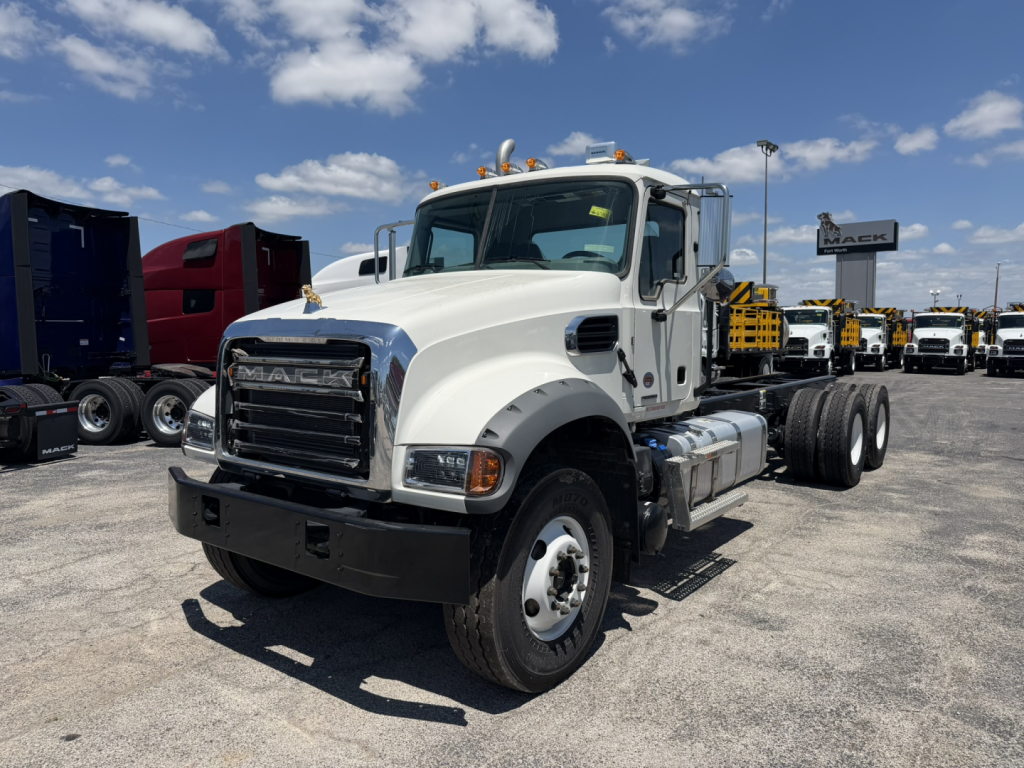
Have new 2025 mack cab and chassis truck to sell? List it here to reach thousands of buyers.
About New 2025 Mack Cab and Chassis Trucks
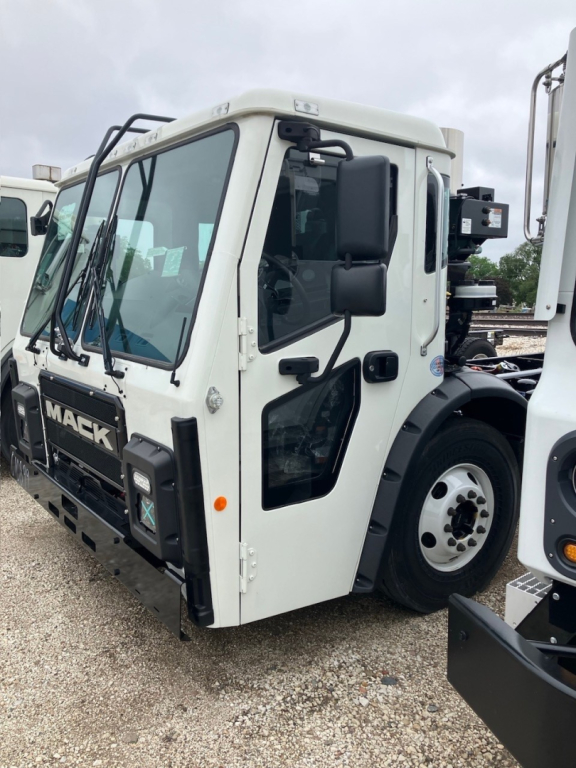
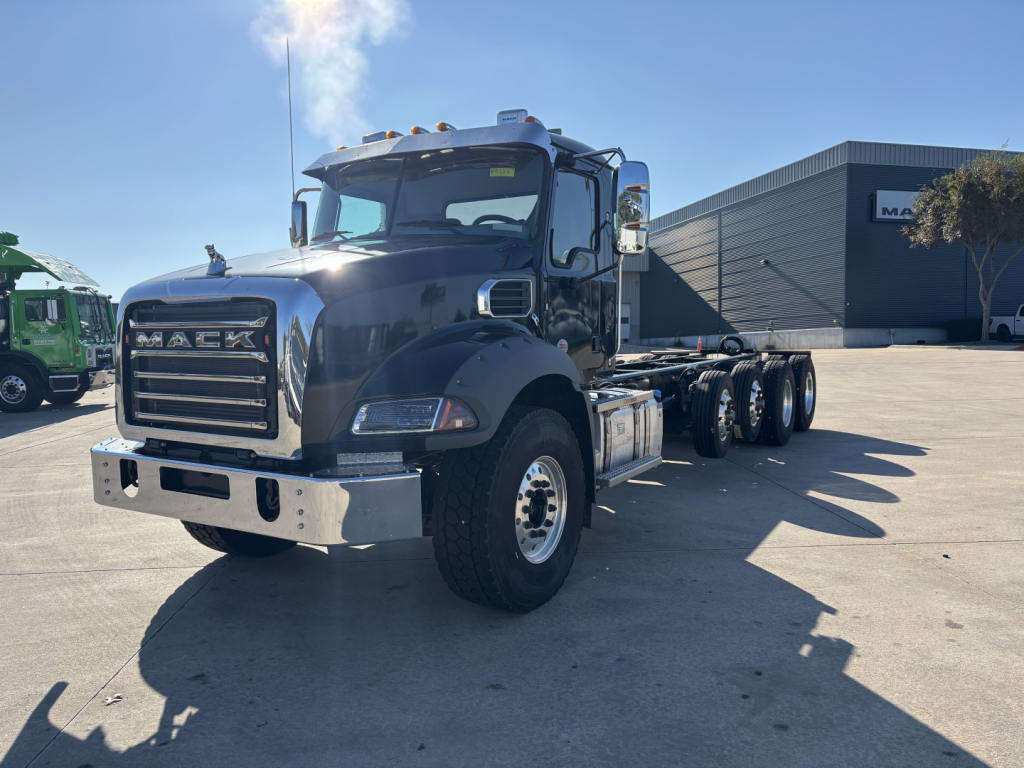
Mack cab and chassis models commonly span severe-duty and low-cab-forward applications. Granite configurations are a common fit for dump, plow, construction, and heavy municipal work, while LR and TerraPro style platforms are often selected for refuse routes and other stop-and-go operations. Power typically comes from Mack diesel engines such as the MP7, often paired with Allison automatic transmissions in vocational service where smooth engagement, PTO compatibility, and driver ease matter. Buyers should pay close attention to front axle ratings, rear axle capacities, pusher or tag axle availability, suspension type, and brake configuration, especially when the truck will carry dense payloads or operate off-road, on transfer stations, or through urban collection routes.
Cab layout and operating environment matter as much as the chassis numbers. Low-entry Mack configurations can offer dual steer or right-hand stand-up style refuse layouts, wide door openings, and visibility advantages for route work. Conventional cab and chassis setups can be better for snow and ice control, dump bodies, mechanics trucks, and utility builds that need highway travel mixed with jobsite durability. On a new 2025 truck, buyers should also look at electronics integration for body builders, switch and control provisions, backup camera prep, telematics, and dash layouts that support PTO and auxiliary equipment use. These details affect upfit cost, driver training, and long-term uptime.
A strong Mack cab and chassis spec is one that leaves enough margin for the finished body, legal payload, and duty cycle. GVWR, GCWR, frame section modulus, axle spread, and tire capacity all need to line up with the completed truck, not just the delivered chassis. For snowplow, refuse, and heavy municipal applications, corrosion protection, cooling performance, steering effort, and service access should be part of the buying decision. Mack remains a common choice in this category because the platform is designed around vocational use, with chassis options that can be tailored closely to body-builder requirements and demanding daily work.
Frequently Asked Questions
What is a Mack cab and chassis truck used for?
A Mack cab and chassis truck is a truck delivered without a permanently installed body so it can be upfitted for a specific job. Common uses include dump bodies, refuse packers, roll-off hoists, hooklifts, service bodies, utility bodies, tank systems, and snow and ice equipment. The value of the platform is that the chassis can be ordered around the body, payload, and duty cycle instead of forcing the application to fit a fixed truck configuration.
Which Mack models are common in cab and chassis applications?
Granite, LR, and TerraPro are among the most common Mack platforms in vocational cab and chassis work, although exact availability varies by market and model year. Granite is widely used in construction, municipal, and severe-duty applications. LR is especially common in refuse work because of its low-entry layout, visibility, and route-friendly cab design. The right model depends on the body type, operating environment, required axle ratings, and how much stop-and-go or off-road duty the truck will see.
Why are Allison automatic transmissions common on Mack cab and chassis trucks?
Allison automatics are common in vocational trucks because they work well in stop-and-go service, simplify driver operation, and generally integrate well with PTO-driven equipment. In refuse, municipal, and construction applications, smooth launch performance and reduced driver fatigue are important advantages. Automatic transmissions can also help protect driveline components in operations with frequent starts, backing, and tight maneuvering.
What should I verify before buying a new 2025 Mack cab and chassis for an upfit?
Confirm the wheelbase, cab-to-axle dimension, frame height, axle ratings, suspension, PTO provisions, and back-of-cab clearance before the body is ordered. It is also important to verify the target GVWR, finished curb weight, legal payload, and any bridge or local road restrictions that apply to the intended route. If the truck will carry a dump body, refuse packer, crane, or hooklift, make sure the engine, transmission, cooling package, and electrical architecture are compatible with the body-builder requirements.
Are dual steer and specialty layouts available on Mack cab and chassis trucks?
Yes, certain Mack vocational platforms can be configured with dual steer or other specialty layouts, particularly in refuse applications. These setups are designed to improve driver visibility, route efficiency, and curbside access in urban service. They are not necessary for every use case, but they can be a major advantage for municipal fleets and private haulers that operate in tight residential environments with frequent stops.