
Cab and Chassis Trucks For Sale in Louisiana

Have cab and chassis truck to sell? List it here to reach thousands of buyers.
Cab and Chassis Trucks in Louisiana
In the medium-duty range, a cab and chassis often lands in Class 4 through Class 7, with diesel engines like the Cummins ISB6.7 paired to Allison automatics or manual transmissions depending on application. Typical specs include GVWRs from around 16,000 to 33,000 pounds, single rear axles, wheelbases selected around the intended body length, and rear ratios chosen for either startability or road speed. A truck set up for city delivery or utility work may favor an automatic transmission, tighter wheelbase, and lower step-in height. A truck intended for heavier stationary equipment, towing, or dump use may need a stouter rear suspension, higher axle ratings, and gearing that works better under load than at highway cruise.
Louisiana buyers should pay close attention to corrosion exposure, cooling performance, and the truck's suitability for stop-and-go service in heat and humidity. Trucks working around the Gulf, in municipal fleets, or near chemical and industrial corridors can show faster wear on wiring, frame coatings, air system components, and body-mounting surfaces. If the truck will receive a vocational body, check the frame condition closely for prior drilling, frame modifications, and signs of hard vocational use. On used units, it is smart to verify PTO provisions, rear axle ratio, suspension type, tire date codes, and whether the wheelbase and cab-to-axle dimensions already match the body you intend to install. A clean frame and correct dimensions can save significant upfit time and money.
The best cab and chassis truck is the one that fits the finished job without forcing compromises. A Class 6 single-axle spec may be ideal for a van body or landscape body, while a heavier Class 7 setup with stronger springs and higher rear axle capacity may suit a dump, crane, or utility build. Look at horsepower and torque in relation to route profile, body weight, and PTO demand rather than shopping by badge alone. For buyers balancing price against long-term operating costs, the real comparison is not just year and miles. It is whether the truck already has the right foundation for the body, payload, and duty cycle you need.
Frequently Asked Questions about Cab and Chassis Trucks in Louisiana
What is a cab and chassis truck?
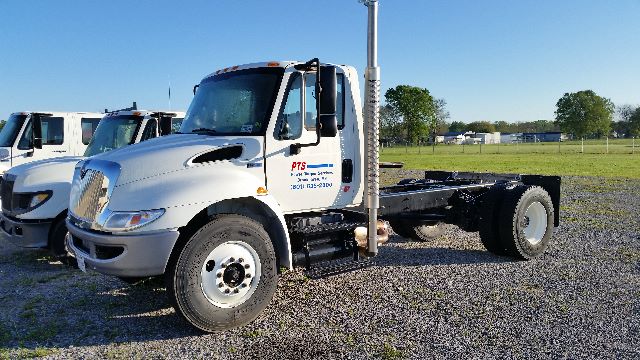
A cab and chassis truck is a stripped vocational platform sold with the cab, frame rails, drivetrain, axles, and suspension, but without the final work body installed. It is designed for upfitting with bodies such as flatbeds, dump beds, utility bodies, van bodies, tow bodies, or tanks. The main advantage is flexibility, because the buyer can match the chassis to a specific application instead of paying for a preconfigured body that may not fit the job.
What specs matter most when buying a cab and chassis truck?
The most important specs are GVWR, front and rear axle ratings, wheelbase, cab-to-axle measurement, engine output, transmission type, and PTO readiness. These determine legal payload, body compatibility, turning radius, and whether the truck can support hydraulic equipment. Suspension type and rear axle ratio also matter because they affect ride quality, launch under load, and highway performance. If the dimensions are wrong for the planned body, the truck may require costly frame work or may not be a practical upfit candidate at all.
How do I choose the right wheelbase for a cab and chassis truck?
Wheelbase should be selected based on the body length, weight distribution, and the turning environment the truck will operate in. A shorter wheelbase improves maneuverability in cities, yards, and job sites, but it may limit body length or create balance issues with heavier rear-mounted equipment. A longer wheelbase can support larger bodies and smoother load placement, but it increases turning radius and may add weight. Body manufacturers and upfitters usually work from both wheelbase and cab-to-axle measurements, so those numbers should be confirmed before purchase.
Are cab and chassis trucks in Louisiana exposed to any special operating conditions?
Yes. Louisiana service can be demanding because of heat, humidity, heavy rain, flood exposure, and in some areas salt air or industrial corrosion. Trucks used near the coast or in municipal and industrial applications should be inspected carefully for frame rust, electrical corrosion, cooling system condition, and wear around body mounts and hydraulic components. These conditions do not rule out a truck, but they make a thorough inspection more important, especially on used vocational chassis.
Can a used cab and chassis truck save money on an upfit?
A used cab and chassis can be a strong value if the frame is clean, the wheelbase and cab-to-axle dimensions fit the planned body, and the drivetrain matches the intended duty cycle. Buyers can save substantial money compared with a new chassis, but only if the truck does not need major rework before the body goes on. It is wise to confirm prior use, frame alterations, suspension condition, PTO provisions, tire age, and service history. A lower-priced truck can become expensive quickly if the dimensions are wrong or the chassis has hidden vocational wear.