
2014 Cab and Chassis Trucks For Sale in Louisiana

Have 2014 cab and chassis truck to sell? List it here to reach thousands of buyers.
2014 Cab and Chassis Trucks in Louisiana
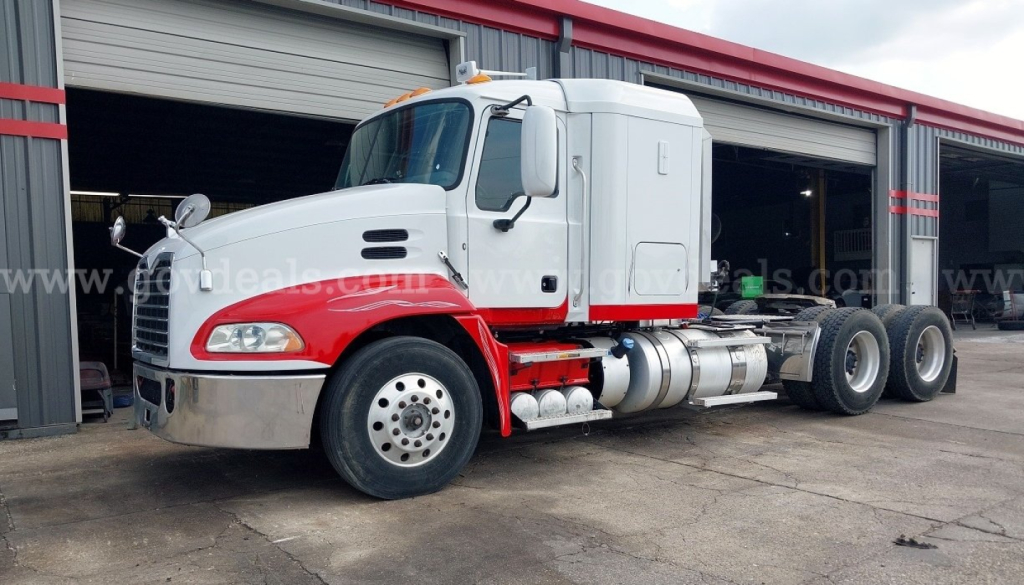
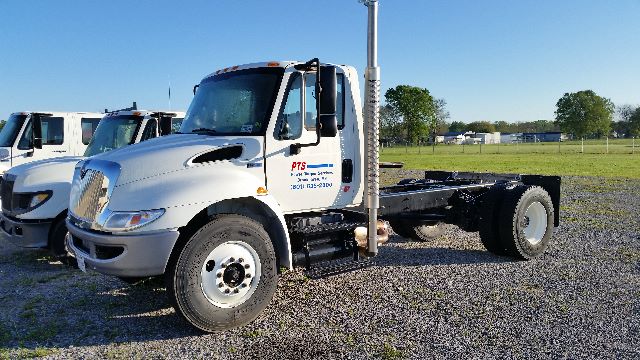
Common 2014 cab and chassis platforms range from medium-duty models like the International 4300 to heavier Class 8 configurations from brands such as Mack. Typical specs depend on intended use, but buyers usually compare GVWR, front and rear axle capacities, wheelbase, cab-to-axle measurement, suspension type, and transmission setup first. Diesel engines in this model year are often paired with automatic or 10-speed manual transmissions, and PTO compatibility matters if the truck will run hydraulics for a dump body, crane, compressor, or recovery equipment. If the truck started life as a tractor or was partially converted, check fifth wheel removal, frame integrity, crossmember placement, and whether the chassis dimensions match the body you plan to install.
On a used 2014 model, emissions equipment deserves close attention. This era commonly includes EGR, DPF, and DEF systems, so service history, fault codes, regen performance, and signs of repeated downtime are worth reviewing before purchase. Frame condition is especially important on a cab and chassis because drilling, stretching, prior upfits, or removed equipment can affect straightness and usable rail space. Buyers should also inspect tire wear, suspension bushings, brake condition, steering components, and electrical provisions for body builders such as PTO controls, trailer wiring, battery capacity, and auxiliary switches.
A good 2014 cab and chassis can still be a cost-effective platform when the measurements and ratings line up with the application. The most useful listings are the ones that clearly identify wheelbase, cab-to-axle, rear axle ratio, engine family, transmission model, and suspension configuration. For municipal work, local delivery, field service, or construction support, this category gives buyers a flexible truck foundation that can be built around a specific body rather than forcing the body to fit the truck.
Frequently Asked Questions about 2014 Cab and Chassis Trucks in Louisiana
What should I measure first when buying a 2014 cab and chassis truck?
Start with wheelbase, cab-to-axle, and frame rail dimensions because those measurements determine what body can be installed without major modification. After that, confirm GVWR, front and rear axle ratings, and rear overhang limits. A truck can have the right engine and transmission but still be the wrong fit if the chassis dimensions do not match the planned body length or weight distribution.
Are 2014 cab and chassis trucks good candidates for dump, service, or flatbed upfits?
Yes, many 2014 cab and chassis trucks are well-suited for vocational upfits if the frame, axle ratings, and PTO provisions support the application. Medium-duty units are often used for service bodies, van bodies, and flatbeds, while heavier tandem-axle chassis can support dumps, heavy wreckers, and larger equipment bodies. The buyer should verify usable frame length, suspension capacity, and hydraulic or electrical compatibility before committing to an upfit.
What emissions systems are typically found on a 2014 diesel cab and chassis truck?
Most 2014 diesel trucks use modern aftertreatment systems that include EGR, a diesel particulate filter, and in many cases DEF with selective catalytic reduction. These systems are standard for the model year and can affect reliability if maintenance has been inconsistent. Review service records, scan for active or inactive fault codes, and check for signs of frequent parked regens or derate events.
How important is PTO compatibility on a used cab and chassis?
PTO compatibility is critical if the truck will power hydraulic pumps, compressors, winches, or other auxiliary equipment. The transmission model, engine programming, and existing controls all affect how easily a PTO can be added or used. Confirm that the truck has the correct transmission openings, wiring, switch provisions, and idle control strategy needed for the intended body.
What matters most when comparing a former tractor to a purpose-built cab and chassis?
A former tractor can be a workable option, but it needs closer inspection than a purpose-built chassis. Buyers should look at frame rail condition, drilled holes, crossmember spacing, fifth wheel removal quality, and whether the rear suspension and axle placement suit the new body. A factory cab and chassis is usually simpler to upfit, while a converted tractor may require additional fabrication to achieve proper body fit and weight balance.