
Kenworth Cab and Chassis Trucks For Sale in New Jersey
Shop Kenworth cab and chassis trucks with versatile specs for box, reefer, hooklift, dump, utility, and municipal upfits.
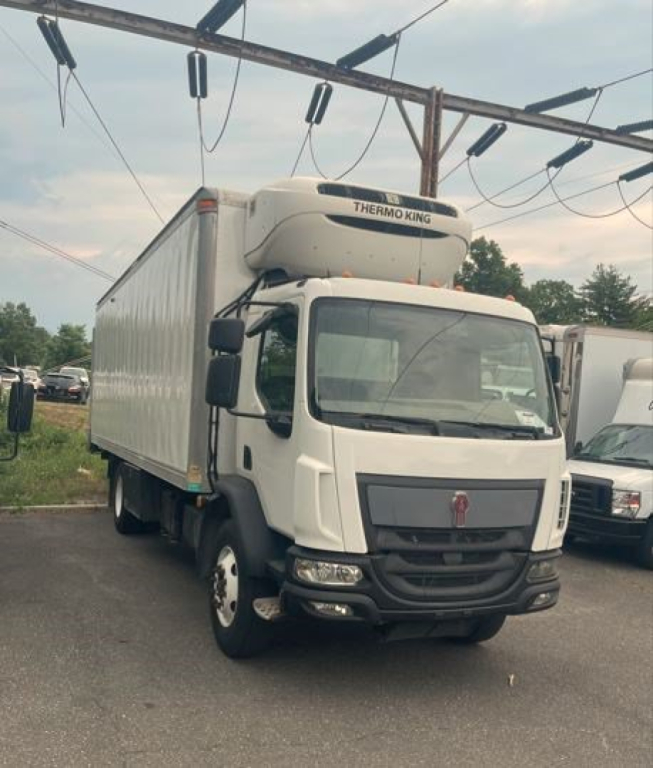
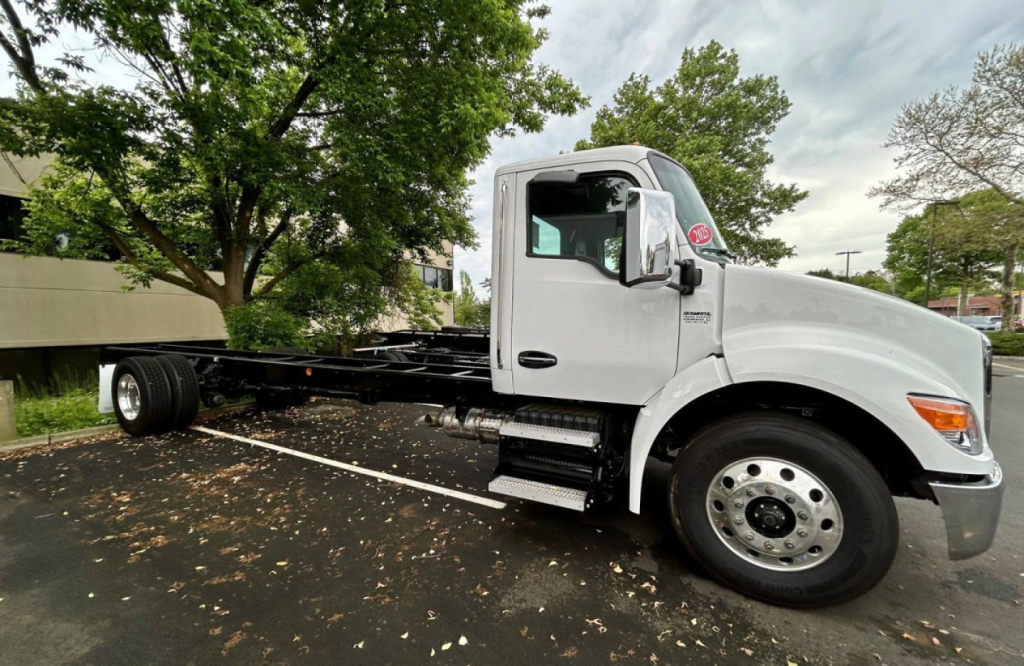

Have kenworth cab and chassis truck to sell? List it here to reach thousands of buyers.
Kenworth Cab and Chassis Trucks in New Jersey
Upfit compatibility is where a cab and chassis truck earns its value. These trucks are commonly spec'd for dry van bodies, refrigerated bodies, flatbeds, rollback carriers, hooklifts, dump bodies, utility bodies, and stake beds. Buyers should pay close attention to frame rail strength, cab-to-axle dimension, rear axle capacity, suspension type, and available PTO provisions. On medium-duty Kenworth chassis, a 26,000-lb GVWR setup is common for non-CDL applications, especially for local delivery and reefer work. On heavier T880-style chassis, buyers may look for double frame options, set-forward or set-back front axle configurations, wet kits, and higher vocational durability for severe-service applications.
Powertrain choices depend on body weight and duty cycle. Kenworth cab and chassis trucks are frequently equipped with PACCAR diesel engines, often paired with automatic or automated transmissions for easier operation in city service. For local and regional fleets, visibility, turning radius, and driver access matter as much as engine output. Kenworth's cab layout, steering geometry, and vocational dash controls make these trucks a practical fit for mixed-driver fleets, including operations where uptime and driver familiarity directly affect profitability. If the truck will carry a reefer body, hooklift, crane, or hydraulic package, confirm charging system capacity, PTO setup, and any idle-management requirements before finalizing the spec.
A good cab and chassis spec starts with the finished truck in mind. Body length, liftgate capacity, fuel tank placement, exhaust routing, and clear frame space all affect how easily the truck can be upfitted and how well it performs once in service. Buyers comparing Kenworth cab and chassis trucks should look beyond model year and focus on axle spacing, usable payload after body installation, brake configuration, and intended operating environment. A properly matched Kenworth chassis can deliver long service life, straightforward body integration, and the kind of driver acceptance that helps keep vocational and delivery fleets productive.
Frequently Asked Questions about Kenworth Cab and Chassis Trucks in New Jersey
What is a Kenworth cab and chassis truck used for?
A Kenworth cab and chassis truck is a truck delivered with the cab and frame in place but without a permanent body installed. That makes it a platform for upfits such as box trucks, refrigerated bodies, flatbeds, dump bodies, utility bodies, hooklifts, and rollback carriers. The right use depends on GVWR, axle ratings, wheelbase, and PTO capability, so buyers should choose the chassis based on the finished application rather than the bare truck alone.
Which Kenworth models are common in the cab and chassis category?
The Kenworth T280 is a common medium-duty cab and chassis choice for delivery, reefer, and municipal applications, especially where a 26,000-lb GVWR non-CDL configuration is important. The Kenworth T880 is a heavier vocational option used when the truck needs more frame strength, axle capacity, or severe-service durability for dump, hooklift, or other demanding body installations. Model selection usually comes down to body weight, operating terrain, and how much vocational equipment the truck must support.
What specs matter most when buying a cab and chassis truck?
The most important specs are GVWR, front and rear axle ratings, wheelbase, cab-to-axle measurement, frame rail dimensions, suspension type, transmission, and PTO readiness. These determine what body can be installed, how the weight will be distributed, and whether the finished truck will remain legal and productive. Buyers should also verify fuel tank and battery box placement, exhaust routing, and clear frame space because these details can affect body installation costs and delays.
Is a 26,000-lb GVWR Kenworth cab and chassis a good choice for New Jersey routes?
A 26,000-lb GVWR Kenworth cab and chassis is often a strong fit for New Jersey delivery and service work because it can support many medium-duty body types while staying in a common non-CDL class. That can help with driver availability and simplify fleet staffing. It is still important to calculate actual payload after the body, liftgate, refrigeration unit, tools, or other equipment are installed, since an upfit can reduce usable carrying capacity quickly.
How do I know if a Kenworth cab and chassis is ready for hydraulic or PTO-driven equipment?
Buyers should confirm that the truck has the correct PTO provision, transmission compatibility, and electrical capacity for the intended equipment. A hooklift, dump body, crane, or wetline setup may require specific transmission programming, hydraulic plumbing space, frame reinforcement, and higher output charging systems. It is best to review the body manufacturer's requirements alongside the truck's build specs before purchase so the chassis can support the upfit without expensive rework.