
2020 Kenworth Cab and Chassis Trucks For Sale in Florida
Shop 2020 Kenworth cab and chassis trucks for vocational upfits, fleet work, and custom body applications in Florida.
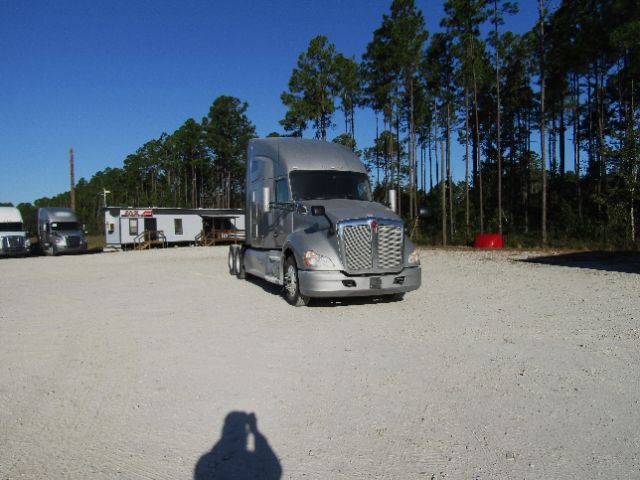
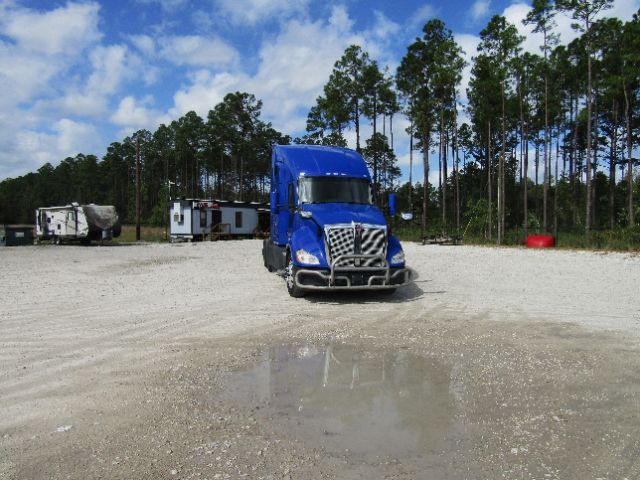
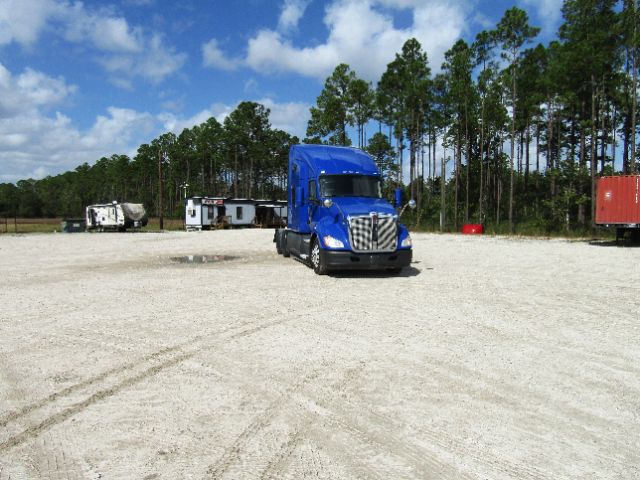
Selling a 2020 kenworth cab and chassis truck? List your 2020 kenworth cab and chassis truck for sale and reach thousands of commercial buyers.
2020 Kenworth Cab and Chassis Trucks in Florida
In the 2020 model year, Kenworth cab and chassis configurations commonly center on the T680 and other vocationally adaptable platforms depending on prior use and spec. Power usually comes from PACCAR or Cummins diesel engines paired with automated or manual transmissions, and the right combination depends on intended gross vehicle weight, duty cycle, and PTO demand. A buyer planning a dump body, roll-off, service body, flatbed, reefer body, or specialty utility build should confirm axle ratings, suspension type, frame strength, and electrical architecture before focusing on cosmetic condition. If the truck started life with sleeper equipment or highway specs, it is especially important to verify how practical it will be for the intended conversion.
Florida buyers often have a few extra considerations. Corrosion is usually less severe than in northern salt states, but heat, humidity, and long idle hours can still affect wiring, HVAC performance, seals, and aftertreatment components. Cooling system condition matters in warm-weather service, and buyers should inspect DPF, DEF, and emissions history closely on any 2020 diesel truck. A cab and chassis truck used for regional or municipal work may show less trailer-related wear than a linehaul tractor, but frame modifications, crossmember changes, and previous body removal should always be checked for quality.
The value in a 2020 Kenworth cab and chassis is not just the badge or the cab condition. It is how well the truck's wheelbase, engine rating, suspension, and frame spec fit the body you plan to install. A smart buyer reviews the VIN build data, confirms remaining payload after the upfit, and checks for PTO provisions, brake configuration, tire size, and steering axle capacity. When those core specs line up with the application, a cab and chassis truck can be one of the most efficient ways to put a purpose-built unit into service.
Frequently Asked Questions about 2020 Kenworth Cab and Chassis Trucks in Florida
What is a cab and chassis truck?
A cab and chassis truck is a truck sold with the cab, drivetrain, frame, and running gear, but without the final rear body. It is designed to be upfitted with equipment such as a flatbed, dump body, box body, service body, roll-back, utility body, or other vocational package. Buyers choose this configuration when they need a truck tailored to a specific application instead of a factory-complete truck.
What should I check first on a 2020 Kenworth cab and chassis?
Start with the wheelbase, axle ratings, frame rail dimensions, and PTO capability because those items determine what body can be installed and how expensive the upfit will be. After that, review engine and transmission specs, suspension type, brake configuration, and electrical access points. It is also important to inspect the frame for any modifications, holes, weld repairs, or signs of prior body installation that could complicate a new build.
Are Kenworth T680 models practical for cab and chassis use?
A Kenworth T680 can work as a cab and chassis in the right application, but it is important to understand whether the original spec was highway-oriented or vocationally suitable. T680 trucks are commonly associated with on-highway service, so buyers should verify frame length, rear suspension, PTO provisions, and overall packaging before planning an upfit. The truck can be a strong platform if the chassis dimensions and component ratings match the intended body and payload.
What Florida-specific concerns matter when buying a used cab and chassis truck?
Florida trucks may avoid the heavy road salt corrosion seen in northern markets, but buyers still need to watch for sun exposure, moisture-related electrical issues, HVAC wear, and cooling system performance. Heat and humidity can accelerate problems with seals, wiring connections, and emissions components if maintenance has been inconsistent. A close inspection of the aftertreatment system, air conditioning, and any exposed frame or body-mount areas is especially important in this region.
How do I know if a cab and chassis will handle my planned body and payload?
Match the truck's gross axle weight ratings, wheelbase, frame section, suspension, and tire capacities to the finished body weight and the cargo you expect to carry. You also need to account for toolboxes, liftgates, cranes, hydraulic tanks, and any auxiliary equipment that adds weight behind the cab. The best approach is to review the chassis spec sheet and calculate finished curb weight so you know the true available payload before the body is installed.