
New Harbinger Cab and Chassis Trucks For Sale in Texas
No exact matches found for your search
Showing New Cab and Chassis Trucks in Texas instead.
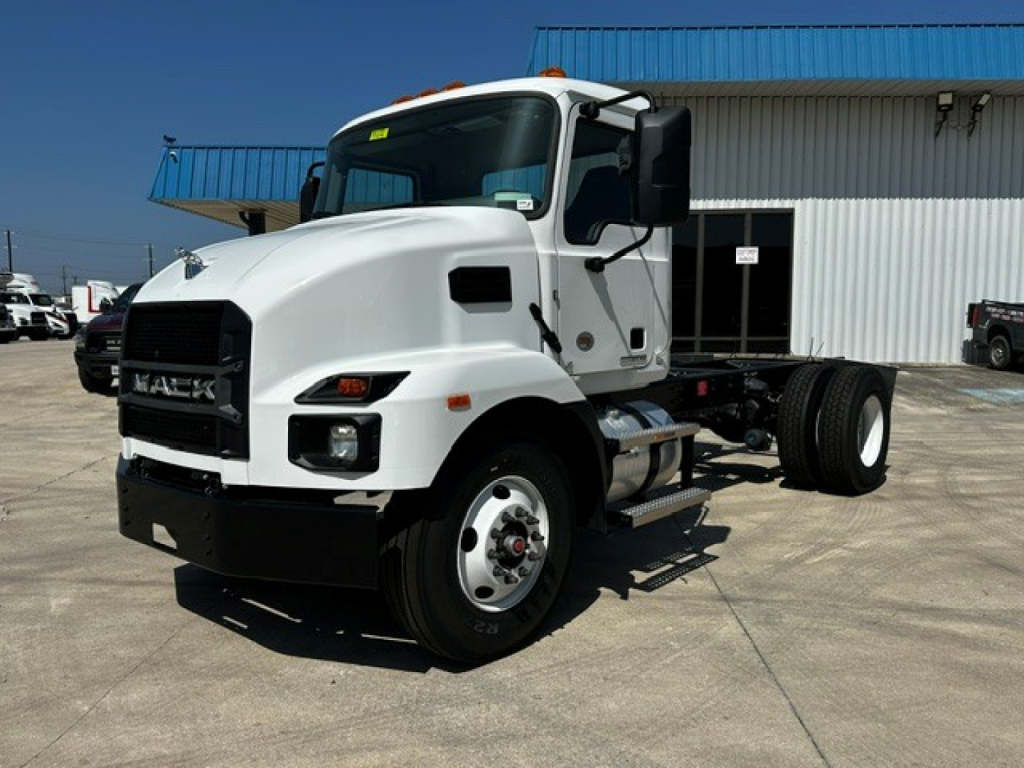
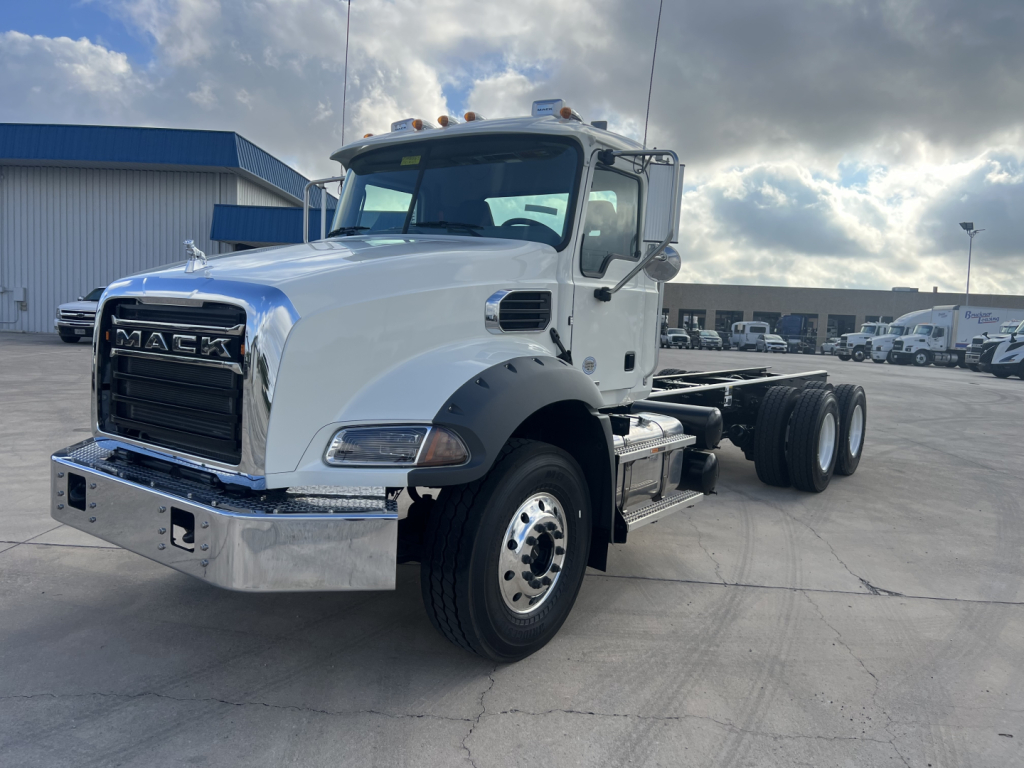
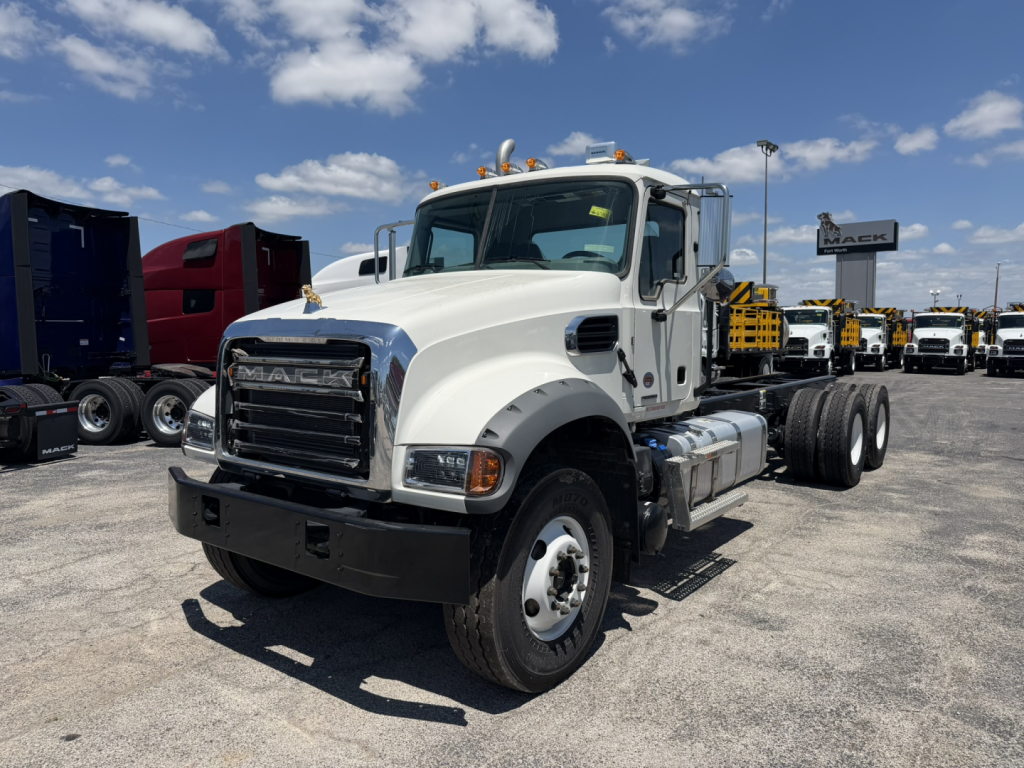
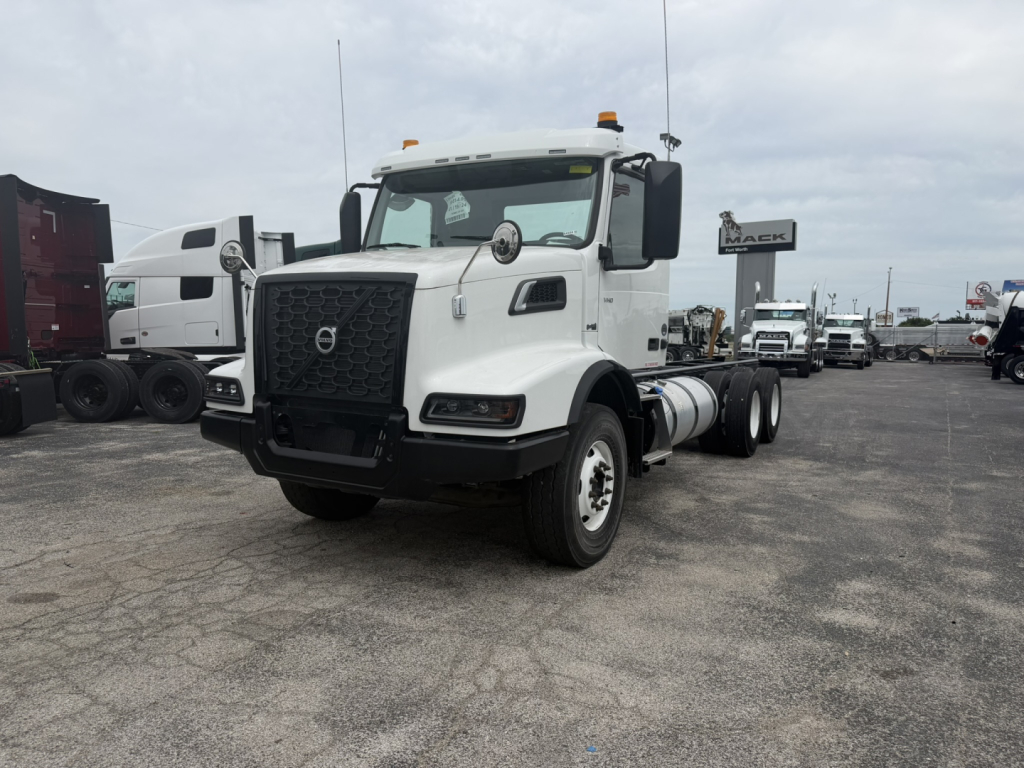
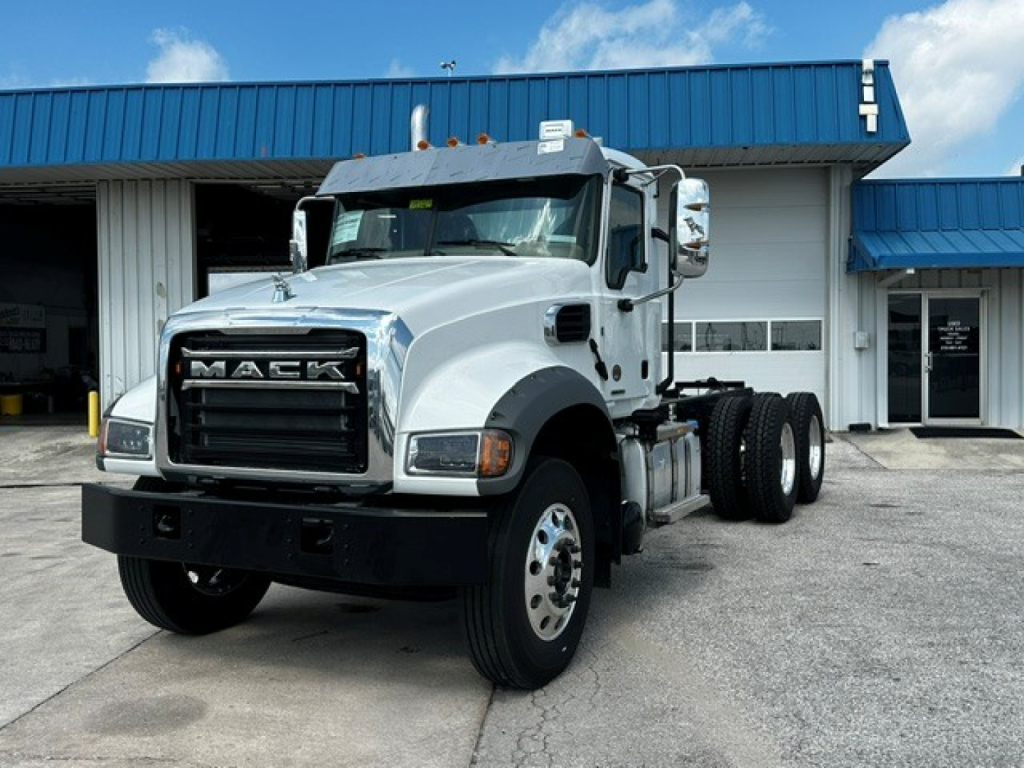
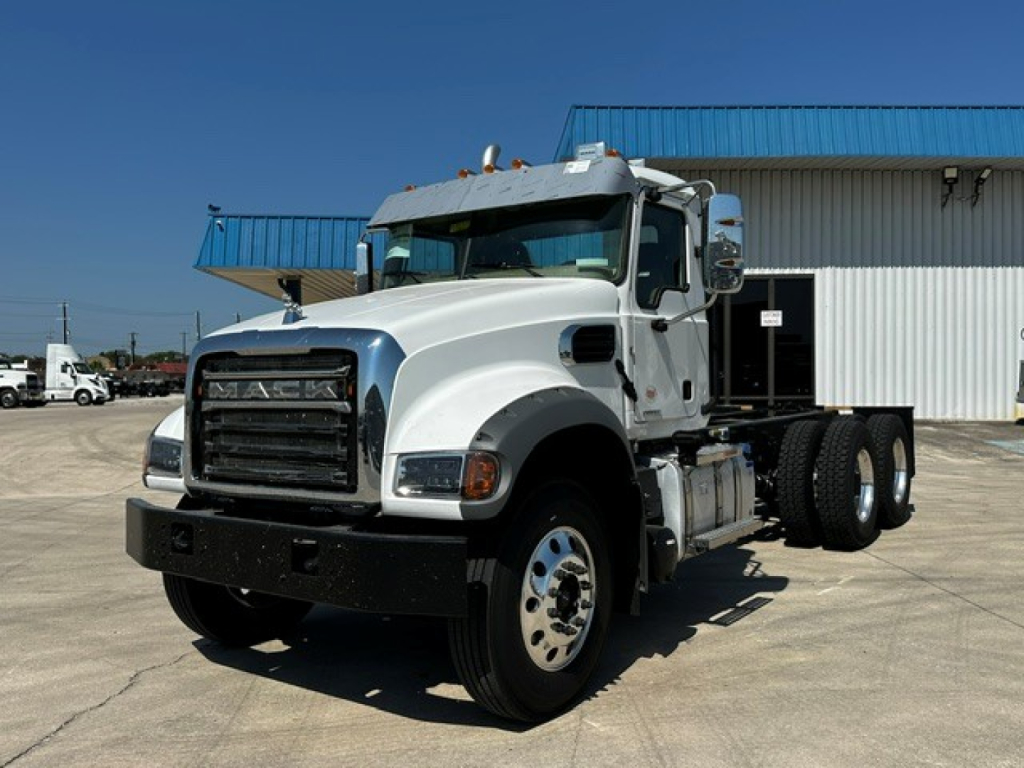
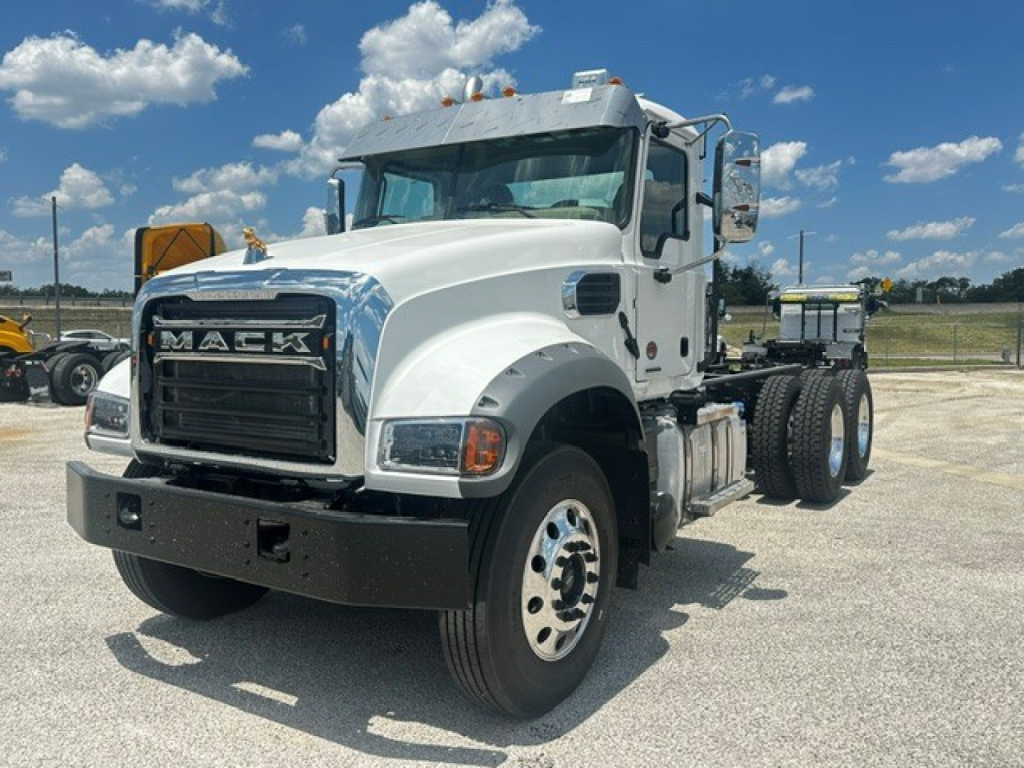
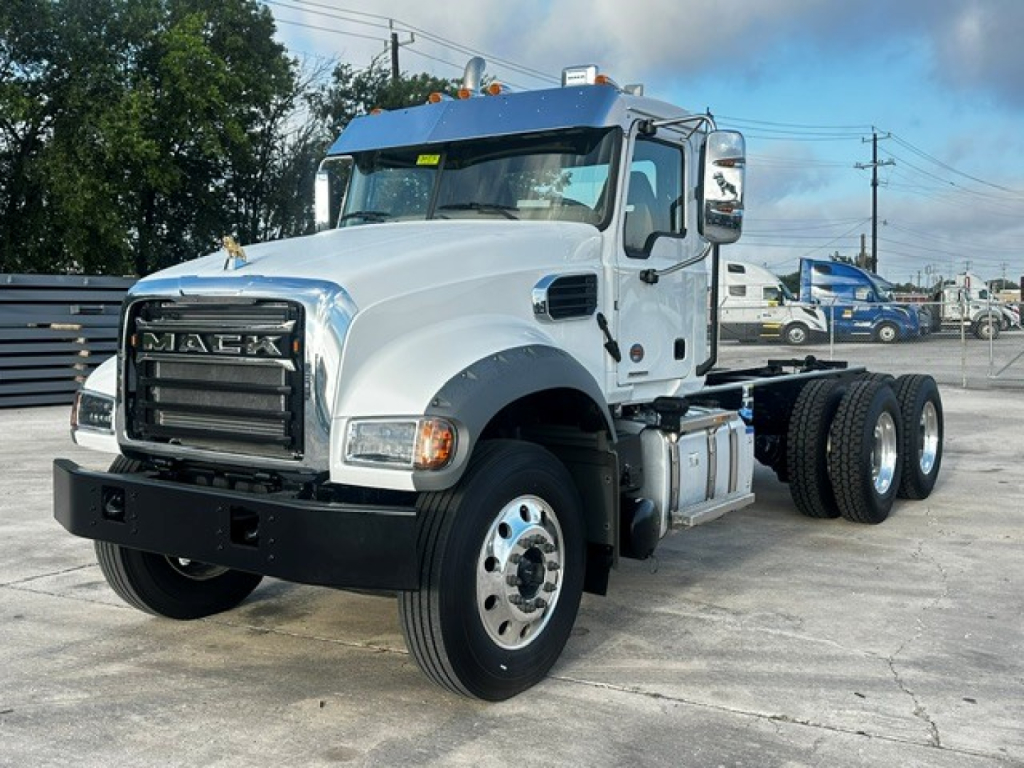
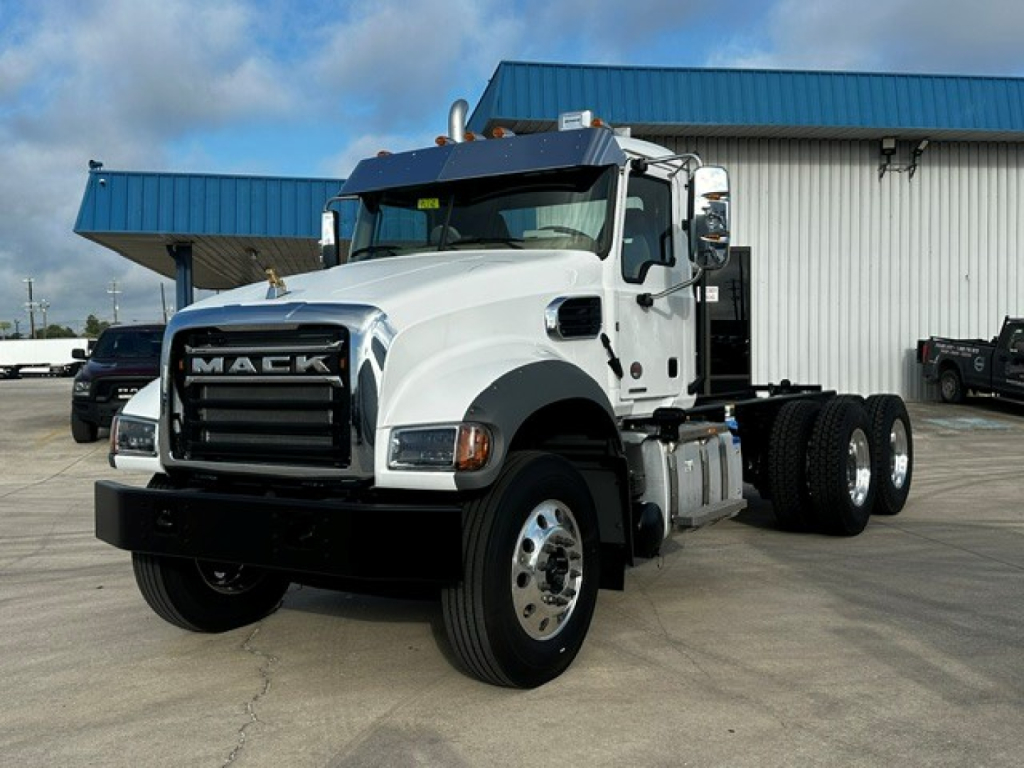
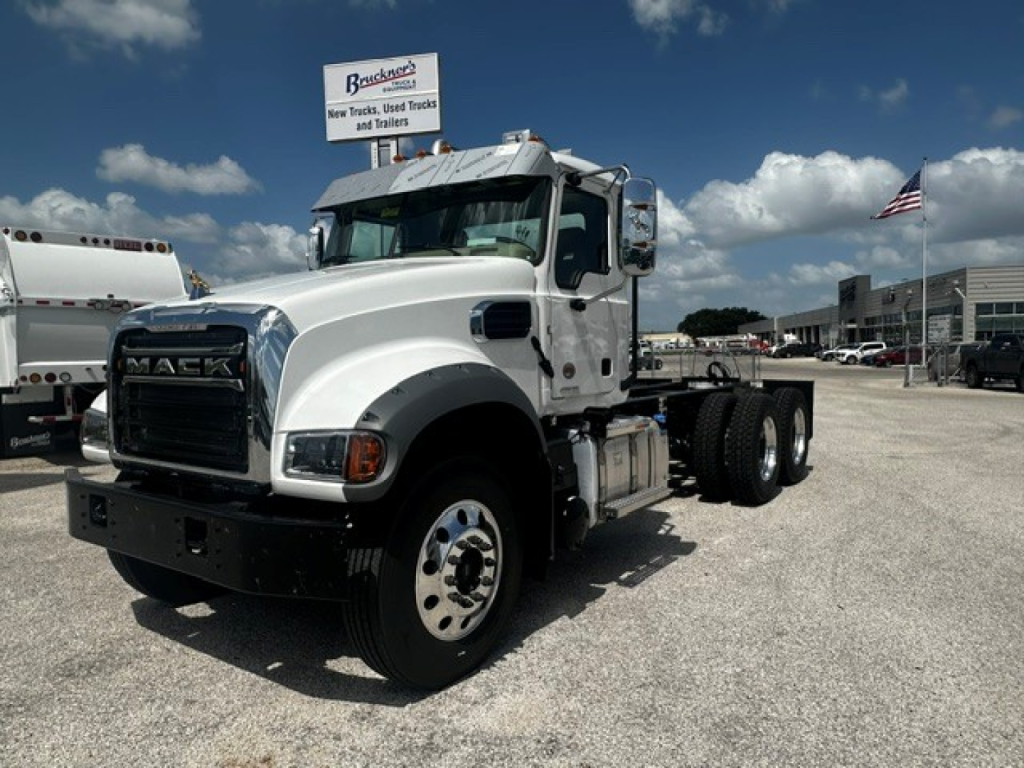
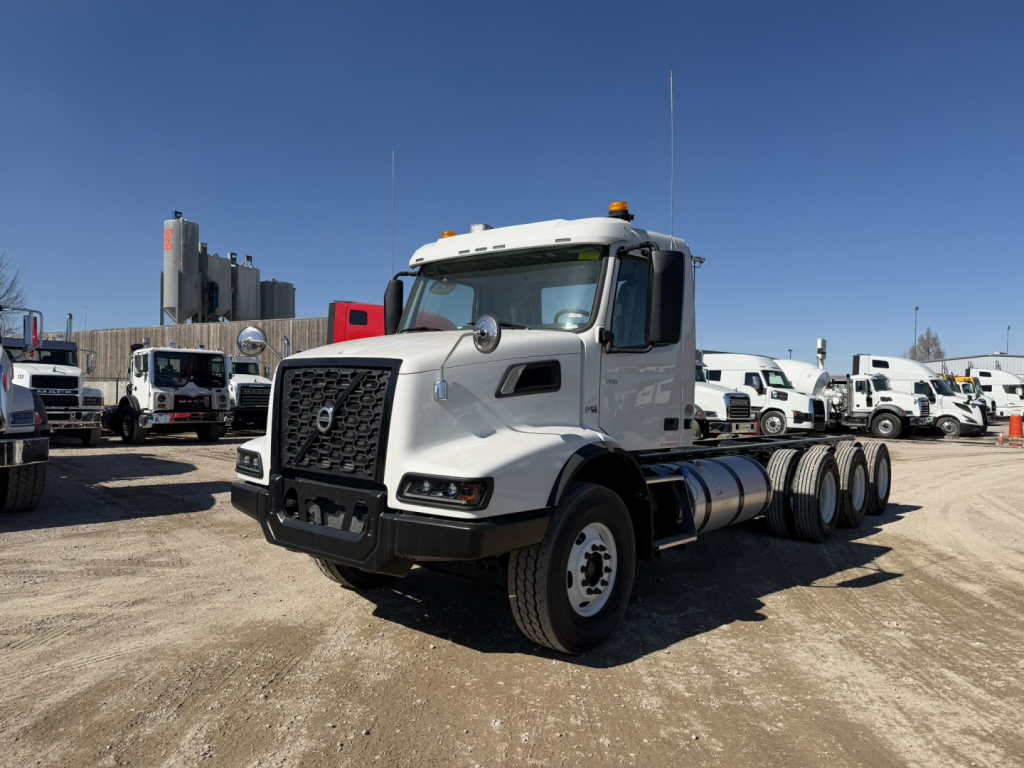
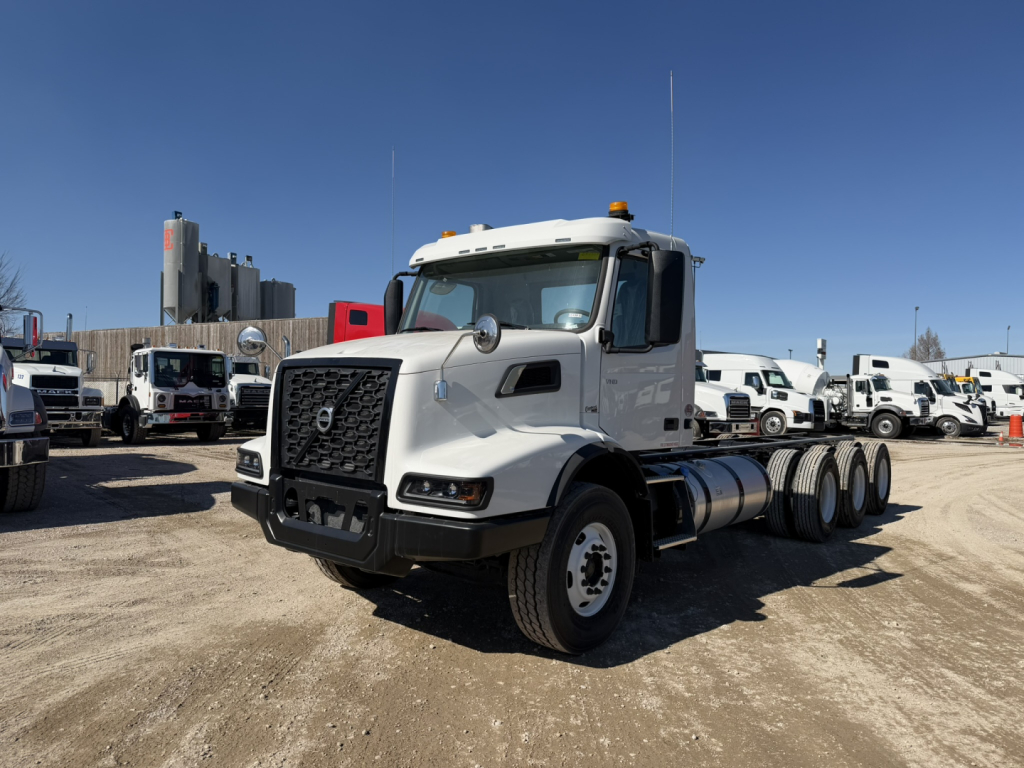
Showing 1 to 12 of 20 results
Have new harbinger cab and chassis truck to sell? List it here to reach thousands of buyers.
New Harbinger Cab and Chassis Trucks in Texas
Harbinger stands out in this category as a medium-duty electric truck platform aimed at urban and regional commercial work. For many buyers, that means evaluating battery-electric performance alongside the usual chassis details like cab-to-axle measurement, frame rail spacing, suspension capacity, brake system, turning radius, and available PTO or body integration considerations. A cab and chassis spec has to leave enough room for the body, mounts, and auxiliary equipment without compromising weight distribution. If the truck will carry dense cargo, tools, or equipment, pay close attention to front and rear axle loading after the upfit is installed, not just the published chassis rating.
In Texas, route conditions matter. Stop-and-go metro delivery, municipal duty, campus operations, and contractor fleets can be a strong fit for a Harbinger cab and chassis if the duty cycle is predictable and charging access is planned correctly. Heat, idle reduction goals, noise limits, and operating cost targets all factor into the decision. Buyers should look at expected range under payload, charging time, body electrical demands, and how HVAC use affects daily performance in hot weather. A well-matched chassis cab can lower service complexity and improve driver comfort, but only if the truck is spec'd around the real job instead of a brochure number.
When comparing new Harbinger cab and chassis trucks for sale, focus on upfit compatibility first and technology second. Confirm wheelbase options, body-ready dimensions, frame strength, and integration support for the equipment you intend to install. Then review the truck's battery system, safety features, visibility, and service network. The best cab and chassis truck is the one that fits the body cleanly, carries the load legally, and completes the route with margin left at the end of the day.
Frequently Asked Questions about New Harbinger Cab and Chassis Trucks in Texas
What is a cab and chassis truck used for?
A cab and chassis truck is a commercial truck sold with the cab, frame, drivetrain, and running gear in place, but without the final work body installed. That makes it a flexible platform for upfits such as dry van bodies, flatbeds, stake beds, service bodies, dump bodies, utility bodies, and refrigerated bodies. Buyers choose this configuration when the truck needs to be tailored to a specific job instead of purchased as a finished body style from the factory.
What should I check before buying a new Harbinger cab and chassis?
Start with the upfit requirements. Verify wheelbase, cab-to-axle length, GVWR, front and rear axle ratings, frame dimensions, and body mounting compatibility. On an electric chassis, you also need to confirm battery range under real payload, charging requirements, body power needs, and any packaging constraints that affect liftgates, tool compartments, or auxiliary equipment. The most common mistake is choosing a chassis that works on paper but becomes overweight or poorly balanced after the body is installed.
Are electric cab and chassis trucks practical for Texas fleets?
They can be practical when the truck runs a defined route and returns to a known charging location. Local delivery, municipal work, campuses, food service, and contractor operations with predictable mileage are typical use cases. Texas heat, highway speeds, payload, and air conditioning load can all affect real-world range, so buyers should evaluate the actual duty cycle instead of relying only on advertised figures. Charging access and downtime planning are just as important as the truck's rated capability.
How do I match the chassis to the body I want to install?
The body builder will typically work from the truck's cab-to-axle dimension, wheelbase, frame height, frame rail spacing, and axle capacities. Those numbers determine body length, placement, and final weight distribution. A correct match keeps the truck within legal weight limits, preserves handling and braking, and leaves room for accessories like liftgates, compressors, inverters, or storage systems. It is smart to review the completed body weight, not just the empty body spec, before finalizing the chassis.
Why do axle ratings and weight distribution matter so much on a chassis cab?
A cab and chassis truck can meet its GVWR and still be wrong for the job if too much weight sits on one axle. Body design, cargo position, mounted equipment, and even fuel or battery packaging can shift load forward or rearward. Poor distribution affects steering feel, brake performance, tire wear, and legal compliance. For vocational buyers, the best practice is to calculate curb weight, body weight, equipment weight, and expected payload together so the finished truck performs the way it should.