
Used 1999 Freightliner Cab and Chassis Trucks For Sale
Shop used 1999 Freightliner cab and chassis trucks. Compare wheelbases, cab-to-axle lengths, GVWR, engines, and body upfit potential.

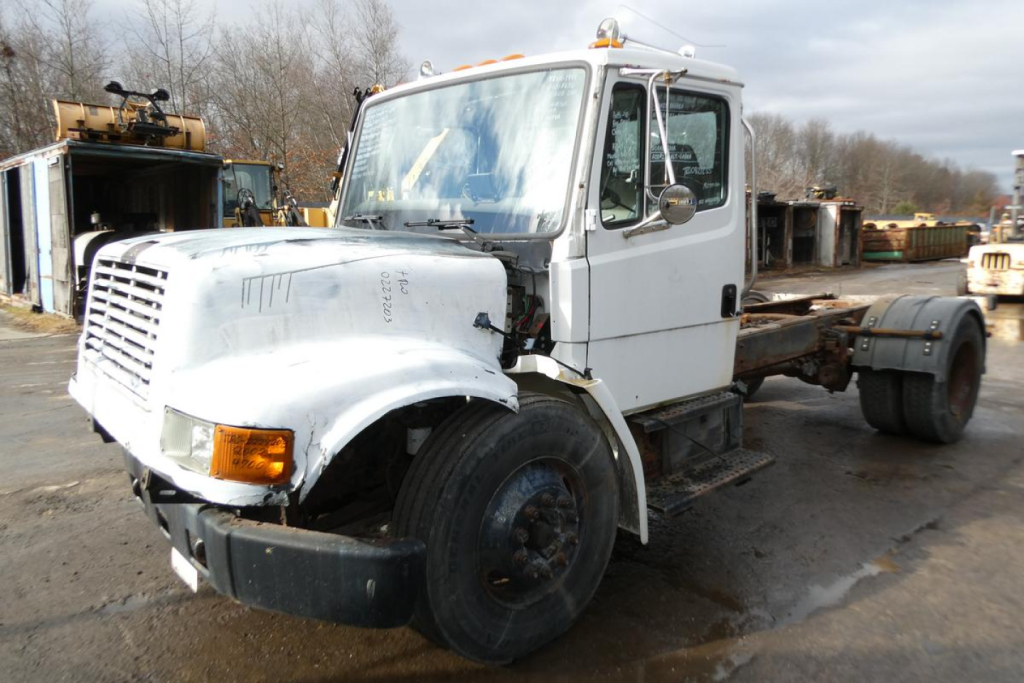

Have used 1999 freightliner cab and chassis truck to sell? List it here to reach thousands of buyers.
Used 1999 Freightliner Cab and Chassis Trucks
For a 1999 Freightliner cab and chassis, the most important fitment numbers are wheelbase, cab-to-axle, and cab-to-end-of-frame. Those dimensions determine what body length can be installed and how the finished truck will balance weight across the axles. GVWR and axle ratings matter just as much. Many buyers in this age range are comparing trucks in the Class 6 and Class 7 range, often with front axles around 8,000 to 12,000 pounds and rears in the 17,000 to 23,000 pound range, depending on the original spec. Suspension type also affects the truck's job. Spring suspension is common for harsher vocational work, while air ride can be a better match for fragile cargo or more refined ride quality.
Drivetrain choice on an older Freightliner can have a major effect on operating cost and serviceability. Trucks from this era are commonly found with Caterpillar, Cummins, or Detroit diesel engines, paired with manual transmissions or Allison automatics. Automatic transmissions are often preferred for route work, municipal service, and dense urban operation, while manuals can still appeal in applications where simplicity and driver preference matter. Rear axle ratio should not be overlooked. A deeper ratio can help with stop-and-go loads, towing, or body applications that spend more time off-highway, while a faster ratio may better suit paved-road delivery work. Buyers should also inspect brake type, tire size, frame rail modifications, and any evidence of previous body removal, stretch work, or added reinforcements.
Condition is everything with a used 1999 Freightliner cab and chassis. Frame rust, crossmember integrity, suspension wear, wiring quality, and engine maintenance history usually tell more than odometer mileage alone. It is also smart to confirm the truck's current registration class, emissions requirements in your state, and whether the chassis layout will accept your intended body without expensive rework. A clean older Freightliner cab and chassis can still make sense for buyers who want a lower acquisition cost and a straightforward platform for a vocational build, especially when the dimensions and ratings already line up with the job.
Frequently Asked Questions about Used 1999 Freightliner Cab and Chassis Trucks
What should I measure first when buying a used 1999 Freightliner cab and chassis?
Start with wheelbase, cab-to-axle, and cab-to-end-of-frame. These dimensions determine what body length and body type the chassis can accept. They also affect axle loading and final weight distribution once the truck is upfitted. Buyers who skip these measurements often end up with a chassis that requires costly frame changes or cannot legally carry the intended load.
What bodies are commonly installed on a Freightliner cab and chassis truck?
Freightliner cab and chassis trucks are commonly used for box trucks, flatbeds, dump bodies, utility bodies, stake beds, tow bodies, and service trucks. The right application depends on frame length, axle capacity, suspension, PTO setup, and how much payload the finished truck needs to carry. A cab and chassis is essentially a foundation for a vocational body, so matching the chassis spec to the body is the key buying decision.
Are automatic or manual transmissions better in an older cab and chassis truck?
That depends on the job cycle. Allison automatic transmissions are often favored for delivery routes, municipal use, and stop-and-go driving because they reduce driver fatigue and are easy to operate. Manual transmissions can still be a good fit for certain vocational applications where driver control, lower purchase cost, or simpler mechanical preference matters. The better choice is the one that matches the route, load, and driver pool.
How important is GVWR on a 1999 Freightliner cab and chassis?
GVWR is one of the most important numbers on the truck because it sets the legal maximum operating weight of the completed vehicle, including the chassis, body, fuel, driver, tools, and payload. A buyer should compare the planned body weight and expected payload against the truck's GVWR and axle ratings, not just the bare chassis weight. A truck with the wrong rating may still accept a body physically but be a poor legal or operational fit.
What condition issues matter most on a used 1999 Freightliner cab and chassis?
Frame corrosion, crossmember damage, suspension wear, brake condition, steering play, wiring repairs, and engine or transmission service history are all high-priority items. On an older chassis, prior body removal and frame modifications should be inspected closely because drilling, welding, or extensions can affect body mounting and long-term durability. A solid frame and correct dimensions are usually more valuable than cosmetic appearance on a vocational chassis purchase.