
Freightliner Cab and Chassis Trucks For Sale in Maryland
Browse Freightliner cab and chassis trucks for sale in Maryland. Compare wheelbase, GVWR, axle setups, engines, and body-ready specs.
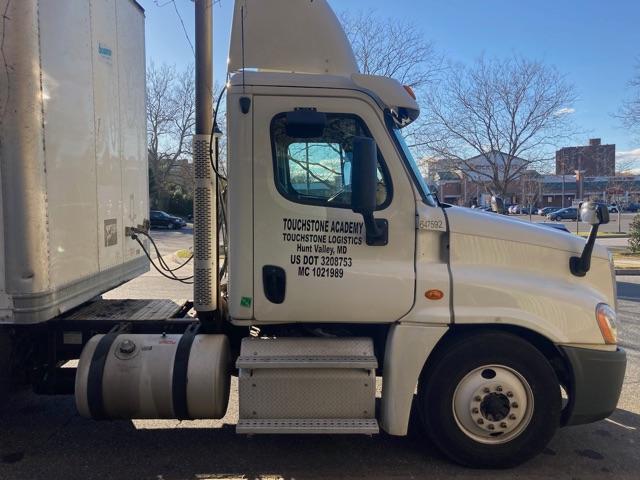
Have freightliner cab and chassis truck to sell? List it here to reach thousands of buyers.
Freightliner Cab and Chassis Trucks in Maryland
Freightliner offers cab and chassis configurations across several familiar platforms, including medium-duty and severe-duty applications, with common diesel options from Cummins and Detroit and transmissions from Allison or Eaton depending on the intended use. Buyers should pay close attention to GVWR and GCWR, single-axle versus tandem-axle layout, suspension type, and brake configuration. For stop-and-go vocational work around Baltimore, the Washington corridor, or mixed suburban routes, an automatic transmission and tighter wheelbase can improve driver comfort and maneuverability. For heavier regional hauling or equipment support, higher rear axle ratings, stronger frame rail specs, and PTO compatibility usually matter more than cab trim.
A Freightliner cab and chassis is often chosen because parts support is strong, upfitter familiarity is widespread, and the chassis can be tailored to a broad range of body lengths and vocational needs. Maryland buyers should also consider corrosion exposure from winter road treatment, especially on frame components, crossmembers, brake lines, and electrical connections. If the truck will carry a mounted body with hydraulic equipment, verify engine horsepower, torque, transmission PTO provisions, and available frame space for pumps, toolboxes, outriggers, or auxiliary tanks. On used units, maintenance history, current inspection status, tire condition, suspension wear, and any evidence of prior frame modification deserve close review before final body installation.
For many fleets and owner-operators, the right Freightliner cab and chassis comes down to fitment and lifecycle cost. A well-matched spec reduces body installation delays, improves payload efficiency, and avoids expensive changes to driveline angles, axle placement, or wiring after purchase. The best units are the ones with clear vocational intent: enough capacity for the application, a wheelbase that supports the body cleanly, and a powertrain that matches the route, terrain, and duty cycle.
Frequently Asked Questions about Freightliner Cab and Chassis Trucks in Maryland
What is a Freightliner cab and chassis truck used for?
A Freightliner cab and chassis truck is a stripped chassis with a cab that is designed to accept a vocational body. Common applications include dry van bodies, flatbeds, dump bodies, utility bodies, tow bodies, landscape bodies, hooklifts, and service trucks. The value of the platform is flexibility, since the same basic truck can be configured for many industries depending on wheelbase, axle ratings, frame dimensions, and PTO needs.
What specs matter most when buying a cab and chassis?
The most important specs are GVWR, GCWR, wheelbase, back-of-cab to axle measurement, axle ratings, frame rail strength, and transmission and PTO compatibility. Those measurements determine what body can be installed and how the truck will carry weight. Buyers should also confirm suspension type, brake setup, fuel tank placement, and any factory upfit wiring or body-builder provisions that can simplify installation.
Are Freightliner cab and chassis trucks good for upfitting?
Freightliner is a common choice for upfitting because many body installers are familiar with the chassis layout, electrical architecture, and body-builder guidance. That can make it easier to mount commercial bodies and integrate PTO-driven or hydraulic equipment. The main advantage is not just brand familiarity, but the availability of common service parts, driveline options, and chassis configurations that suit both medium-duty and vocational applications.
What should Maryland buyers inspect on a used Freightliner cab and chassis?
Maryland buyers should inspect the frame for corrosion, scaling, repairs, or drilled and welded modifications that may affect body installation. Brake lines, wiring, crossmembers, suspension components, and mounting points deserve close attention because road salt and seasonal moisture can accelerate wear. It is also smart to confirm current inspection status, maintenance records, tire age, and any signs that the wheelbase or axle position has been altered from the original chassis specification.
How do I know if a Freightliner cab and chassis can handle the body I need?
Start with the body manufacturer's required cab-to-axle, wheelbase, frame height, and weight distribution guidelines. Then compare those requirements to the truck's GVWR, front and rear axle ratings, frame section, and PTO provisions. A truck may have enough engine power but still be a poor fit if the axle spacing, frame length, or weight balance does not support the intended body and payload safely.